Login
Login


HSA/FSA accepted
Weight Loss Checkup
- Tracks health factors for weight loss
- Monitors essential weight-related metrics
- Checks body functions affecting weight
• All lab fees included
-20%
$206
about $1 per marker
List price
HSA/FSA accepted
Weight Loss Checkup
Fast lab order
No doctor's visit
No insurance required
-%
$
List price $257
Highlights
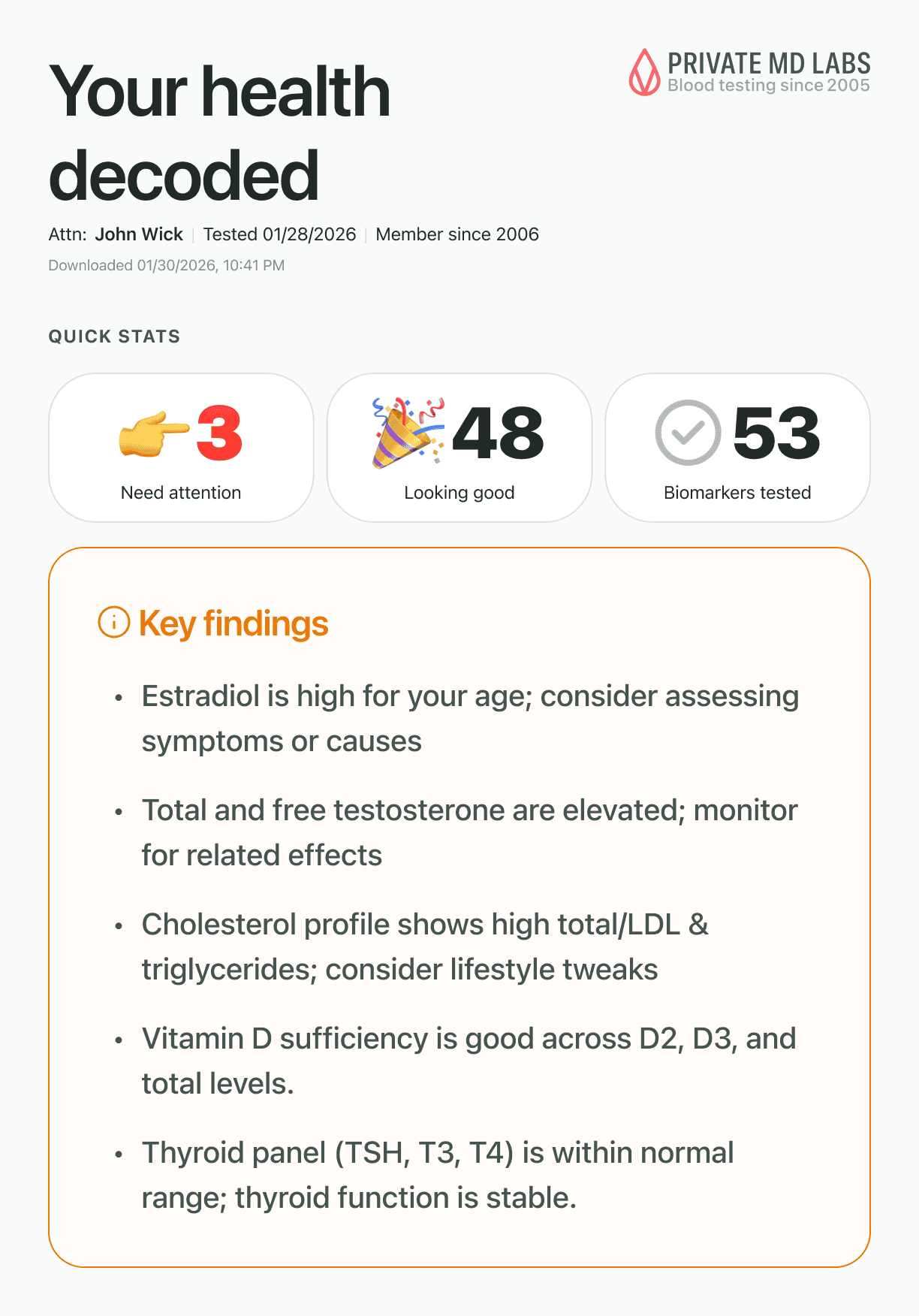
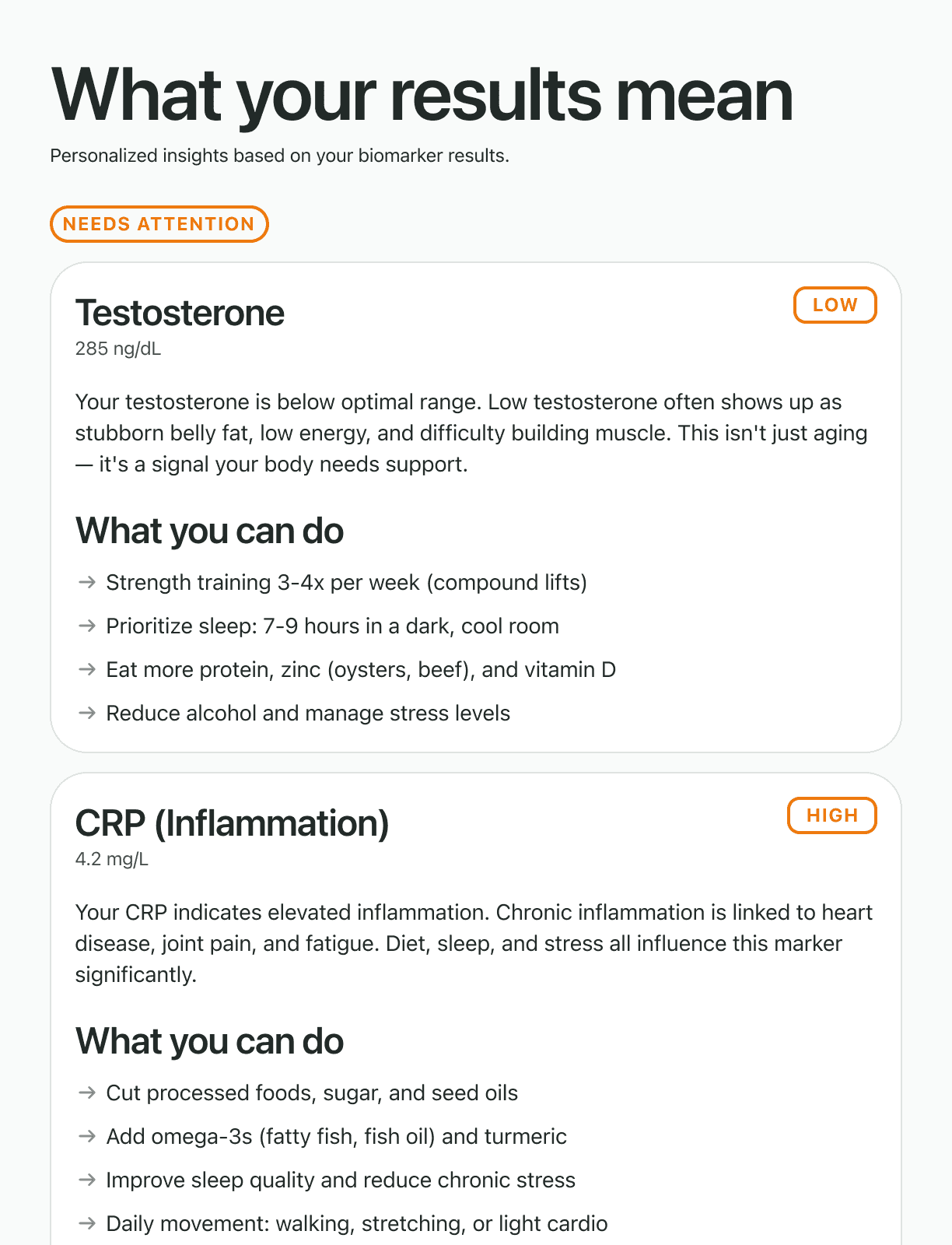
- Reveals 955 health issues
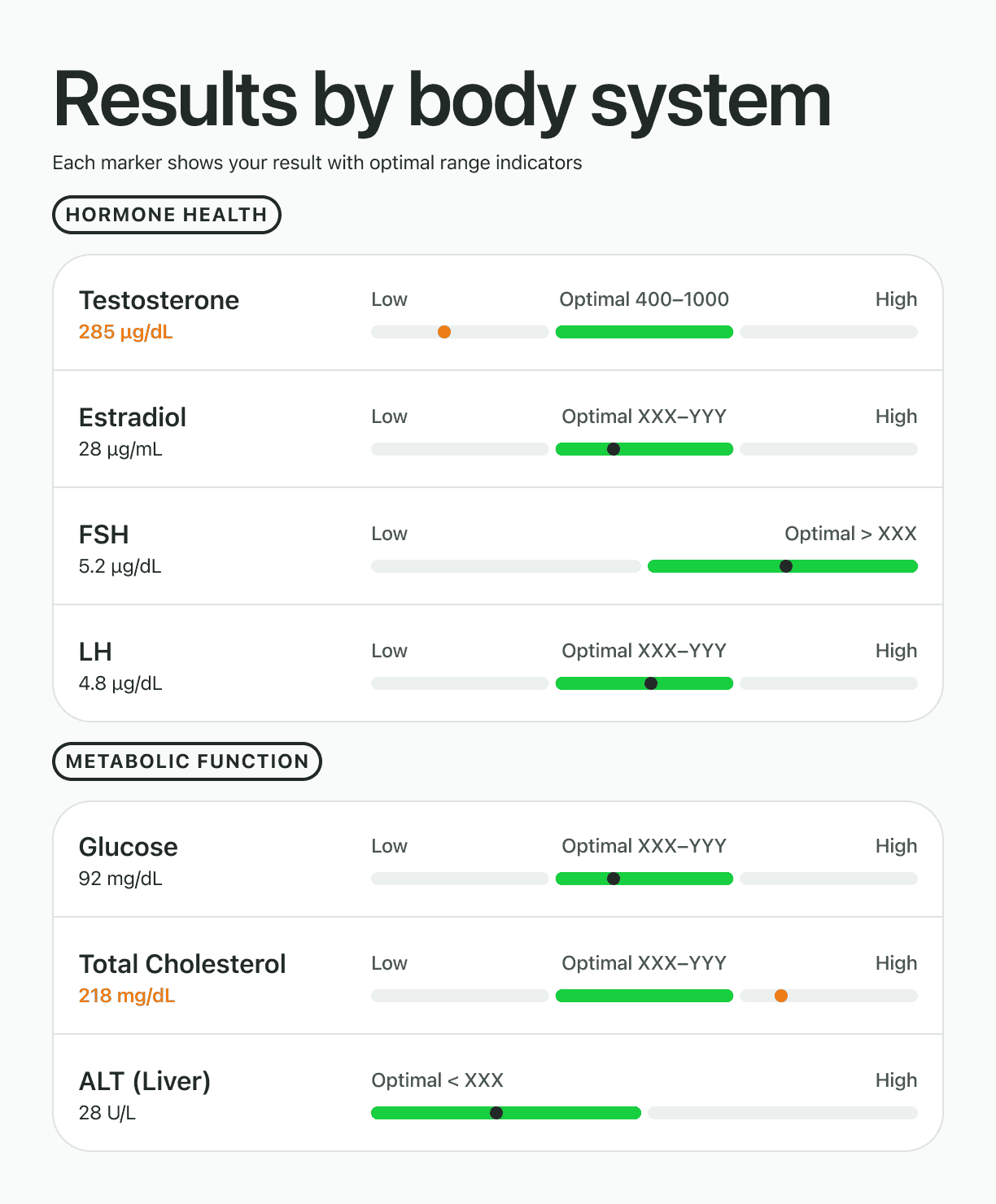
- Tracks health factors for weight loss
- Monitors essential weight-related metrics
- Checks body functions affecting weight
What's measured
- Absolute Promyelocytes
- White Blood Cell Count
- Red Blood Cell Count
- Hemoglobin
- Hematocrit
- MCV
- MCH
- MCHC
- RDW
- Platelet Count
- MPV
- Absolute Neutrophils
- Absolute Metamyelocytes
- Absolute Myelocytes
- Absolute Lymphocytes
- Absolute Monocytes
- Absolute Eosinophils
- Absolute Basophils
- Absolute Blasts
- Absolute Nucleated Rbc
- Neutrophils
- Metamyelocytes
- Myelocytes
- Promyelocytes
- Lymphocytes
- Reactive Lymphocytes
- Monocytes
- Eosinophils
- Basophils
- Blasts
- Nucleated RBC
- White Blood Cells
- Red Blood Cells
- Segmented Neutrophils
- Metamyelocyte
- Myelocyte
- Promyelocyte
- Nucleated RBCs
- Smudge Cells
- Chloride
- Potassium
- Sodium
- Bun/Creatinine Ratio
- ALT
- AST
- Alkaline Phosphatase
- Bilirubin, Total
- Albumin/Globulin Ratio
- Globulin
- Albumin
- Protein, Total
- Calcium
- Carbon Dioxide
- Creatinine
- Urea Nitrogen (Bun)
- Glucose
- eGFR
- Chol/Hdlc Ratio
- LDL Cholesterol
- Triglycerides
- HDL Cholesterol
- Cholesterol, Total
- Non HDL Cholesterol
- Free T4 Index (T7)
- T4 (Thyroxine), Total
- T3 Uptake
- TSH
- Testosterone, Free
- Testosterone, Total, MS
- T3, Free
- Cortisol, Total
- Dhea Sulfate
- Estradiol
- Ferritin
- Hemoglobin A1C
- Insulin
Preparation
Fasting
12-14 hours
No biotin
72 hours
Test details
HSA/FSA
reimbursable
Results
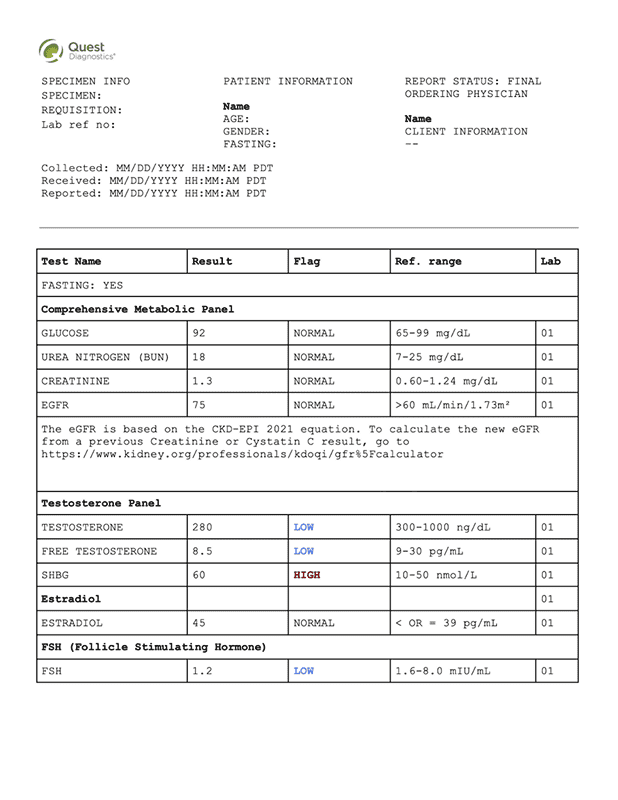
First results available starting the next day, complete results in 7 business days
Age
18+