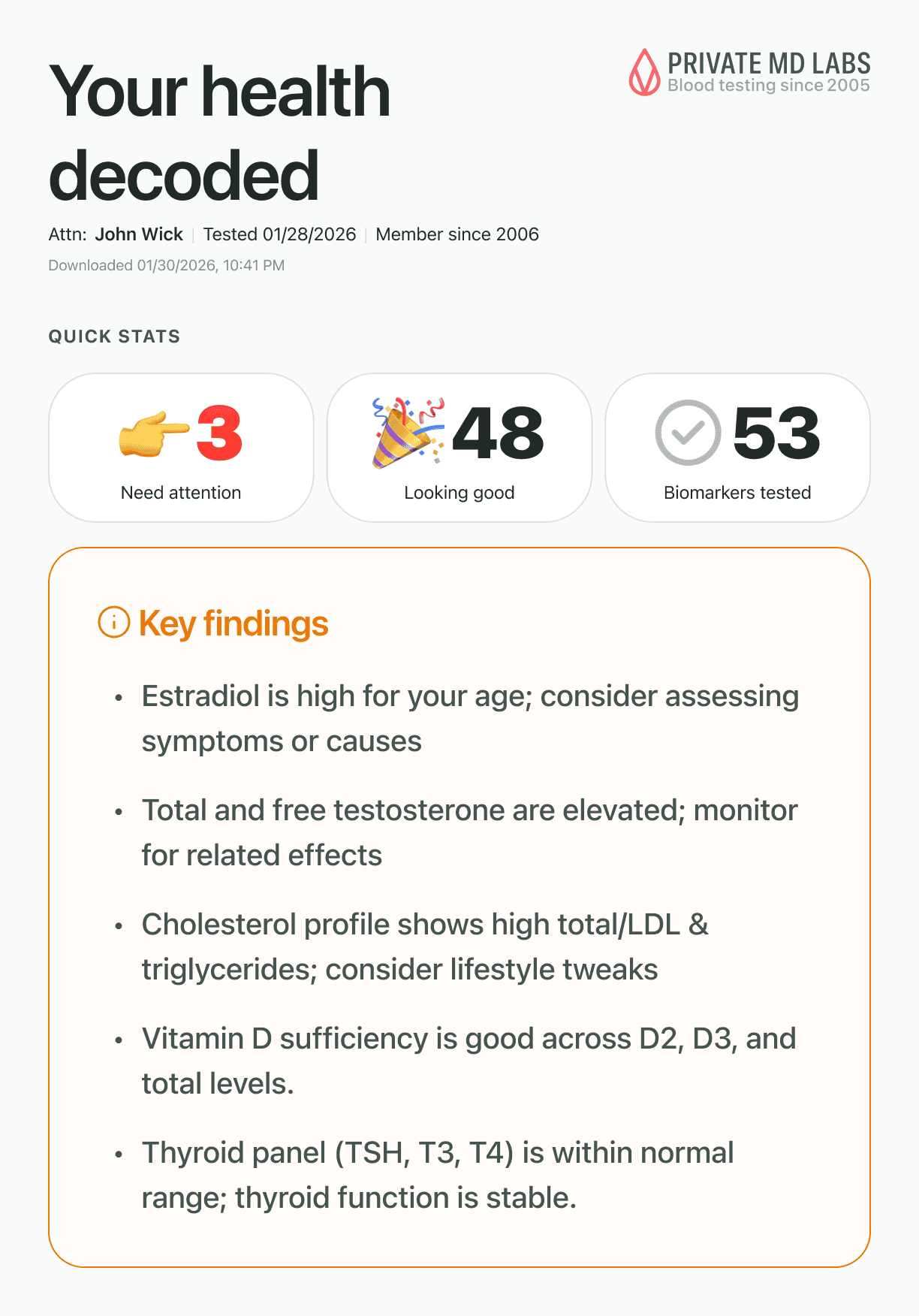
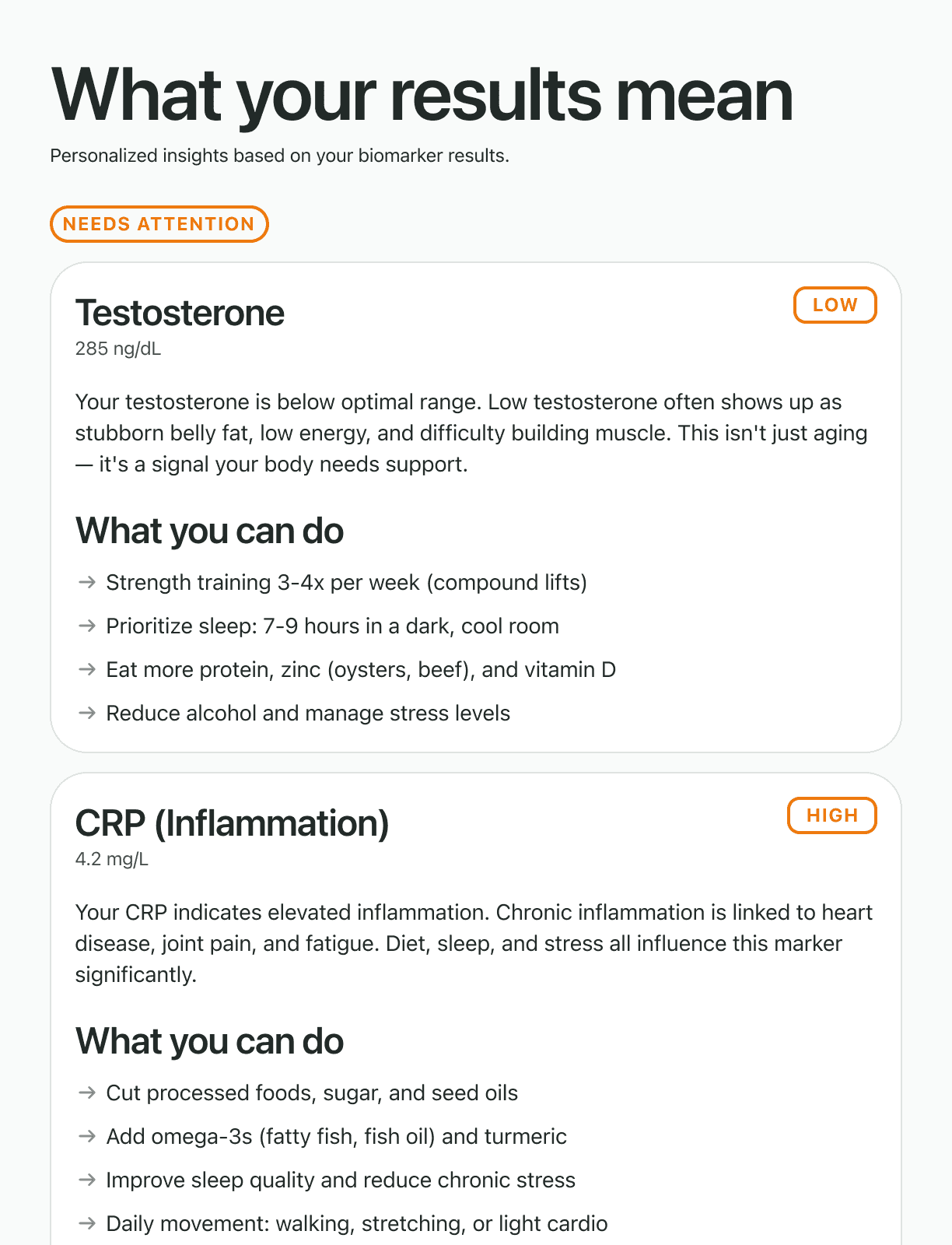
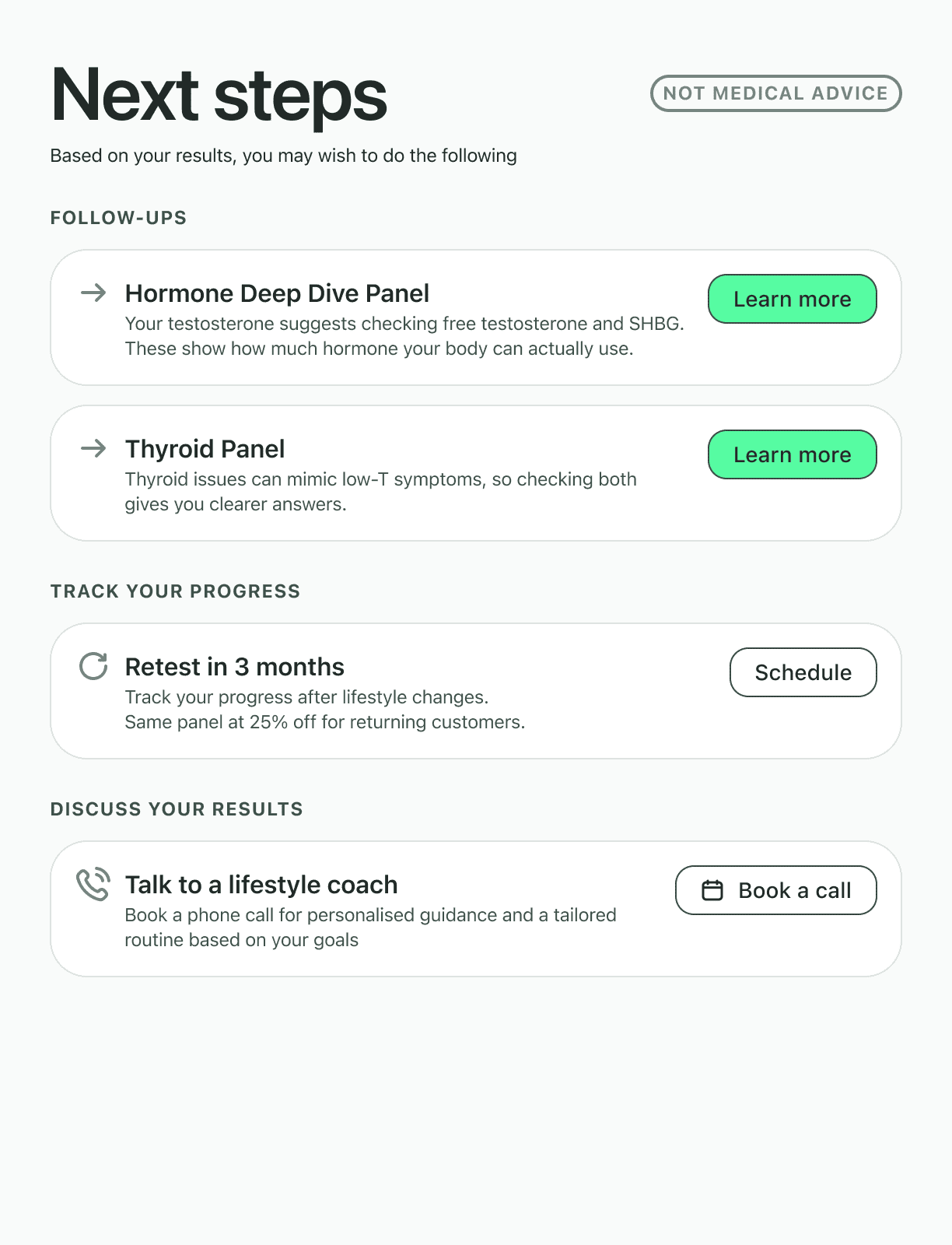
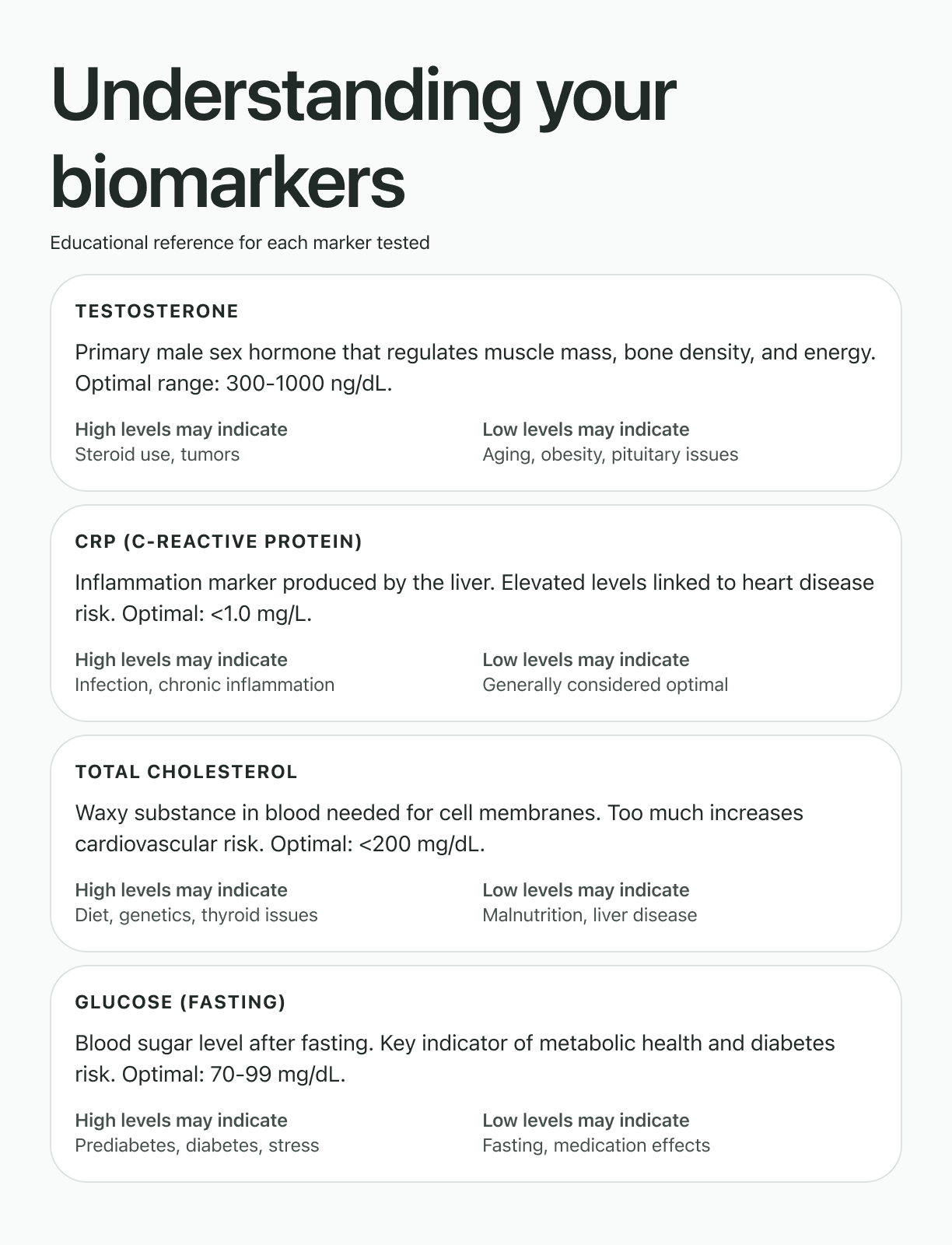
A male hormone test measures testosterone and, depending on the option, free testosterone, estradiol, sex hormone binding globulin, LH, FSH, thyroid hormones, or other related results. Shoppers often compare these options when changes in energy, libido, body composition, or training recovery raise questions about hormone balance. Start by deciding whether you need a single testosterone result, free and total testosterone together, or a panel that also examines estradiol and the signals involved in testosterone production.
What testosterone and related results show
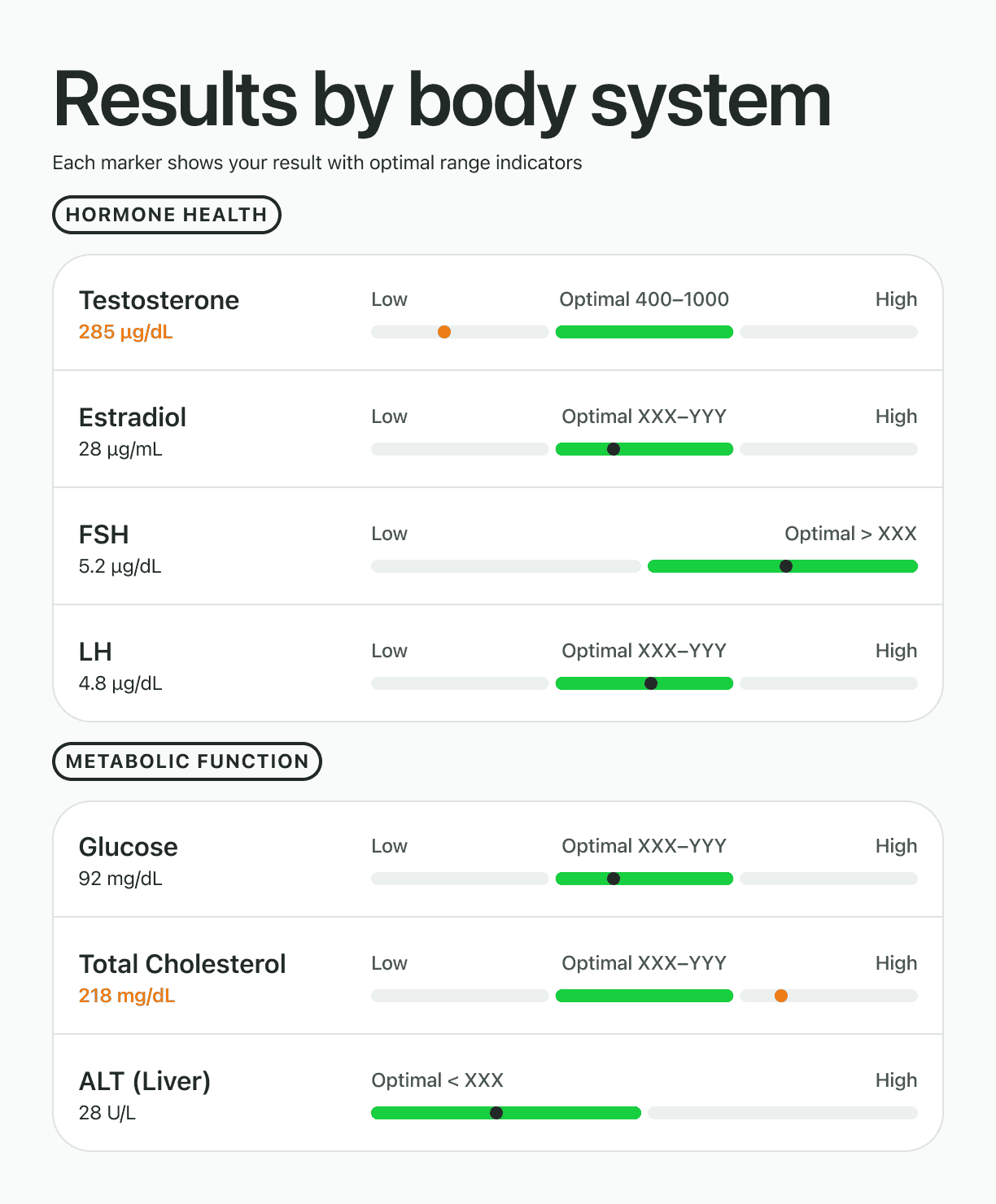
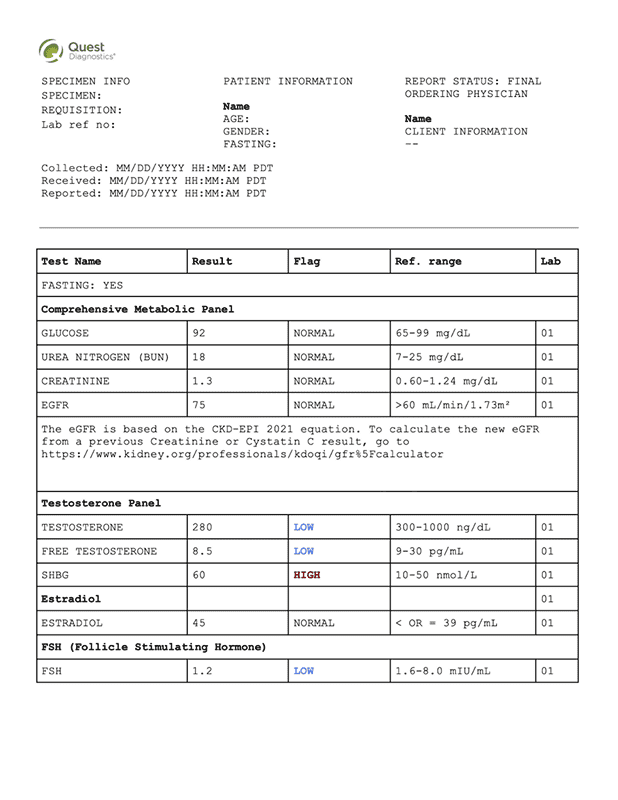
Total testosterone reports the amount circulating in the blood. Free testosterone reports the portion not bound to carrier proteins, while sex hormone binding globulin (SHBG) helps explain why total and free results do not always move together. Estradiol is another sex hormone that is relevant when reviewing the overall hormone picture. LH and FSH are pituitary signals involved in testicular hormone production, so they add useful perspective when testosterone is outside a reference range. The Hormone Panel with E2 Ultrasensitive & F&T Testosterone LC/MS measures free and total testosterone, estradiol, LH, and FSH together.
When broader testing adds practical information
The Male Hormone Optimization Panel (LC/MS/MS) combines free and total testosterone with SHBG, estradiol, LH, FSH, cortisol, DHEA sulfate, DHEA, IGF-1, and thyroid results including TSH, free T4, and free T3. It also measures PSA, hemoglobin A1C, cholesterol fractions, triglycerides, complete blood count values, glucose, creatinine, eGFR, and liver enzymes such as ALT and AST. Those results do not establish the cause of symptoms, but they help place hormone findings alongside blood sugar, thyroid, prostate, blood-cell, liver, and kidney-related measurements. Professional review is important when symptoms or unusual results are involved.