See what your body’s been trying to tell you.

Analyze 1623 conditions
only
$15,000
$499

Uncover answers, rule out risks, see the big picture.

BENEFITS

Why invest in a detailed blood test when nothing seems wrong?

  1. 1Peace of mind, proactive insight

    Know what's happening inside. Catch potential issues early.

  2. 2Understand your body

    Go beyond basics. Get a detailed view of vital markers from hormones to nutrition.

  3. 3Stay ahead of health risks

    Detect issues before they grow. Track your health and tackle risks head-on.

  1. 4Smarter lifestyle choices

    Make informed decisions on diet, exercise, and supplements with real data.

  2. 5Confidence for the future

    Whether it’s wellness goals or peace of mind, move forward with clarity and control.

HERE'S WHAT YOU GET

Doctor insights for 1623 potential health issues

Chronic Hepatitis
Leukemia
Dermatomyositis
Liver Disease
Kidney Disease
Diabetes
Urinary Tract Infection
Iron Deficiency Anemia
Chronic Hepatitis
Leukemia
Dermatomyositis
Liver Disease
Kidney Disease
Diabetes
Urinary Tract Infection
Iron Deficiency Anemia
Chronic Hepatitis
Leukemia
Dermatomyositis
Liver Disease
Kidney Disease
Diabetes
Urinary Tract Infection
Iron Deficiency Anemia
Chronic Hepatitis
Leukemia
Dermatomyositis
Liver Disease
Kidney Disease
Diabetes
Urinary Tract Infection
Iron Deficiency Anemia
Metabolic Disorders
Gout
Lung Disease
Cancer
Muscular Dystrophy
Skeletal Trauma
Pancreatitis
Restless Legs Syndrome
Metabolic Disorders
Gout
Lung Disease
Cancer
Muscular Dystrophy
Skeletal Trauma
Pancreatitis
Restless Legs Syndrome
Metabolic Disorders
Gout
Lung Disease
Cancer
Muscular Dystrophy
Skeletal Trauma
Pancreatitis
Restless Legs Syndrome
Metabolic Disorders
Gout
Lung Disease
Cancer
Muscular Dystrophy
Skeletal Trauma
Pancreatitis
Restless Legs Syndrome
Hypertriglyceridemia
Cardiovascular Disease
Hypothyroidism
Infection or Inflammation
Coronary Artery Disease
Hemochromatosis
Chronic Hepatitis
Hypertriglyceridemia
Cardiovascular Disease
Hypothyroidism
Infection or Inflammation
Coronary Artery Disease
Hemochromatosis
Chronic Hepatitis
Hypertriglyceridemia
Cardiovascular Disease
Hypothyroidism
Infection or Inflammation
Coronary Artery Disease
Hemochromatosis
Chronic Hepatitis
Hypertriglyceridemia
Cardiovascular Disease
Hypothyroidism
Infection or Inflammation
Coronary Artery Disease
Hemochromatosis
Chronic Hepatitis
Prime Check

Reveals 1623 potential health issues

Google reviews 3412 reviews
$15,000 $499
What’s included
Sample reports

Vitamin B12

Insights Insights

Your vitamin B12 levels are normal, which is great news. Adequate levels of vitamin B12 are important for maintaining healthy nerve and blood cells, and for preventing certain types of anemia. It's recommended that you maintain a healthy and balanced diet to ensure you continue to have normal levels of vitamin B12.

Vitamin B12
good
Low Desirable 200 – 1100 High
953 pg/mL

Folate

Insights Insights

Your blood test results for Folate, Serum are normal. Folate is an important B-vitamin that plays a key role in various bodily functions, including the production of red blood cells and DNA synthesis. Normal levels of folate indicate that your body has an adequate amount of this essential nutrient. Maintaining normal folate levels is important for overall health and wellbeing. Research shows that adequate folate intake is particularly crucial during pregnancy, as it helps prevent certain birth defects. It is recommended that pregnant individuals take additional folate supplements to ensure they meet their daily requirements. If you have any concerns about your folate levels or have questions about maintaining a healthy diet that includes folate-rich foods, I would be happy to discuss them with you.

Folate, Serum
good
16.5 ng/mL

Note: Reference Range Low: <3.4 Borderline: 3.4-5.4 Normal: >5.4

Fibrinogen Activity

Insights Insights

Your Fibrinogen Activity, Clauss test came back normal, which is a good sign. This test measures the ability of your blood to form clots, and a normal result means that your blood is clotting appropriately. Keep in mind that this is only one of many tests, and your overall health should be evaluated by your healthcare provider.

Fibrinogen Activity, Clauss
good
Low Desirable 175 – 425 High
227 mg/dL

Cortisol

Insights Insights

Your cortisol levels are normal. Research shows that cortisol is a hormone that's released in response to stress and regulates blood pressure, blood sugar levels, and the immune system. High cortisol levels can indicate chronic stress, while low levels can be caused by conditions such as Addison's disease. It's recommended that you discuss any concerns about your cortisol levels with your healthcare provider.

Cortisol, Total
good
13.4 mcg/dL

Note: Reference Range: For 8 a.m.(7-9 a.m.) Specimen: 4.0-22.0 Reference Range: For 4 p.m.(3-5 p.m.) Specimen: 3.0-17.0 * Please interpret above results accordingly *

DHEA Sulfate

Insights Insights

Your DHEA Sulfate levels are within the normal range. DHEA Sulfate is a hormone produced by the adrenal glands, and it plays a role in the production of other hormones, including testosterone. Normal levels indicate that your adrenal glands are functioning properly. Research shows that maintaining normal DHEA Sulfate levels is important for overall hormone balance and general well-being. It's recommended that you continue to monitor your hormone levels regularly to ensure they remain within the normal range. If you have any concerns or questions, it's always best to consult with your healthcare provider for further guidance.

DHEA Sulfate
good
Low Desirable 93 – 415 High
315 mcg/dL

Rheumatoid Factor

Insights Insights

Your Rheumatoid Factor is within the normal range. This is a good result and indicates that you do not have evidence of rheumatoid arthritis. Keep in mind that it's important to continue to monitor your health and get regular check-ups, as some health conditions may not show symptoms in their early stages.

Rheumatoid Factor
good
Desirable < 14 High
<10
IU/mL

Urinalysis

Insights Insights

Everything appears to be within the normal range. This is good news, as it indicates that there are no significant abnormalities or issues with your urinary system. It's important to note that normal ranges can vary depending on age and sex, and your results fall within the healthy range for a male of your age. A normal urinalysis suggests that there are no signs of infection, inflammation, or other underlying conditions affecting your urinary system. Your test results indicate that there are no bacteria, red or white blood cells, or leukocyte esterase present in your urine. Additionally, there are no signs of abnormalities in the levels of nitrite, occult blood, ketones, bilirubin, glucose, pH, specific gravity, appearance, color, protein, or hyaline cast. It's always encouraging to see normal results, as it suggests that your urinary system is functioning as it should. However, it's important to remember that a urinalysis is just one piece of the puzzle when it comes to assessing your overall health. If you have any concerns or symptoms, it's recommended that you discuss them with your healthcare provider for further evaluation and guidance. Keep up with your regular check-ups and screenings to ensure that you continue to maintain good health.

Bacteria
good
NONE SEEN /HPF
Squamous Epithelial Cells
good
Desirable < 5 High
NONE SEEN
/HPF
RBC
good
Desirable < 2 High
NONE SEEN
/HPF
WBC
good
Desirable < 5 High
NONE SEEN
/HPF
Leukocyte Esterase
good
NEGATIVE
Nitrite
good
NEGATIVE
Occult Blood
good
NEGATIVE
Ketones
good
NEGATIVE
Bilirubin
good
NEGATIVE
Glucose
good
NEGATIVE
PH
good
Low Desirable 5.0 – 8.0 High
5.5
Specific Gravity
good
Low Desirable 1.001 – 1.035 High
1.011
Appearance
good
CLEAR
Color
good
YELLOW
Protein
good
NEGATIVE
Hyaline CAST
good
NONE SEEN /LPF

Insulin

Insights Insights

Your insulin levels are within the normal range, which is good news. Research shows that maintaining normal insulin levels is important for overall health and can prevent serious conditions such as diabetes. Keep up the healthy habits that you are already practicing to maintain your insulin levels in the healthy range.

Insulin
good
2.3 uIU/mL

Note: Reference Range < or = 18.4 Risk: Optimal < or = 18.4 Moderate NA High >18.4 Adult cardiovascular event risk category cut points (optimal, moderate, high) are based on Insulin Reference Interval studies performed at Quest Diagnostics in 2022.

C-Reactive Protein

Insights Insights

Your C-reactive Protein test results are normal. This marker indicates the level of inflammation in your body, and higher levels are associated with an increased risk of various diseases. Maintaining a normal range for this marker is important for your overall health. Research shows that lifestyle factors such as diet and exercise can help keep inflammation levels in check. It's recommended that you speak with your healthcare provider about ways to optimize your inflammation levels.

C-Reactive Protein
good
Desirable < 8.0 High
<3.0
mg/L

PSA

Insights Insights

Your PSA, Total is within the normal range for your age and sex group. It's important to note that a single PSA test is not enough to diagnose prostate cancer, and further testing may be necessary if you have any symptoms or risk factors. It's recommended that you speak with your healthcare provider about regular prostate cancer screenings.

PSA, Total
good
Desirable < 4.00 High
0.28
ng/mL

Note: The total PSA value from this assay system is standardized against the WHO standard. The test result will be approximately 20% lower when compared to the equimolar-standardized total PSA (Beckman Coulter). Comparison of serial PSA results should be interpreted with this fact in mind. This test was performed using the Siemens chemiluminescent method. Values obtained from different assay methods cannot be used interchangeably. PSA levels, regardless of value, should not be interpreted as absolute evidence of the presence or absence of disease.

CA 125

Insights Insights

The CA 125 result is normal. Research shows that CA 125 is a protein that can indicate certain types of cancer, particularly ovarian cancer, when found in high levels in the blood. However, it's important to note that a normal result does not completely rule out the possibility of cancer. It's recommended that you discuss any concerns with your doctor and undergo regular screenings as recommended for your age and gender.

CA 125
good
Desirable < 35 High
5
U/mL

Note: This test was performed using the Siemens Chemiluminescent method. Values obtained from different assay methods cannot be used interchangeably. CA 125 levels, regardless of value, should not be interpreted as absolute evidence of the presence or absence of disease.

Thyroglobulin Antibodies

Insights Insights

Your Thyroglobulin Antibodies are within the normal range. This is a positive result, indicating that there are no antibodies present that could potentially attack your thyroid gland. This is a good sign as it suggests that your thyroid function is not being affected by autoimmune factors. It's recommended that you continue to monitor your thyroid health regularly and follow up with your healthcare provider if you experience any symptoms related to your thyroid.

Thyroglobulin Antibodies
good
Desirable < 1 High
<1
IU/mL

Prolactin

Insights Insights

Your prolactin level is within the normal range. This is a positive finding, as it indicates that your body is producing an appropriate amount of prolactin. Prolactin plays a crucial role in various functions, including the production of breast milk in women. Research shows that a normal prolactin level is important for fertility, as high levels can interfere with the normal release of certain hormones involved in the reproductive process. However, given that your prolactin level is normal, there is no need to be concerned about any potential impact on your fertility at this time. It's recommended that you continue to monitor your hormone levels regularly and consult with your healthcare provider if you have any specific concerns or symptoms related to your reproductive health. They will be able to provide you with personalized guidance based on your individual circumstances.

Prolactin
good
Low Desirable 2.0 – 18.0 High
6.6 ng/mL

T3

Insights Insights

Your T3, Free level is within the normal range. This is a positive result, indicating that your thyroid hormone levels are where they should be. It's recommended that you continue to monitor your thyroid health regularly to ensure it stays within the normal range. If you have any concerns or symptoms related to your thyroid, it's important to discuss them with your healthcare provider.

T3, Free
good
Low Desirable 2.3 – 4.2 High
4.0 pg/mL

FSH

Insights Insights

It appears that your FSH level is low. FSH, or follicle-stimulating hormone, plays a crucial role in the reproductive system, specifically in the regulation of sperm production in men. A low FSH level may indicate various conditions or factors, such as a problem with the pituitary gland, hypothalamus, or testicles. It is important to evaluate these results in the context of your overall health and medical history. Research shows that low FSH levels can be associated with hormonal imbalances, testicular dysfunction, or certain medications. To further understand the implications of your low FSH level, additional testing and a thorough medical evaluation may be necessary. It's recommended that you discuss these results with your healthcare provider who can provide further guidance and interpretation based on your specific situation.

FSH
low
Low Desirable 1.6 – 8.0 High
<0.7
mIU/mL

LH

Insights Insights

Your LH (Luteinizing Hormone) levels are normal, which is a positive result. LH plays a crucial role in regulating hormone production and fertility. Normal LH levels indicate that your body is functioning properly in this aspect. It's a good sign that your reproductive system is functioning as expected. Keep up the good work!

LH
good
Low Desirable 1.5 – 9.3 High
6.6 mIU/mL

Hemoglobin A1C

Insights Insights

Your Hemoglobin A1c levels are within the normal range, which is great news. This test indicates your average blood sugar levels over the past two to three months. Keeping your blood sugar levels within the normal range can help prevent long-term complications associated with diabetes. It's recommended that you continue to monitor your blood sugar levels and follow a healthy lifestyle to maintain optimal health.

Hemoglobin A1C
good
Desirable < 5.7 High
5.0 % of total Hgb

Note: For the purpose of screening for the presence of diabetes: <5.7% Consistent with the absence of diabetes 5.7-6.4% Consistent with increased risk for diabetes (prediabetes) > or =6.5% Consistent with diabetes This assay result is consistent with a decreased risk of diabetes. Currently, no consensus exists regarding use of hemoglobin A1c for diagnosis of diabetes in children. According to American Diabetes Association (ADA) guidelines, hemoglobin A1c <7.0% represents optimal control in non-pregnant diabetic patients. Different metrics may apply to specific patient populations. Standards of Medical Care in Diabetes(ADA).

GGT

Insights Insights

Your GGT levels are normal. GGT stands for gamma-glutamyl transferase, which is an enzyme found in the liver. Research shows that GGT levels can indicate liver function and can be elevated in conditions such as liver disease, alcohol abuse, or certain medications. However, since your GGT levels are within the normal range, it suggests that your liver is functioning properly. It's recommended that you continue to maintain a healthy lifestyle and avoid excessive alcohol consumption to help keep your liver in good health.

GGT
good
Low Desirable 3 – 90 High
18 U/L

Magnesium

Insights Insights

Your magnesium levels are within the normal range. Magnesium is an essential mineral that plays a role in many bodily functions, including muscle and nerve function, blood sugar control, and bone health. Research shows that maintaining normal magnesium levels is important for overall health. Keep up with a balanced diet that includes magnesium-rich foods such as almonds, spinach, and avocado.

Magnesium
good
Low Desirable 1.5 – 2.5 High
2.2 mg/dL

Creatine Kinase

Insights Insights

Your blood test shows a high level of Creatine Kinase, Total. It's important to note that this result is outside of the normal range and may indicate muscle damage or injury. Research shows that further testing may be necessary to determine the underlying cause. It's recommended that you discuss these results with your healthcare provider to develop an appropriate plan of action.

Creatine Kinase, Total
high
Low Desirable 44 – 196 High
792 U/L

Comprehensive Metabolic Panel

Insights Insights

Most of your values are within the normal range. This is a positive outcome, indicating that your overall metabolism and organ function are functioning well. However, there are a couple of findings that are worth discussing. Your Urea Nitrogen (BUN) and Creatinine levels are high. Although they are only slightly elevated, it's important to monitor them closely. High BUN and Creatinine levels may suggest reduced kidney function or dehydration. I recommend discussing these results with your healthcare provider to determine the underlying cause and develop an appropriate management plan. It's worth noting that your EGFR, which is a measure of kidney function, is within the normal range. This is reassuring and suggests that your kidneys are still able to filter waste products effectively. Overall, it's important to remember that blood test results need to be interpreted in the context of your overall health and medical history. Your healthcare provider will be able to provide a more comprehensive analysis and guide you further based on these results.

Urea Nitrogen (BUN)
high
Low Desirable 7 – 25 High
26 mg/dL
Creatinine
high
Low Desirable 0.60 – 1.26 High
1.34 mg/dL
AST
good
Low Desirable 10 – 40 High
21 U/L
Glucose
good
Low Desirable 65 – 99 High
87 mg/dL

Note: Fasting reference interval

EGFR
good
Low Desirable > 60
71 mL/min/1.73m2
BUN/Creatinine Ratio
good
Low Desirable 6 – 22 High
19 (calc)
Sodium
good
Low Desirable 135 – 146 High
139 mmol/L
Potassium
good
Low Desirable 3.5 – 5.3 High
4.2 mmol/L
Chloride
good
Low Desirable 98 – 110 High
105 mmol/L
Carbon Dioxide
good
Low Desirable 20 – 32 High
25 mmol/L
Calcium
good
Low Desirable 8.6 – 10.3 High
9.9 mg/dL
Protein, Total
good
Low Desirable 6.1 – 8.1 High
7.4 g/dL
Albumin
good
Low Desirable 3.6 – 5.1 High
5.0 g/dL
Globulin
good
Low Desirable 1.9 – 3.7 High
2.4 g/dL (calc)
Albumin/Globulin Ratio
good
Low Desirable 1.0 – 2.5 High
2.1 (calc)
Bilirubin, Total
good
Low Desirable 0.2 – 1.2 High
0.6 mg/dL
Alkaline Phosphatase
good
Low Desirable 36 – 130 High
59 U/L
ALT
good
Low Desirable 9 – 46 High
29 U/L

LD

Insights Insights

Your LD test results are normal, which means the level of lactate dehydrogenase (an enzyme found in many body tissues) in your blood falls within the healthy range for someone of your age and sex. Research shows that LD levels can sometimes be elevated in certain diseases, such as liver disease or muscle damage, but in your case, there's no cause for concern.

LD
good
Low Desirable 120 – 250 High
134 U/L

TSH

Insights Insights

Your TSH level is within the normal range. This is a positive indicator as it suggests that your thyroid is functioning properly. However, it's important to note that interpreting blood test results requires considering various factors and analyzing the overall picture. If you have any concerns or if you experience symptoms related to your thyroid, I recommend discussing them with your healthcare provider for further evaluation.

TSH
good
Low Desirable 0.40 – 4.50 High
2.88 mIU/L

T4

Insights Insights

Your T4, Free levels are within the normal range. This is a positive result, indicating that your thyroid function is functioning properly. It's recommended that you continue to maintain a healthy lifestyle to support optimal thyroid function. If you have any concerns or symptoms related to your thyroid, it's best to consult with your healthcare provider for further evaluation.

T4, Free
good
Low Desirable 0.8 – 1.8 High
1.2 ng/dL

Iron

Insights Insights

Your Iron, Total results are normal, which is a good indicator of your body's ability to produce and maintain healthy red blood cells. Research shows that maintaining adequate levels of iron is important for overall health and well-being. Keep up the good work!

Iron, Total
good
Low Desirable 50 – 180 High
157 mcg/dL

Uric Acid

Insights Insights

Your uric acid levels are normal, which is a good sign. Research shows that elevated uric acid levels may be indicative of gout or kidney stones, so it's recommended that you maintain a healthy lifestyle to prevent these conditions from developing.

Uric Acid
good
Low Desirable 2.5 – 7.0 High
3.8 mg/dL

Note: Therapeutic target for gout patients: <6.0 mg/dL

Phosphate (AS Phosphorus)

Insights Insights

Your phosphate levels are within the normal range, which is a good sign. Research shows that having normal phosphate levels is important for bone health and other bodily functions. Keep up the good work in maintaining a healthy lifestyle.

Phosphate (AS Phosphorus)
good
Low Desirable 2.1 – 4.3 High
2.6 mg/dL

CBC (Includes DIFF/PLT)

Insights Insights

All of your CBC (INCLUDES DIFF/PLT) results are within the normal range. This means that there are no apparent abnormalities in your blood count and no signs of infection or anemia. Keep up with regular check-ups to ensure your continued good health.

White Blood Cell Count
good
Low Desirable 3.8 – 10.8 High
6.1 Thousand/uL
Red Blood Cell Count
good
Low Desirable 3.80 – 5.10 High
4.41 Million/uL
Hemoglobin
good
Low Desirable 11.7 – 15.5 High
13.0 g/dL
Hematocrit
good
Low Desirable 35.0 – 45.0 High
39.0%
MCV
good
Low Desirable 80.0 – 100.0 High
88.4 fL
MCH
good
Low Desirable 27.0 – 33.0 High
29.5 pg
MCHC
good
Low Desirable 32.0 – 36.0 High
33.3 g/dL
RDW
good
Low Desirable 11.0 – 15.0 High
12.0%
Platelet Count
good
Low Desirable 140 – 400 High
295 Thousand/uL
MPV
good
Low Desirable 7.5 – 12.5 High
9.4 fL
Absolute Neutrophils
good
Low Desirable 1500 – 7800 High
3520 cells/uL
Absolute Lymphocytes
good
Low Desirable 850 – 3900 High
2098 cells/uL
Absolute Monocytes
good
Low Desirable 200 – 950 High
348 cells/uL
Absolute Eosinophils
good
Low Desirable 15 – 500 High
92 cells/uL
Absolute Basophils
good
Desirable < 200 High
43 cells/uL
Neutrophils
good
57.7%
Lymphocytes
good
34.4%
Monocytes
good
5.7%
Eosinophils
good
1.5%
Basophils
good
0.7%

Ferritin

Insights Insights

Your ferritin levels are within the normal range, which is a positive result. Ferritin is a protein that stores iron in your body, and it is used as an indicator of your body's iron stores. Normal ferritin levels are important for healthy bodily functions, including the production of red blood cells. Maintaining normal ferritin levels is crucial to prevent iron deficiency or iron overload. Iron deficiency can lead to anemia, causing symptoms like fatigue, weakness, and difficulty concentrating. On the other hand, iron overload can lead to organ damage and other health problems. Since your ferritin levels are normal, it suggests that your body has an appropriate amount of iron stores. However, it's important to note that a blood test only provides a snapshot of your iron status at a specific point in time. Regular monitoring of your ferritin levels is recommended to ensure they remain within the normal range. If you have any concerns about your iron levels or overall health, it's always best to consult with your healthcare provider. They can evaluate your complete medical history and provide personalized advice based on your specific circumstances.

Ferritin
good
Low Desirable 38 – 380 High
363 ng/mL

Prothrombin Time-INR

Insights Insights

Your PROTHROMBIN TIME-INR results are normal, which is a good sign. This means that your blood is clotting normally, reducing the risk of excessive bleeding. Keep up with your regular check-ups to ensure that your blood remains within the healthy range.

PT
good
Low Desirable 9.0 – 11.5 High
11.5 sec

Note: For additional information, please refer to http://education.questdiagnostics.com/faq/FAQ104 (This link is being provided for informational/ educational purposes only.)

INR
good
1.1

Note: Reference Range 0.9-1.1 Moderate-intensity Warfarin Therapy 2.0-3.0 Higher-intensity Warfarin Therapy 3.0-4.0

Hepatic Function Panel

Insights Insights

Your hepatic function panel results are all within the normal range. This indicates that your liver is functioning properly, and there are no signs of liver damage or disease. Maintaining a healthy lifestyle with regular exercise and a balanced diet can help ensure continued liver health.

Globulin
good
Low Desirable 1.9 – 3.7 High
2.3 g/dL (calc)
Protein, Total
good
Low Desirable 6.1 – 8.1 High
7.1 g/dL
Albumin
good
Low Desirable 3.6 – 5.1 High
4.8 g/dL
Albumin/Globulin Ratio
good
Low Desirable 1.0 – 2.5 High
2.1 (calc)
Bilirubin, Total
good
Low Desirable 0.2 – 1.2 High
0.6 mg/dL
Bilirubin, Direct
good
Desirable < 0.2 High
0.1 mg/dL
Bilirubin, Indirect
good
Low Desirable 0.2 – 1.2 High
0.5 mg/dL (calc)
Alkaline Phosphatase
good
Low Desirable 36 – 130 High
46 U/L
AST
good
Low Desirable 10 – 40 High
19 U/L
ALT
good
Low Desirable 9 – 46 High
40 U/L

Amylase

Insights Insights

Your amylase levels are high, indicating that your pancreas may be inflamed or damaged. Research shows that elevated amylase can also be caused by other medical conditions or medications. It's recommended that you follow up with your healthcare provider to determine the underlying cause and discuss appropriate treatment options.

Amylase
high
Low Desirable 21 – 101 High
135 U/L

SED Rate By Modified Westergren

Insights Insights

Your SED RATE BY Modified Westergren is within the normal range for your age and sex group. This indicates that there is no significant inflammation in your body. However, it's important to continue monitoring this marker over time to ensure it remains stable.

SED Rate By Modified Westergren
good
Desirable < 20 High
9 mm/h

T4 (Thyroxine)

Insights Insights

Your T4 (thyroxine), Total result is within the normal range for your age and sex. This indicates that your thyroid gland is functioning properly and producing an adequate amount of thyroid hormone. Keep up with regular check-ups to ensure that your thyroid hormone levels remain stable.

T4 (Thyroxine), Total
good
Low Desirable 4.9 – 10.5 High
6.5 mcg/dL

Estradiol

Insights Insights

Your blood test results indicate that your estradiol levels are high. Estradiol is a form of estrogen, which plays a crucial role in various bodily functions. While it's normal for estrogen levels to fluctuate, persistently high levels may have implications for your health. Research shows that elevated estradiol levels can be associated with a range of symptoms and conditions. These can include mood swings, breast tenderness, weight gain, and even an increased risk for certain types of cancers. It's recommended that you discuss these results with your healthcare provider, who can provide further guidance and determine the most appropriate course of action. They may suggest additional tests or evaluations to better understand the underlying cause of the elevated estradiol levels. They can also discuss potential treatment options if necessary. Please note that in some cases, high estradiol levels may be a result of hormone replacement therapy (HRT) or testosterone replacement therapy (TRT), which are often used to address hormonal imbalances. If you are currently undergoing either of these therapies, it's important to consult with your healthcare provider to ensure that your treatment plan is appropriately balanced. Remember, your healthcare provider has access to your complete medical history and can provide personalized advice based on your specific situation.

Estradiol
high
Desirable < 39 High
90 pg/mL

Note: Reference range established on post-pubertal patient population. No pre-pubertal reference range established using this assay. For any patients for whom low Estradiol levels are anticipated (e.g. males, pre-pubertal children and hypogonadal/post-menopausal females), the Quest Diagnostics Nichols Institute Estradiol, Ultrasensitive, LCMSMS assay is recommended (order code 30289). Please note: patients being treated with the drug fulvestrant (Faslodex(R)) have demonstrated significant interference in immunoassay methods for estradiol measurement. The cross reactivity could lead to falsely elevated estradiol test results leading to an inappropriate clinical assessment of estrogen status. Quest Diagnostics order code 30289-Estradiol, Ultrasensitive LC/MS/MS demonstrates negligible cross reactivity with fulvestrant.

Testosterone

Insights Insights

Your testosterone levels are within the normal range. This is a positive finding and indicates that your testosterone levels are appropriate for your age and sex. It's recommended that you continue to maintain a healthy lifestyle to support optimal hormone balance. Regular exercise, a balanced diet, and sufficient sleep are all factors that can contribute to maintaining normal testosterone levels. If you have any concerns or questions about your hormone levels, I would recommend discussing them with your doctor.

Testosterone, Total, MS
good
Low Desirable 250 – 1100 High
641 ng/dL

Note: For additional information, please refer to http://education.questdiagnostics.com/faq/ TotalTestosteroneLCMSMSFAQ165 (This link is being provided for informational/ educational purposes only.) This test was developed and its analytical performance characteristics have been determined by Quest Diagnostics Nichols Institute Chantilly, VA. It has not been cleared or approved by the U.S. Food and Drug Administration. This assay has been validated pursuant to the CLIA regulations and is used for clinical purposes.

Testosterone, Free
good
Low Desirable 35.0 – 155.0 High
84.6 pg/mL

Note: This test was developed and its analytical performance characteristics have been determined by Quest Diagnostics Nichols Institute Chantilly, VA. It has not been cleared or approved by the U.S. Food and Drug Administration. This assay has been validated pursuant to the CLIA regulations and is used for clinical purposes.

Sex Hormone Binding Globulin

Insights Insights

Your sex hormone binding globulin (SHBG) test results are normal. SHBG is a protein produced by the liver that binds to sex hormones, such as testosterone and estrogen, in the bloodstream. It plays a crucial role in regulating the availability of these hormones in your body. Having a normal SHBG level indicates that your liver is producing an appropriate amount of this protein, and your sex hormone levels are well-balanced. This is an important factor in maintaining optimal reproductive and overall health. It's great to see that your SHBG results are within the normal range. If you have any concerns about your hormone levels or symptoms you may be experiencing, it's always a good idea to discuss them with your healthcare provider. They can provide further guidance and take into account your specific medical history and individual needs.

Sex Hormone Binding Globulin
good
Low Desirable 10 – 50 High
48 nmol/L

Questassured(TM) 25 Hydroxyvitamin D(D2,D3)

Insights Insights

Your levels of Vitamin D, specifically 25-hydroxyvitamin D (D2 and D3), appear to be within the normal range. This is good news, as Vitamin D plays a crucial role in maintaining healthy bones and immune function. Research shows that maintaining appropriate levels of Vitamin D is important for overall health. It's recommended that you continue to engage in activities that promote Vitamin D synthesis, such as spending time in the sunlight or consuming foods rich in this vitamin. However, it's always a good idea to discuss your specific health needs with your healthcare provider. If you have any concerns about your Vitamin D levels or any other aspect of your blood test, I encourage you to reach out to your healthcare provider for further discussion and guidance. They will have a comprehensive understanding of your medical history and can provide personalized recommendations to support your overall well-being.

Vitamin D, 25-OH, Total
good
Low Desirable 30 – 100 High
50 ng/mL

Note: Vitamin D, 25-Hydroxy reports concentrations of two common forms, 25-OHD2 and 25-OHD3. 25-OHD3 indicates both endogenous production and supplementation. 25-OHD2 is an indicator of exogenous sources such as diet or supplementation. Therapy is based on measurement of Total 25-OHD, with levels <20 ng/mL indicative of Vitamin D deficiency, while levels between 20 ng/mL and 30 ng/mL suggest insufficiency. Optimal levels are > or = 30 ng/mL. For additional information, please refer to http://education.QuestDiagnostics.com/faq/FAQ199 (This link is being provided for informational/ educational purposes only.)

Vitamin D, 25-OH, D3
good
50 ng/mL

Note: This test was developed and its analytical performance characteristics have been determined by Quest Diagnostics Nichols Institute Chantilly, VA. It has not been cleared or approved by the U.S. Food and Drug Administration. This assay has been validated pursuant to the CLIA regulations and is used for clinical purposes.

Vitamin D, 25-OH, D2
good
<4 ng/mL

Note: This test was developed and its analytical performance characteristics have been determined by Quest Diagnostics Nichols Institute Chantilly, VA. It has not been cleared or approved by the U.S. Food and Drug Administration. This assay has been validated pursuant to the CLIA regulations and is used for clinical purposes.

Apolipoprotein Evaluation

Insights Insights

Your apolipoprotein A1 and apolipoprotein B/a1 ratio are normal. However, your apolipoprotein B is high, indicating an increased risk of cardiovascular disease. Research shows that high levels of apolipoprotein B are associated with an increased risk of heart attack and stroke. It's recommended that you make lifestyle changes such as increasing physical activity, losing weight if necessary, and reducing your intake of saturated and trans fats. Your doctor may also prescribe medication to help lower your apolipoprotein B levels.

Apolipoprotein B
high
96 mg/dL

Note: Reference Range: <90 Risk Category: Optimal <90 Moderate 90-119 High > or = 120 Cardiovascular event risk category cut points (optimal, moderate, high) are based on National Lipid Association recommendations - Jacobson TA et al. J of Clin Lipid. 2015;9:129-169 and Jellinger PS et al. Endocr Pract. 2017;23(Suppl 2):1-87.

Apolipoprotein A1
good
155 mg/dL

Note: Reference Range: > or = 115 Risk Category: Optimal > or = 115 High <115 Cardiovascular event risk category cut points (optimal, high) are based on the AMORIS study, Walldius G et al. J Intern Med. 2004;255:188-205.

Apolipoprotein B/A1 Ratio
good
0.62

Note: Reference Range: <0.77 Risk Category: Optimal <0.77 Moderate 0.77-0.95 High >0.95 Cardiovascular event risk category cut points (optimal, moderate, high) are based on the AMORIS study, Walldius G et al. J Intern Med. 2004;255:188-205.

IGF 1

Insights Insights

Your IGF 1, LC/MS test results are normal, which is a good sign. This test helps to evaluate growth hormone disorders and nutritional status, and in your case, everything looks good. Keep up the good work!

IGF 1, LC/MS
good
Low Desirable 83 – 456 High
199 ng/mL
Z Score (Female)
good
0.0 SD

Note: This test was developed and its analytical performance characteristics have been determined by Quest Diagnostics Nichols Institute San Juan Capistrano. It has not been cleared or approved by FDA. This assay has been validated pursuant to the CLIA regulations and is used for clinical purposes.

Lipid Panel

Insights Insights

I am pleased to inform you that your lipid panel is within the normal range. Your HDL cholesterol, triglycerides, LDL-cholesterol, CHOL/HDLC ratio, non HDL cholesterol, and total cholesterol are all normal. This is great news as it indicates that your cholesterol levels are within a healthy range for your age and sex group. Research shows that maintaining healthy cholesterol levels is important for overall cardiovascular health. High levels of cholesterol, especially LDL-cholesterol, can increase your risk of heart disease. On the other hand, low levels of HDL cholesterol, often referred to as "good" cholesterol, can also be a risk factor for heart disease. Therefore, it's recommended that you continue to focus on lifestyle factors that support healthy cholesterol levels, such as following a balanced diet, engaging in regular physical activity, and avoiding smoking. Keep in mind that while your lipid panel results are normal, it's important to consider other factors that may contribute to your overall health. If you have any concerns or questions, I encourage you to discuss them with your healthcare provider. They will be able to provide you with personalized guidance and address any specific concerns you may have. Overall, congratulations on your healthy lipid panel results! By maintaining a healthy lifestyle, you are taking important steps towards promoting your cardiovascular well-being.

HDL Cholesterol
good
Low Desirable > 40
54 mg/dL
Triglycerides
good
Desirable < 150 High
53 mg/dL
CHOL/HDLC Ratio
good
Desirable < 5.0 High
3.0 (calc)
Non HDL Cholesterol
good
Desirable < 130 High
106 mg/dL (calc)

Note: For patients with diabetes plus 1 major ASCVD risk factor, treating to a non-HDL-C goal of <100 mg/dL (LDL-C of <70 mg/dL) is considered a therapeutic option.

Cholesterol, Total
good
Desirable < 200 High
160 mg/dL
LDL-Cholesterol
good
92 mg/dL (calc)

Note: Reference range: <100 Desirable range <100 mg/dL for primary prevention; <70 mg/dL for patients with CHD or diabetic patients with > or = 2 CHD risk factors. LDL-C is now calculated using the Martin-Hopkins calculation, which is a validated novel method providing better accuracy than the Friedewald equation in the estimation of LDL-C. Martin SS et al. JAMA. 2013;310(19): 2061-2068 (http://education.QuestDiagnostics.com/faq/FAQ164)

PTH

Insights Insights

Your Parathyroid Hormone, Intact levels are high. While it's important to consider the reference range for your age and sex, the fact that your levels are elevated indicates that there may be an imbalance in your parathyroid hormone production. Research shows that high levels of Parathyroid Hormone, Intact can be associated with various conditions, such as primary hyperparathyroidism or kidney disease. It's recommended that you consult with a healthcare professional to further evaluate these results and determine the underlying cause. Keep in mind that the severity of the deviation from the reference range plays a role in the significance of the results. While your levels are high, the degree to which they deviate from the normal range is also important. Further testing and evaluation will help provide a clearer understanding of the situation. Remember, this comment is not a diagnosis, but rather a recommendation to seek further medical advice. A healthcare professional will be able to provide you with a comprehensive assessment based on your individual health history and additional tests if needed.

Parathyroid Hormone, Intact
high
Low Desirable 16 – 77 High
93 pg/mL

Note: Interpretive Guide Intact PTH Calcium ------------------ ---------- ------- Normal Parathyroid Normal Normal Hypoparathyroidism Low or Low Normal Low Hyperparathyroidism Primary Normal or High High Secondary High Normal or Low Tertiary High High Non-Parathyroid Hypercalcemia Low or Low Normal High

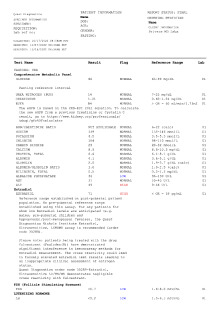
Sample image
For you & your coach Health insights Written in human language, backed by science. Delve into each parameter and get invaluable health insights & personalized recommendations.

SPECIMEN INFO

SPECIMEN:

REQUISITION:

Lab ref no:

PATIENT INFORMATION


Name

AGE:

GENDER:

FASTING:

REPORT STATUS: FINAL

ORDERING PHYSICIAN:


Name

CLIENT INFORMATION

Private MD Labs

Test Name Result Flag Ref. Range Lab
FASTING: YES
VITAMIN B12
Vitamin B12 953 NORMAL 200-1100 pg/mL 01
FOLATE, SERUM
Folate, Serum 16.5 NORMAL ng/mL 01

Reference Range Low: <3.4 Borderline: 3.4-5.4 Normal: >5.4

FIBRINOGEN ACTIVITY, CLAUSS
Fibrinogen Activity, Clauss 227 NORMAL 175-425 mg/dL 01
CORTISOL, TOTAL
Cortisol, Total 13.4 NORMAL mcg/dL 01

Reference Range: For 8 a.m.(7-9 a.m.) Specimen: 4.0-22.0 Reference Range: For 4 p.m.(3-5 p.m.) Specimen: 3.0-17.0 * Please interpret above results accordingly *

DHEA SULFATE
DHEA Sulfate 315 NORMAL 15-205 mcg/dL 01
RHEUMATOID FACTOR
Rheumatoid Factor <10 NORMAL <14 IU/mL 01
URINALYSIS, COMPLETE
Bacteria NONE SEEN NORMAL 01

This urine was analyzed for the presence of WBC, RBC, bacteria, casts, and other formed elements. Only those elements seen were reported.

Squamous Epithelial Cells NONE SEEN NORMAL 01

This urine was analyzed for the presence of WBC, RBC, bacteria, casts, and other formed elements. Only those elements seen were reported.

RBC NONE SEEN NORMAL 01

This urine was analyzed for the presence of WBC, RBC, bacteria, casts, and other formed elements. Only those elements seen were reported.

WBC NONE SEEN NORMAL 01

This urine was analyzed for the presence of WBC, RBC, bacteria, casts, and other formed elements. Only those elements seen were reported.

Leukocyte Esterase NEGATIVE NORMAL 01

This urine was analyzed for the presence of WBC, RBC, bacteria, casts, and other formed elements. Only those elements seen were reported.

Nitrite NEGATIVE NORMAL 01

This urine was analyzed for the presence of WBC, RBC, bacteria, casts, and other formed elements. Only those elements seen were reported.

Occult Blood NEGATIVE NORMAL 01

This urine was analyzed for the presence of WBC, RBC, bacteria, casts, and other formed elements. Only those elements seen were reported.

Ketones NEGATIVE NORMAL 01

This urine was analyzed for the presence of WBC, RBC, bacteria, casts, and other formed elements. Only those elements seen were reported.

Bilirubin NEGATIVE NORMAL 01

This urine was analyzed for the presence of WBC, RBC, bacteria, casts, and other formed elements. Only those elements seen were reported.

Glucose NEGATIVE NORMAL 01

This urine was analyzed for the presence of WBC, RBC, bacteria, casts, and other formed elements. Only those elements seen were reported.

PH 5.5 NORMAL 01

This urine was analyzed for the presence of WBC, RBC, bacteria, casts, and other formed elements. Only those elements seen were reported.

Specific Gravity 1.011 NORMAL 01

This urine was analyzed for the presence of WBC, RBC, bacteria, casts, and other formed elements. Only those elements seen were reported.

Appearance CLEAR NORMAL 01

This urine was analyzed for the presence of WBC, RBC, bacteria, casts, and other formed elements. Only those elements seen were reported.

Color YELLOW NORMAL 01

This urine was analyzed for the presence of WBC, RBC, bacteria, casts, and other formed elements. Only those elements seen were reported.

Protein NEGATIVE NORMAL 01

This urine was analyzed for the presence of WBC, RBC, bacteria, casts, and other formed elements. Only those elements seen were reported.

Hyaline CAST NONE SEEN NORMAL 01

This urine was analyzed for the presence of WBC, RBC, bacteria, casts, and other formed elements. Only those elements seen were reported.

INSULIN
Insulin 2.3 NORMAL uIU/mL 01

Reference Range < or = 18.4 Risk: Optimal < or = 18.4 Moderate NA High >18.4 Adult cardiovascular event risk category cut points (optimal, moderate, high) are based on Insulin Reference Interval studies performed at Quest Diagnostics in 2022.

C-REACTIVE PROTEIN
C-Reactive Protein <3.0 NORMAL <8.0 mg/L 01
PSA, TOTAL
PSA, Total 0.28 NORMAL < OR = 4.00 ng/mL 01

The total PSA value from this assay system is standardized against the WHO standard. The test result will be approximately 20% lower when compared to the equimolar-standardized total PSA (Beckman Coulter). Comparison of serial PSA results should be interpreted with this fact in mind. This test was performed using the Siemens chemiluminescent method. Values obtained from different assay methods cannot be used interchangeably. PSA levels, regardless of value, should not be interpreted as absolute evidence of the presence or absence of disease.

CA 125
CA 125 5 NORMAL <35 U/mL 01

This test was performed using the Siemens Chemiluminescent method. Values obtained from different assay methods cannot be used interchangeably. CA 125 levels, regardless of value, should not be interpreted as absolute evidence of the presence or absence of disease.

THYROGLOBULIN ANTIBODIES
Thyroglobulin Antibodies <1 NORMAL < or = 1 IU/mL 01
PROLACTIN
Prolactin 6.6 NORMAL 2.0-18.0 ng/mL 01
T3, FREE
T3, Free 4.0 NORMAL 2.3-4.2 pg/mL 01
FSH
FSH <0.7 LOW 1.4-12.8 mIU/mL 01
LH
LH 6.6 NORMAL 1.5-9.3 mIU/mL 01
HEMOGLOBIN A1c
Hemoglobin A1C 5.0 NORMAL <5.7 % 01

For the purpose of screening for the presence of diabetes: <5.7% Consistent with the absence of diabetes 5.7-6.4% Consistent with increased risk for diabetes (prediabetes) > or =6.5% Consistent with diabetes This assay result is consistent with a decreased risk of diabetes. Currently, no consensus exists regarding use of hemoglobin A1c for diagnosis of diabetes in children. According to American Diabetes Association (ADA) guidelines, hemoglobin A1c <7.0% represents optimal control in non-pregnant diabetic patients. Different metrics may apply to specific patient populations. Standards of Medical Care in Diabetes(ADA).

GGT
GGT 18 NORMAL 3-95 U/L 01
MAGNESIUM
Magnesium 2.2 NORMAL 1.5-2.5 mg/dL 01
CREATINE KINASE, TOTAL
Creatine Kinase, Total 792 HIGH 20-239 U/L 01
COMPREHENSIVE METABOLIC PANEL
Urea Nitrogen (BUN) 26 HIGH 6-29 U/L 01
Creatinine 1.34 HIGH 6-29 U/L 01
AST 21 NORMAL 6-29 U/L 01
Glucose 87 NORMAL 6-29 U/L 01
EGFR 71 NORMAL 6-29 U/L 01
BUN/Creatinine Ratio 19 NORMAL 6-29 U/L 01
Sodium 139 NORMAL 6-29 U/L 01
Potassium 4.2 NORMAL 6-29 U/L 01
Chloride 105 NORMAL 6-29 U/L 01
Carbon Dioxide 25 NORMAL 6-29 U/L 01
Calcium 9.9 NORMAL 6-29 U/L 01
Protein, Total 7.4 NORMAL 6-29 U/L 01
Albumin 5.0 NORMAL 6-29 U/L 01
Globulin 2.4 NORMAL 6-29 U/L 01
Albumin/Globulin Ratio 2.1 NORMAL 6-29 U/L 01
Bilirubin, Total 0.6 NORMAL 6-29 U/L 01
Alkaline Phosphatase 59 NORMAL 6-29 U/L 01
ALT 29 NORMAL 6-29 U/L 01
LD
LD 134 NORMAL 100-220 U/L 01
TSH
TSH 2.88 NORMAL mIU/L 01

Reference Range > or = 20 Years 0.40-4.50 Pregnancy Ranges First trimester 0.26-2.66 Second trimester 0.55-2.73 Third trimester 0.43-2.91

T4, FREE
T4, Free 1.2 NORMAL 0.8-1.8 ng/dL 01
IRON, TOTAL
Iron, Total 157 NORMAL 45-160 mcg/dL 01
URIC ACID
Uric Acid 3.8 NORMAL 2.5-7.0 mg/dL 01

Therapeutic target for gout patients: <6.0 mg/dL

PHOSPHATE (AS PHOSPHORUS)
Phosphate (AS Phosphorus) 2.6 NORMAL 2.5-4.5 mg/dL 01
CBC (INCLUDES DIFF/PLT)
White Blood Cell Count 6.1 NORMAL 01

Review of peripheral smear confirms automated results.

Red Blood Cell Count 4.41 NORMAL 01

Review of peripheral smear confirms automated results.

Hemoglobin 13.0 NORMAL 01

Review of peripheral smear confirms automated results.

Hematocrit 39.0 NORMAL 01

Review of peripheral smear confirms automated results.

MCV 88.4 NORMAL 01

Review of peripheral smear confirms automated results.

MCH 29.5 NORMAL 01

Review of peripheral smear confirms automated results.

MCHC 33.3 NORMAL 01

Review of peripheral smear confirms automated results.

RDW 12.0 NORMAL 01

Review of peripheral smear confirms automated results.

Platelet Count 295 NORMAL 01

Review of peripheral smear confirms automated results.

MPV 9.4 NORMAL 01

Review of peripheral smear confirms automated results.

Absolute Neutrophils 3520 NORMAL 01

Review of peripheral smear confirms automated results.

Absolute Lymphocytes 2098 NORMAL 01

Review of peripheral smear confirms automated results.

Absolute Monocytes 348 NORMAL 01

Review of peripheral smear confirms automated results.

Absolute Eosinophils 92 NORMAL 01

Review of peripheral smear confirms automated results.

Absolute Basophils 43 NORMAL 01

Review of peripheral smear confirms automated results.

Neutrophils 57.7 NORMAL 01

Review of peripheral smear confirms automated results.

Lymphocytes 34.4 NORMAL 01

Review of peripheral smear confirms automated results.

Monocytes 5.7 NORMAL 01

Review of peripheral smear confirms automated results.

Eosinophils 1.5 NORMAL 01

Review of peripheral smear confirms automated results.

Basophils 0.7 NORMAL 01

Review of peripheral smear confirms automated results.

FERRITIN
Ferritin 363 NORMAL 16-232 ng/mL 01
PROTHROMBIN TIME-INR
PT 11.5 NORMAL 9.0-11.5 sec 01

For additional information, please refer to http://education.questdiagnostics.com/faq/FAQ104 (This link is being provided for informational/ educational purposes only.)

INR 1.1 NORMAL 9.0-11.5 sec 01

For additional information, please refer to http://education.questdiagnostics.com/faq/FAQ104 (This link is being provided for informational/ educational purposes only.)

HEPATIC FUNCTION PANEL
Globulin 2.3 NORMAL 9-46 U/L 01
Protein, Total 7.1 NORMAL 9-46 U/L 01
Albumin 4.8 NORMAL 9-46 U/L 01
Albumin/Globulin Ratio 2.1 NORMAL 9-46 U/L 01
Bilirubin, Total 0.6 NORMAL 9-46 U/L 01
Bilirubin, Direct 0.1 NORMAL 9-46 U/L 01
Bilirubin, Indirect 0.5 NORMAL 9-46 U/L 01
Alkaline Phosphatase 46 NORMAL 9-46 U/L 01
AST 19 NORMAL 9-46 U/L 01
ALT 40 NORMAL 9-46 U/L 01
AMYLASE
Amylase 135 HIGH 21-101 U/L 01
SED RATE BY MODIFIED WESTERGREN
SED Rate By Modified Westergren 9 NORMAL < OR = 20 mm/h 01
T4 (THYROXINE), TOTAL
T4 (Thyroxine), Total 6.5 NORMAL 4.9-10.5 mcg/dL 01
ESTRADIOL
Estradiol 90 HIGH pg/mL 01

Reference Range Female: Follicular Phase: 30-144 Mid-Cycle: 64-357 Luteal Phase: 56-214 Postmenopausal: < or = 31 Reference range established on post-pubertal patient population. No pre-pubertal reference range established using this assay. For any patients for whom low Estradiol levels are anticipated (e.g. males, pre-pubertal children and hypogonadal/post-menopausal females), the Quest Diagnostics Nichols Institute Estradiol, Ultrasensitive, LCMSMS assay is recommended (order code 30289). Please note: patients being treated with the drug fulvestrant (Faslodex(R)) have demonstrated significant interference in immunoassay methods for estradiol measurement. The cross reactivity could lead to falsely elevated estradiol test results leading to an inappropriate clinical assessment of estrogen status. Quest Diagnostics order code 30289-Estradiol, Ultrasensitive LC/MS/MS demonstrates negligible cross reactivity with fulvestrant.

TESTOSTERONE, FREE (DIALYSIS) AND TOTAL (MS)
Testosterone, Total, MS 641 NORMAL 35.0-155.0 pg/mL 01

This test was developed and its analytical performance characteristics have been determined by Quest Diagnostics. It has not been cleared or approved by the FDA. This assay has been validated pursuant to the CLIA regulations and is used for clinical purposes.

Testosterone, Free 84.6 NORMAL 35.0-155.0 pg/mL 01

This test was developed and its analytical performance characteristics have been determined by Quest Diagnostics. It has not been cleared or approved by the FDA. This assay has been validated pursuant to the CLIA regulations and is used for clinical purposes.

SEX HORMONE BINDING GLOBULIN
Sex Hormone Binding Globulin 48 NORMAL 10-50 nmol/L 01
QUESTASSURED(TM) 25 HYDROXYVITAMIN D(D2,D3)
Vitamin D, 25-OH, Total 50 NORMAL ng/mL 01

Reference Range: NOT ESTABLISHED This test was developed and its analytical performance characteristics have been determined by Quest Diagnostics. It has not been cleared or approved by the FDA. This assay has been validated pursuant to the CLIA regulations and is used for clinical purposes. For additional information, please refer to http://education.QuestDiagnostics.com/faq/FAQ199 (This link is being provided for informational/educational purposes only.)

Vitamin D, 25-OH, D3 50 NORMAL ng/mL 01

Reference Range: NOT ESTABLISHED This test was developed and its analytical performance characteristics have been determined by Quest Diagnostics. It has not been cleared or approved by the FDA. This assay has been validated pursuant to the CLIA regulations and is used for clinical purposes. For additional information, please refer to http://education.QuestDiagnostics.com/faq/FAQ199 (This link is being provided for informational/educational purposes only.)

Vitamin D, 25-OH, D2 <4 NORMAL ng/mL 01

Reference Range: NOT ESTABLISHED This test was developed and its analytical performance characteristics have been determined by Quest Diagnostics. It has not been cleared or approved by the FDA. This assay has been validated pursuant to the CLIA regulations and is used for clinical purposes. For additional information, please refer to http://education.QuestDiagnostics.com/faq/FAQ199 (This link is being provided for informational/educational purposes only.)

APOLIPOPROTEIN EVALUATION
Apolipoprotein B 96 HIGH 01

Reference Range <0.77 Risk Category: Optimal <0.77 Moderate 0.77-0.95 High >0.95 Cardiovascular event risk category cut points (optimal, moderate, high) are based on the AMORIS study, (Walldius G, Jungner I. 2004 doi:10.1046/j.1365-2796.2003. 01276.x)

Apolipoprotein A1 155 NORMAL 01

Reference Range <0.77 Risk Category: Optimal <0.77 Moderate 0.77-0.95 High >0.95 Cardiovascular event risk category cut points (optimal, moderate, high) are based on the AMORIS study, (Walldius G, Jungner I. 2004 doi:10.1046/j.1365-2796.2003. 01276.x)

Apolipoprotein B/A1 Ratio 0.62 NORMAL 01

Reference Range <0.77 Risk Category: Optimal <0.77 Moderate 0.77-0.95 High >0.95 Cardiovascular event risk category cut points (optimal, moderate, high) are based on the AMORIS study, (Walldius G, Jungner I. 2004 doi:10.1046/j.1365-2796.2003. 01276.x)

IGF 1, LC/MS
IGF 1, LC/MS 199 NORMAL -2.0 - +2.0 SD 01

This test was developed and its analytical performance characteristics have been determined by Quest Diagnostics. It has not been cleared or approved by the FDA. This assay has been validated pursuant to the CLIA regulations and is used for clinical purposes.

Z Score (Female) 0.0 NORMAL -2.0 - +2.0 SD 01

This test was developed and its analytical performance characteristics have been determined by Quest Diagnostics. It has not been cleared or approved by the FDA. This assay has been validated pursuant to the CLIA regulations and is used for clinical purposes.

LIPID PANEL, STANDARD
HDL Cholesterol 54 NORMAL <130 mg/dL (calc) 01

For patients with diabetes plus 1 major ASCVD risk factor, treating to a non-HDL-C goal of <100 mg/dL (LDL-C of <70 mg/dL) is considered a therapeutic option.

Triglycerides 53 NORMAL <130 mg/dL (calc) 01

For patients with diabetes plus 1 major ASCVD risk factor, treating to a non-HDL-C goal of <100 mg/dL (LDL-C of <70 mg/dL) is considered a therapeutic option.

CHOL/HDLC Ratio 3.0 NORMAL <130 mg/dL (calc) 01

For patients with diabetes plus 1 major ASCVD risk factor, treating to a non-HDL-C goal of <100 mg/dL (LDL-C of <70 mg/dL) is considered a therapeutic option.

Non HDL Cholesterol 106 NORMAL <130 mg/dL (calc) 01

For patients with diabetes plus 1 major ASCVD risk factor, treating to a non-HDL-C goal of <100 mg/dL (LDL-C of <70 mg/dL) is considered a therapeutic option.

Cholesterol, Total 160 NORMAL <130 mg/dL (calc) 01

For patients with diabetes plus 1 major ASCVD risk factor, treating to a non-HDL-C goal of <100 mg/dL (LDL-C of <70 mg/dL) is considered a therapeutic option.

LDL-Cholesterol 92 NORMAL <130 mg/dL (calc) 01

For patients with diabetes plus 1 major ASCVD risk factor, treating to a non-HDL-C goal of <100 mg/dL (LDL-C of <70 mg/dL) is considered a therapeutic option.

PTH, INTACT WITHOUT CALCIUM
Parathyroid Hormone, Intact 93 HIGH 16-77 pg/mL 01

Interpretive Guide Intact PTH Calcium ------------------ ---------- ------- Normal Parathyroid Normal Normal Hypoparathyroidism Low or Low Normal Low Hyperparathyroidism Primary Normal or High High Secondary High Normal or Low Tertiary High High Non-Parathyroid Hypercalcemia Low or Low Normal High

Sample image
for you & your doc Classic lab report A familiar and comprehensive lab report. Share it with your healthcare provider for a complete overview of your checkup results.

Your results, decoded

Discover the potential health issues linked to each test, giving you a clearer picture of what’s happening inside.

TEST
RELATED HEALTH ISSUE
Alanine Aminotransferase (ALT)

(Comprehensive Metabolic Profile (includes eGFR))

Marked ALT elevation (often >10,000 U/L) developing 24-72 hours post-ingestion indicates severe hepatotoxicity from toxic metabolite accumulation. ALT is essential for diagnosing toxicity, assessing severity, predicting outcomes, guiding N-acetylcysteine therapy, and determining transplant need. Peak ALT correlates with extent of hepatic necrosis.

Markedly elevated ALT (often >1000-10,000 U/L) indicates massive hepatocyte necrosis in conditions like acetaminophen toxicity, acute viral hepatitis, or ischemic hepatitis. ALT helps identify the acuity of injury, differentiate causes, predict outcomes, and guide urgent management including transplant evaluation.

ALT is a highly sensitive marker for hepatocellular injury. In acute viral hepatitis, ALT levels typically rise dramatically (often 10-100 times the upper limit of normal), reflecting direct viral-induced hepatocyte damage. ALT elevation often precedes jaundice and is used for diagnosis, monitoring disease progression, and assessing recovery.

ALT elevation reflects alcohol-induced hepatocyte damage, though characteristically AST>ALT (ratio >2) due to pyridoxal phosphate depletion. ALT helps diagnose alcoholic hepatitis, monitor abstinence compliance, assess disease severity, and differentiate from other liver diseases. Levels correlate with ongoing alcohol consumption and hepatic inflammation.

Chronic ALT elevation reflects hepatocellular injury from abnormal protein accumulation in hepatocytes. Used for monitoring liver involvement in this genetic disorder, detecting progression to cirrhosis, assessing severity of hepatic manifestations, and guiding surveillance for complications.

Many antibiotics (amoxicillin-clavulanate, nitrofurantoin, fluoroquinolones, macrolides) cause ALT elevation through various hepatotoxicity mechanisms. ALT monitoring detects drug-induced liver injury, guides antibiotic discontinuation decisions, and monitors recovery after cessation.

Antiepileptics (valproate, phenytoin, carbamazepine) can cause significant ALT elevation through idiosyncratic or dose-dependent hepatotoxicity. ALT monitoring is critical in epilepsy management, especially in children, to detect hepatotoxicity early and prevent fatal liver injury.

Persistent ALT elevation (typically 5-10 times normal) reflects immune-mediated hepatocyte destruction. ALT is essential for diagnosis (part of diagnostic criteria), monitoring disease activity, assessing treatment response to immunosuppression, detecting flares, and guiding medication adjustments. Degree of elevation correlates with histologic activity.

ALT elevation (moderate to marked) reflects hepatocyte necrosis from hepatic venous outflow obstruction and ischemic injury. ALT aids in diagnosis of acute presentations, monitors thrombosis treatment, assesses hepatic decompensation, and helps differentiate from other causes of acute liver injury.

Many chemotherapeutic agents cause ALT elevation through direct hepatotoxicity, steatosis, or vascular injury. ALT monitoring during cancer treatment guides dose modifications, detects sinusoidal obstruction syndrome, assesses safety for continued therapy, and monitors resolution post-treatment.

Persistent ALT elevation (usually 2-10 times normal) indicates ongoing hepatocellular inflammation and necrosis. ALT is used to monitor disease activity, guide treatment decisions, assess treatment response to antiviral therapy, and determine progression to cirrhosis. Fluctuating ALT levels are characteristic of chronic hepatitis.

ALT may be variably elevated, normal, or even low in cirrhosis depending on remaining functional hepatocyte mass. Used to monitor ongoing inflammation, detect acute decompensation events, assess superimposed injuries (like viral reactivation), and provide prognostic information. Declining ALT with worsening liver function suggests diminishing hepatocyte reserve.

ALT elevation in CF patients indicates liver involvement from biliary cirrhosis, steatosis, or medication effects. ALT screening detects early liver disease, monitors progression, guides ursodeoxycholic acid therapy, and identifies patients needing transplant evaluation.

ALT elevation indicates CMV hepatitis, particularly in immunocompromised patients. Used to diagnose hepatic CMV involvement, differentiate from other opportunistic infections, monitor antiviral treatment response, and assess disease severity in transplant recipients and HIV patients.

ALT is the most sensitive marker for drug-induced hepatocellular injury. Elevations >3-5 times normal indicate significant hepatotoxicity. Critical for diagnosing DILI, determining causality (using temporal relationships), guiding medication discontinuation decisions, and monitoring recovery. Hepatocellular pattern shows ALT elevation disproportionate to alkaline phosphatase.

Mild-to-moderate ALT elevation (2-5 times normal) occurs in 80-90% of EBV infections due to viral hepatitis component. ALT aids diagnosis, monitors disease course, identifies severe hepatic involvement, and helps exclude concurrent hepatobiliary complications in symptomatic patients.

ALT elevation in neonates with galactosemia indicates acute hepatotoxicity from galactose-1-phosphate accumulation. ALT is critical for early diagnosis in newborn screening follow-up, monitoring galactose-restricted diet compliance, and assessing long-term hepatic outcomes.

Mild-to-moderate ALT elevation reflects hepatic glucocerebroside accumulation and hepatomegaly. ALT monitors hepatic disease burden, assesses enzyme replacement therapy efficacy, and helps evaluate overall treatment response in this treatable lysosomal storage disease.

Progressive ALT elevation reflects hepatocyte damage from abnormal glycogen accumulation leading to cirrhosis in childhood. ALT monitors disease progression, assesses liver transplant timing, and indicates severity of hepatic involvement in this rare genetic disorder.

Chronic ALT elevation occurs in hepatic glycogen storage diseases (especially Type I, III, IV) due to hepatocyte damage from glycogen accumulation. ALT monitors hepatic involvement, assesses disease control with dietary management, detects adenoma development, and evaluates progression to cirrhosis.

ALT elevation in post-transplant patients indicates hepatic GVHD from immune-mediated bile duct and hepatocyte injury. ALT is critical for GVHD diagnosis and staging, differentiating from other post-transplant complications (infection, drug toxicity), and monitoring immunosuppressive treatment response.

Marked ALT elevation occurs in severe heat stroke from direct thermal hepatocyte injury and hypoperfusion. ALT assesses multiorgan damage severity, predicts outcomes, monitors recovery, and indicates need for intensive management in exertional and classic heat stroke.

ALT elevation (typically 2-3 times normal) reflects iron-induced hepatocyte damage and oxidative stress. Used for screening family members, monitoring hepatic iron burden, assessing efficacy of phlebotomy therapy, and detecting progression to cirrhosis. ALT may normalize with successful iron depletion therapy.

ALT elevation from herbal supplements (green tea extract, kava, various traditional medicines) and dietary supplements (bodybuilding products, weight loss supplements) is increasingly recognized. ALT helps diagnose supplement-induced liver injury, often the only objective finding in this underreported condition.

ALT elevation occurs with fructose ingestion due to aldolase B deficiency causing hepatotoxicity. ALT helps diagnose this condition in infants/children with hepatomegaly, monitors dietary compliance with fructose restriction, and assesses hepatic recovery.

Chronic vitamin A excess causes ALT elevation from hepatotoxicity and stellate cell activation leading to fibrosis. ALT helps diagnose vitamin A toxicity, monitors patients on retinoid therapy (isotretinoin, acitretin), and assesses hepatic damage severity.

Dramatic ALT elevation (often >1000 U/L) occurs within hours of hypoperfusion/hypoxic injury to the liver. ALT rapidly rises then falls, reflecting acute hepatocyte necrosis from ischemia. Used to diagnose ischemic hepatitis in critically ill patients, differentiate from other causes of acute liver injury, and monitor resolution with hemodynamic stabilization.

ALT elevation is an early sensitive marker of acute cellular rejection or chronic rejection in liver transplant recipients. ALT monitoring post-transplant detects rejection episodes, guides biopsy decisions, assesses immunosuppression adequacy, and monitors treatment response to anti-rejection therapy.

ALT elevation indicates methotrexate-induced hepatocellular injury, common with chronic use in rheumatologic conditions and psoriasis. Regular ALT monitoring is mandatory during methotrexate therapy to detect hepatotoxicity early, guide dose modifications, and prevent progression to fibrosis or cirrhosis.

ALT elevation reflects hepatocyte dysfunction from impaired mitochondrial energy production affecting liver particularly in pediatric presentations. ALT helps diagnose mitochondrial hepatopathy, monitors disease progression, and guides supportive management decisions.

ALT elevation occurs from sphingomyelin accumulation in hepatocytes in this lysosomal storage disorder. ALT monitors hepatic involvement severity, assesses disease progression, and evaluates emerging enzyme replacement therapies in eligible subtypes.

ALT is the primary screening biomarker for NAFLD, often elevated 2-5 times normal. It reflects hepatocyte damage from steatosis and lipotoxicity. ALT is more sensitive than AST in NAFLD (ALT>AST ratio typically >1), used for screening, monitoring disease progression, and assessing response to lifestyle interventions.

ALT elevation indicates inflammatory hepatocellular injury in NASH, the progressive form of NAFLD. Levels typically range from 2-5 times normal, though normal ALT doesn't exclude NASH. Used to identify patients needing further evaluation, monitor disease activity, and assess treatment response to emerging pharmacotherapies.

ALT elevation in preeclampsia indicates hepatocellular injury from endothelial dysfunction, microvascular thrombosis, and ischemia. ALT severity assessment guides management intensity, delivery timing decisions, and helps diagnose progression to HELLP syndrome. Critical for maternal risk stratification.

Significant ALT elevation indicates hepatocellular injury in serious pregnancy complications. In HELLP syndrome, ALT >2 times normal aids diagnosis and severity assessment. In acute fatty liver of pregnancy, marked ALT elevation signals life-threatening condition requiring urgent delivery. Critical for maternal-fetal monitoring.

Marked ALT elevation occurs with mitochondrial dysfunction and hepatic steatosis in this pediatric condition following viral illness and aspirin use. ALT is critical for early diagnosis, assessing severity, monitoring progression, and differentiating from other causes of acute liver failure in children.

ALT elevation occurs with hepatic sinusoidal endothelial injury from chemotherapy or BMT conditioning regimens. ALT helps diagnose this serious complication, assess severity, guide supportive management, and monitor response to defibrotide therapy.

Mild ALT elevation (typically <3 times normal) can occur with statin therapy, though severe hepatotoxicity is rare. ALT monitoring guides statin safety, determines need for dose adjustment or discontinuation, and differentiates drug effect from underlying liver disease progression.

ALT elevation occurs with hepatotoxicity from oral anabolic steroids and supraphysiologic testosterone, particularly 17-alpha-alkylated compounds. ALT monitoring is essential during testosterone therapy, detects steroid abuse in athletes, and guides medication modifications.

ALT elevation occurs with TPN-related hepatic steatosis and cholestasis, particularly with prolonged use. ALT monitors hepatic complications of TPN, guides nutritional modifications, assesses need for cycling TPN, and predicts progression to TPN-associated liver failure.

Marked ALT elevation occurs from fumarylacetoacetate-induced hepatocyte damage in this metabolic disorder. ALT monitors hepatic injury severity, assesses nitisinone therapy response, guides liver transplant timing, and detects hepatocellular carcinoma development risk.

ALT elevation indicates copper-induced hepatocellular injury, ranging from mild chronic elevation to massive elevation in acute presentations. Critical for diagnosis (especially with low AST:ALT ratio and disproportionate bilirubin), monitoring chelation therapy effectiveness, detecting hepatic decompensation, and assessing disease progression in this genetic copper storage disorder.

ALT elevation indicates hepatic dysfunction from absent peroxisomes and accumulation of toxic metabolites. ALT helps diagnose peroxisomal disorders in neonates with hepatomegaly, monitors supportive care, and assesses multiorgan involvement severity.

Chronic CHF causes hypoalbuminemia through hepatic congestion impairing synthesis, intestinal edema reducing absorption, and cardiac cachexia. Low albumin (<3.5 g/dL) is an independent predictor of mortality and readmission in heart failure patients.

Acute critical illness universally decreases albumin through inflammatory cytokine suppression of synthesis, increased vascular permeability, and hypercatabolism. Albumin is a negative acute phase reactant and prognostic marker in ICU patients.

High levels of albumin in urine, a condition called albuminuria or proteinuria, may indicate kidney disease.

Kwashiorkor is protein malnutrition with characteristic severe hypoalbuminemia (<2.5 g/dL) causing edema, ascites, and fatty liver. Albumin is diagnostic and distinguishes kwashiorkor from marasmus (calorie deficiency with preserved albumin).

Low albumin levels can indicate liver damage, as the liver is responsible for producing albumin.

Low albumin levels can be a sign of malnutrition, as albumin levels may decrease when dietary protein intake is insufficient.

Low serum albumin (<3.0 g/dL) is a defining diagnostic criterion of nephrotic syndrome, resulting from massive proteinuria (>3.5g/day) and urinary albumin loss exceeding hepatic synthesis capacity. Hypoalbuminemia directly causes edema and ascites characteristic of this condition.

Intestinal albumin loss from diseases like inflammatory bowel disease, celiac disease, or intestinal lymphangiectasia causes hypoalbuminemia despite normal hepatic synthesis. Diagnosis confirmed by elevated fecal alpha-1 antitrypsin with low serum albumin.

Sepsis causes hypoalbuminemia through capillary leak syndrome, increased catabolism, reduced hepatic synthesis from acute phase response, and hemodilution. Albumin <2.5 g/dL correlates with disease severity and mortality in septic patients.

Mechanical obstruction of bile flow causes marked ALP elevation as back-pressure induces enzyme synthesis in biliary epithelium and hepatocytes. ALP is more sensitive than bilirubin for detecting partial obstruction.

ALP rises 2-4 weeks after fracture, peaking at 4-6 weeks, reflecting increased osteoblastic activity during callus formation and bone remodeling. Used to monitor healing progress.

Elevated bone-specific ALP indicates osteoblastic response to metastatic cancer in bone (especially prostate, breast, lung). Reflects increased bone turnover and new bone formation at metastatic sites.

Marked ALP elevation is characteristic due to biliary obstruction and cholestasis from bile duct malignancy. Often the earliest and most prominent liver enzyme abnormality.

ALP rises significantly with bile duct obstruction from stones, often 3-10 times normal. The elevation reflects biliary epithelial damage and increased enzyme synthesis in response to obstruction.

ALP elevation is a hallmark of cholestasis due to increased synthesis and release from bile duct epithelium. Distinguishes cholestatic from hepatocellular injury patterns when ALP rises disproportionately to ALT/AST.

Elevated ALP (often bone-specific) indicates renal osteodystrophy and altered bone turnover from secondary hyperparathyroidism. Used to assess bone disease severity and guide treatment in CKD stages 3-5.

Various medications (anabolic steroids, chlorpromazine, erythromycin, phenytoin) can cause cholestatic liver injury with predominant ALP elevation. Pattern distinguishes cholestatic from hepatocellular drug toxicity.

ALP may be elevated due to cholestatic effects from tumor infiltration, biliary obstruction, or direct production by tumor cells. Elevation often indicates larger tumors or metastatic disease.

Elevated bone-specific ALP due to excessive PTH-stimulated osteoblastic activity and increased bone turnover. Reflects the skeletal effects of PTH excess and correlates with bone involvement severity.

Characterized by LOW or absent ALP due to loss-of-function mutations in the ALPL gene encoding tissue-nonspecific alkaline phosphatase. Low ALP is diagnostic when combined with elevated substrates (phosphoethanolamine, pyridoxal-5-phosphate).

Elevated ALP reflects increased osteoblastic activity in response to defective bone mineralization in adults. The elevation correlates with disease severity and normalizes with vitamin D replacement.

Bone-specific ALP is markedly elevated (often 10-25 times normal) due to increased osteoblastic activity in affected bones. ALP level correlates with disease extent and activity and is used to monitor treatment response.

ALP is markedly elevated in PBC due to cholestatic injury and bile duct destruction. It is a key diagnostic marker and correlates with disease severity and progression. Typically elevated 2-4 times normal with predominant ALP elevation over transaminases.

Marked ALP elevation reflects increased osteoblastic activity in bone-forming tumors. Particularly elevated in osteosarcoma where malignant osteoblasts produce large amounts of ALP.

ALP is significantly elevated due to chronic cholestatic liver disease with bile duct inflammation and fibrosis. It is a primary diagnostic indicator and used for disease monitoring, typically showing persistent elevation even with treatment.

ALP is elevated due to increased osteoblastic activity attempting to mineralize defective osteoid. Reflects impaired bone mineralization from vitamin D deficiency or metabolic bone disease in children.

Moderately elevated ALP due to secondary hyperparathyroidism and compensatory increased osteoblastic activity. The bone tries to compensate for impaired mineralization, leading to increased ALP production.

Elevated ALT levels can indicate liver damage, as ALT is an enzyme found primarily in the liver.

Massive AST elevation (often >1000 U/L, sometimes >10,000) occurs 24-72 hours post-ingestion from centrilobular hepatic necrosis. AST levels guide N-acetylcysteine therapy and liver transplant evaluation.

AST is markedly elevated in AFLP from microvesicular fatty infiltration causing hepatic dysfunction. Rapid AST rise in third trimester with coagulopathy suggests this life-threatening condition requiring immediate delivery.

AST rises 6-8 hours post-MI, peaks at 24-48 hours, and normalizes in 4-6 days. While cardiac troponins are now preferred, AST remains a marker of myocardial tissue necrosis, released from damaged cardiomyocytes.

AST is markedly elevated (often >1000 U/L) in acute viral hepatitis due to hepatocellular necrosis and enzyme release from damaged liver cells. AST/ALT ratio is typically <1 in acute viral hepatitis.

AST is preferentially elevated over ALT in alcoholic liver disease, with AST/ALT ratio typically >2. Chronic alcohol consumption causes mitochondrial damage and AST release, and pyridoxal-5-phosphate (B6) deficiency impairs ALT synthesis.

AST elevation reflects ongoing hepatocellular injury in chronic HBV infection. Serial AST monitoring assesses disease activity, guides antiviral therapy decisions, and evaluates treatment response and viral suppression.

AST is chronically elevated in HCV infection due to persistent hepatocellular damage. AST/ALT ratio and absolute values help stage fibrosis (APRI score) and monitor response to direct-acting antiviral therapy.

AST is chronically elevated in cirrhosis due to ongoing hepatocellular damage. AST/ALT ratio >1 (often >2) suggests advanced fibrosis or cirrhosis. Degree of elevation helps monitor disease progression and complications.

AST is elevated due to skeletal muscle inflammation and necrosis. Monitoring AST helps assess disease activity, treatment response, and distinguish muscle involvement from liver complications.

AST is significantly elevated (often >150 U/L) in HELLP syndrome due to hepatocellular necrosis and microangiopathic injury. AST >70 U/L is part of diagnostic criteria along with hemolysis and thrombocytopenia.

AST elevation reflects hepatic iron overload causing oxidative damage and hepatocellular injury. Persistent AST elevation in context of high ferritin and transferrin saturation suggests hemochromatosis-related liver damage.

AST is elevated in hepatocellular carcinoma due to tumor-related liver damage, underlying cirrhosis, and direct enzyme production by tumor cells. Used for surveillance in at-risk populations and monitoring treatment response.

Persistent AST elevation without apparent cause may represent macro-AST (AST bound to immunoglobulins). Benign condition causing analytical interference; identified by polyethylene glycol precipitation or gel filtration.

Chronic AST elevation reflects ongoing skeletal muscle fiber degeneration and necrosis. AST correlates with disease progression and muscle damage severity. CK is typically more dramatically elevated than AST.

AST elevation indicates inflammatory muscle damage in this autoimmune condition. AST levels correlate with disease activity, muscle weakness severity, and response to immunosuppressive treatment.

AST is markedly elevated from skeletal muscle breakdown releasing intracellular enzymes. AST elevation is disproportionate to ALT (muscle contains AST but minimal ALT). Associated with elevated CK, myoglobin, and creatinine.

AST elevation reflects statin-induced muscle damage ranging from mild myalgia to severe rhabdomyolysis. AST monitoring (with CK) guides dose adjustment or drug discontinuation decisions.

AST elevation reflects hepatocellular necrosis from toxin exposure (industrial chemicals, herbal supplements, mushroom poisoning). Degree and pattern of elevation help identify etiology and assess severity.

AST is markedly elevated with extensive muscle trauma from direct tissue injury and rhabdomyolysis component. Elevation severity correlates with injury extent and helps assess compartment syndrome risk.

Massive hepatocellular necrosis from acetaminophen overdose causes markedly elevated total bilirubin. Rising bilirubin indicates fulminant hepatic failure and poor prognosis.

Cryptosporidium, CMV, or microsporidia causing AIDS-related sclerosing cholangitis with elevated total bilirubin. Indicates advanced immunosuppression.

Genetic syndrome with bile duct paucity causes chronic cholestasis with elevated conjugated bilirubin. Total bilirubin monitoring assesses liver disease progression.

Amatoxins cause severe hepatotoxicity with rapidly rising total bilirubin. Hyperbilirubinemia indicates acute liver failure requiring urgent transplant evaluation.

Common antibiotic causing cholestatic or mixed liver injury with elevated total bilirubin. Can present weeks after drug discontinuation.

Tumor at ampulla of Vater causes biliary obstruction with conjugated hyperbilirubinemia. Total bilirubin elevation is often the presenting sign.

Androgenic steroids cause cholestatic liver injury with elevated conjugated bilirubin. Total bilirubin elevation indicates significant hepatotoxicity.

Gallstones in common bile duct cause mechanical obstruction with elevated conjugated bilirubin. Total bilirubin elevation confirms cholestasis and helps assess severity.

Severe hepatotoxin causing centrilobular necrosis with markedly elevated total bilirubin. Indicates acute liver injury requiring urgent management.

Congenital intrahepatic bile duct dilation predisposes to cholangitis and strictures with elevated total bilirubin. Indicates complications or disease progression.

Classic cholestatic drug reaction with elevated total bilirubin. Bilirubin monitoring essential during chlorpromazine therapy.

Bacterial infection of obstructed biliary system causes elevated conjugated bilirubin. Total bilirubin is part of Charcot's triad diagnostic criteria and severity assessment.

Congenital bile duct dilation can cause cholestasis with elevated total bilirubin. Pre-operative bilirubin assesses severity; post-op monitors surgical success.

Macrolide antibiotic causing cholestatic hepatitis with elevated conjugated bilirubin. Classic drug-induced liver injury pattern.

Oral contraceptives or hormone replacement can cause cholestasis in susceptible individuals with elevated total bilirubin. Resolves with discontinuation.

Oxidative stress triggers acute hemolysis in affected individuals, causing sudden unconjugated hyperbilirubinemia. Total bilirubin elevation during hemolytic crisis aids diagnosis.

Post-transplant GVHD targeting bile ducts causes cholestasis with elevated total bilirubin. Key diagnostic marker for hepatic GVHD requiring immunosuppression adjustment.

Rh or ABO incompatibility causes rapid RBC destruction with severe unconjugated hyperbilirubinemia. Total bilirubin monitoring is critical for exchange transfusion decisions.

Microangiopathic hemolysis causes unconjugated hyperbilirubinemia in HUS. Total bilirubin helps confirm hemolysis and monitor disease activity.

Various herbal products can cause idiosyncratic hepatotoxicity with elevated total bilirubin. Critical for diagnosing supplement-induced liver injury.

IgG4-related disease causing bile duct strictures with elevated conjugated bilirubin. Important to differentiate from PSC and cholangiocarcinoma.

Pregnancy-induced cholestasis with elevated bile acids and often mildly elevated total bilirubin. Bilirubin helps assess severity and guide delivery timing.

TB medication causing hepatocellular injury with elevated total bilirubin. High bilirubin with transaminase elevation requires drug discontinuation.

Antifungal agent causing hepatocellular injury with elevated total bilirubin. Requires baseline and periodic monitoring.

Severe leptospirosis causes hepatorenal syndrome with marked hyperbilirubinemia. Total bilirubin elevation is a hallmark of severe disease.

Parasitic infection causes hemolysis and hepatic dysfunction, elevating total bilirubin. Severe elevation indicates complicated malaria with poor prognosis.

Gallstone impaction causing external bile duct compression elevates conjugated bilirubin. Total bilirubin helps differentiate from simple cholecystitis.

Chronic urinary antibiotic use can cause autoimmune-like hepatitis with elevated total bilirubin. Both acute and chronic patterns described.

Pancreatic head tumors compress the common bile duct causing painless jaundice with elevated total bilirubin. Progressive elevation is a red flag for malignant obstruction.

Complement-mediated intravascular hemolysis causes elevated unconjugated bilirubin. Total bilirubin monitoring helps assess disease activity and hemolytic episodes.

Antipsychotic medications can cause cholestatic hepatotoxicity with conjugated hyperbilirubinemia. Total bilirubin elevation indicates drug-induced liver injury.

Following portoenterostomy, total bilirubin monitors surgical success. Declining bilirubin indicates bile drainage; persistent elevation suggests transplant need.

Premature infants have immature bilirubin metabolism with higher risk of severe hyperbilirubinemia. Lower phototherapy thresholds due to increased kernicterus risk.

Genetic defects in bile transport cause severe cholestasis with markedly elevated total bilirubin in infants and children. Essential for diagnosis and transplant evaluation.

Benign hereditary condition causing conjugated hyperbilirubinemia similar to Dubin-Johnson but with different pathophysiology. Total bilirubin elevation is the primary diagnostic finding.

Severe infection causes cholestasis, hepatocellular dysfunction, and sometimes hemolysis, elevating total bilirubin. Rising bilirubin indicates multi-organ dysfunction and poor prognosis.

Chronic hemolysis from abnormal hemoglobin causes persistently elevated unconjugated bilirubin. Baseline elevated total bilirubin with acute increases during vaso-occlusive or hemolytic crises.

Ineffective erythropoiesis and chronic hemolysis cause elevated unconjugated bilirubin. Total bilirubin helps monitor hemolysis and identify complications like gallstones.

Microangiopathic hemolysis in TTP causes elevated unconjugated bilirubin. Total bilirubin is part of diagnostic workup and severity assessment.

Long-term TPN, especially in infants, causes cholestasis with elevated conjugated bilirubin. Major complication requiring lipid modification.

Acute or delayed hemolytic transfusion reactions cause rapid RBC destruction with elevated unconjugated bilirubin. Total bilirubin rise helps diagnose hemolytic reactions.

Antibiotic combination can cause cholestatic or mixed liver injury with elevated total bilirubin. Usually occurs within weeks of starting therapy.

Anticonvulsant causing hepatocellular injury, especially in children, with elevated total bilirubin. Requires monitoring during therapy.

Post-transplant or chemotherapy complication causing hepatic sinusoidal obstruction with elevated total bilirubin. Hyperbilirubinemia is a diagnostic criterion and severity marker.

Viral hemorrhagic fever causing hepatocellular necrosis with jaundice and elevated total bilirubin. Bilirubin elevation indicates toxic phase and severe disease.

Peroxisomal disorder causing neonatal cholestasis with conjugated hyperbilirubinemia. Total bilirubin elevation in newborn with dysmorphic features suggests diagnosis.

Elevated BUN is a direct indicator of acute kidney injury. When kidneys fail to filter properly, urea accumulates in the blood. BUN rises rapidly in AKI and is a primary diagnostic marker, often used with creatinine to assess severity and guide treatment.

Ischemic or toxic injury to renal tubules causes acute kidney injury with BUN elevation. BUN rises as tubular cells cannot reabsorb filtrate or maintain excretory function. The BUN/creatinine ratio is typically lower (<15:1) than in prerenal states.

BUN is a fundamental marker for monitoring CKD progression. As glomerular filtration rate declines, BUN progressively increases. It's used to stage disease severity, assess progression, and determine need for dialysis or transplantation.

Volume depletion concentrates blood urea, elevating BUN. The BUN/creatinine ratio typically exceeds 20:1. BUN is highly sensitive to hydration status and is used to assess dehydration severity and monitor rehydration therapy.

Severely elevated BUN (often >100 mg/dL) indicates ESRD when kidneys have lost >90% of function. BUN levels guide dialysis initiation, monitor adequacy of dialysis treatment, and assess uremic toxicity risk.

Inflammatory kidney disease damages glomeruli, impairing filtration and causing BUN elevation. BUN monitoring tracks disease activity, treatment response, and progression to chronic kidney disease in various glomerulonephritides.

Urinary tract obstruction from stones, tumors, or prostatic hypertrophy causes BUN elevation due to impaired urine flow. BUN increases as back-pressure prevents normal urea excretion, and resolves with obstruction relief.

Elevated BUN with disproportionately higher BUN/creatinine ratio (>20:1) indicates prerenal causes like dehydration, heart failure, or hypovolemia. BUN rises more than creatinine because decreased renal perfusion increases urea reabsorption in proximal tubules.

Severely elevated BUN (typically >80-100 mg/dL) causes uremic syndrome with nausea, confusion, pericarditis, and bleeding. BUN directly correlates with uremic toxin accumulation and guides urgent dialysis decisions.

A high BUN/Creatinine ratio can indicate conditions such as kidney disease or dehydration, as both BUN and creatinine are waste products filtered by the kidneys.

Hypercalcemia is a condition where there is too much calcium in the blood, often due to overactive parathyroid glands, certain cancers, or excessive intake of vitamin D.

Hypocalcemia refers to low levels of calcium in the blood, potentially due to vitamin D deficiency, kidney disease or low parathyroid hormone levels.

Excessive calcium and absorbable alkali intake causes hypercalcemia, metabolic alkalosis, and renal insufficiency. Elevated serum calcium is diagnostic.

Plasma cell proliferation causes osteolytic bone lesions and release of osteoclast-activating factors, resulting in hypercalcemia in 20-30% of patients. Serum calcium is part of diagnostic criteria and prognostic assessment.

Granulomatous tissue produces excess 1,25-dihydroxyvitamin D, increasing intestinal calcium absorption and causing hypercalcemia in 10-20% of patients. Calcium monitoring is essential.

Excessive vitamin D intake increases intestinal calcium absorption and bone resorption, causing hypercalcemia. Serum calcium is essential for diagnosis and monitoring.

Low levels of carbon dioxide in the blood can indicate a metabolic disorder, such as metabolic acidosis, where the body produces too much acid or doesn't get rid of enough acid.

High levels of carbon dioxide in the blood can indicate a respiratory disease, such as COPD or asthma, as these conditions can prevent the effective expulsion of carbon dioxide from the body.

This carbonic anhydrase inhibitor causes metabolic acidosis with low CO2 by blocking renal bicarbonate reabsorption. Used therapeutically for altitude sickness, glaucoma, and alkalosis. CO2 monitoring ensures appropriate dosing.

Severely impaired ventilation causes acute CO2 retention (hypercapnia) with elevated serum CO2. Urgent measurement helps diagnose respiratory failure, determine need for mechanical ventilation, and monitor treatment.

Aldosterone deficiency impairs renal acid excretion and potassium elimination, causing hyperkalemic metabolic acidosis with low CO2. CO2 is a key diagnostic finding in adrenal crisis.

Severe asthma initially causes hyperventilation with low CO2, but rising CO2 in acute asthma indicates respiratory muscle fatigue and impending respiratory failure requiring immediate intervention.

Failing kidneys lose ability to excrete acid and regenerate bicarbonate, leading to low CO2 levels and metabolic acidosis. CO2 is a critical biomarker for monitoring acid-base status in CKD stages 3-5.

COPD patients develop CO2 retention due to impaired gas exchange and ventilation. Chronically elevated CO2 indicates disease severity, progression, and need for intervention. Used for monitoring acute exacerbations and respiratory failure.

Loss of gastric acid (HCl) causes contraction alkalosis with elevated CO2 levels. Prolonged vomiting from any cause (pyloric stenosis, gastroparesis, bulimia) results in metabolic alkalosis directly detected by high CO2.

DKA produces ketoacids that consume bicarbonate, causing severely low CO2 levels (often <10 mEq/L). CO2 measurement is essential for diagnosis, severity assessment, and monitoring treatment response in this life-threatening condition.

Bicarbonate-rich intestinal fluid loss from diarrhea causes hyperchloremic metabolic acidosis with low CO2. CO2 measurement helps assess severity of dehydration and guide rehydration therapy.

Loop and thiazide diuretics cause volume contraction and potassium loss, leading to metabolic alkalosis with elevated CO2. CO2 monitoring is essential for detecting and managing diuretic-induced alkalosis.

Accumulation of lactic acid consumes bicarbonate buffer, resulting in low CO2 levels. Seen in shock, sepsis, tissue hypoxia, and metformin toxicity. CO2 helps assess severity and guide resuscitation.

Low CO2/bicarbonate (<22 mEq/L) directly indicates metabolic acidosis. CO2 represents bicarbonate levels in blood, which decrease as the body attempts to buffer excess acid. This is a primary diagnostic indicator requiring immediate clinical attention.

Elevated CO2/bicarbonate (>29 mEq/L) directly indicates metabolic alkalosis. Increased bicarbonate levels occur with excess base or loss of acid from the body. CO2 measurement is essential for direct diagnosis and severity assessment.

RTA types I, II, and IV involve defective renal acid-base handling, causing low CO2/bicarbonate despite normal GFR. CO2 measurement is essential for diagnosis and differentiating RTA types, along with urine pH and anion gap.

Elevated CO2 with low blood pH indicates respiratory acidosis due to inadequate ventilation and CO2 retention. The kidneys compensate by retaining bicarbonate, which is reflected in elevated serum CO2 levels.

Low CO2 with elevated blood pH indicates respiratory alkalosis from hyperventilation and excessive CO2 elimination. Kidneys compensate by excreting bicarbonate, resulting in decreased serum CO2 levels.

Aspirin overdose causes mixed acid-base disorder: initial respiratory alkalosis (low CO2 from hyperventilation) followed by metabolic acidosis (low CO2 from salicylic acid accumulation). CO2 pattern helps diagnose and monitor toxicity.

Acute hyperchloremic metabolic acidosis develops in adrenal crisis due to sudden aldosterone deficiency causing impaired renal chloride excretion. Chloride elevation with hyponatremia and hyperkalemia suggests adrenal emergency.

Hypochloremia with metabolic alkalosis is characteristic of Bartter syndrome due to defective chloride reabsorption in the thick ascending limb of the loop of Henle. Urinary chloride is elevated despite low serum levels, making chloride measurement diagnostic.

Falsely elevated chloride (pseudohyperchloremia) occurs with bromide poisoning as older laboratory methods cannot distinguish bromide from chloride ions. This creates a characteristic pattern of elevated chloride with normal or low anion gap.

Hyperchloremia occurs due to excessive water loss in both central and nephrogenic diabetes insipidus. The inability to concentrate urine leads to dehydration and hemoconcentration of electrolytes including chloride, making it a key diagnostic marker.

Hyperchloremic metabolic acidosis results from intestinal bicarbonate loss in diarrhea, with compensatory chloride retention to maintain electroneutrality. Severe diarrhea can also cause hypochloremia from total chloride depletion. Chloride helps assess severity and guide rehydration.

Loop and thiazide diuretics cause hypochloremia through increased urinary chloride excretion, often accompanied by metabolic alkalosis. Chloride monitoring is essential for detecting and managing diuretic-induced electrolyte imbalances.

Hyperchloremia results from excessive dietary sodium chloride consumption or iatrogenic salt administration. Chloride measurement directly reflects chloride loading and helps identify salt excess.

Hypochloremia with hypokalemic metabolic alkalosis results from defective thiazide-sensitive sodium-chloride cotransporter in the distal convoluted tubule. Chloride measurement is essential for diagnosing this genetic tubulopathy.

Severe hypochloremic metabolic alkalosis develops from persistent vomiting in pregnancy with gastric acid loss. Chloride measurement is essential for assessing severity and guiding fluid and electrolyte replacement.

Hyperchloremic metabolic acidosis with hyperkalemia characterizes hypoaldosteronism. Reduced aldosterone impairs distal tubule chloride excretion and hydrogen ion secretion, making chloride measurement essential for diagnosis.

Low chloride levels can be a sign of chronic kidney disease, as the kidneys play a role in maintaining chloride balance in the body.

Hyperchloremic metabolic acidosis is a predictable effect of acetazolamide and other carbonic anhydrase inhibitors due to increased renal bicarbonate excretion and chloride retention. Chloride measurement monitors this drug effect.

Iatrogenic hyperchloremia develops from administration of normal saline or other chloride-rich solutions, causing dilutional hyperchloremic acidosis. Chloride monitoring guides fluid selection and detects over-resuscitation.

Hypochloremic metabolic alkalosis develops from loss of gastric hydrochloric acid. This is a classic cause of contraction alkalosis with volume depletion. Chloride measurement is essential for diagnosis and monitoring replacement therapy.

Severe hypochloremia with hypokalemic metabolic alkalosis results from persistent vomiting and gastric fluid loss rich in hydrochloric acid. Chloride measurement is essential for diagnosing and managing the electrolyte derangements in this surgical emergency.

Hypochloremia results from hemodilution in SIADH due to excessive water retention. Chloride decreases proportionally with sodium as free water accumulates, making it essential for diagnosing and monitoring this hyponatremic condition.

Hyperchloremic metabolic acidosis develops when urine contacts colonic mucosa, allowing chloride reabsorption and bicarbonate secretion. Chloride measurement monitors this predictable metabolic complication.

Progressive kidney damage from diabetes manifests as rising creatinine levels. Regular creatinine monitoring in diabetic patients is essential for early detection of diabetic kidney disease and determining when to intensify treatment.

Chronic hypertension damages kidney vasculature and nephrons, leading to gradual creatinine elevation. Creatinine monitoring helps assess the extent of hypertensive kidney damage and guides blood pressure management.

Inflammation of kidney interstitium (often drug-induced) impairs renal function and increases creatinine. Creatinine elevation helps identify kidney involvement and monitor response to discontinuation of offending agents.

Systemic lupus erythematosus can cause immune-mediated kidney damage with rising creatinine. Creatinine elevation indicates active kidney involvement requiring aggressive immunosuppressive therapy.

Nephrotoxic drugs (NSAIDs, aminoglycosides, contrast agents, chemotherapy) can elevate creatinine. Monitoring creatinine during treatment with these agents allows early detection of kidney injury and dose adjustment or drug discontinuation.

Urinary tract obstruction (stones, tumors, prostatic hypertrophy) causes back-pressure on kidneys, elevating creatinine. Creatinine monitoring helps assess severity of obstruction and kidney recovery post-relief.

eGFR decline detects kidney damage from nephrotoxic medications (NSAIDs, aminoglycosides, chemotherapy, contrast agents). Essential for medication safety monitoring and dose adjustments.

Decreased eGFR indicates glomerular damage from various inflammatory conditions (IgA nephropathy, FSGS, membranous nephropathy, lupus nephritis, etc.). Monitors disease progression and treatment response.

Declining eGFR tracks progressive loss of kidney function as cysts enlarge and replace functional tissue. Critical for monitoring disease progression and timing interventions.

Reduced renal perfusion from arterial narrowing causes decreased eGFR. May show asymmetric decline with ACE inhibitors. Helps identify renovascular hypertension.

Bilateral obstruction or unilateral obstruction in solitary kidney causes eGFR decline due to hydronephrosis. Monitors severity and resolution post-intervention.

High levels of globulin can indicate certain infections, autoimmune diseases, and blood disorders, as globulin proteins are part of the body's immune response.

High levels of glucose can indicate diabetes, a chronic condition where the body's ability to process sugar is impaired.

Extreme hyperglycemia (typically >600 mg/dL) without significant ketoacidosis characterizes HHS. Glucose measurement is critical for diagnosis and monitoring of this severe diabetic emergency with high mortality.

Pancreatic insulin-secreting tumor causes inappropriate hypoglycemia with elevated insulin levels. Supervised fasting with serial glucose measurements (Whipple's triad) is the primary diagnostic approach showing glucose <55 mg/dL with symptoms.

Elevated fasting glucose (≥100 mg/dL) is one of five criteria for metabolic syndrome diagnosis. Identifies individuals at high risk for cardiovascular disease and type 2 diabetes requiring comprehensive risk factor management.

Both hypokalemia and hyperkalemia directly cause cardiac conduction abnormalities and arrhythmias. Potassium levels are essential for diagnosing electrolyte-induced arrhythmias and preventing sudden cardiac death.

21-hydroxylase deficiency causes aldosterone deficiency with salt-wasting, hyperkalemia, and hyponatremia in newborns. Electrolyte pattern prompts diagnosis and confirms salt-wasting form.

Rare genetic disorder causing increased sodium reabsorption and potassium retention with hypertension and hyperchloremic acidosis. Hyperkalemia with hypertension in young patients suggests this diagnosis.

Generalized proximal tubule dysfunction causes urinary potassium wasting with hypokalemia, along with phosphate, glucose, and amino acid losses. Hypokalemia is key feature requiring treatment.

Genetic disorder with increased distal tubule sodium reabsorption causing hyperkalemia, hyperchloremic acidosis, and hypertension. Thiazide-responsive. Electrolyte pattern is diagnostic.

Hyperkalemia is a condition characterized by high levels of potassium in the blood, often due to kidney disease, hormone deficiencies or medications.

Low renin and aldosterone, common in diabetic nephropathy and chronic kidney disease, causes hyperkalemia. Often mild but important cause of persistent hyperkalemia in diabetes.

Hypokalemia refers to low levels of potassium in the blood, which can be caused by excessive loss due to diarrhea, vomiting, or certain medications.

Genetic gain-of-function mutation in ENaC channels causes excessive sodium reabsorption and potassium excretion, leading to hypokalemia with hypertension and low aldosterone. Electrolytes suggest diagnosis.

Deoxycorticosterone-producing tumors, 11-beta-hydroxylase deficiency, or 17-alpha-hydroxylase deficiency cause hypertension with hypokalemia from excess mineralocorticoid activity.

Genetic channelopathies causing episodic paralysis with abnormal potassium shifts. Potassium levels during attacks confirm diagnosis - low in hypokalemic form, elevated in hyperkalemic form.

Excess aldosterone causes increased renal potassium excretion leading to hypokalemia with metabolic alkalosis. Hypokalemia in context of hypertension is a key diagnostic feature prompting aldosterone workup.

Genetic disorder causing renal resistance to aldosterone, resulting in hyperkalemia despite elevated aldosterone levels. Potassium elevation in infancy/childhood prompts genetic testing.

Massive cell breakdown after chemotherapy releases intracellular potassium causing severe hyperkalemia. Potassium monitoring is essential for diagnosis and prevention in high-risk cancer patients.

Hyponatremia results from aldosterone deficiency causing renal sodium loss and cortisol deficiency impairing water excretion. Sodium is a key diagnostic marker in primary adrenal insufficiency.

Hyponatremia occurring after neurological injury or surgery with high urinary sodium excretion. Sodium monitoring is critical for differentiating from SIADH and guiding treatment.

Hypernatremia is a condition where there is too much sodium in the body, typically due to dehydration or certain diseases, such as diabetes insipidus.

Hyponatremia is a condition where there is not enough sodium in the body, often due to certain medications, kidney or heart problems, or dehydration.

Hyponatremia from excessive water intake diluting serum sodium. Commonly seen in psychogenic polydipsia, excessive IV fluid administration, or post-surgical states.

Low serum sodium (<135 mEq/L) with low serum osmolality and inappropriately concentrated urine is diagnostic of SIADH. Sodium monitoring is essential for diagnosis and management.

Extensive burns cause massive protein loss through exudative wounds and increased capillary permeability, resulting in significantly decreased total protein levels.

Prolonged inflammatory states increase acute phase proteins and immunoglobulins, elevating total protein. This reflects the inflammatory cascade and immune system activation.

Low total protein often reflects decreased albumin production or increased loss. Total protein is a screening test for albumin disorders, as albumin comprises 50-60% of total protein.

Hemodilution from excessive fluid administration or retention decreases total protein concentration due to increased plasma volume without proportional protein increase.

Increased production of multiple immunoglobulin types from various B-cell clones elevates total protein. Seen in chronic infections, autoimmune diseases, and chronic liver disease.

This lymphoplasmacytic lymphoma produces excessive IgM monoclonal protein, resulting in markedly elevated total protein levels. Total protein elevation is often the first laboratory abnormality detected.
Albumin

(Liver Function Profile)

Excessive levels of albumin may indicate a kidney disorder, as the kidneys should filter out albumin.

Low levels of albumin can indicate liver disease as albumin is made by the liver.

A low ratio may be indicative of kidney disease as the kidneys can't filter proteins properly, leading to proteinuria.

High levels of alkaline phosphatase can also indicate a bone disease, as this enzyme is present in bones and the liver.

High levels of ALT can indicate acute or chronic hepatitis, as ALT is an enzyme found in high amounts in liver cells.

Excessive ALT levels can indicate liver injury or inflammation, as ALT is released into the bloodstream when liver cells are damaged.

High levels of AST can also indicate a heart attack, as AST is also found in heart cells and is released into the bloodstream when they are damaged.

Raised direct bilirubin can also suggest hemolytic anemia, where red blood cells are destroyed faster than they can be made.

Abnormally high levels of indirect bilirubin can indicate Gilbert's syndrome, a benign inherited liver condition.

Excessive total bilirubin can suggest gallstones or other blockages in the bile ducts.

High levels of total bilirubin can cause jaundice, resulting in a yellowing of the skin and eyes.

High levels of globulin proteins may suggest an autoimmune disease, as these proteins are part of the immune system's response.

Low total protein levels can indicate malnutrition, as the body is not getting or absorbing enough nutrients.
Igf 1, Lc/Ms

(Insulin-Like Growth Factor I (IGF-I, LC/MS))

High levels of IGF-1 can indicate Acromegaly, a condition usually caused by a pituitary gland tumor leading to excessive growth hormone production. Symptoms include enlarged hands, feet, and facial features.

Lower levels of IGF-1 can indicate Growth Hormone Deficiency. This condition can cause impaired growth and development in children, and in adults, it can lead to decreased bone density and muscle strength.

IGF-1 is produced in the liver, so low levels of this biomarker can be an indication of liver disease or liver damage.

Low levels of IGF-1 can also be an indication of malnutrition, as proper nutrition is needed for the body to produce IGF-1.

Low IGF-1 levels reflect the metabolic adaptation to starvation in anorexia nervosa. Used to assess disease severity, nutritional status, and monitor recovery during refeeding programs.

Elevated IGF-1 in children and adolescents with open growth plates indicates excessive GH secretion causing gigantism. IGF-1 is essential for diagnosis and monitoring treatment response in pediatric patients with pathological tall stature.

Low IGF-1 levels are a key diagnostic indicator of GH deficiency in both children and adults. IGF-1 reflects integrated GH secretion over 24 hours and is used to diagnose GHD, monitor replacement therapy efficacy, and adjust dosing.

Low IGF-1 levels indicate pituitary insufficiency affecting the GH axis. Used to assess the extent of pituitary dysfunction and guide hormone replacement therapy in patients with pituitary disease or damage.

Extremely rare genetic deletions of the IGF-1 gene cause severe growth failure, developmental delay, and deafness with very low or undetectable IGF-1 despite elevated GH.

Genetic deficiency of ALS, which forms the ternary complex with IGF-1 and IGFBP-3, causes mild short stature with low IGF-1 despite normal GH secretion.

Genetic mutations affecting the IGF-1 receptor cause growth failure despite normal or elevated IGF-1 levels. IGF-1 measurement helps identify this rare cause of growth hormone resistance.

Very low or undetectable IGF-1 despite elevated GH levels characterizes this genetic disorder involving GH receptor mutations. IGF-1 measurement is diagnostic and distinguishes this from primary GHD.

IGF-1 levels decrease significantly in malnutrition and are more sensitive than albumin for detecting nutritional deficiency. Used to assess nutritional status, monitor refeeding, and evaluate response to nutritional interventions.

Elevated IGF-1 indicates GH-secreting pituitary adenomas (somatotropinomas). Used for initial detection, surgical cure assessment, and long-term surveillance for tumor recurrence or persistence.

This rare genetic condition causes extremely high total IGF-1 with low free/bioavailable IGF-1, resulting in growth failure. Presents with paradoxically elevated IGF-1 measurements.

Low IGF-1 helps differentiate GH deficiency from constitutional growth delay and other causes of short stature. Essential for evaluating growth disorders and determining candidacy for GH therapy.

This rare genetic disorder impairs GH signaling, causing severe growth failure with high GH and very low IGF-1. IGF-1 measurement is diagnostic for this form of GH insensitivity.

Negative Z scores in females could indicate delayed puberty, as IGF-1 levels typically increase during puberty.

Positive Z scores in females could indicate precocious puberty, which is early onset of puberty.

Negative Z scores in males could indicate delayed puberty, as IGF-1 levels typically increase during puberty.

Positive Z scores in males could indicate precocious puberty, which is early onset of puberty.
Amylase

(Amylase, Serum)

Amylase levels often rise 4 to 6 hours after onset of acute pancreatitis and remain elevated for several days. High levels of amylase in the blood can be an indication of this condition.

This is a rare genetic disorder where the body cannot produce enough amylase. It can lead to problems with digestion and nutrient absorption.

In chronic pancreatitis, amylase levels may be slightly elevated or within normal range. This is due to the fact that pancreatic cells that produce amylase are being destroyed over time.

An ectopic pregnancy can cause abdominal inflammation, which may be associated with an increase in amylase levels.

Amylase levels can increase in gallbladder attacks due to blockage of the pancreatic duct.

In kidney disease, the clearance of amylase from the blood may be reduced, leading to elevated amylase levels.

This is a rare condition where amylase binds to other proteins, slowing its clearance from the blood and resulting in persistently elevated amylase levels.

Mumps, a viral infection, can cause inflammation of the salivary glands (parotitis), which can lead to increased amylase levels in the blood.

Amylase levels can be elevated in cases of pancreatic cancer, though it is not a definitive diagnostic marker as many patients with pancreatic cancer do not have elevated amylase levels.

Peptic ulcers can lead to perforation and leakage of pancreatic juice, which contains amylase, into the abdominal cavity, leading to elevated amylase levels in the blood.

IgG4-related (type 1) and idiopathic (type 2) autoimmune pancreatitis cause chronic inflammation with variable amylase elevation. May show modest increases or normal levels despite active disease.

Genetic mutations (PRSS1, SPINK1, CFTR) cause recurrent acute pancreatitis from childhood with amylase elevations during acute episodes. Important for family screening and genetic counseling.

This congenital anatomical variant causes incomplete fusion of pancreatic ducts, potentially leading to recurrent pancreatitis with episodic amylase elevations due to inadequate drainage.

Pancreatic adenocarcinoma can cause duct obstruction leading to elevated amylase, though levels are often normal or only mildly elevated. Not a sensitive marker but can provide supporting evidence.

Obstruction from stones, strictures, or tumors causes backup of pancreatic secretions and increased absorption of amylase into the blood, resulting in elevated serum levels.

Persistent elevation of serum amylase may indicate pancreatic pseudocyst formation following acute pancreatitis. The cyst can cause ongoing enzyme leakage into the circulation.

Blunt or penetrating trauma to the pancreas causes cellular disruption and release of amylase into the bloodstream, with elevated levels helping to diagnose pancreatic injury.

Salivary glands produce S-type amylase. Inflammation, infection (including mumps), stones, or tumors of salivary glands cause elevated serum amylase, sometimes requiring isoenzyme differentiation from pancreatic source.

Benign or malignant salivary gland tumors can cause duct obstruction or direct enzyme production, leading to elevated salivary-type amylase in serum.

Bacterial or viral inflammation of salivary glands causes cellular damage and release of salivary amylase into circulation, elevating total serum amylase levels.

Functional obstruction at the ampulla causes intermittent pancreatic duct obstruction and enzyme reflux, leading to recurrent pancreatitis with transient amylase elevations.
Thyroglobulin Antibodies

(Thyroglobulin Antibody (TAA))

TgAb are frequently elevated in atrophic thyroiditis, an end-stage manifestation of autoimmune thyroid disease where the thyroid gland atrophies due to chronic autoimmune attack. These antibodies indicate ongoing autoimmune destruction.

This is a condition involving dysfunction in multiple endocrine glands. High levels of thyroglobulin antibodies can be present, indicating an autoimmune response.

Graves' disease is another autoimmune disorder affecting the thyroid gland. High levels of thyroglobulin antibodies can be found in this condition.

This is an autoimmune disorder where the immune system attacks the thyroid gland. High levels of thyroglobulin antibodies indicate the presence of this autoimmune response.

Idiopathic hypothyroidism is a condition where the thyroid gland does not produce enough thyroid hormones. Thyroglobulin antibodies can be elevated in this condition, indicating an autoimmune response.

This is an inflammation of the thyroid occurring after childbirth. Increased levels of thyroglobulin antibodies are often found in this condition.

Presence of TgAb in patients with subclinical hypothyroidism (elevated TSH, normal free T4) indicates autoimmune etiology and predicts 4-5 fold increased risk of progression to overt hypothyroidism. Guides treatment decisions and monitoring frequency.

Thyroglobulin antibodies can be present in thyroid cancer. However, the presence of these antibodies alone is not diagnostic of thyroid cancer.
CA-125

(CA-125 (Ovarian Cancer Test))

In some cases, breast cancer can also lead to elevated CA-125 levels. It is important to consider multiple diagnostic factors, as CA-125 is not a specific biomarker.

Cirrhosis is a late stage of scarring (fibrosis) of the liver caused by many forms of liver diseases and conditions, like hepatitis and chronic alcoholism. It can also lead to elevated CA-125 levels.

Endometriosis can sometimes cause an elevated CA-125 level. This condition involves the growth of tissue similar to the lining of the uterus in other parts of the body.

Liver Cirrhosis, a chronic liver disease, can also lead to elevated levels of CA-125. The biomarker is not specific to ovarian cancer and can increase due to other conditions affecting the liver.

Chronic liver diseases like cirrhosis and hepatitis can also result in elevated CA-125 levels.

Rarely, lung cancer can also cause elevated levels of CA-125. This biomarker is not specific to ovarian cancer and can increase due to other malignancies.

Certain lung diseases, such as tuberculosis and pleural effusions (excess fluid between the tissues that line the lungs and the chest), can cause elevated CA-125 levels.

High levels of CA-125 are often found in the blood of patients with ovarian cancer. However, it should be noted that the CA-125 test is not definitive for diagnosing ovarian cancer, as elevated levels can also be seen in other conditions.

Pancreatitis, inflammation of the pancreas, can cause CA-125 levels to rise.

Pelvic Inflammatory Disease (PID) is an infection of the female reproductive organs that can also result in high levels of CA-125.

Pericardial effusion, which is excess fluid between the heart and the sac surrounding the heart, can also result in elevated CA-125 levels.

Peritonitis is an inflammation of the peritoneum, the thin tissue that lines the inner wall of the abdomen and covers most of the abdominal organs. It can also cause an increase in CA-125 levels.

Pleural Effusions, the accumulation of excess fluid between the layers of the pleura outside the lungs, can also result in increased CA-125 levels.

Pregnancy, particularly in the first trimester, can cause a rise in CA-125 levels.

Uterine fibroids, which are benign growths in the uterus, can also lead to high levels of CA-125.
Sex Hormone Binding Globulin

(Sex Hormone Binding Globulin, SHBG)

Eating disorders can lead to malnutrition, which can affect SHBG levels. Both anorexia nervosa and bulimia have been associated with higher levels of SHBG.

Abnormal levels of SHBG may be associated with an increased risk of hormone-sensitive cancers such as breast and prostate cancer.

Hyperthyroidism is a condition where the thyroid gland produces too much thyroid hormone. This can increase the levels of SHBG in the body.

Hypothyroidism is a condition where the thyroid gland doesn't produce enough thyroid hormone, which can decrease the levels of SHBG in the body.

Liver disease can affect the production of SHBG, leading to abnormal levels. Chronic liver disease is often associated with higher levels of SHBG.

Obesity can lower SHBG levels, which can lead to an excess of free hormones in the body.

Women with PCOS often have lower levels of SHBG, which can lead to an excess of free testosterone in the body and can cause the symptoms associated with this condition.

Low levels of SHBG have been linked with an increased risk of developing type 2 diabetes.

Elevated growth hormone and IGF-1 in acromegaly stimulate hepatic SHBG production, resulting in elevated levels. SHBG can serve as an additional marker for disease activity and treatment monitoring.

Low SHBG amplifies the effect of circulating androgens by increasing free hormone concentrations. Essential for evaluating congenital adrenal hyperplasia, androgen-secreting tumors, and idiopathic hyperandrogenism.

Elevated SHBG occurs in anorexia nervosa due to low insulin levels, reduced hepatic fat, and hormonal adaptations to starvation. Correlates with nutritional status and recovery monitoring.

SHBG levels reflect hepatic synthetic function. Moderate cirrhosis may show elevated SHBG due to reduced clearance, while advanced disease shows decreased production. Changes correlate with liver function severity.

Low SHBG increases free testosterone levels, directly causing hirsutism, acne, and androgenic alopecia. SHBG measurement is crucial for evaluating hyperandrogenic states and calculating free androgen index.

Insulin directly suppresses hepatic SHBG production. Low SHBG is one of the most sensitive biomarkers for insulin resistance, often decreasing before glucose abnormalities appear. Used for early metabolic risk assessment.

SHBG measurement is essential for calculating bioavailable and free testosterone in diagnosing male hypogonadism. High SHBG can mask true testosterone deficiency; low SHBG can indicate metabolic causes of hypogonadism.

Low SHBG is an independent biomarker for metabolic syndrome, strongly associated with central obesity, insulin resistance, dyslipidemia, and hypertension. SHBG levels inversely correlate with visceral adiposity and metabolic dysfunction.

Low SHBG is strongly associated with NAFLD and non-alcoholic steatohepatitis (NASH). Hepatic fat accumulation and inflammation suppress SHBG synthesis. SHBG serves as a biomarker for hepatic steatosis severity and fibrosis risk.

Low SHBG in children with premature adrenarche increases free androgen levels, contributing to early development of pubic hair and body odor. Used to assess metabolic risk and distinguish from other causes of early puberty.

Low SHBG is both a predictive marker and diagnostic indicator for type 2 diabetes. Insulin resistance suppresses hepatic SHBG production. Low SHBG predicts diabetes development years before onset and correlates with glycemic control.
Carbon Dioxide

(Electrolyte Panel)

Metabolic acidosis is a condition characterized by excess acid in the body due to decreased bicarbonate or increased acid production. A low blood carbon dioxide level may indicate metabolic acidosis.

Metabolic alkalosis is a condition characterized by excess base in the body due to increased bicarbonate or decreased acid. A high blood carbon dioxide level may indicate metabolic alkalosis.

Hyperchloremia is an abnormally high level of chloride in the blood. It can be caused by dehydration, kidney disease, or high levels of blood sodium.

Hypochloremia is an abnormally low level of chloride in the blood. It can be caused by excessive loss of body fluids, certain kidney diseases, or prolonged vomiting or diarrhea.

Hyperkalemia is an abnormally high level of potassium in the blood. This could be due to kidney dysfunction, certain medications, or a diet high in potassium.

Hypokalemia is an abnormally low level of potassium in the blood. It can be caused by excessive loss of potassium, such as from prolonged vomiting, diarrhea, or the use of diuretic drugs.

Hypernatremia is an abnormally high level of sodium in the blood. It can be caused by dehydration, kidney disease, or excessive sodium intake.

Hyponatremia is an abnormally low level of sodium in the blood. It can be caused by excessive fluid intake, certain medications, heart failure, or kidney disease.
Free Triiodothyronine (FT3)

(Tri-iodothyronine Free (FT3))

Pituitary or hypothalamic dysfunction results in low FT3 and FT4 with inappropriately normal or low TSH. FT3 measurement is essential for diagnosing hypothyroidism of central origin when TSH is unreliable.

Newborns with thyroid dysgenesis or dyshormonogenesis have low FT3 levels. Early FT3 measurement (along with TSH and FT4) helps confirm diagnosis and guide urgent replacement therapy to prevent developmental delays.

Graves' disease, an autoimmune hyperthyroid condition, causes elevated FT3 levels due to TSH receptor-stimulating antibodies that increase thyroid hormone synthesis and secretion. FT3 is used for diagnosis and monitoring treatment response.

This autoimmune thyroid destruction leads to progressive hypothyroidism with decreased FT3 levels. FT3 monitoring helps assess disease progression and treatment adequacy, particularly in later stages when hormone production is impaired.

Elevated FT3 is a direct diagnostic marker of hyperthyroidism. FT3 is often the first thyroid hormone to become elevated and may be the only abnormal value in T3-thyrotoxicosis. It directly reflects excessive thyroid hormone production or release.

Low FT3 levels indicate hypothyroidism, though FT4 typically decreases first. FT3 measurement helps assess the severity of thyroid hormone deficiency and adequacy of thyroid replacement therapy, particularly in cases of poor T4 to T3 conversion.

Excessive iodine intake in susceptible individuals triggers hyperthyroidism with elevated FT3. This biomarker confirms thyroid hormone excess following iodine exposure (contrast media, amiodarone, supplements).

Acute or chronic systemic illness causes decreased FT3 due to reduced peripheral conversion of T4 to T3. Low FT3 with normal or low TSH in critically ill patients helps identify this adaptive response to severe illness.

FT3 (and FT4) may be at the upper end of normal or slightly elevated with suppressed TSH. FT3 measurement is crucial as it may be the only elevated hormone in early or mild cases, helping determine need for treatment.

While TSH is elevated, FT3 and FT4 remain normal in subclinical hypothyroidism. Monitoring FT3 helps detect progression to overt hypothyroidism and guides treatment decisions.

This condition is characterized by elevated FT3 with normal FT4 levels. FT3 is the only thyroid hormone elevated, making it essential for diagnosis. This pattern can occur in early Graves' disease, toxic nodular disease, or iodine deficiency.

Genetic mutations in thyroid hormone receptors cause elevated FT3 and FT4 with normal or elevated TSH. FT3 is crucial for diagnosing this rare condition where tissues are resistant to thyroid hormone effects.

Inflammatory destruction of thyroid follicles causes biphasic FT3 changes: initial elevation from hormone release (thyrotoxic phase) followed by decreased levels (hypothyroid phase). FT3 monitoring helps track disease phases and guide management.

Life-threatening thyrotoxicosis presents with severely elevated FT3 levels. FT3 measurement confirms the biochemical basis of this medical emergency and helps guide aggressive treatment.

A single autonomously functioning thyroid nodule produces excess thyroid hormones, resulting in elevated FT3. This marker helps confirm the diagnosis and assess disease severity.

Autonomous thyroid nodules produce excess thyroid hormones, leading to elevated FT3. This biomarker is essential for diagnosing and assessing the severity of thyroid hormone excess in this condition.

This rare pituitary tumor causes elevated FT3, FT4, and TSH simultaneously. FT3 elevation with inappropriately normal or high TSH distinguishes this from primary hyperthyroidism where TSH is suppressed.

Genetic deficiency of the enzyme converting T4 to T3 results in low FT3 with elevated or normal FT4. FT3 measurement is essential for diagnosing this rare disorder of thyroid hormone metabolism.

Deficiency in tissue-specific T4 to T3 conversion can result in low-normal FT3 with symptoms of hypothyroidism despite normal FT4. FT3 helps identify patients who may benefit from combination T4/T3 therapy.

Excessive inactivation of thyroid hormones by type 3 deiodinase (seen in large hemangiomas or certain tumors) causes low FT3 and FT4. FT3 measurement helps diagnose this rare cause of acquired hypothyroidism.

The pituitary gland controls the production of thyroid hormones through the production of Thyroid Stimulating Hormone (TSH). If the pituitary gland is not functioning properly, it may cause an overproduction or underproduction of thyroid hormones, leading to high or low levels of free T3.

Although it's less common, certain types of thyroid cancer might cause an overproduction of T3, leading to high levels of free T3. However, thyroid cancer often does not cause symptoms in its early stages.

Thyroiditis is an inflammation of the thyroid gland. In some types of thyroiditis, such as Hashimoto's thyroiditis, the immune system damages the thyroid, reducing its ability to produce hormones, leading to hypothyroidism and low levels of free T3. In other types of thyroiditis, thyroid hormone may be released into the blood stream, resulting in temporary hyperthyroidism and high levels of free T3.
Parathyroid Hormone, Intact

(Parathyroid Hormone (PTH), Intact)

This is a hereditary form of hyperparathyroidism. Individuals with this condition have one or more enlarged parathyroid glands that produce too much PTH, leading to high calcium levels.

This condition is characterized by underproduction of PTH, often due to damage to the parathyroid glands during neck surgery. Low PTH levels can lead to low calcium levels and high phosphate levels in the blood, causing a variety of symptoms like muscle cramps, fatigue, and tingling in the lips, fingers, and toes.

Some types of cancer can cause a condition known as 'malignancy-associated hypercalcemia', in which high calcium levels are present. Some tumors can produce substances similar to PTH, leading to an increase in the hormone and subsequently, calcium levels.

This condition is characterized by an overproduction of parathyroid hormone (PTH). High levels of PTH can lead to high levels of calcium in the blood, which can cause a variety of symptoms ranging from kidney stones to fatigue and depression.

This is a rare condition where the body is resistant to the effects of PTH. Despite PTH levels being high, the kidneys and bones do not respond to it as they should, leading to low blood calcium and high blood phosphate levels.

This condition is common in individuals with chronic kidney disease. The kidneys are unable to maintain the balance of calcium and phosphate, leading to abnormal bone growth. The body may produce more PTH to compensate, leading to high levels.

This condition occurs when the body produces too much PTH in response to low calcium levels, often due to conditions like vitamin D deficiency or chronic kidney disease. The elevated PTH levels may lead to bone disease and other symptoms.

This is a rare condition that occurs when hyperparathyroidism becomes long-term (chronic) and causes a parathyroid gland to become overly large and produce too much PTH. This results in high calcium levels.

Autosomal dominant hypocalcemia with hypercalciuria due to overly sensitive calcium-sensing receptor. PTH is low or inappropriately normal despite hypocalcemia, mimicking hypoparathyroidism.

Autoimmune destruction of parathyroid glands causing low PTH and hypocalcemia. May occur in autoimmune polyendocrine syndrome (APS). Anti-parathyroid antibodies with low PTH establish diagnosis.

PTH is essential for monitoring CKD-mineral bone disorder (CKD-MBD). Decreased renal phosphate excretion and reduced 1,25-dihydroxyvitamin D production lead to compensatory PTH elevation, making PTH a key marker for CKD progression and bone disease management.

Congenital absence or hypoplasia of parathyroid glands leading to hypoparathyroidism with low PTH and neonatal hypocalcemia. PTH measurement confirms parathyroid insufficiency.

Mild hypercalcemia with inappropriately normal or mildly elevated PTH, low urinary calcium excretion, and calcium-sensing receptor mutations. PTH measurement helps distinguish FHH from primary hyperparathyroidism.

Genetic syndrome with GATA3 mutations causing hypoparathyroidism. Low PTH with hypocalcemia plus deafness and renal abnormalities suggests this diagnosis.

PTH differentiates PTH-mediated (elevated PTH) from non-PTH-mediated hypercalcemia (suppressed PTH). Critical for determining etiology including malignancy, granulomatous disease, or medication effects.

PTH measurement distinguishes PTH-deficient hypocalcemia (low PTH) from PTH-resistant or secondary causes (elevated PTH). Essential for diagnostic workup of low serum calcium.

Cause familial hypocalciuric hypercalcemia with inappropriately normal or elevated PTH. Distinguishing from primary hyperparathyroidism requires genetic testing and urinary calcium/creatinine ratio.

Rare genetic disorder with activating PTH receptor mutations causing hypercalcemia with short stature. PTH levels are typically low due to negative feedback, distinguishing from true hyperparathyroidism.

Genetic disorder causing hypoparathyroidism with skeletal abnormalities. Low PTH with hypocalcemia in context of characteristic skeletal findings suggests diagnosis.

Genetic syndrome with parathyroid adenomas/hyperplasia causing primary hyperparathyroidism. Elevated PTH is often the first biochemical manifestation. PTH screening is recommended in MEN1 families.

Can include parathyroid hyperplasia causing primary hyperparathyroidism with elevated PTH, though less common than in MEN1. PTH monitoring is part of surveillance protocols.

Benign parathyroid tumor causing autonomous PTH secretion, leading to primary hyperparathyroidism. Elevated intact PTH is the hallmark biochemical finding.

Rare malignant parathyroid tumor causing severe hyperparathyroidism with markedly elevated PTH levels (often >5-10 times upper limit of normal) and severe hypercalcemia.

Iatrogenic hypoparathyroidism following thyroid or parathyroid surgery with inadvertent parathyroid gland removal or devascularization. Low/undetectable PTH with hypocalcemia confirms diagnosis.

Low or inappropriately normal PTH with hypocalcemia directly diagnoses hypoparathyroidism, caused by parathyroid gland destruction, surgical removal, autoimmune disease, or genetic disorders. PTH is the definitive diagnostic marker.

Vitamin D deficiency causes reduced intestinal calcium absorption, leading to compensatory PTH elevation (secondary hyperparathyroidism). PTH elevation is a sensitive indicator of functional vitamin D insufficiency.
Testosterone, Free

(Testosterone, Free and Total, LC/MS/MS)

This condition affects sexual development before birth and during puberty. People with this condition are genetically male but have a resistance to the biological effects of male hormones. High levels of free testosterone can indicate this condition.

Markedly elevated free testosterone in women directly indicates possible androgen-producing tumors. Levels significantly above normal ranges warrant imaging and further investigation for ovarian or adrenal neoplasms producing excess androgens.

Cushing's Syndrome is a condition that occurs from exposure to high cortisol levels for a long time. Low levels of free testosterone can be associated with this condition.

Free testosterone is the primary biomarker for evaluating hirsutism in women as it represents the biologically active androgen responsible for excess hair growth. It is more sensitive than total testosterone for detecting hyperandrogenism causing hirsutism.

This is a rare condition where the pituitary gland, which is at the base of the brain, doesn't produce enough of certain hormones. Low free testosterone levels can be indicative of this condition.

This congenital hypogonadotropic hypogonadism presents with low free testosterone due to GnRH deficiency. Free testosterone measurement is primary for diagnosis and monitoring testosterone replacement therapy in these patients.

This is a genetic condition in males where they have an extra X chromosome, leading to less testosterone production. Low levels of free testosterone can be indicative of this condition.

Free testosterone directly affects spermatogenesis and is essential in the diagnostic workup of male infertility. Low free testosterone impairs sperm production and maturation, making it a primary biomarker for evaluating reproductive dysfunction.

Elevated free testosterone in prepubertal children indicates precocious puberty. The measurement directly identifies early androgenization and helps determine if it is central (gonadotropin-dependent) or peripheral (gonadotropin-independent).

Elevated free testosterone directly causes and diagnoses virilization symptoms in women including deepening voice, clitoromegaly, male-pattern baldness, and increased muscle mass. It is the primary biomarker for assessing the degree of androgenic excess.

Exogenous androgens suppress endogenous testosterone production via negative feedback. Paradoxically low testosterone post-cycle indicates HPG axis suppression. Monitoring assists in recovery assessment.

Ovarian or adrenal tumors producing excess androgens show markedly elevated total testosterone (>200 ng/dL in women). Rapid onset virilization with very high levels suggests malignancy requiring urgent evaluation.

Age-related decline in testosterone production in men, typically after age 40. Total testosterone <300 ng/dL with symptoms of fatigue, decreased libido, and mood changes confirms diagnosis and guides treatment decisions.

21-hydroxylase deficiency causes accumulation of androgen precursors, elevating total testosterone. Critical for diagnosis in newborns and nonclassic CAH in adults presenting with hyperandrogenism.

Absence of pubertal development by age 14 in boys with prepubertal testosterone levels (<30 ng/dL) confirms delayed puberty. Distinguishes constitutional delay from pathological hypogonadism.

Total testosterone is the primary diagnostic biomarker for male hypogonadism. Low levels (<300 ng/dL) indicate inadequate testicular function (primary) or hypothalamic-pituitary dysfunction (secondary). Used for diagnosis, monitoring replacement therapy, and determining severity.

Pituitary tumors suppress gonadotropin secretion leading to secondary hypogonadism. Low total testosterone with pituitary imaging findings confirms pituitary etiology. Monitors response to treatment.

Elevated total testosterone in women (>50-60 ng/dL) is a key diagnostic criterion for PCOS. Hyperandrogenism manifesting as hirsutism, acne, and anovulation. Part of Rotterdam criteria for diagnosis.

Direct testicular damage from infection, injury, or gonadotoxic chemotherapy results in low testosterone production. Total testosterone assesses degree of damage and need for replacement therapy.

Essential for monitoring testosterone therapy in transgender men (target 400-700 ng/dL) and suppression in transgender women (target <50 ng/dL). Guides dose adjustments and treatment efficacy.

Elevated total testosterone (>150-200 ng/dL) with rapid onset of male characteristics requires urgent evaluation for androgen-secreting tumors, severe PCOS, or CAH.

This is a group of inherited conditions that are characterized by an overactive adrenal gland. High total testosterone levels can be a sign of this condition.

Hypogonadism is a condition where the body doesn't produce enough testosterone. Low total testosterone levels can indicate this condition.

Testicular cancer can cause the overproduction of testosterone, leading to elevated total testosterone levels.
Cortisol, Total

(Cortisol, Total)

Life-threatening condition with severely deficient cortisol production. Emergency cortisol measurement (typically <3 mcg/dL) is diagnostic and guides immediate treatment.

Addison's disease is a rare, chronic endocrine disorder in which the adrenal glands do not produce enough cortisol. Low cortisol levels can lead to weakness, fatigue, weight loss and low blood pressure.

Benign cortisol-secreting adrenal tumors cause autonomous cortisol production. Elevated total cortisol with loss of diurnal variation is diagnostic.

Adrenal carcinomas are rare, aggressive cancers that can overproduce cortisol, leading to high levels in the body.

Adrenal insufficiency can be primary, as in Addison's disease, or secondary, due to pituitary or hypothalamic disorders. In either case, cortisol production can be deficient, leading to symptoms such as fatigue, muscle weakness, loss of appetite and weight loss.

X-linked genetic disorder causing adrenal insufficiency and neurological disease. Low cortisol with very long-chain fatty acids confirms diagnosis in boys.

Autoimmune destruction of adrenal cortex causes primary adrenal insufficiency. Low cortisol is diagnostic, and monitoring is essential in patients with multiple autoimmune endocrinopathies.

Acute adrenal hemorrhage from trauma, anticoagulation, or sepsis causes acute adrenal crisis. Severely low cortisol is diagnostic in appropriate clinical context.

Genetic enzyme deficiencies in cortisol synthesis pathways. Total cortisol levels are typically low with compensatory ACTH elevation, essential for diagnosis and management.

Cushing's syndrome is a condition caused by prolonged exposure to high levels of cortisol. It is often due to overproduction of cortisol by the adrenal glands. Symptoms may include high blood pressure, abdominal obesity, fatigue, and high blood sugar.

Some studies have found elevated cortisol levels in people with depression, although the relationship is complex and not fully understood.

Non-pituitary tumors (often small cell lung cancer) producing ACTH cause severely elevated cortisol levels. Total cortisol measurement aids in diagnosis and tumor monitoring.

Abrupt cessation of chronic steroid therapy before HPA axis recovery causes adrenal crisis. Low cortisol confirms suppressed adrenal function requiring steroid taper.

Multiple causes of anterior pituitary failure result in ACTH and cortisol deficiency. Low cortisol identifies ACTH deficiency requiring replacement.

Mitotane for adrenal carcinoma causes iatrogenic adrenal insufficiency. Cortisol monitoring guides mitotane dosing and replacement therapy.

Development of aggressive pituitary corticotroph tumor after bilateral adrenalectomy for Cushing's disease. Cortisol monitoring (expected to be low/supplemented) with rising ACTH helps diagnose.

Pituitary adenomas are benign tumors of the pituitary gland that can overproduce certain hormones, including ACTH, which stimulates cortisol production. Elevated cortisol levels can result.

Rare cause of ACTH-independent Cushing's syndrome, often in Carney complex. Elevated cortisol with suppressed ACTH characterizes this genetic condition.

Cortisol is often called the 'stress hormone' as it's released in response to stress and low blood-glucose concentration. Elevated cortisol levels may indicate high stress levels.

Fulminant meningococcemia with bilateral adrenal hemorrhage and shock. Extremely low cortisol in septic shock with adrenal hemorrhage confirms diagnosis.
Creatine Kinase, Total

(Creatine Kinase (CK), Total, Serum)

Alcoholism and drug abuse can lead to muscle damage, which can be detected by elevated Creatine Kinase levels.

Chronic Kidney Disease can lead to elevated Creatine Kinase levels. The kidneys are less able to remove waste products, including Creatine Kinase, from the blood.

In hypothyroidism, the thyroid gland doesn’t produce enough hormones. This can cause a variety of symptoms and may increase the blood levels of Creatine Kinase.

Creatine Kinase can be elevated in cases of lung injury or disease because of the damage to muscle tissue. This biomarker can indicate severe conditions such as acute respiratory distress syndrome (ARDS).

Muscular Dystrophy is a group of diseases that cause progressive weakness and loss of muscle mass. High levels of Creatine Kinase in the blood can indicate muscle damage, such as that caused by Muscular Dystrophy.

Elevated levels of Creatine Kinase are often found in the blood after a heart attack due to the damage to the heart muscle.

Myositis is an inflammation of the muscles that can cause muscle weakness and damage. High levels of Creatine Kinase in the blood can indicate muscle damage, such as that caused by Myositis.

Rhabdomyolysis is a serious syndrome due to a direct or indirect muscle injury. It results in the death of muscle fibers and release of their contents into the bloodstream, including Creatine Kinase. This can lead to serious complications such as renal (kidney) failure.

In the event of a stroke, Creatine Kinase levels can rise as a result of brain tissue damage and death.
Dhea Sulfate

(Dehydroepiandrosterone (DHEA-s) Sulfate)

Addison's disease is a disorder in which the adrenal glands don't produce enough hormones. Lower levels of DHEA-S could be indicative of Addison’s disease as the adrenal glands are responsible for the production of this hormone.

Adrenal insufficiency is a condition in which the adrenal glands do not produce enough hormones. Low levels of DHEA-S may be an indicator of this condition, as DHEA-S is produced in the adrenal glands.

Adrenal tumors or cancers can cause an overproduction of certain hormones. Elevated levels of DHEA-S may be indicative of an adrenal tumor or cancer.

CAH is a group of inherited genetic disorders that affect the adrenal glands. Abnormal levels of DHEA-S, specifically elevated levels, may be indicative of CAH, as it affects the production of adrenal hormones.

Cushing's syndrome is a condition caused by prolonged exposure to high levels of cortisol. Elevated levels of DHEA-S may be indicative of this condition, as cortisol and DHEA-S are both produced in the adrenal glands.

Hypopituitarism is a rare disease characterized by inadequate secretion of pituitary hormones. Low levels of DHEA-S could be indicative of hypopituitarism as the pituitary gland regulates the production of adrenal hormones.

PCOS is a hormonal disorder common among women of reproductive age. Elevated levels of DHEA-S may be indicative of PCOS, as this condition often involves an overproduction of androgens, including DHEA-S.

Congenital adrenal hypoplasia presents with very low or absent DHEA-S levels due to underdevelopment of adrenal tissue. This is particularly important in X-linked adrenal hypoplasia congenita (AHC) associated with DAX1 gene mutations.

Low or undetectable DHEA-S levels are characteristic of primary adrenal insufficiency, as the adrenal cortex loses its ability to produce adrenal androgens. DHEA-S is more sensitive than cortisol for detecting early or partial adrenal insufficiency.

DHEA-S is produced predominantly by the adrenal cortex. Markedly elevated levels (often >700-800 mcg/dL) are highly suggestive of adrenal tumors, particularly adrenocortical carcinoma. DHEA-S is one of the most specific markers for adrenal androgen hypersecretion and is used to distinguish adrenal from ovarian sources of androgens.

Elevated DHEA-S is measured to evaluate excessive hair growth in women. Levels >700 mcg/dL suggest adrenal source, while moderately elevated levels (200-700 mcg/dL) may indicate PCOS or idiopathic hirsutism. Essential for determining treatment approach.

Due to StAR protein deficiency, cholesterol cannot be transported into mitochondria for steroidogenesis, resulting in severely low or absent DHEA-S. This is a critical diagnostic finding in this life-threatening form of CAH.

Elevated DHEA-S for age in children (particularly before age 8 in girls, 9 in boys) with premature pubic/axillary hair development. DHEA-S helps distinguish true premature adrenarche from other causes of precocious puberty and monitors progression.

Markedly elevated DHEA-S in the context of virilization (clitoromegaly, voice deepening, male-pattern baldness) strongly suggests an adrenal tumor or severe CAH. This is a critical diagnostic marker requiring urgent imaging and further evaluation.
Estradiol

(Estradiol)

Low estradiol levels indicate hypoestrogenic amenorrhea from hypothalamic, pituitary, or ovarian causes. It is essential for determining the anatomical level of dysfunction in the diagnostic workup.

Genetic aromatase deficiency causes severely low estradiol with elevated testosterone and androstenedione. This rare condition affects sexual development and bone maturation, with estradiol being the primary diagnostic marker.

Elevated estradiol from excessive peripheral aromatization of androgens causes prepubertal gynecomastia in males and precocious puberty in females. Estradiol measurement is essential for diagnosis.

Immune-mediated ovarian destruction causes premature ovarian failure with low estradiol. Often associated with other autoimmune conditions; estradiol confirms ovarian insufficiency.

Elevated levels of estradiol can stimulate the growth of certain types of breast cancer cells. As such, measuring estradiol levels can be useful in guiding treatment decisions for breast cancer.

Low estradiol levels in adolescent females beyond expected puberty age directly diagnose pubertal delay. It helps differentiate constitutional delay from pathological causes like gonadal failure.

A deficiency in estradiol can cause symptoms such as fatigue, depression, hot flashes, and decreased sexual desire. In long term, it can also lead to osteoporosis.

Having an excess of estradiol can lead to symptoms such as bloating, breast tenderness, and heavy or irregular periods. In some cases, it may also increase the risk of breast and uterine cancer.

Markedly elevated estradiol levels (often >200-300 pg/mL in postmenopausal women or men) directly indicate estrogen-producing ovarian or testicular tumors. Estradiol is the primary biomarker for detection and monitoring treatment response.

Estradiol monitoring is critical in transgender women receiving feminizing hormone therapy. Target levels (100-200 pg/mL) guide dosing adjustments and ensure safe, effective therapy.

Elevated estradiol or increased estradiol-to-testosterone ratio in males directly causes breast tissue development. Measurement helps identify hormonal imbalances, tumors, or medication effects.

Estradiol measurement is essential for monitoring HRT dosing adequacy in menopausal women and transgender hormone therapy. Ensures therapeutic levels while avoiding supraphysiological or subtherapeutic dosing.

In males, low levels of estradiol can indicate hypogonadism, a condition characterized by the body's inability to produce enough testosterone.

Low estradiol results from suppressed GnRH secretion due to stress, excessive exercise, or eating disorders. Estradiol levels <20-30 pg/mL with low-normal FSH/LH indicate hypothalamic origin.

Estradiol monitoring is critical in fertility assessment, tracking follicular development during menstrual cycles and IVF protocols. Abnormal patterns indicate ovulatory dysfunction, poor ovarian reserve, or follicular issues.

Congenital GnRH deficiency results in severely low estradiol due to hypogonadotropic hypogonadism. Estradiol measurement confirms the diagnosis and guides hormone replacement therapy.

Males with Klinefelter syndrome (47,XXY) often have elevated estradiol levels relative to testosterone, causing feminization. The estradiol-to-testosterone ratio is diagnostically significant.

Activating GNAS mutations cause autonomous ovarian function with elevated estradiol, leading to precocious puberty. Markedly elevated estradiol in young children is diagnostic.

During menopause, the production of estradiol decreases significantly. This drop in estradiol can lead to symptoms such as hot flashes, mood swings, and vaginal dryness.

Ovarian failure can result in low estradiol levels, as the ovaries are responsible for producing this hormone. This can lead to symptoms such as missed periods, infertility, and premature menopause.

Extremely elevated estradiol levels (>3,000-4,000 pg/mL) during fertility treatment directly predict OHSS risk. Monitoring estradiol is essential for preventing this potentially life-threatening complication.

PCOS is often associated with elevated levels of estradiol, which can contribute to the irregular menstrual cycles and other symptoms of the condition.

Elevated estradiol in prepubertal children (>20 pg/mL in girls <8 years) directly indicates premature sexual development. It distinguishes central (GnRH-dependent) from peripheral (GnRH-independent) causes.

Low estradiol levels directly indicate ovarian dysfunction in women under 40 years. This is a primary diagnostic marker as the ovaries fail to produce adequate estrogen, resulting in significantly decreased estradiol levels.

Turner syndrome, a genetic disorder in females, can lead to low levels of estradiol. This can contribute to the short stature and lack of sexual development often seen in this condition.
Rheumatoid Factor

(Rheumatoid Factor (RA))

Chronic Hepatitis is an inflammation of the liver that lasts at least six months. High levels of Rheumatoid Factor can be found in patients with this condition.

Dermatomyositis is an inflammatory disease marked by muscle weakness and a skin rash. Elevated Rheumatoid Factor can be present in this condition.

A severe complication of RA characterized by RA, splenomegaly, and neutropenia. Patients typically have very high RF titers. RF is essential for diagnosis and correlates with disease severity and extra-articular manifestations.

Infectious Mononucleosis, also known as mono, is a viral infection causing symptoms similar to the flu. It can sometimes lead to a false-positive result for Rheumatoid Factor.

RF-positive polyarticular JIA is a distinct subtype with poor prognosis, resembling adult RA. RF positivity is diagnostic criterion and predicts erosive disease. Requires aggressive treatment.

Leukemia is a type of cancer of the body's blood-forming tissues, including the bone marrow and the lymphatic system. Elevated levels of Rheumatoid Factor can occasionally be seen in patients with leukemia.

RF is a component of type II and type III cryoglobulins. Essential for diagnosis of cryoglobulinemic vasculitis. Often associated with hepatitis C infection. RF helps differentiate between types of cryoglobulinemia.

Rheumatoid arthritis is a chronic inflammatory disorder that can affect more than just your joints. High levels of Rheumatoid Factor in the blood are a common indicator of this disease, although it can also be present in other conditions.

Scleroderma is a group of autoimmune diseases that may result in changes to the skin, blood vessels, muscles, and internal organs. The presence of Rheumatoid Factor can sometimes be associated with this disease.

Sjögren's syndrome is an autoimmune disease characterized by dryness of the mouth and eyes. High levels of Rheumatoid Factor can be indicative of this condition, although it is not exclusive to it.

Systemic Lupus Erythematosus is an autoimmune disease in which the body's immune system mistakenly attacks healthy tissue. Rheumatoid Factor is often elevated in people with this condition.

RF is the monoclonal IgM component with RF activity in type II cryoglobulinemia. Essential for diagnosis. Strongly associated with hepatitis C. Causes vasculitis, purpura, arthralgia, and glomerulonephritis.
C-Reactive Protein

(C-Reactive Protein (CRP))

Elevated CRP levels can be seen in some types of cancer. CRP is produced in response to inflammation, which can be caused by the growth of cancerous cells.

High levels of CRP can indicate a higher risk of heart disease. CRP is used as a marker of inflammation in the blood vessels, which can lead to heart disease.

Elevated levels of CRP are seen in response to inflammation. This can be due to a variety of conditions such as infection, injury, or autoimmune diseases.

Inflammatory bowel diseases like Crohn's disease or ulcerative colitis can cause elevated CRP levels due to the inflammation in the intestines.

People with Lupus, an autoimmune disease, often have high levels of CRP due to the inflammation caused by the disease.

High levels of CRP can indicate a severe bacterial infection such as pneumonia.

High levels of CRP are commonly seen in people with Rheumatoid Arthritis due to the inflammation caused by the disease.

Sepsis, a severe and potentially life-threatening infection, can cause very high levels of CRP.

Elevated CRP levels may indicate an increased risk of stroke as it suggests the presence of inflammation in the blood vessels.
Ferritin

(Iron Storage Test (Ferritin))

This rare genetic disorder of iron metabolism causes elevated ferritin with iron accumulation in brain, liver, and pancreas due to absent ceruloplasmin. Ferritin is markedly elevated and helps establish the diagnosis in combination with absent ceruloplasmin and diabetes.

Ferritin is normal or elevated in anemia of chronic disease due to its role as an acute phase reactant. The combination of elevated ferritin with low serum iron and low transferrin saturation helps differentiate this from iron deficiency anemia. This pattern reflects iron sequestration in macrophages.

High levels of ferritin can be associated with certain types of cancer, including leukemia and Hodgkin's lymphoma. This is because ferritin is a protein that stores iron, and cancer cells often require a lot of iron to grow and spread.

High levels of ferritin can indicate that too much iron is stored in the body, which could be a sign of hemochromatosis, a genetic disorder that causes excessive iron absorption.

Markedly elevated ferritin (typically >10,000 ng/mL, often >50,000 ng/mL) is one of the diagnostic criteria for HLH. The extreme hyperferritinemia reflects massive macrophage activation and cytokine release, correlating with disease severity and prognosis.

Excessively high ferritin levels can be associated with hyperthyroidism, as overactive thyroid gland can increase the body's metabolic demand and lead to increased iron storage.

Low ferritin levels may be associated with hypothyroidism, as an underactive thyroid gland can slow down the body's metabolic processes, including the processing and storage of iron.

Ferritin can also be a marker of inflammation in the body and its levels can be high in various acute and chronic inflammatory conditions like rheumatoid arthritis, lupus, and Crohn's disease.

Low ferritin levels often indicate that the body's iron stores are low, which could lead to iron deficiency anemia if not addressed.

Elevated ferritin indicates excessive iron accumulation from repeated transfusions, chronic hemolytic anemias, or excessive iron supplementation. Ferritin levels guide chelation therapy decisions and monitor treatment effectiveness in transfusion-dependent patients.

High ferritin levels can also indicate liver disease, as ferritin is often released into the bloodstream when the liver is damaged.

Low ferritin levels can also indicate malnutrition or poor absorption of nutrients from the diet, as ferritin is a protein that stores iron, and iron is a vital nutrient that must be obtained from the diet.

Low ferritin levels have been associated with Restless Legs Syndrome (RLS). Iron deficiency in the brain is a known factor in the development of RLS.

Ferritin is typically elevated due to ineffective erythropoiesis and iron accumulation in mitochondria. The elevated ferritin with ring sideroblasts on bone marrow examination helps establish the diagnosis of this disorder of heme synthesis.

Extremely elevated ferritin (often >3000-5000 ng/mL) with low glycosylated ferritin fraction (<20%) is highly suggestive of Still's disease. Ferritin >1000 ng/mL is included in diagnostic criteria and correlates with disease activity, making it both diagnostic and a monitoring marker.

Patients develop iron overload from both chronic transfusions and increased intestinal iron absorption. Ferritin monitoring (target <1000 ng/mL) is essential for assessing transfusional iron burden and adjusting chelation therapy to prevent organ damage.
Clauss

(Fibrinogen Activity)

This is a rare, inherited disorder where the body can't produce fibrinogen. The Clauss method would show extremely low to undetectable levels of fibrinogen.

Low Clauss levels can indicate a risk of bleeding disorders as it signifies a slower rate of clot formation due to lower levels of fibrinogen.

This is a rare genetic disorder characterized by low levels of fibrinogen. The Clauss method is used to measure fibrinogen levels, and low results can indicate this condition.

In DIC, the blood starts to clot excessively. A low Clauss level can indicate DIC as fibrinogen is used up rapidly in the clotting process, causing a decrease in its levels.

Lower Clauss levels can suggest a bleeding disorder, as fibrinogen is necessary for clot formation and stopping bleeding.

This is a condition characterized by lower than normal levels of fibrinogen. The Clauss method can detect this deficiency.

Similar to fibrinogen activity, low Clauss levels can indicate liver disease as the liver's ability to produce fibrinogen could be impaired.

Some cancer types, such as lymphoma, can cause increased fibrinogen production, leading to higher Clauss levels.

During pregnancy, fibrinogen levels naturally increase. However, significantly high Clauss levels may indicate a risk of complications such as preeclampsia.

High Clauss levels can indicate an increased risk of thrombosis as it is a measure of the rate at which fibrinogen is converted into fibrin, the protein that forms clots.

Low fibrinogen levels diagnose acquired deficiency from liver disease (impaired synthesis), massive hemorrhage (consumption/dilution), or fibrinolytic therapy. Critical for managing bleeding emergencies.

Rapidly declining fibrinogen indicates hepatic synthetic failure. Critical marker of liver function and bleeding risk. Serial monitoring guides transplant urgency and supportive care.

Elevated fibrinogen (>400 mg/dL) directly indicates acute inflammation as fibrinogen is a major acute phase reactant. Levels rise 2-10 fold within 24-48 hours of tissue injury, infection, or inflammation.

Complete absence of fibrinogen (undetectable levels <50 mg/dL) directly diagnoses this rare autosomal recessive disorder caused by mutations in fibrinogen genes (FGA, FGB, FGG), presenting with severe bleeding diathesis.

Progressive decline in fibrinogen with advancing cirrhosis reflects hepatocellular dysfunction. Low levels indicate poor synthetic function and increased bleeding risk. Prognostic marker for liver failure.

Abnormal fibrinogen precipitates at low temperatures. Special fibrinogen testing diagnoses this rare condition causing cold-induced vascular occlusion and skin ulcers. Distinct from cryoglobulinemia.

Qualitative fibrinogen defect where fibrinogen levels may be normal but functionally abnormal. Discrepancy between immunologic and functional fibrinogen assays helps diagnose this genetic disorder causing bleeding or thrombosis.

Persistently elevated fibrinogen (>450-500 mg/dL) can be primary (genetic variants) or secondary (inflammation, malignancy). Measurement directly identifies this hypercoagulable state increasing thrombotic risk.

Low fibrinogen levels (50-150 mg/dL) directly diagnose this inherited condition with reduced fibrinogen synthesis, causing mild to moderate bleeding tendency. Measured fibrinogen levels are diagnostic.

Decreased fibrinogen synthesis in advanced liver disease causes low levels, directly reflecting hepatocellular synthetic function. Fibrinogen is exclusively synthesized by hepatocytes, making it a direct marker of liver biosynthetic capacity.

High fibrinogen activity levels can indicate a higher risk of cardiovascular disease as it can lead to the formation of clots that can cause heart attacks and strokes.

High fibrinogen activity can increase the risk of coronary heart disease, as it can contribute to clot formation and plaque buildup in the arteries.

High fibrinogen activity can lead to excessive clotting, increasing the risk of conditions like DVT, where a clot forms in one of the deeper veins of the body.

These are rare genetic disorders that result in the body producing too little or no fibrinogen. Low levels of fibrinogen activity will indicate these conditions.

Low fibrinogen activity can result in a reduced ability to form clots, leading to excessive bleeding. This is common in various hemorrhagic diseases.

Conditions causing inflammation in the body, such as rheumatoid arthritis or inflammatory bowel disease, can cause an increase in fibrinogen production and activity.

Malnutrition can lead to decreased fibrinogen activity as the body lacks the necessary nutrients for fibrinogen production.
Folate, Serum

(Folate (Folic Acid))

Chronic heavy drinking can lead to low serum folate levels, as alcohol interferes with the body's ability to absorb and use folic acid.

There is some evidence that low levels of folate may be associated with an increased risk of certain types of cancer, including colon and breast cancer.

There is a correlation between low levels of folate and depression. Folate is needed for the production of certain neurotransmitters that affect mood.

This occurs when the body has low levels of folic acid, which is necessary to make red blood cells. This can lead to anemia, a condition where the body does not have enough red blood cells to function properly.

Excessive intake of folic acid, usually through supplements, can lead to high levels of unmetabolized folic acid in the blood. While not typically harmful, it can mask a vitamin B12 deficiency, which can lead to neurological damage if left untreated.

Low levels of folate in the body can lead to an increase in homocysteine, an amino acid linked to a higher risk of heart disease.

Conditions such as celiac disease or Crohn's disease can affect the body's ability to absorb folate from food, leading to low serum folate levels.

This is a condition characterized by larger than normal red blood cells, caused by a deficiency of folate or vitamin B12.

Low levels of folic acid in pregnant women can increase the risk of neural tube defects, such as spina bifida, in their babies.
FSH

(Follicle-Stimulating Hormone (FSH))

In men, low levels of FSH can indicate hypogonadism, a condition where the testes do not produce enough testosterone and sperm.

Both low and high levels of FSH can contribute to infertility in both men and women, as FSH is necessary for sperm production in men and the maturation of eggs in women.

Males with Klinefelter syndrome, a genetic condition that results in an extra X chromosome, often have high levels of FSH due to insufficient testicular function.

High levels of FSH in women can indicate menopause, as the ovaries stop producing eggs and FSH levels increase in an attempt to stimulate egg production.

Both low and high levels of FSH can indicate various pituitary disorders, as the pituitary gland in the brain is responsible for controlling the production and release of FSH.

Women with PCOS may have lower than normal levels of FSH due to the overproduction of androgens, which can disrupt the regularity of the menstrual cycle and egg maturation.

This condition, also known as premature menopause, can lead to high levels of FSH as the body attempts to stimulate the ovaries to produce eggs.

Females with Turner syndrome, a genetic condition where a female is born with only one X chromosome, often have high levels of FSH due to impaired ovarian function.
Gamma-Glutamyl Transferase (GGT)

(Gamma Glutamyl Transpeptidase (GGT))

GGT is highly sensitive to alcohol-induced hepatocellular injury and is the most specific marker for detecting chronic alcohol consumption. GGT levels correlate with the extent of liver damage and can be elevated even with moderate alcohol intake. Used both diagnostically and for monitoring abstinence.

GGT is elevated in autoimmune hepatitis due to immune-mediated hepatocellular injury. It reflects disease activity and helps monitor treatment response, though ALT/AST are typically more prominently elevated.

GGT rises markedly with bile duct obstruction from stones, tumors, or strictures. It is more specific than alkaline phosphatase for hepatobiliary origin and helps confirm that elevated alkaline phosphatase is due to liver/bile duct pathology rather than bone disease.

GGT is elevated in Budd-Chiari syndrome due to hepatic venous outflow obstruction causing hepatocellular injury and cholestasis. Helps diagnose and monitor this vascular liver disorder.

GGT is markedly elevated in cholangiocarcinoma due to biliary obstruction and tumor production. It may be one of the earliest markers of malignant transformation in PSC patients and helps in differential diagnosis of biliary tract masses.

GGT is markedly elevated in cholestatic conditions due to bile duct obstruction or impaired bile flow. It is induced by bile acids and helps differentiate cholestatic from hepatocellular liver disease. Often rises earlier and higher than alkaline phosphatase in biliary obstruction.

GGT is the most sensitive marker for chronic alcohol consumption, elevated in 70-80% of chronic drinkers even without liver disease. It is induced by alcohol and reflects both hepatotoxicity and enzyme induction. Levels decrease with abstinence, making it useful for monitoring recovery.

GGT elevation reflects ongoing hepatocellular inflammation and necrosis in chronic HBV infection. It helps assess disease activity, monitor treatment response, and predict progression to cirrhosis or hepatocellular carcinoma.

GGT is elevated in chronic HCV infection due to hepatocellular injury and often correlates with degree of liver inflammation and fibrosis. Used for disease monitoring and assessing treatment efficacy.

GGT is elevated in hepatitis D virus infection (requires co-infection with HBV) due to hepatocellular injury. It reflects disease activity and helps monitor this aggressive form of viral hepatitis.

GGT elevation in colorectal cancer often indicates liver metastases. It is used for staging, monitoring disease progression, and assessing treatment response in metastatic colorectal cancer.

GGT is elevated in DILI as hepatocytes are damaged by medication toxicity. It is particularly sensitive to enzyme-inducing drugs and helps identify hepatotoxicity patterns (hepatocellular vs cholestatic). Used for monitoring patients on hepatotoxic medications.

GGT may be elevated in HCC due to tumor production or concurrent cirrhosis. Some HCC tumors produce GGT isoforms. Elevated GGT in cirrhotic patients may indicate increased HCC risk and warrants further investigation.

GGT elevation in IgG4-related sclerosing cholangitis reflects biliary inflammation and obstruction. Helps differentiate from PSC and monitor this immune-mediated biliary disease.

GGT elevation in ischemic hepatitis reflects hypoxic hepatocellular injury from hypoperfusion. Though ALT/AST rise more dramatically, GGT elevation contributes to diagnosis and monitoring of shock-related liver injury.

GGT is elevated in cirrhosis of various etiologies due to chronic hepatocellular damage, regenerative nodules, and altered biliary drainage. Levels correlate with disease severity and can indicate decompensation or complications.

GGT is crucial for monitoring liver transplant recipients. Elevation can indicate rejection, biliary complications, ischemia, or recurrent disease. Serial monitoring helps detect complications early.

GGT may be elevated in acetaminophen hepatotoxicity, though ALT/AST rise more dramatically. Serial GGT monitoring helps assess hepatocellular injury severity and recovery in overdose cases.

GGT is independently associated with metabolic syndrome and correlates with its severity. Elevated levels reflect hepatic fat accumulation, insulin resistance, and oxidative stress. GGT serves as a biomarker for identifying individuals at high metabolic risk.

GGT is commonly elevated in hepatic metastases due to parenchymal replacement, biliary obstruction, or tumor-related cholestasis. Often rises earlier than other liver enzymes in metastatic disease.

GGT is elevated in NAFLD due to hepatocellular injury and oxidative stress. It serves as a sensitive marker for detecting hepatic steatosis and correlates with disease severity. Often the first liver enzyme to become elevated in early NAFLD.

GGT elevation reflects hepatocellular inflammation and oxidative stress in NASH. Higher levels are associated with more severe histological changes, fibrosis progression, and increased risk of cirrhosis development.

GGT is markedly elevated in overlap syndromes combining features of cholestatic and autoimmune hepatitis. It helps identify mixed patterns of liver injury and monitor complex disease activity.

GGT elevation occurs in pancreatic cancer, particularly head of pancreas tumors causing biliary obstruction. It reflects cholestasis and helps differentiate pancreatic from other causes of jaundice.

GGT is elevated in intrahepatic cholestasis of pregnancy (ICP) due to impaired bile flow. However, it is less commonly elevated than bile acids. Helps confirm cholestatic liver dysfunction during pregnancy.

GGT is significantly elevated in PBC due to chronic destruction of intrahepatic bile ducts. It serves as a marker of disease activity and progression, often elevated alongside alkaline phosphatase in this autoimmune cholestatic liver disease.

GGT elevation reflects biliary inflammation and fibrosis in PSC. It helps monitor disease progression and can indicate complications such as cholangiocarcinoma development when levels rise disproportionately.

GGT elevation in hepatic veno-occlusive disease (sinusoidal obstruction syndrome) reflects hepatocellular injury from sinusoidal endothelial damage. Common after hematopoietic stem cell transplantation or certain chemotherapy.

Blockage of the bile ducts, whether by gallstones or tumors, can cause a dramatic increase in GGT levels, as the bile, which contains high levels of GGT, backs up into the liver.

Chronic liver disease, like cirrhosis, can lead to elevated GGT levels. In cirrhosis, the liver cells are gradually replaced by scar tissue, which can cause GGT to leak into the bloodstream.

Research has shown that elevated GGT levels may be associated with an increased risk of heart disease. However, the exact relationship between GGT and heart disease is still not entirely understood.

Inflammation of the liver in hepatitis can cause an increase in GGT levels. This is due to damage to liver cells and bile ducts, causing GGT to leak into the bloodstream.

Liver cancer can cause an increase in GGT levels, as the cancerous cells damage the liver and cause GGT to leak into the bloodstream.

Just like alcoholic liver disease, non-alcoholic fatty liver disease also causes GGT levels to rise, as the liver cells are damaged and leak more GGT into the bloodstream.

While not a direct measure of pancreatic function, elevated GGT levels can indicate pancreatitis, particularly if other liver function tests are also abnormal.
Hemoglobin A1C

(Hemoglobin (Hgb) A1c)

Low Hemoglobin A1C levels can be indicative of certain types of anemia such as iron deficiency anemia, as the biomarker reflects the amount of hemoglobin in the blood.

Chronic Kidney Disease can interfere with Hemoglobin A1C testing due to the association of anemia with kidney disease.

Pregnant women may develop gestational diabetes, which can also be indicated by high Hemoglobin A1C levels.

Certain hemoglobinopathies, such as sickle cell disease or thalassemia, can affect Hemoglobin A1C tests by altering the structure of hemoglobin or the lifespan of red blood cells.

Liver disease can cause fluctuations in Hemoglobin A1C levels, which can interfere with the accuracy of the test.

Hemoglobin A1C levels higher than normal but not high enough to be classified as diabetes can indicate prediabetes, a condition that can progress to type 2 diabetes if not managed.

People with type 1 diabetes also exhibit high Hemoglobin A1C levels due to the lack of insulin, leading to an excess of glucose in the bloodstream.

An elevated Hemoglobin A1C level indicates poor blood glucose control over the previous 2-3 months, which is a hallmark of type 2 diabetes.

While not the primary diagnostic test during pregnancy, HbA1c can identify pre-existing undiagnosed diabetes and monitor postpartum glucose status in women with gestational diabetes.

HbA1c between 5.7-6.4% indicates prediabetes, identifying individuals at high risk for developing diabetes and cardiovascular disease, warranting lifestyle interventions.

HbA1c is used to diagnose and monitor diabetes secondary to medications (corticosteroids, antipsychotics), pancreatitis, pancreatic cancer, or endocrine disorders like Cushing's syndrome.

HbA1c ≥6.5% aids in diagnosis of type 1 diabetes and is essential for monitoring long-term glycemic control. Target HbA1c levels guide insulin therapy adjustments.

HbA1c ≥6.5% is a diagnostic criterion for type 2 diabetes. It reflects average blood glucose over 2-3 months and is the gold standard for monitoring glycemic control and treatment efficacy.
PSA, Total

(Prostate-Specific Antigen (PSA) (MALES ONLY))

Benign Prostatic Hyperplasia (BPH) or an enlarged prostate can cause elevated PSA levels. It is a common condition as men age and is not cancer, but it can cause similar symptoms.

While much focus is on high PSA levels, very low levels can also be a concern. Extremely low PSA levels can be associated with poor overall health or risk factors for serious illnesses.

An elevated level of Prostate-Specific Antigen (PSA) can be a sign of prostate cancer. However, high PSA levels can also indicate non-cancerous conditions like prostatitis or benign prostatic hyperplasia.

An injury to the prostate can cause a temporary increase in PSA levels.

Prostatitis, inflammation or infection of the prostate gland, can result in increased PSA levels. The condition is common and can occur in men of all ages.

Recent ejaculation can cause a temporary increase in PSA levels. Men are often advised to abstain from ejaculation for 24-48 hours prior to testing.

Urinary tract infections can cause an elevation in PSA levels. Once the infection is treated, the PSA level usually returns to normal.
Amorphous Sediment

(Urinalysis, Complete Profile)

Amorphous sediment in the urine could be a sign of dehydration, as it is often seen in concentrated urine.

The presence of bacteria in the urine is a clear indicator of a urinary tract infection.

Bilirubin in the urine may indicate liver disease or damage.

Calcium oxalate crystals in the urine can lead to the formation of kidney stones.

The presence of any type of urinary cast can suggest kidney disease, as casts are formed in the tubules of the kidneys.

Presence of glucose in the urine, or glucosuria, can indicate poorly controlled or untreated diabetes.

Presence of occult blood can be a sign of urinary tract infections, kidney stones, or bladder infections.

High specific gravity can indicate dehydration or kidney disorders, while low specific gravity can be indicative of kidney failure or excessive fluid intake.

While not indicative of a health issue, large numbers of squamous epithelial cells can suggest that the urine sample was contaminated, often by skin cells or vaginal secretions.

The presence of uric acid crystals in the urine can be a sign of gout, a type of arthritis caused by excess uric acid in the body.

Acetaminophen hepatotoxicity causes acute hepatocellular necrosis with conjugated and unconjugated hyperbilirubinemia. Positive urine bilirubin indicates significant hepatic injury and poor prognosis.

Rapid hepatocellular necrosis from any cause leads to severe conjugated and unconjugated hyperbilirubinemia. Positive urine bilirubin reflects conjugated component and severity of hepatic synthetic dysfunction.

Genetic syndrome with bile duct paucity causes chronic cholestasis. Positive urine bilirubin reflects conjugated hyperbilirubinemia from intrahepatic cholestasis.

Acute alcoholic liver injury causes hepatocellular dysfunction and cholestasis with conjugated bilirubin spillage into urine. Marker of acute decompensation and severity of liver injury.

Immune-mediated liver destruction leads to hepatocellular injury and cholestasis. Urine bilirubin positivity reflects disease activity and severity of hepatic inflammation.

Genetic defects in bile acid synthesis pathways cause cholestasis and liver injury. Positive urine bilirubin reflects resultant conjugated hyperbilirubinemia.

Congenital absence or obstruction of bile ducts in neonates causes conjugated hyperbilirubinemia with positive urine bilirubin. Critical early diagnostic marker requiring urgent surgical intervention.

Stricture formation after biliary surgery or liver transplant causes cholestasis. Urine bilirubin monitoring helps detect biliary complications requiring intervention.

Unconjugated hyperbilirubinemia in breastfed infants. Urine bilirubin is NEGATIVE, which helps differentiate from pathologic conjugated hyperbilirubinemia requiring intervention.

Progressive familial intrahepatic cholestasis due to FIC1 deficiency causes severe cholestasis. Positive urine bilirubin indicates conjugated hyperbilirubinemia in this genetic cholestatic disorder.

Bile duct malignancy causes progressive biliary obstruction leading to conjugated hyperbilirubinemia and bilirubinuria. Positive urine bilirubin indicates need for hepatobiliary imaging and evaluation.

Common bile duct stones cause mechanical obstruction leading to conjugated bilirubin backup into circulation and urinary excretion. Positive urine bilirubin aids in differentiating obstructive from non-obstructive causes of jaundice.

Advanced liver cirrhosis impairs normal bile secretion and hepatocyte function. Conjugated hyperbilirubinemia results in bilirubin spillage into urine. Used to monitor disease progression and severity of hepatic dysfunction.

Severe deficiency of UDP-glucuronosyltransferase causes predominantly unconjugated hyperbilirubinemia. Urine bilirubin is typically NEGATIVE, which helps differentiate from conjugated hyperbilirubinemia disorders.

Hepatotoxic medications can cause cholestatic or mixed hepatocellular-cholestatic injury. Positive urine bilirubin indicates significant liver injury with conjugated hyperbilirubinemia, helping classify injury pattern.

Genetic defect in MRP2 transporter causes impaired hepatocellular excretion of conjugated bilirubin, leading to conjugated hyperbilirubinemia and positive urine bilirubin. Diagnostic feature distinguishing from Rotor syndrome.

Mild UDP-glucuronosyltransferase deficiency causes unconjugated hyperbilirubinemia. Urine bilirubin is NEGATIVE, which is a key diagnostic feature distinguishing it from hepatocellular or cholestatic disorders.

Acute or chronic hepatitis causes impaired hepatocyte function and bile excretion. Damaged liver cells allow conjugated bilirubin to leak into bloodstream, leading to bilirubinuria. Positive urine bilirubin helps differentiate hepatic causes from hemolytic causes of jaundice.

Conditions causing cholestasis within the liver (drug-induced, pregnancy-related, primary biliary cholangitis) lead to conjugated bilirubin accumulation and urinary excretion. Direct indicator of impaired bile flow at hepatocellular level.

Infantile hepatocellular inflammation causes conjugated hyperbilirubinemia with positive urine bilirubin. Helps differentiate hepatocellular from obstructive causes in neonatal cholestasis workup.

Urine bilirubin is positive in obstructive jaundice due to bile duct obstruction (gallstones, tumors, strictures). When conjugated bilirubin cannot be excreted into bile, it backs up into blood and is filtered by kidneys, appearing in urine. This is a direct diagnostic indicator.

Tumors at pancreatic head compress the common bile duct causing extrahepatic obstruction. Conjugated bilirubin accumulates and appears in urine. Often an early sign prompting further investigation of painless jaundice.

Bile salt export pump deficiency causes severe progressive cholestasis. Urine bilirubin positivity reflects conjugated hyperbilirubinemia requiring potential liver transplantation.

Phospholipid transport defect causes cholestasis and biliary cirrhosis. Positive urine bilirubin indicates cholestatic liver disease from genetic bile secretion defect.

Autoimmune destruction of small intrahepatic bile ducts causes chronic cholestasis with conjugated hyperbilirubinemia. Urine bilirubin positive in progressive disease, used to monitor disease activity.

Chronic inflammation and fibrosis of bile ducts lead to cholestasis and conjugated bilirubin elevation with urinary excretion. Marker of disease progression and cholestatic severity.

Hereditary disorder causing conjugated hyperbilirubinemia due to defective hepatic uptake and storage. Urine bilirubin is positive, helping differentiate from Gilbert syndrome (unconjugated).

Severe infection causes inflammatory-mediated intrahepatic cholestasis with conjugated hyperbilirubinemia. Positive urine bilirubin indicates sepsis-associated liver dysfunction and organ involvement.

Iatrogenic bile duct injury during cholecystectomy or other surgery causes complete obstruction. Positive urine bilirubin is immediate indicator of surgical biliary complication.

Acute or chronic viral hepatitis causes hepatocellular injury with impaired bilirubin conjugation and excretion. Positive urine bilirubin appears in icteric phase, indicating clinically significant hepatitis.

Various causes of AKI including ischemic, nephrotoxic, or inflammatory injury can result in hematuria. Blood in urine indicates structural damage to kidney tissue and is a marker of severity in acute tubular necrosis.

Genetic disorder affecting type IV collagen in basement membranes causes progressive glomerulonephritis with persistent hematuria (microscopic or gross). Hematuria is often the first manifestation, beginning in childhood.

Enlarged prostate with prominent vascularity can bleed, causing hematuria. Obstruction from BPH can also lead to bladder changes, UTIs, and stones that contribute to bleeding.

Painless hematuria is the most common presenting symptom of bladder cancer. Tumor growth and neovascularization lead to bleeding into the urinary tract. Any unexplained hematuria, especially in older patients and smokers, requires cystoscopic evaluation to rule out malignancy.

Bacterial cystitis causes inflammation and ulceration of bladder mucosa, leading to hematuria. Often accompanied by dysuria, frequency, and urgency. Hemorrhagic cystitis can cause severe gross hematuria.

Injury to bladder from pelvic fractures, penetrating trauma, or iatrogenic causes (catheterization, surgery) results in hematuria. Gross hematuria after trauma requires immediate evaluation for bladder rupture.

Persistent hematuria may indicate ongoing glomerular or tubulointerstitial disease contributing to CKD progression. Hematuria with proteinuria significantly increases risk of CKD progression and cardiovascular events.

Strenuous exercise, particularly running, can cause transient hematuria through bladder trauma from repeated impact, renal ischemia, or increased glomerular permeability. Typically resolves within 24-48 hours of rest.

Inflammation of the glomeruli causes breakdown of the glomerular filtration barrier, allowing red blood cells to leak into urine. Dysmorphic RBCs and RBC casts on microscopy indicate glomerular origin of hematuria.

The most common cause of primary glomerulonephritis worldwide, characterized by episodic gross hematuria often following upper respiratory infections. IgA deposits in glomeruli cause inflammation and RBC leakage.

Hematuria occurs in approximately 40-60% of renal cell carcinoma cases due to tumor invasion of renal vasculature. Often presents as part of the classic triad: hematuria, flank pain, and palpable abdominal mass.

Stones passing through the urinary tract cause mechanical trauma to the urinary epithelium, resulting in microscopic or gross hematuria. Blood in urine is one of the classic triad symptoms (hematuria, flank pain, nausea) of kidney stones.

Blunt or penetrating kidney trauma causes parenchymal injury and bleeding. Even minor trauma can cause hematuria. The degree of hematuria doesn't always correlate with injury severity, making imaging essential.

Hematuria occurs in 35-50% of PKD patients due to cyst rupture into the collecting system, cyst infection, or kidney stone formation. Gross hematuria is a common complication requiring monitoring.

Advanced prostate cancer can cause hematuria through direct invasion of bladder neck or urethra, or through obstruction leading to secondary urinary tract changes. Hematuria in older men warrants prostate evaluation.

Acute kidney infection causes inflammation and tissue damage leading to hematuria along with pyuria, fever, and flank pain. More common in upper UTIs compared to simple cystitis.

Occlusion of renal artery or branches causes kidney tissue necrosis and hematuria. May occur from thromboembolism, vasculitis, or trauma. Often presents with sudden flank pain and hematuria.

Thrombosis of renal vein causes venous congestion, increased glomerular pressure, and hematuria. Associated with nephrotic syndrome, hypercoagulable states, and trauma.

Hereditary condition characterized by persistent microscopic hematuria due to abnormally thin glomerular basement membranes allowing RBC passage. Generally benign but requires differentiation from Alport syndrome.

Inflammation of the urethra from infectious (gonorrhea, chlamydia) or non-infectious causes leads to urethral mucosal damage and hematuria, typically with dysuria and urethral discharge.

Hematuria (blood in urine) is a common finding in UTIs due to inflammation and damage to the urinary tract epithelium caused by bacterial infection. The presence of both blood and white blood cells in urine strongly suggests UTI.

Glucosuria occurs when blood glucose exceeds the renal threshold (~180 mg/dL). Type 1 diabetes causes severe hyperglycemia due to absolute insulin deficiency, making urine glucose a classic screening and monitoring tool, especially for detecting poor glycemic control or diabetic ketoacidosis.

Persistent hyperglycemia in Type 2 diabetes exceeds renal glucose reabsorption capacity, causing glucosuria. Urine glucose helps screen for undiagnosed diabetes and monitor glycemic control, though less sensitive than HbA1c or blood glucose measurements.

Life-threatening complication of diabetes with severe hyperglycemia (typically >250 mg/dL), causing massive glucosuria with concurrent ketonuria. Urine glucose testing helps identify severity of hyperglycemia and monitor response to insulin therapy during DKA management.

Generalized proximal tubule dysfunction causes impaired reabsorption of glucose, amino acids, phosphate, and bicarbonate. Glucosuria occurs despite normal blood glucose due to defective SGLT2 transporter function. Can be hereditary or acquired from toxins, medications, or metabolic diseases.

Pregnancy-induced glucose intolerance can cause blood glucose levels to exceed renal threshold. Urine glucose testing is part of routine prenatal screening, though oral glucose tolerance test is definitive. Physiologic lowering of renal threshold during pregnancy increases detection sensitivity.

Extreme hyperglycemia (often >600 mg/dL) without significant ketosis, primarily in Type 2 diabetes, causes profound glucosuria with resultant osmotic diuresis, severe dehydration, and hyperosmolality. Urine glucose is markedly elevated.

A benign genetic condition caused by mutations in SGLT2 transporters (SLC5A2 gene), causing isolated persistent glucosuria despite normal blood glucose levels. The renal threshold for glucose reabsorption is abnormally low, typically <100 mg/dL.

This leucine metabolism disorder can present with ketotic hypoglycemia. Urine ketones are markedly elevated during metabolic crises and help diagnose this inborn error of metabolism.

Chronic alcohol use with acute binge drinking and poor nutrition causes ketoacidosis. Alcohol metabolism depletes NAD+, shifting metabolism toward ketone production. Urine ketones are a primary diagnostic indicator, typically with normal or low glucose levels.

Ketogenic diet is therapeutic for drug-resistant epilepsy. Urine ketones are regularly monitored to confirm and maintain therapeutic ketosis (typically 2-4 mmol/L), which correlates with seizure control efficacy.

Defects in glycogen metabolism (especially Types I, III, VI) impair glucose availability, causing compensatory fat metabolism and ketone production. Urine ketones help diagnose and monitor these conditions, particularly during fasting or illness.

Severe vomiting during pregnancy leads to starvation ketosis. Urine ketones are used to monitor severity and guide treatment decisions. Persistent ketonuria indicates inadequate caloric intake and potential need for IV hydration or nutrition.

This genetic disorder affecting branched-chain amino acid metabolism can present with ketonuria. Ketones accumulate due to metabolic derangement. Urine ketones are part of the diagnostic workup for suspected metabolic disorders in newborns.

This organic acidemia causes accumulation of isovaleric acid and ketones. Urine ketones are elevated and serve as a screening tool for this inherited metabolic disorder, particularly during metabolic crises.

Intentional nutritional ketosis from high-fat, low-carbohydrate diets produces ketones as the primary energy source. Urine ketones confirm metabolic ketosis and diet adherence, though levels decrease as the body adapts to using ketones efficiently.

This fatty acid oxidation defect impairs ketogenesis, causing hypoketotic hypoglycemia during metabolic stress. Low or absent urine ketones with hypoglycemia points to this diagnosis.

This fatty acid oxidation disorder causes hypoketotic hypoglycemia—inability to produce adequate ketones during fasting. Inappropriately low urine ketones in the context of hypoglycemia is a key diagnostic finding.

This organic acidemia causes accumulation of methylmalonic acid and secondary ketosis during metabolic decompensation. Urine ketones are part of newborn screening and ongoing monitoring for metabolic crises.

Deficiency of propionyl-CoA carboxylase causes accumulation of propionic acid and ketones. Urine ketones help diagnose and monitor this metabolic disorder, particularly during acute decompensation episodes.

Prolonged fasting or severe caloric restriction causes the body to metabolize fat for energy, producing ketones. Urine ketones directly indicate this metabolic adaptation to nutrient deprivation, distinguishing it from pathological ketosis.

Urine ketones are routinely monitored in Type 1 diabetes to detect ketosis early. Positive ketones indicate inadequate insulin, infection, or stress, signaling risk for DKA progression. Regular ketone monitoring is essential for disease management.

While less common than in Type 1, Type 2 diabetes patients can develop ketosis during severe illness, stress, or SGLT2 inhibitor use (euglycemic DKA). Urine ketones help identify this potentially dangerous metabolic state.

Positive leukocyte esterase indicates bladder inflammation with white blood cell infiltration, making it a primary screening tool for acute bladder infection. Combined with dysuria symptoms, it has high diagnostic value.

Leukocyte esterase positivity indicates upper urinary tract infection with inflammatory response. In context of fever, flank pain, and systemic symptoms, it helps identify kidney infection requiring aggressive treatment.

Positive leukocyte esterase in absence of symptoms indicates subclinical bacterial colonization with inflammatory response. Important to detect in pregnancy and before urological procedures.

Leukocyte esterase positivity in catheterized patients indicates biofilm-associated infection with inflammatory response. Critical for diagnosing CAUTI versus colonization when symptoms present.

Persistent positive leukocyte esterase in patients with structural abnormalities, catheters, or immunosuppression indicates complicated UTI requiring extended treatment and investigation.

Life-threatening gas-forming kidney infection in diabetics shows strongly positive leukocyte esterase. Medical emergency requiring immediate antibiotics and possible nephrectomy.

Infection stones formed by urease-producing bacteria show persistent positive leukocyte esterase. Indicates need for stone removal as antibiotics alone cannot eradicate infection.

Leukocyte esterase is important screening tool in children with fever without source. Positive result warrants culture and investigation for anatomical abnormalities in young children.

Intercourse-related UTI in women shows positive leukocyte esterase with temporal relationship to sexual activity. May warrant prophylactic antibiotics or behavioral modifications.

Positive leukocyte esterase in pregnant women is crucial for detecting UTI which can lead to preterm labor, low birth weight, and maternal sepsis. Screening recommended in all trimesters.

Routine screening in pregnancy detects asymptomatic bacteriuria requiring treatment to prevent pyelonephritis and preterm labor. Positive leukocyte esterase prompts culture confirmation.

In males with lower urinary symptoms, positive leukocyte esterase indicates prostatic inflammation with white blood cell migration into urine. Essential for diagnosing both bacterial and inflammatory prostatitis.

Positive leukocyte esterase with systemic inflammatory response indicates urinary source of sepsis. Critical for identifying source and guiding empiric antibiotic selection.

Elderly patients often present atypically with delirium or falls. Positive leukocyte esterase helps identify UTI as treatable cause of acute functional decline in geriatric patients.

Positive nitrite indicates bacterial infection that may have ascended to the kidneys. Often accompanied by systemic symptoms, flank pain, and fever. The presence of nitrite-producing bacteria suggests active renal parenchymal infection requiring urgent treatment.

Repeated positive nitrite tests (≥2 infections in 6 months or ≥3 in 12 months) indicates recurrent UTIs. May suggest underlying anatomical abnormalities, incomplete bladder emptying, or host defense deficiencies requiring further investigation.

Positive urine nitrite is a direct indicator of bacteriuria. Gram-negative bacteria (E. coli, Klebsiella, Proteus, Enterobacter) convert urinary nitrate to nitrite through bacterial nitrate reductase. This is the most common primary use of this test, with high specificity (>90%) for detecting UTIs when positive.

Persistently alkaline urine (pH >6.5-7.0) promotes precipitation of calcium phosphate crystals. Urine pH monitoring is essential for stone risk assessment and guides alkalinization therapy adjustments.

These medications induce proximal RTA with bicarbonate wasting, causing alkaline urine (pH >7.0) and metabolic acidosis. Urine pH monitors therapeutic effect and side effects.

Cystine solubility is pH-dependent, with stones forming in acidic urine. Urine pH monitoring guides alkalinization therapy (target pH >7.0-7.5) which is essential for stone prevention.

Persistently elevated urine pH (>5.5-6.0) despite systemic acidosis is pathognomonic for distal RTA. The collecting duct cannot acidify urine due to impaired H+ secretion or increased H+ back-leak, making this a direct diagnostic criterion.

Initially elevated urine pH due to impaired bicarbonate reabsorption in proximal tubule. After bicarbonate depletion, urine pH can appropriately acidify to <5.5, distinguishing it from Type 1 RTA. Used in diagnostic workup with bicarbonate loading tests.

Moderate elevation in urine pH associated with hyperkalemia and metabolic acidosis, typically due to aldosterone deficiency or resistance. Urine pH is typically <5.5 but inappropriately high for degree of acidosis.

Form exclusively in alkaline urine (pH >7.0), typically secondary to chronic UTI with urease-producing bacteria. Urine pH is diagnostic and monitoring tool for recurrence prevention.

Persistently acidic urine (pH <5.5) is the primary risk factor for uric acid stone formation due to decreased uric acid solubility. Urine alkalinization (target pH 6.0-6.5) is first-line treatment.

In patients receiving therapy to prevent uric acid or cystine stones, or to enhance drug excretion, urine pH monitoring (target typically 6.5-7.5) ensures therapeutic efficacy.

Markedly alkaline urine (pH >7.5-8.0) indicates infection with urease-producing bacteria (Proteus, Klebsiella, Pseudomonas) that convert urea to ammonia. This is a key diagnostic clue and increases risk of struvite stone formation.

Urine pH is critical for stone risk stratification and type prediction: acidic pH (<5.5) for uric acid, alkaline pH (>6.5-7.0) for calcium phosphate and struvite stones.

Amyloid protein deposition in kidneys causes nephrotic-range proteinuria. Urine protein is often the first indicator of renal amyloidosis in both primary (AL) and secondary (AA) forms.

Microalbuminuria and proteinuria are early markers of diabetic kidney disease. Urine protein testing is essential for screening, diagnosis, and monitoring progression from microalbuminuria to overt proteinuria in diabetic patients.

A primary cause of nephrotic syndrome characterized by scarring of glomeruli. Proteinuria is the key presenting feature, and its magnitude correlates with disease severity and prognosis.

Inflammation of glomeruli causes increased permeability and proteinuria. Urine protein quantification helps diagnose various forms including IgA nephropathy, membranous nephropathy, and rapidly progressive glomerulonephritis.

Chronic hypertension damages kidney vasculature and glomeruli, leading to proteinuria. Urine protein monitoring assesses kidney damage severity and guides blood pressure management to prevent progression.

Kidney involvement in systemic lupus erythematosus (SLE) manifests as proteinuria. Serial monitoring is essential for detecting disease flares, assessing treatment response, and preventing irreversible kidney damage.

Severely elevated blood pressure (>180/120 mmHg) with acute end-organ damage causes acute proteinuria from glomerular injury. Emergency requiring immediate blood pressure reduction.

Immune complex-mediated glomerular disease causing nephrotic-range proteinuria. Urine protein levels help diagnose, assess disease activity, and monitor for spontaneous remission or treatment response.

Most common cause of nephrotic syndrome in children. Presents with sudden onset of heavy proteinuria that responds to corticosteroid therapy. Urine protein monitoring guides treatment response.

Light chain proteinuria (Bence Jones protein) is characteristic. Standard dipstick may miss light chains, requiring specific testing. Proteinuria indicates kidney involvement and guides myeloma staging.

Defined by heavy proteinuria (>3.5 g/day in adults), hypoalbuminemia, edema, and hyperlipidemia. Urine protein measurement is diagnostic and critical for differentiating nephrotic from nephritic syndrome.

Benign condition in adolescents/young adults where proteinuria occurs only in upright position. Differentiated by split urine collections showing normal supine protein excretion.

New-onset proteinuria (≥300 mg/24h or protein/creatinine ratio ≥0.3) after 20 weeks gestation with hypertension is diagnostic for preeclampsia. Essential for maternal-fetal risk assessment and management decisions.

Both acute and chronic rejection manifest with increasing proteinuria. Serial monitoring is essential for early rejection detection and graft survival.

Persistently low urine specific gravity (<1.005) despite fluid restriction is a hallmark of diabetes insipidus, where the kidneys cannot concentrate urine due to ADH deficiency (central) or resistance (nephrogenic). This is a key diagnostic finding.

Persistently low specific gravity (<1.005) from excessive water intake, but unlike diabetes insipidus, water restriction test shows ability to concentrate urine, confirming intact ADH axis with behavioral cause.

Persistently low specific gravity (<1.005) with high fluid intake suggests compulsive water drinking. Water restriction test showing ability to concentrate urine differentiates this from diabetes insipidus.

Inappropriately elevated urine specific gravity (>1.020) in the presence of hyponatremia and normal hydration status indicates excessive ADH activity causing water retention and concentrated urine despite low serum osmolality.

Acute hepatocellular necrosis from acetaminophen overdose causes elevated urine urobilinogen during the hepatotoxic phase. Magnitude correlates with severity of hepatocellular injury.

Acute alcoholic hepatitis and chronic alcoholic liver disease cause hepatocellular dysfunction with elevated urine urobilinogen. Levels correlate with degree of hepatocyte injury and functional impairment.

Antibody-mediated red blood cell destruction (warm or cold agglutinin disease) causes marked elevation in urine urobilinogen. Monitoring urobilinogen levels helps assess response to immunosuppressive therapy and disease activity.

Decreased or absent urine urobilinogen occurs in intrahepatic cholestasis (primary biliary cholangitis, primary sclerosing cholangitis) because bile flow is impaired, reducing the amount of bilirubin reaching the intestines for conversion to urobilinogen.

Various chronic liver diseases show elevated urine urobilinogen during phases with active hepatocellular injury. Pattern helps differentiate predominantly hepatocellular from predominantly cholestatic liver disease.

Increased urine urobilinogen in early cirrhosis reflects impaired hepatocyte function and reduced ability to clear urobilinogen from portal blood. As cirrhosis progresses to decompensation with severe cholestasis, urobilinogen may paradoxically decrease.

Absent or markedly decreased urine urobilinogen is a hallmark of complete biliary obstruction. No bile reaches the intestines, preventing bilirubin conversion to urobilinogen, resulting in negative urine urobilinogen despite elevated serum bilirubin. Critical for differentiating obstructive from hepatocellular jaundice.

Medications causing immune or non-immune hemolysis (methyldopa, penicillin, cephalosporins, dapsone, quinidine) result in elevated urine urobilinogen. Helps confirm drug-induced hemolysis diagnosis.

Episodic hemolytic crises triggered by oxidative stress (drugs, fava beans, infection) cause markedly elevated urine urobilinogen during acute episodes. Useful for monitoring hemolytic activity during crisis.

Increased urine urobilinogen is a direct indicator of excessive red blood cell breakdown. Hemolysis increases bilirubin production, which is converted to urobilinogen in the intestines and excreted in urine. Elevated levels help diagnose and monitor all types of hemolytic anemia including autoimmune, hereditary spherocytosis, G6PD deficiency, and drug-induced hemolysis.

Elevated urine urobilinogen occurs in acute hepatitis because damaged hepatocytes cannot adequately reabsorb urobilinogen from enterohepatic circulation, leading to increased urinary excretion. This helps differentiate hepatocellular jaundice from obstructive jaundice where urobilinogen would be decreased or absent.

Chronic hemolysis from premature splenic destruction of spherocytes results in persistently elevated urine urobilinogen. Supports diagnosis and helps assess hemolytic burden, particularly in unsplenectomized patients.

Parasitic destruction of red blood cells in malaria causes significant hemolysis with elevated urine urobilinogen. Particularly prominent in severe malaria with massive hemolysis and in blackwater fever.

Ineffective erythropoiesis with intramedullary destruction of abnormal red cell precursors causes increased bilirubin production and elevated urine urobilinogen. Helps distinguish megaloblastic anemia from other causes of macrocytosis.

Oxidant medications (antimalarials, sulfonamides, nitrofurantoin) triggering hemolysis in G6PD-deficient individuals cause marked elevation in urine urobilinogen during acute hemolytic episodes.

Complement-mediated intravascular hemolysis in PNH leads to increased urine urobilinogen, particularly during hemolytic episodes. Combined with hemoglobinuria, this helps confirm active hemolysis.

Ineffective erythropoiesis in pernicious anemia leads to premature destruction of red blood cell precursors in bone marrow (intramedullary hemolysis), increasing bilirubin production and subsequently urobilinogen excretion in urine.

Chronic non-spherocytic hemolytic anemia from this enzyme deficiency causes elevated urine urobilinogen. Helps quantify hemolytic rate and monitor disease severity in this rare hereditary hemolytic anemia.

Chronic hemolysis of sickled red blood cells leads to persistently elevated urine urobilinogen. Levels may increase further during vaso-occlusive crises with increased hemolysis, serving as a marker of hemolytic activity.

Both ineffective erythropoiesis and peripheral hemolysis in thalassemia major and intermedia result in increased bilirubin production and elevated urine urobilinogen. Useful for monitoring disease activity and hemolytic burden.

Hepatocellular injury from toxins (Amanita mushrooms, carbon tetrachloride, industrial solvents) causes elevated urine urobilinogen. Pattern helps confirm hepatocellular rather than cholestatic injury pattern.

Acute intravascular hemolysis from ABO incompatibility or other acute transfusion reactions causes rapid elevation in urine urobilinogen along with hemoglobinuria. Helps confirm hemolytic transfusion reaction.

Acute viral hepatitis causes hepatocellular injury with impaired urobilinogen reabsorption from enterohepatic circulation, resulting in increased urinary excretion. Helps confirm hepatocellular pattern of liver injury.

Presence of yeast in urine could indicate a yeast infection in the urinary tract.
Insulin

(Insulin, Fasting)

Cushing's syndrome is a hormonal disorder caused by prolonged exposure of the body's tissues to high levels of the hormone cortisol. This can also cause higher insulin levels.

Hyperinsulinemia is a condition characterized by excess levels of insulin circulating in the blood relative to the level of glucose. It's often associated with type 2 diabetes.

Hypoglycemia is a condition caused by a very low level of blood sugar (glucose), your body's main energy source. It can be caused by too much insulin in the blood.

Insulinoma is a rare tumor of the pancreas that produces an excess amount of insulin, leading to low blood sugar (hypoglycemia).

Insulin resistance is a condition where the body's cells do not respond properly to insulin, leading to high levels of insulin in the blood.

Metabolic syndrome is a cluster of conditions that occur together, including increased blood pressure, high blood sugar, excess body fat around the waist, and abnormal cholesterol or triglyceride levels. This can also result in higher insulin levels.

Women with PCOS often have insulin resistance, which can lead to high levels of insulin in the blood.

In Type 1 Diabetes, the body does not produce enough insulin, resulting in low insulin levels in the blood.

In Type 2 Diabetes, the body becomes resistant to insulin, leading to higher levels of insulin in the blood as the body tries to produce more to compensate.

Fasting insulin is critical for diagnosing hyperinsulinemic hypoglycemia. Elevated insulin during hypoglycemic episodes indicates endogenous insulin overproduction (insulinoma, nesidioblastosis) or exogenous insulin administration. Low insulin during hypoglycemia suggests other causes.

Elevated fasting insulin is an early indicator of prediabetes, often appearing years before blood glucose becomes abnormal. Hyperinsulinemia reflects compensatory insulin secretion to overcome insulin resistance and maintain normoglycemia during the prediabetic state.

Fasting insulin is markedly low or undetectable in Type 1 diabetes due to autoimmune destruction of pancreatic beta cells. Measuring fasting insulin (along with C-peptide) helps differentiate Type 1 from Type 2 diabetes and assess residual beta-cell function.

Fasting insulin helps diagnose and monitor Type 2 diabetes. Early in the disease, fasting insulin is typically elevated as the pancreas compensates for insulin resistance. As the disease progresses and beta-cell function declines, fasting insulin levels may decrease. Essential for assessing insulin secretion capacity and disease progression.
Iron, Total

(Iron, Serum)

Chronic kidney disease can result in low levels of iron in the blood. The kidneys are responsible for producing an hormone that stimulates the production of red blood cells, and damage to these organs can result in a decrease in this hormone, leading to decreased production of red blood cells and lower iron levels.

Hemochromatosis is a rare condition that causes your body to absorb too much iron from the food you eat. The excess iron is stored in your organs, especially your liver, heart, and pancreas, which can lead to life-threatening conditions. High levels of serum iron can indicate this disease.

Iron deficiency anemia is a common type of anemia that occurs when your body doesn't have enough iron, leading to a decreased production of hemoglobin. Low serum iron levels can indicate this condition.

Iron poisoning occurs when a person ingests a large amount of iron-containing compounds. This can lead to high levels of iron in the blood, which can cause serious damage to the gastrointestinal tract, liver, and other organs.

IRIDA is a rare form of iron deficiency anemia that is characterized by an inadequate response to oral iron supplements and a partial response to intravenous iron. People with this condition have low levels of iron in their blood, despite having normal or high levels of iron stored in their bodies.

Chronic liver diseases such as cirrhosis can cause high levels of iron in the blood. The liver is responsible for iron metabolism, and damage to this organ can result in excess iron.

Thalassemia is a blood disorder that causes your body to produce an abnormal form or inadequate amount of hemoglobin. This can result in the destruction of a large number of red blood cells, which leads to anemia. This condition can cause both high and low levels of serum iron.
LD

(Lactic Acid Dehydrogenase (LD) (LDH))

Acute pancreatitis can lead to elevated LDH levels as the enzyme is released from damaged pancreatic cells into the bloodstream.

Elevated LDH levels can be associated with certain types of cancer, including testicular cancer, lymphoma, and leukemia. Cancerous cells can produce and release more LDH than healthy cells.

Lactic Acid Dehydrogenase (LD) levels may increase significantly in the aftermath of a heart attack. The enzymes leak out of damaged heart muscle cells following an infarction, leading to elevated LDH levels in the bloodstream.

Hemolytic anemia is a condition where red blood cells are destroyed faster than they can be replaced. This can lead to an increase in LDH as it is a component of red blood cells and is released when they are broken down.

Infectious mononucleosis can cause increased LDH levels due to the breakdown of cells during the course of the infection.

In kidney disease, damaged or necrotic kidney cells can release LDH into the bloodstream, leading to increased levels.

Elevated levels of LDH can indicate liver disease such as hepatitis or cirrhosis. When liver cells are damaged or destroyed, LDH is released into the bloodstream, leading to elevated levels.

Elevated levels of LDH can indicate lung disease, including pulmonary embolism and pneumonia. When lung tissue is damaged, LDH is released into the bloodstream, resulting in elevated levels.

Muscular dystrophy can cause elevated levels of LDH due to muscle breakdown and damage. As muscle cells are destroyed, LDH is released into the bloodstream.

Certain neurological diseases, such as stroke or meningitis, can cause elevated LDH levels due to damage or death of nerve cells.
LH

(Luteinizing Hormone (LH))

Lower levels of LH can lead to anovulation, a condition in which the ovary does not release a ripened egg each month as part of a woman's normal cycle.

Lower levels of LH can result in hypogonadism, a condition causing underproduction of testosterone in men or estrogen in women.

Kallmann syndrome is a condition characterized by delayed or absent puberty and an impaired sense of smell. Low levels of LH may be found in this condition.

During menopause, the ovaries stop releasing eggs and producing much of the hormone estrogen. A woman’s levels of LH are typically higher after menopause.

Ovarian hyperstimulation syndrome typically occurs as a result of taking hormone medications to stimulate the development of eggs in the ovaries. Elevated levels of LH can be detected in this condition.

Pituitary adenomas are noncancerous tumors in the pituitary gland that can overproduce hormones like LH, leading to various symptoms.

Women with PCOS often have higher levels of LH. This excess LH triggers the ovaries to produce too much testosterone, leading to various symptoms of PCOS.

Turner syndrome, a condition that affects only females, results when one of the X chromosomes (sex chromosomes) is missing or partially missing. High levels of LH can be detected in this condition.
Magnesium

(Magnesium, Serum)

Low levels of magnesium can trigger bronchoconstriction and provoke asthma attacks. Magnesium helps in relaxing the bronchial muscles and regulating breathing.

Both low and high levels of magnesium in the blood have been associated with cardiovascular diseases. Low magnesium levels can increase the risk of irregular heartbeat and coronary artery disease, while high levels could lead to a decrease in blood pressure.

Low levels of magnesium in the blood can be associated with insulin resistance, a hallmark of type 2 diabetes. Magnesium is important for insulin to perform its action.

Hypermagnesemia is a rare condition characterized by high levels of magnesium in the blood. This could be due to kidney failure, excessive intake of dietary supplements containing magnesium, or medications such as antacids or laxatives.

Hypomagnesemia is a common condition characterized by low levels of magnesium in the blood. It can be caused by factors such as malnutrition, alcoholism, chronic diarrhea, and malabsorption issues.

Abnormal levels of magnesium in the blood, either too high or too low, can be an indication of kidney disease. The kidneys play a crucial role in maintaining magnesium balance in the body.

Low levels of magnesium in the blood can contribute to osteoporosis by affecting the balance of calcium in the body and reducing bone density.

Low magnesium levels have been associated with preeclampsia and eclampsia in pregnant women. Magnesium sulfate is commonly used to prevent seizures in women with eclampsia or preeclampsia.

Sudden loss of kidney function impairs magnesium excretion, leading to rapid hypermagnesemia. Serum magnesium is monitored to prevent magnesium toxicity in AKI patients, especially those receiving magnesium-containing medications.

Chronic alcohol consumption causes hypomagnesemia through multiple mechanisms: poor dietary intake, impaired intestinal absorption, increased renal losses, and direct toxic effects. Serum magnesium is a key biomarker for assessing nutritional status in alcoholics.

Genetic defect in renal tubular salt reabsorption leads to hypomagnesemia (especially in type III Bartter syndrome) along with hypokalemia and metabolic alkalosis. Serum magnesium helps distinguish between Bartter variants and guides management.

Hypomagnesemia directly causes cardiac arrhythmias including torsades de pointes, atrial fibrillation, and ventricular arrhythmias by affecting cardiac ion channels and membrane stability. Serum magnesium is essential in arrhythmia evaluation and treatment.

Magnesium is primarily absorbed in the small intestine; chronic diarrhea, celiac disease, Crohn's disease, and other malabsorption disorders cause significant magnesium losses leading to hypomagnesemia requiring monitoring and replacement.

Kidneys regulate magnesium excretion; CKD patients commonly develop hypermagnesemia due to decreased renal clearance. Serum magnesium monitoring is essential in CKD management, particularly in advanced stages (GFR <30 mL/min).

Loop and thiazide diuretics increase renal magnesium excretion, causing hypomagnesemia in 20-60% of chronic users. Serum magnesium monitoring is essential in patients on long-term diuretic therapy to prevent complications.

Genetic disorder (KCNJ10 mutation) causing epilepsy, ataxia, sensorineural deafness, and tubulopathy with hypomagnesemia. Serum magnesium is a key diagnostic biomarker for this rare condition.

Rare genetic disorder causing severe renal magnesium wasting, hypercalciuria, and progressive kidney damage. Persistently low serum magnesium despite supplementation is the primary diagnostic feature.

This genetic tubulopathy causes renal magnesium wasting with persistent hypomagnesemia, hypokalemia, and metabolic alkalosis. Serum magnesium is a primary diagnostic marker showing chronically low levels despite supplementation.

Serum magnesium >2.5 mg/dL directly diagnoses hypermagnesemia, typically occurring with excessive intake, reduced renal excretion, or iatrogenic causes. This biomarker is the definitive test for elevated magnesium states.

Serum magnesium directly measures magnesium levels; values <1.7 mg/dL indicate hypomagnesemia. This is the primary diagnostic test for magnesium deficiency states caused by inadequate intake, malabsorption, or excessive losses.

Long-term PPI use (>1 year) impairs intestinal magnesium absorption, causing hypomagnesemia in susceptible individuals. FDA requires monitoring serum magnesium before and during prolonged PPI therapy, making this a drug-induced condition directly diagnosed by this test.

Severe hypomagnesemia (<1.0 mg/dL) lowers seizure threshold and can precipitate seizures through neuromuscular hyperexcitability. Serum magnesium is checked in seizure workups, especially in refractory cases or with electrolyte abnormalities.

Hypomagnesemia is prevalent in diabetics (25-38%) due to osmotic diuresis causing renal magnesium wasting. Low magnesium contributes to insulin resistance and poor glycemic control. Serum magnesium monitoring aids diabetes management and complication prevention.
Absolute Blasts

(Complete Blood Count / CBC (includes Differential and Platelets))

A high number of blast cells (immature blood cells) can indicate Acute Leukemia, a type of cancer that affects the blood and bone marrow.

Eosinopenia is a lower than normal level of eosinophils. It may be caused by acute stress conditions, such as surgery, shock, or severe trauma.

Eosinophilia refers to a higher than normal level of eosinophils. This can occur in response to a variety of conditions, including allergic disorders, skin conditions, parasitic and fungal infections, autoimmune diseases, endocrine disorders, and certain types of cancer.

Increased absolute lymphocyte count can indicate a viral infection or a condition like lymphocytic leukemia, while a low count can suggest a weakened immune system.

Monocytopenia, or low levels of monocytes, can occur due to certain infections or treatments such as chemotherapy.

Monocytosis is a condition characterized by an increased number of monocytes, often in response to infections, chronic inflammatory diseases, or malignancies.

Low levels of absolute neutrophils can indicate a condition called neutropenia, which can result from various causes like infections, cancers, or drugs that damage the bone marrow.

High levels of absolute neutrophils can indicate a condition called neutrophilia, often a sign of infection, inflammation, trauma, or stress.

Increased levels of basophils are typically associated with allergic reactions or inflammation, as these cells play a role in the body's immune response.

Rare acute or chronic leukemia characterized by malignant proliferation of basophils. Diagnosis requires >20% basophils in bone marrow or peripheral blood, making absolute basophil count the primary diagnostic marker.

Basophilia (>100 cells/µL or >2% of WBC) is a characteristic finding in CML, particularly in accelerated and blast phases. Basophil count is used for diagnosis, disease classification, and monitoring treatment response. Marked basophilia suggests disease progression.

Myeloproliferative disorder where basophilia occurs in 10-20% of patients due to clonal expansion affecting multiple cell lines. Basophil elevation supports diagnosis and may indicate higher risk of thrombotic complications.

Myeloproliferative neoplasm frequently associated with basophilia (40-60% of cases). Elevated basophils result from clonal expansion of myeloid lineage and help distinguish from secondary polycythemia. Used in diagnosis and monitoring.

Myeloproliferative neoplasm characterized by bone marrow fibrosis. Basophilia is present in 30-40% of cases due to abnormal myeloproliferation. Elevated basophils aid in diagnosis and correlate with disease severity.

Clonal mast cell disorder that may present with basophilia, particularly in aggressive forms. Basophils share common progenitors with mast cells and may be elevated due to cytokine-driven expansion. Important differential diagnosis consideration.

An increase in the number of blast cells can indicate a type of blood cancer known as leukemia, where the bone marrow produces too many immature white blood cells.

Rapidly progressive respiratory illness with diffuse pulmonary infiltrates and eosinophils >25% on BAL fluid. Peripheral eosinophilia may be absent initially but develops during course. Eosinophil count aids diagnosis and monitoring.

Hypersensitivity reaction to Aspergillus fumigatus occurring in asthmatics and CF patients. Eosinophilia >500/μL is a major diagnostic criterion. Eosinophil count helps distinguish ABPA from simple aspergillus colonization.

Eosinophils are key effector cells in allergic reactions. Elevated eosinophil counts are a hallmark of allergic rhinitis, with eosinophils migrating to nasal mucosa and releasing inflammatory mediators in response to allergen exposure.

High eosinophil levels can indicate an allergic reaction or an infection with a parasite.

Ascaris lumbricoides causes eosinophilia during larval pulmonary migration phase (Loeffler syndrome). Adult intestinal infection may show mild eosinophilia. Common worldwide parasitic infection.

Eosinophilic airway inflammation is a central pathophysiologic feature of asthma. Peripheral eosinophilia correlates with disease severity and helps identify eosinophilic phenotypes that respond to specific biologic therapies. Used for diagnosis, phenotyping, and monitoring treatment response.

Chronic inflammatory skin condition with Th2-mediated inflammation. Mild to moderate eosinophilia correlates with disease severity and extent. Eosinophil count reflects systemic allergic inflammation and treatment response.

Myeloproliferative neoplasm characterized by clonal proliferation of eosinophils with blast cells >20% in marrow. Marked eosinophilia with dysplastic features is the hallmark finding. BCR-ABL negative distinguishes from CML.

Characterized by pulmonary infiltrates and eosinophilic inflammation. Peripheral eosinophilia present in >90% of cases, often marked. Eosinophil levels help establish diagnosis and monitor treatment response to corticosteroids.

ANCA-associated vasculitis characterized by asthma, eosinophilia >10% or >1,500/μL, and vasculitic manifestations. Eosinophilia is one of the six ACR classification criteria and essential for diagnosis.

Exogenous corticosteroids rapidly suppress eosinophil counts within hours. Eosinopenia indicates adequate corticosteroid effect. Eosinophil recovery may indicate medication non-compliance or inadequate dosing.

Endogenous or exogenous glucocorticoid excess causes eosinopenia through direct suppression of eosinophil production and survival. Eosinophil count <100/μL in context of clinical hypercortisolism supports diagnosis.

Recurrent cellulitis-like lesions with eosinophilic infiltration and flame figures on histology. Peripheral eosinophilia occurs in 50% of cases. Eosinophil levels help distinguish from bacterial cellulitis.

Rare inflammatory bladder condition with eosinophilic infiltration causing hematuria and irritative voiding symptoms. Peripheral eosinophilia occurs variably. Eosinophiluria may be present.

Chronic immune-mediated esophageal disease characterized by eosinophil-predominant inflammation. Peripheral eosinophilia may be present in 50% of cases. Tissue biopsy showing >15 eosinophils per high-power field is diagnostic, but peripheral counts support diagnosis and monitoring.

Scleroderma-like disorder with indurated skin, joint contractures, and marked eosinophilia (often >1,000/μL). Eosinophil count is a major diagnostic feature and correlates with disease activity.

Inflammatory condition affecting the GI tract with eosinophilic infiltration. Peripheral eosinophilia occurs in 20-80% of cases and supports diagnosis alongside tissue biopsy findings and clinical symptoms.

CSF eosinophilia >10 eosinophils/μL indicates eosinophilic meningitis, commonly caused by parasites (Angiostrongylus cantonensis, gnathostomiasis), drugs, or malignancy. Peripheral eosinophilia often accompanies CSF findings.

Potentially fatal cardiac inflammation with eosinophilic infiltration causing heart failure, arrhythmias, and cardiac arrest. May occur in hypereosinophilic syndromes or hypersensitivity reactions. Peripheral eosinophilia with cardiac symptoms is an emergency.

Recurrent sterile pustules with eosinophilic infiltration, occurring in HIV/AIDS (Ofuji disease variant) or infants. Peripheral eosinophilia present in subset. Tissue eosinophils are diagnostic.

Lymphatic filariasis and loiasis cause prominent eosinophilia. Tropical pulmonary eosinophilia syndrome (filarial hypersensitivity) presents with extreme eosinophilia, nocturnal cough, and pulmonary infiltrates.

Rare disorder with cyclic episodes of angioedema, weight gain, fever, and marked eosinophilia (often >5,000/μL). Episodes recur monthly. Eosinophil count shows dramatic fluctuations.

Ancylostoma and Necator infections cause eosinophilia during larval migration (Loeffler syndrome) and chronic intestinal phase. Eosinophilia with iron deficiency anemia suggests hookworm in endemic areas.

Defined by persistent eosinophilia >1,500/μL for >6 months with evidence of end-organ damage. Eosinophil count is the primary diagnostic criterion. Subtypes include myeloproliferative HES (with FIP1L1-PDGFRA fusion) and lymphocytic HES.

Primary immunodeficiency with extremely elevated IgE (>2,000 IU/mL) and eosinophilia. STAT3 mutations cause characteristic facies, recurrent abscesses, pneumatoceles, and eosinophilia.

Chronic inflammatory disorder causing subcutaneous nodules, lymphadenopathy, eosinophilia, and elevated IgE. Predominantly affects Asian males. Eosinophilia is a consistent feature aiding diagnosis.

Restrictive cardiomyopathy due to endocardial fibrosis secondary to eosinophil-mediated damage (endomyocardial fibrosis stage of hypereosinophilic syndrome). Chronic eosinophilia >1,500/μL causes cardiac thrombosis and fibrosis.

Severe combined immunodeficiency variant with oligoclonal T-cell expansion causing eosinophilia, erythroderma, lymphadenopathy, and elevated IgE. Neonatal presentation with marked eosinophilia suggests this genetic disorder.

Blood fluke infection causing marked eosinophilia during acute Katayama fever and chronic infection. Eosinophilia correlates with worm burden and tissue invasion. Essential screening test for at-risk populations.

Soil-transmitted nematode infection causing persistent eosinophilia that may be the only laboratory abnormality. Hyperinfection syndrome in immunosuppressed patients paradoxically may show absent eosinophilia. Critical to diagnose before immunosuppression.

Roundworm larvae migration through tissues causes marked eosinophilia (>50% differential common). Eosinophilia with hepatomegaly and pulmonary infiltrates in children with pica suggests toxocariasis.

Trichinella spiralis infection from undercooked pork causes marked eosinophilia (up to 70% of WBC), myalgia, periorbital edema, and elevated CK. Eosinophilia appears 1-2 weeks post-infection.

Acute hemorrhage causes immediate drop in hematocrit, though initial values may be falsely normal until fluid shifts occur. Hematocrit directly measures blood loss severity and guides transfusion decisions.

Low hematocrit levels can indicate anemia, a condition where the body does not have enough red blood cells.

Marrow replacement by malignant cells reduces normal erythropoiesis, causing low hematocrit. Hematocrit decline may be an early sign of marrow infiltration and guides supportive care.

Acute burns cause hemoconcentration with elevated hematocrit due to plasma loss through damaged capillaries. Hematocrit monitoring guides fluid resuscitation in burn management.

Low hematocrit is a primary indicator of anemia of chronic kidney disease due to decreased erythropoietin production. Monitoring hematocrit is essential for managing renal anemia and guiding erythropoiesis-stimulating agent therapy.

Chronic hypoxia in COPD stimulates erythropoietin production, leading to secondary polycythemia with elevated hematocrit. Hematocrit elevation directly reflects compensatory response to chronic hypoxemia.

Genetic mutations affecting oxygen sensing or erythropoietin signaling cause familial erythrocytosis with elevated hematocrit. Hematocrit measurement identifies affected individuals requiring genetic testing.

Chronic cyanosis from cardiac shunting causes secondary erythrocytosis with elevated hematocrit. Hematocrit levels correlate with hypoxemia severity and guide phlebotomy decisions in symptomatic patients.

High hematocrit levels can indicate dehydration, as the blood can become more concentrated if the body loses too much water.

Paraneoplastic erythropoietin production from renal cell carcinoma, hepatocellular carcinoma, or cerebellar hemangioblastoma causes elevated hematocrit. Hematocrit elevation may be the presenting sign of these malignancies.

Folate deficiency leads to macrocytic anemia with reduced hematocrit from impaired DNA synthesis affecting red blood cell production. Hematocrit directly reflects the anemia severity.

Ineffective hematopoiesis in myelodysplastic syndromes causes low hematocrit. Serial hematocrit measurements help diagnose, classify disease severity, and monitor progression or treatment response.

Chronic hemolytic anemia in sickle cell disease results in persistently low hematocrit (typically 20-30%). Hematocrit monitoring is critical for detecting acute crises and guiding transfusion therapy.

Chronic intermittent hypoxia in obstructive sleep apnea leads to secondary erythrocytosis with elevated hematocrit. Measuring hematocrit helps identify patients with significant nocturnal hypoxemia requiring treatment.

Genetic hemoglobin disorders cause chronic anemia with low hematocrit. Major forms show severely reduced hematocrit, while minor forms may show mild reduction. Hematocrit is key for diagnosis and monitoring.

Macrocytic anemia from B12 deficiency causes low hematocrit due to ineffective erythropoiesis. Hematocrit measurement is essential for diagnosis and monitoring replacement therapy effectiveness.

Inherited mutations in oxygen sensing or erythropoietin pathways cause elevated hemoglobin. Hemoglobin measurement identifies these rare genetic causes of polycythemia.

Abnormal hemoglobin C causes mild chronic hemolytic anemia. Hemoglobin measurement combined with electrophoresis diagnoses this hemoglobinopathy and assesses severity.

Hemoglobin E variant causes mild anemia, particularly when combined with thalassemia. Hemoglobin levels help diagnose and differentiate various hemoglobin E syndromes.

Maternal-fetal blood group incompatibility causes severe hemolytic anemia. Hemoglobin monitoring identifies severity and guides exchange transfusion decisions.

Chronic hemolysis from defective red blood cell membranes causes variable anemia. Hemoglobin measurement assesses disease severity and helps determine the need for splenectomy.

Complement-mediated hemolysis causes chronic anemia with fluctuating hemoglobin levels. Hemoglobin monitoring is essential for assessing disease activity and guiding complement inhibitor therapy.

High hemoglobin levels can indicate polycythemia, a condition where the body produces too many red blood cells.

Selective absence of red cell production causes isolated severe anemia. Low hemoglobin with normal white cells and platelets characterizes this rare condition.

Severe hemoglobin reduction results from defective beta-globin chain synthesis in this genetic disorder. Hemoglobin measurement is essential for diagnosis, transfusion decisions, and monitoring disease severity.

Mild to moderate hemoglobin reduction occurs in carriers of thalassemia genes. Hemoglobin levels help differentiate thalassemia trait from iron deficiency and guide genetic counseling.

Temporary cessation of red cell production in young children causes acute anemia. Low hemoglobin with reticulocytopenia helps diagnose this self-limited condition.

Characterized by malignant proliferation of lymphoblasts causing marked lymphocytosis with abnormal immature lymphocytes. Lymphocyte count is directly diagnostic and used for monitoring treatment response and detecting relapse.

Rapid lymphocyte depletion within hours to days post-exposure is the earliest and most sensitive indicator of significant radiation exposure. Lymphocyte count is used for dose estimation and prognosis.

HTLV-1 associated malignancy with lymphocytosis of characteristic malignant T-cells with cloverleaf nuclei. Lymphocyte count and morphology are diagnostic.

Peripheral T-cell lymphoma may present with lymphocytosis or abnormal T-cells. Lymphocyte evaluation is essential for diagnosis.

Progressive T-lymphocyte deficiency occurs in this DNA repair disorder. Lymphopenia and abnormal lymphocyte function are characteristic features.

Genetic defect in lymphocyte apoptosis causes chronic lymphocytosis, splenomegaly, and autoimmunity. Elevated double-negative T-cells are diagnostic.

MHC class II deficiency causes immunodeficiency with variable lymphocyte counts. Lymphocyte phenotyping shows absent HLA-DR expression.

Aggressive B-cell malignancy with marked lymphocytosis (>55% prolymphocytes). Lymphocyte count and morphology distinguish from CLL.

Defined by persistent absolute lymphocytosis (>5,000/μL B-lymphocytes) for at least 3 months. Lymphocyte count is a primary diagnostic criterion and prognostic indicator, directly measuring disease burden.

Often presents with lymphopenia or abnormal lymphocyte function. Lymphocyte counts help diagnose and monitor this primary immunodeficiency characterized by hypogammaglobulinemia.

Produces lymphocytosis with atypical lymphocytes similar to EBV. Lymphocyte evaluation helps distinguish from other mononucleosis-like syndromes and assess infection severity.

T-cell lymphopenia results from thymic hypoplasia or aplasia. Low lymphocyte counts, particularly T-lymphocytes, are diagnostic features of this genetic syndrome.

Many medications cause lymphopenia including immunosuppressants, chemotherapy, cladribine, alemtuzumab, and some biologics. Lymphocyte monitoring is essential for safe drug use.

B-cell malignancy that may present with lymphocytosis and characteristic 'hairy' lymphocytes on peripheral smear. Lymphocyte evaluation is essential for diagnosis.

Progressive CD4+ T-lymphocyte depletion is the hallmark of HIV infection. Absolute lymphocyte count correlates with CD4 counts and is used for staging, monitoring disease progression, and assessing immunosuppression severity.

Can progress to Adult T-cell Leukemia/Lymphoma with lymphocytosis of malignant T-cells. Lymphocyte monitoring is essential for detecting malignant transformation.

Primary immunodeficiency may show abnormal lymphocyte subsets. Lymphocyte phenotyping is essential for diagnosis.

Causes absolute and relative lymphocytosis with characteristic atypical lymphocytes (Downey cells). Lymphocyte count and morphology are key diagnostic features along with heterophile antibodies.

Chronic clonal proliferation of cytotoxic T-cells or NK cells causing persistent lymphocytosis with characteristic large granular lymphocytes. Lymphocyte morphology and count are diagnostic.

Low lymphocyte levels can indicate lymphocytopenia, a condition that can increase the risk of infections.

B-cell lymphoma frequently with leukemic phase showing lymphocytosis. Lymphocyte count and morphology are diagnostic features.

Cutaneous T-cell lymphoma with circulating malignant cells in advanced stages. Peripheral lymphocyte assessment helps stage disease.

Aggressive NK cell malignancy that may show circulating malignant cells. Lymphocyte phenotyping is diagnostic.

Heterogeneous group of T-cell malignancies with variable lymphocyte counts and morphology. Lymphocyte assessment with phenotyping is diagnostic.

Characteristically causes marked absolute lymphocytosis, often >10,000/μL, particularly in infants and young children. Lymphocyte count helps confirm diagnosis and assess disease severity.

Profound lymphopenia (<2,000/μL) in newborns is a cardinal feature. Lymphocyte count is critical for early detection and diagnosis of this life-threatening genetic immunodeficiency.

Leukemic variant of cutaneous T-cell lymphoma characterized by circulating malignant T-lymphocytes (Sézary cells). Absolute lymphocyte count and morphology are diagnostic criteria.

Aggressive T-cell malignancy with high lymphocyte counts and characteristic morphology. Lymphocyte assessment is diagnostic.

High lymphocyte levels can indicate a viral infection, as the body produces more lymphocytes to fight the virus.

X-linked immunodeficiency with progressive T-lymphocyte depletion. Lymphopenia worsens with age and is a key diagnostic and monitoring parameter.

Absence of B-lymphocytes (<2% of lymphocytes) is diagnostic. Total lymphocyte counts may be normal or low depending on T-cell numbers.

A high MCV can indicate macrocytic anemia, often caused by a deficiency in vitamin B12 or folate.

A low MCV (mean corpuscular volume) can indicate microcytic anemia, often caused by iron deficiency.

Elevated MCHC is commonly seen in warm-type AIHA due to the presence of spherocytes formed when antibody-coated red cells lose membrane to splenic macrophages. The decreased surface-to-volume ratio increases hemoglobin concentration per cell volume.

Can show falsely elevated MCHC due to red blood cell agglutination at room temperature during automated cell counting. The agglutinated cells are counted as single cells with combined volumes, artificially raising the calculated MCHC.

Shows decreased MCHC due to increased intracellular water content from defective cation permeability. Red cells are overhydrated, diluting the hemoglobin concentration per unit volume.

Characteristically shows elevated MCHC (often >36 g/dL) due to genetic defects in red cell membrane cation transport, leading to cellular dehydration and increased intracellular hemoglobin concentration. One of the few conditions with consistently high MCHC.

Typically presents with decreased MCHC (<32 g/dL) as iron deficiency impairs hemoglobin synthesis. Red cells contain less hemoglobin per unit volume, appearing hypochromic on blood smear. MCHC is part of the standard diagnostic workup.

Severe hypertriglyceridemia can cause falsely elevated MCHC due to optical interference in automated analyzers. The turbid plasma scatters light, affecting hemoglobin and hematocrit measurements, artifactually increasing calculated MCHC.

Prolonged sample storage causes red cell swelling and falsely decreased MCHC as cells take up water, diluting intracellular hemoglobin. Samples should be analyzed within 24 hours of collection.

Often presents with decreased MCHC due to impaired heme synthesis despite adequate iron stores. The defective incorporation of iron into hemoglobin results in hypochromic red cells with reduced hemoglobin concentration.

Usually shows normal to low MCHC despite microcytosis. In thalassemia, globin chain production is impaired, reducing hemoglobin synthesis and concentration. MCHC helps distinguish thalassemia from iron deficiency anemia in combination with other red cell indices.

MCH is typically low-normal to mildly decreased (26-30 pg) due to functional iron deficiency from hepcidin upregulation. MCH helps differentiate from true iron deficiency when combined with ferritin and inflammatory markers.

MCH is directly reduced in all microcytic anemias where small red blood cells contain less hemoglobin. MCH values <27 pg help classify anemia type and guide further diagnostic workup to identify the underlying cause.

Elevated MCH results from impaired DNA synthesis causing large, hemoglobin-rich red blood cells. MCH typically >32 pg indicates megaloblastic changes and prompts B12 level assessment and neurological evaluation.

Chronic alcohol use directly increases MCV (macrocytosis without anemia) through toxic effects on RBC membrane and bone marrow. MCV >100 fL is a sensitive marker for chronic alcohol abuse.

Typically presents with low-normal to low MCV (microcytic). Inflammatory cytokines impair iron utilization and erythropoiesis, and MCV helps differentiate from pure iron deficiency.

Often presents with elevated MCV due to stress erythropoiesis and increased reticulocyte production, or from the bone marrow failure itself affecting cell maturation.

Elevated MCV occurs due to altered lipid metabolism affecting RBC membrane composition, decreased folate storage, and direct hepatotoxic effects on erythropoiesis.

Can cause macrocytic or normocytic anemia with elevated MCV. Copper is essential for iron metabolism, and deficiency produces sideroblastic-like changes with larger RBCs.

Elevated MCV (macrocytic anemia) is a hallmark of folate deficiency. Impaired DNA synthesis results in megaloblastic changes with larger RBCs, making MCV a primary diagnostic marker.

MCV may be elevated due to reticulocytosis (young RBCs are larger). The compensatory bone marrow response to hemolysis produces larger, immature cells that increase mean volume.

Low thyroid hormones can cause macrocytosis (elevated MCV) by slowing erythropoiesis and cell division. MCV normalizes with thyroid replacement therapy, making it useful for monitoring.

Causes microcytic anemia (low MCV) by inhibiting enzymes in heme synthesis. MCV combined with basophilic stippling and elevated lead levels confirms diagnosis.

Elevated MCV is the defining laboratory feature. Impaired DNA synthesis from B12/folate deficiency or medications causes characteristic large, immature RBCs with MCV typically >110 fL.

Elevated MCV is common in MDS due to abnormal bone marrow function and dysplastic erythropoiesis. Macrocytosis with cytopenias should prompt MDS evaluation.

Autoimmune condition causing B12 malabsorption with classic macrocytic anemia (MCV >100 fL). MCV elevation is a key diagnostic feature along with other megaloblastic findings.

Increased levels may indicate a disorder with increased bone marrow activity, such as polycythemia vera or essential thrombocythemia.

Any condition causing bone marrow failure leads to decreased monocyte production and monocytopenia as monocytes are produced exclusively in bone marrow.

Chronic intracellular bacterial infection that typically presents with monocytosis as monocytes/macrophages are the primary cells infected and involved in granuloma formation.

Cytotoxic chemotherapy suppresses bone marrow causing monocytopenia. Monocyte recovery is monitored as an indicator of bone marrow regeneration post-chemotherapy.

Monocytes are critical for fighting chronic infections by differentiating into macrophages and dendritic cells. Persistent elevation indicates ongoing chronic infection.

High monocyte levels can indicate an inflammatory condition such as lupus or rheumatoid arthritis.

Bacterial infection that preferentially infects monocytes and macrophages, causing characteristic monocytosis as part of the host immune response.

Direct measurement of abnormally elevated monocytes (>800-1000 cells/μL in adults). Monocytes are the primary biomarker for diagnosing this condition.

Clonal bone marrow disorders can present with monocytosis or monocytopenia. Monocyte count helps classify MDS subtypes and assess transformation risk to CMML or AML.

During recovery from severe bacterial infections, monocytosis appears as bone marrow regenerates and innate immunity recovers. Indicates transition from acute to resolution phase.

Granulomatous disease characterized by monocytosis as monocytes are recruited and differentiate into epithelioid macrophages and multinucleated giant cells forming non-caseating granulomas.

Chronic bacterial infection of heart valves causes sustained monocytosis as part of the chronic inflammatory response to persistent bacterial presence.

Chronic mycobacterial infection typically causes monocytosis as monocytes differentiate into macrophages that form granulomas, the hallmark of TB pathology.

High MPV levels may indicate a condition where the body is producing too many platelets, which can lead to blood clots.

Low MPV levels may indicate conditions where the bone marrow is not producing enough platelets, such as aplastic anemia or chemotherapy side effect.

An increase in myelocytes is often associated with Chronic Myelogenous Leukemia, a type of blood and bone marrow cancer.

Neutrophilia with left shift is a classic finding in acute appendicitis. Elevated neutrophils support clinical diagnosis and help differentiate from other causes of abdominal pain.

May present with neutropenia, neutrophilia, or dysplastic neutrophils. Neutrophil count abnormalities are part of diagnostic criteria, and monitoring neutrophil recovery is critical during treatment.

Severe neutropenia with absolute neutrophil count <500/μL. This is a medical emergency directly diagnosed by neutrophil count, often drug-induced (chemotherapy, clozapine, carbimazole) or from bone marrow failure.

High neutrophil levels can indicate a bacterial infection, as the body produces more neutrophils to fight the bacteria.

Neutrophil engraftment (ANC >500/μL) is key milestone post-transplant. Daily monitoring determines infection risk, prophylaxis needs, and graft function. Delayed recovery indicates graft failure.

Anti-thyroid drugs can cause severe neutropenia/agranulocytosis. Patients need education on symptoms and urgent neutrophil testing if fever or sore throat develops.

Rare myeloproliferative neoplasm characterized by persistent mature neutrophilia (>25,000/μL) without other causes. Diagnosis requires excluding reactive causes and demonstrating clonality.

Clozapine carries significant risk of agranulocytosis (0.8%). Mandatory frequent neutrophil monitoring (weekly initially, then biweekly) is required. Threshold values determine continuation/discontinuation.

Marked neutrophilia (WBC >50,000/μL) mimicking leukemia but due to non-malignant causes (severe infection, malignancy, drugs). Neutrophil morphology and distribution help differentiate from chronic myeloid leukemia.

Bacterial meningitis causes neutrophilia in blood and CSF neutrophil predominance. Essential for distinguishing bacterial from viral meningitis and monitoring treatment effectiveness.

Marked neutrophilia with left shift in this surgical emergency. Neutrophil count is part of LRINEC score for diagnosis. Severe cases may show neutropenia indicating poor prognosis.

Both neutrophilia and neutropenia can indicate neonatal sepsis. Immature-to-total neutrophil ratio (I:T ratio >0.2) is sensitive marker. Critical for early detection in newborns.

Bacterial pneumonia typically causes marked neutrophilia with left shift. Neutrophil count helps differentiate bacterial from viral pneumonia and assess severity. Low or declining counts suggest poor prognosis.

Neutrophil count is critical in diagnosing and monitoring sepsis. Initial neutrophilia followed by neutropenia indicates severe sepsis with bone marrow exhaustion. Left shift (increased immature neutrophils/bands) is a key indicator of severe infection.

Inherited bone marrow failure syndrome with neutropenia, exocrine pancreatic insufficiency, and skeletal abnormalities. Chronic neutropenia is a hallmark requiring monitoring and G-CSF support.

Rare immunodeficiency (Warts, Hypogammaglobulinemia, Infections, Myelokathexis) with severe neutropenia due to neutrophil retention in bone marrow. Diagnosed by characteristic features and CXCR4 mutation.

The presence of nucleated red blood cells can suggest a bone marrow disorder or severe hemolytic anemia, as these cells are typically only found in the bone marrow.

Many viral infections cause transient thrombocytopenia through bone marrow suppression or immune-mediated destruction. Platelet count typically recovers within 1-2 weeks post-infection.

Inherited platelet disorder causing mild thrombocytopenia (50,000-100,000/μL) with giant platelets due to GPIb-IX-V complex deficiency. Platelet count combined with morphology aids diagnosis.

Characteristic thrombocytopenia (<100,000/μL) occurs in 50-90% of cases due to viral bone marrow suppression and increased destruction. Platelet count <20,000/μL indicates severe dengue requiring intensive monitoring.

Consumptive coagulopathy causing thrombocytopenia through widespread platelet activation and consumption. Progressive platelet count decline is a major diagnostic criterion and severity marker.

Infectious mononucleosis causes thrombocytopenia in 25-50% through immune mechanisms and splenic sequestration. Usually mild and self-limited, monitored to rule out complications.

Inherited bone marrow failure syndrome presenting with progressive thrombocytopenia along with pancytopenia. Platelet count decline predicts progression to bone marrow failure and malignant transformation.

Various inherited conditions with large platelets causing falsely low automated counts. Includes Bernard-Soulier, MYH9-related disorders. Requires manual count and smear review.

Rare inherited disorder with mild thrombocytopenia and α-granule deficiency causing gray appearance on blood smear. Platelet count is mildly reduced with bleeding tendency.

Severe pregnancy complication characterized by Hemolysis, Elevated Liver enzymes, and Low Platelets (<100,000/μL). Platelet count is one of three diagnostic criteria and predicts maternal complications.

Thrombotic microangiopathy causing thrombocytopenia through platelet consumption in microthrombi formation. Platelet count is a key diagnostic criterion along with hemolytic anemia and renal failure.

Causes thrombocytopenia through multiple mechanisms including immune destruction, hypersplenism from cirrhosis, and direct viral bone marrow suppression. Platelet count affects treatment eligibility.

Splenic sequestration causes thrombocytopenia proportional to spleen size. Typically mild to moderate (50,000-100,000/μL), platelet count helps diagnose hypersplenism and monitor after splenectomy.

Primary autoimmune disorder causing direct platelet destruction. Characterized by isolated thrombocytopenia (<100,000/μL) without other hematologic abnormalities. Platelet count is the diagnostic criterion and monitoring parameter.

Inherited macrothrombocytopenia with giant platelets and Döhle-like inclusions in leukocytes. Mild to moderate thrombocytopenia with minimal bleeding due to functional large platelets.

Rare phenomenon where platelets rosette around neutrophils in EDTA, causing pseudothrombocytopenia. Blood smear examination and alternative anticoagulant confirm.

High platelet count can indicate thrombocytosis, a condition that can increase the risk of clotting.

Medical emergency causing severe thrombocytopenia (<30,000/μL) due to microangiopathic consumption of platelets. Platelet count is essential for diagnosis and monitoring response to plasma exchange therapy.

An increase in promyelocyte count is associated with Acute Promyelocytic Leukemia, a type of blood cancer.

Decreased RBC count from reduced erythropoietin, phlebotomy losses, and rapid growth. RBC monitoring guides erythropoietin and transfusion therapy.

Gradually decreasing RBC count from ongoing occult bleeding (GI, menstrual). RBC count helps identify and monitor the anemic state requiring investigation of bleeding source.

Elevated RBC count from congenital mutation in VHL gene causing increased hypoxia sensing. Autosomal recessive familial polycythemia presents in childhood.

Decreased RBC count from inherited ineffective erythropoiesis. RBC count helps distinguish from acquired causes and monitors treatment efficacy.

Severely decreased RBC count from congenital pure red cell aplasia. RBC monitoring assesses corticosteroid response and transfusion requirements.

Decreased RBC count occurs due to impaired DNA synthesis similar to B12 deficiency, resulting in macrocytic anemia with ineffective erythropoiesis.

Episodically decreased RBC count during hemolytic crises triggered by oxidative stress. RBC count monitoring is essential during acute episodes and recovery.

Elevated RBC count in newborns from twin-twin transfusion, maternal diabetes, or placental insufficiency. RBC monitoring prevents hyperviscosity complications.

Decreased RBC count from complement-mediated intravascular hemolysis. RBC monitoring is essential for assessing hemolysis severity and transfusion needs.

Decreased RBC count at 2-3 months as fetal hemoglobin declines and adult production increases. RBC monitoring distinguishes physiologic from pathologic anemia.

Elevated RBC count from mutations in erythropoietin receptor or oxygen sensing pathway. Familial pattern and early onset distinguish from acquired polycythemia.

Severely decreased RBC count with absent reticulocytes from selective erythroid suppression. RBC monitoring tracks treatment response to immunosuppression.

Decreased RBC count from hereditary hemolytic anemia due to enzyme deficiency. RBC monitoring assesses hemolysis severity and splenectomy benefit.

Elevated RBC count occurs as a compensatory response to chronic hypoxia, high altitude, smoking, or tumors producing erythropoietin. RBC count directly reflects the erythrocytotic state.

Severely decreased RBC count due to ineffective erythropoiesis and hemolysis from abnormal hemoglobin production. RBC count is essential for diagnosis and transfusion management.

Normal to slightly decreased RBC count with microcytosis is characteristic. RBC count may be elevated relative to hemoglobin level, helping distinguish from iron deficiency.

Chronically low RBC count requiring regular transfusions (thalassemia major, severe MDS, aplastic anemia). Pre-transfusion RBC count guides timing and volume of transfusions.

Low RBC count results from impaired DNA synthesis in erythroid precursors, leading to macrocytic anemia with reduced red cell production despite adequate iron stores.

Elevated RDW results from ongoing hemolysis with compensatory reticulocytosis creating mixed population of large young cells and remaining older cells, spherocytes from antibody damage, and variable cell destruction rates.

During hemolytic crises, RDW increases due to the mixture of older intact cells, damaged fragmented cells, and young reticulocytes released in response to hemolysis. Between crises, RDW may normalize.

Elevated RDW results from abnormally shaped elliptical cells, variable degrees of hemolysis, reticulocytosis, and mixed populations of affected cells with different membrane defects. The hereditary membrane disorder causes size heterogeneity.

Elevated RDW reflects mechanical RBC destruction creating fragmented cells (schistocytes) of varying sizes, reticulocytosis from compensatory production, and ongoing hemolysis. The microangiopathic process creates marked anisocytosis.

When multiple nutritional deficiencies coexist (e.g., iron plus B12/folate), RDW is markedly elevated due to the simultaneous production of microcytic and macrocytic cells. This creates extreme variation in cell size and RDW often exceeds 20%.

Characteristically shows normal or only slightly elevated RDW despite microcytosis, which helps differentiate thalassemia trait from iron deficiency anemia. The relatively uniform microcytic cell population keeps RDW lower (typically <15%).

Increased levels of segmented neutrophils can be a sign of an ongoing bacterial infection or inflammation, as these cells are a part of the body's first line of defense.

Smudge cells are often found in higher numbers in people with Chronic Lymphocytic Leukemia. They are remnants of fragile leukemia cells that break apart during the preparation of a blood smear.

An elevated white blood cell count can indicate an infection or inflammation in the body.

Persistent leukocytosis indicates ongoing infection and abscess formation. WBC monitoring helps identify hidden abscesses and track treatment response.

Eosinophilia within elevated or normal WBC count indicates allergic conditions. Acute allergic reactions may show characteristic WBC patterns.

Risk of agranulocytosis requires WBC monitoring, especially early in therapy. Detects life-threatening neutropenia.

Elevated WBC count with neutrophil predominance (left shift) is a key diagnostic indicator for acute appendicitis, helping differentiate it from other causes of abdominal pain.

Chronic benzene toxicity causes leukopenia and increases leukemia risk. WBC monitoring is essential in occupational exposure screening.

Severely reduced WBC count indicates bone marrow failure where the marrow cannot produce adequate blood cells. WBC is one of three cell lines assessed (along with RBC and platelets) for pancytopenia.

Elevated WBC count reflects systemic response to skin and soft tissue infections, helping distinguish cellulitis from non-infectious causes of erythema.

WBC count is the primary parameter for monitoring bone marrow suppression during chemotherapy. Nadir counts determine infection risk and need for growth factors or dose adjustments.

Leukocytosis is a primary indicator of acute cholecystitis or ascending cholangitis, helping confirm infection/inflammation of the biliary system.

Mandatory WBC monitoring for agranulocytosis risk with clozapine. Regular testing prevents life-threatening neutropenia.

Regular fluctuations in WBC count (particularly neutrophils) with 21-day cycles characterize this genetic disorder. Serial WBC monitoring establishes diagnosis.

Atypical lymphocytosis similar to EBV. WBC pattern helps distinguish from other viral infections and guides testing.

Elevated WBC count with left shift indicates acute diverticulitis and helps assess severity and risk of complications like perforation.

Severe decrease in WBC count (particularly neutrophils <500/μL) directly indicates drug-induced bone marrow suppression from medications like clozapine, chemotherapy, or immunosuppressants.

Elevated WBC count is common in infective endocarditis and is part of the diagnostic workup. Helps assess severity and treatment response.

Lymphocytosis with atypical lymphocytes is characteristic. WBC differential is key diagnostic feature alongside serology.

These agents directly stimulate WBC production causing marked leukocytosis. WBC monitoring guides dosing and prevents excessive elevation.

Progressive pancytopenia with falling WBC count is a diagnostic criterion. WBC monitoring is critical for diagnosis and treatment monitoring.

These medications cause dose-dependent leukopenia. WBC monitoring is essential for dose adjustment and preventing infection.

Leukocytosis is a diagnostic criterion for Kawasaki disease in children. WBC count supports diagnosis and helps assess severity and cardiac complications risk.

Severe persistent neutropenia from birth with very low WBC count. WBC monitoring is essential for G-CSF dosing and infection prevention.

Low WBC count (<4,000/μL) directly indicates leukopenia, which can result from bone marrow disorders, autoimmune conditions, or medication effects. Severe neutropenia increases infection risk significantly.

Lithium causes predictable leukocytosis. WBC monitoring distinguishes therapeutic effect from infection and detects toxicity.

Abnormal WBC counts (elevated or decreased) with atypical lymphocytes may indicate lymphoma. WBC monitoring tracks disease burden and treatment response.

Falling WBC counts despite severe inflammation characterizes MAS. WBC monitoring helps distinguish from infection in rheumatic disease.

Severe neonatal neutropenia from maternal antibodies. WBC monitoring in affected newborns prevents infection complications.

Dose-dependent bone marrow suppression causes leukopenia. Regular WBC monitoring is mandatory for safe use in cancer or autoimmune disease.

Elevated WBC count is often present in myeloproliferative neoplasms where bone marrow overproduces blood cells. WBC monitoring is essential for diagnosis and management.

WBC abnormalities (high or low) with left shift indicate this life-threatening neonatal condition. Monitoring guides surgical intervention.

Leukocytosis indicates bone infection. WBC count supports diagnosis and helps monitor treatment response in chronic osteomyelitis.

Leukocytosis is part of diagnostic criteria and severity scoring systems (Ranson criteria) for acute pancreatitis, reflecting inflammatory response.

Elevated WBC count with marked eosinophilia is characteristic of helminth infections. WBC differential is diagnostic for parasitic disease.

Elevated WBC count is a key diagnostic criterion for PID, reflecting the inflammatory response to genital tract infection.

Markedly elevated WBC count indicates peritoneal inflammation/infection, whether from perforation, infection, or chemical irritation. Critical for diagnosis and surgical decision-making.

Elevated WBC count beyond normal postpartum levels indicates puerperal infection. WBC helps diagnose endometritis, wound infections, or mastitis.

Acute radiation causes profound leukopenia from bone marrow damage. Serial WBC monitoring assesses exposure severity and guides treatment.

Low WBC count results from sequestration and destruction in enlarged spleen. WBC monitoring helps diagnose hypersplenism and assess need for intervention.

Marked leukocytosis (often >15,000/μL) with neutrophilia is characteristic. WBC is a diagnostic feature and activity marker.

High WBC with blast cells in newborns with Down syndrome. WBC monitoring tracks spontaneous resolution or progression to leukemia.

Relative leukopenia despite bacterial infection is characteristic. WBC pattern aids differential diagnosis of fever.

Elevated WBC count with neutrophilia indicates systemic response to UTI, particularly in pyelonephritis. Helps distinguish complicated from uncomplicated UTI.

Leukocytosis refers to a high white blood cell count, often occurring in response to infection, inflammation, malignancies, or physical or emotional stress.

Leukopenia refers to a low white blood cell count, which can occur due to certain medications, autoimmune disorders, bone marrow problems, or severe infections.
Apolipoprotein A1

(Heart Attack Risk Assessment: Apo A1 & Apo B)

Low levels of apo A1, the major component of HDL cholesterol (often referred to as 'good cholesterol'), can increase the risk of coronary heart disease. This is due to the role of apo A1 in removing cholesterol from the body.

Low levels of apo A1 can increase the risk of stroke, as it can lead to higher levels of 'bad' cholesterol in the blood, contributing to the formation of blood clots.

Extremely low levels of apo A1 can indicate a rare condition known as Tangier disease, which affects the body's ability to transport and breakdown cholesterol.

Rare genetic mutations in the APOA1 gene itself cause structural variants that may have low levels or dysfunctional Apo A1. Direct genetic diagnosis with Apo A1 level providing phenotypic confirmation.

Apo A1 is directly involved in preventing atherosclerotic plaque formation through reverse cholesterol transport. Low levels indicate impaired ability to remove cholesterol from peripheral tissues and vessel walls, promoting atherosclerotic disease progression.

Genetic CETP deficiency causes markedly elevated Apo A1 and HDL cholesterol. Apo A1 measurement is diagnostic for this condition, which has complex cardiovascular effects.

Low Apo A1 is a direct risk marker for CAD. Apo A1 is the major protein component of HDL cholesterol and is directly involved in reverse cholesterol transport, removing cholesterol from arterial walls. Low levels indicate impaired atheroprotective capacity and increased cardiovascular risk.

Genetic disorder characterized by primary deficiency of Apo A1 and HDL cholesterol. Apo A1 measurement is essential for diagnosis of this inherited condition that causes premature cardiovascular disease.

Genetic disorder causing low Apo A1 and abnormal HDL metabolism. LCAT enzyme, which requires Apo A1 as cofactor, is deficient leading to corneal opacities, anemia, and renal disease. Apo A1 measurement aids diagnosis.

Partial LCAT deficiency causing low Apo A1, corneal opacities, and dyslipidemia. Apo A1 measurement aids diagnosis of this rare genetic disorder with characteristic corneal findings resembling fish eyes.

Low Apo A1 is a key component of metabolic syndrome diagnosis and monitoring. It reflects dyslipidemia associated with insulin resistance, central obesity, and increased cardiovascular risk that characterizes this syndrome.

Low Apo A1 levels are an independent predictor of myocardial infarction risk. The Apo B/Apo A1 ratio is particularly useful in assessing acute MI risk, with low Apo A1 indicating reduced cardioprotective mechanisms.

Low Apo A1 is associated with increased risk and severity of PAD. It reflects systemic atherosclerotic burden and impaired protective HDL function in peripheral vasculature, useful for risk assessment and monitoring.

Low Apo A1 levels are an independent risk factor for ischemic stroke. Reduced HDL-mediated cholesterol efflux and anti-inflammatory effects contribute to cerebrovascular disease. Apo A1 helps assess stroke risk and prevention strategies.

Low Apo A1 is commonly seen in type 2 diabetes and is part of diabetic dyslipidemia. It reflects insulin resistance effects on lipid metabolism and is used for cardiovascular risk stratification in diabetic patients.

Abnormally high levels of lipoproteins, including apo B, can indicate a condition known as hyperlipoproteinemia. This condition can increase the risk of heart disease.

A high apo B/A1 ratio is often associated with an increased risk of cardiovascular disease. This is because a high ratio can indicate an imbalance in the levels of 'good' and 'bad' cholesterol in the body.

This rare genetic disorder shows absent or extremely low Apo B (<10 mg/dL) due to microsomal triglyceride transfer protein (MTP) mutations. Apo B measurement is essential for diagnosis, along with clinical features of fat malabsorption and neurological complications.

Apo B is the primary protein component of atherogenic lipoproteins (LDL, VLDL, IDL, Lp(a)). Each atherogenic particle contains exactly one Apo B molecule, making it a superior marker for total atherogenic particle number. Elevated Apo B directly correlates with atherosclerotic plaque formation and cardiovascular risk, often superior to LDL-C alone for risk assessment.

This genetic disorder shows accumulation of remnant lipoproteins with elevated Apo B levels, though typically with a discordantly high Apo B/cholesterol ratio. Apo B measurement aids in diagnosis and is useful for monitoring treatment response.

FCH is characterized by elevated Apo B levels with variable elevations in cholesterol and triglycerides. Apo B is considered the hallmark diagnostic marker as it reflects increased production of VLDL and LDL particles. It helps distinguish FCH from other lipid disorders.

This genetic disorder involves mutations in the Apo B gene affecting LDL receptor binding, causing elevated Apo B and LDL cholesterol. Apo B measurement aids diagnosis and differentiates this condition from familial hypercholesterolemia.

Apo B levels are markedly elevated in familial hypercholesterolemia due to defective LDL receptor function or Apo B mutations. It is used for diagnosis and monitoring treatment efficacy. Heterozygous FH typically shows Apo B >130 mg/dL, while homozygous FH shows even higher levels.

This genetic condition is characterized by Apo B levels <5th percentile due to mutations affecting Apo B synthesis or secretion. Homozygous forms cause severe malabsorption and fat-soluble vitamin deficiencies. Apo B measurement is diagnostic.

This condition is defined by elevated Apo B levels (>120 mg/dL) with or without proportional elevations in LDL cholesterol. It represents increased numbers of atherogenic particles and is directly diagnosed by Apo B measurement. Associated with significantly increased cardiovascular risk.

Elevated Apo B is an independent predictor of first and recurrent myocardial infarction. It provides superior risk prediction compared to traditional lipid markers, particularly in primary prevention. The INTERHEART study identified elevated Apo B as one of the most important modifiable risk factors for MI.

Apo B is used to assess response to PCSK9 inhibitors, which dramatically reduce Apo B-containing lipoproteins. Apo B targets guide therapy intensification and help identify patients who may benefit from these agents when LDL-C goals are not achieved.

Elevated Apo B is a major risk factor for premature CAD and helps identify young patients requiring aggressive preventive interventions. Apo B measurement is particularly important in family screening for inherited dyslipidemias.

Severe hypertriglyceridemia (>500 mg/dL) is associated with elevated Apo B due to increased VLDL particles. Apo B measurement helps assess atherogenic risk beyond pancreatitis risk and guides lipid-lowering therapy targeting particle number reduction.

This atherogenic lipoprotein phenotype shows elevated Apo B relative to LDL-C, indicating increased numbers of small dense LDL particles. Apo B is the primary marker for identifying this high-risk pattern, which is associated with insulin resistance and increased cardiovascular risk.

Apo B is a primary target and monitoring parameter for statin therapy efficacy. Guidelines increasingly recommend treating to Apo B targets (<80 mg/dL for high risk, <100 mg/dL for moderate risk) as it may be superior to LDL-C targets for reducing cardiovascular events.

Elevated Apo B levels are associated with increased risk of ischemic stroke through atherosclerotic mechanisms affecting cerebral vessels. Apo B predicts stroke risk independently of other lipid parameters and is used for vascular risk stratification in stroke prevention.
Phosphate (As Phosphorus)

(Phosphate (as Phosphorus))

Chronic Kidney Disease can cause high phosphate levels in the blood, as the kidneys are less able to eliminate excess phosphate. This leads to Hyperphosphatemia.

Diabetic Ketoacidosis, a serious complication of diabetes, can lead to low phosphate levels or Hypophosphatemia due to the body's inability to properly utilize phosphate.

Hyperphosphatemia is a condition characterized by elevated levels of phosphate in the blood. It is commonly associated with kidney disease as the kidneys are responsible for regulating phosphate levels in the body.

Low levels of phosphate in the blood may indicate a medical condition called Hypophosphatemia. It can be caused by malnutrition, alcoholism, and certain disorders of the parathyroid gland.

Low phosphate levels in the blood can be indicative of Osteomalacia, a disorder that leads to softening of the bones due to a lack of phosphate.

Rickets, a disorder caused by a deficiency of vitamin D, calcium, or phosphate, can lead to low phosphate levels in the blood or Hypophosphatemia.
Prolactin

(Prolactin)

Anorexia nervosa, a severe eating disorder, can result in increased prolactin levels, which can interrupt menstrual cycles.

Hyperprolactinemia directly suppresses sexual desire through effects on dopamine pathways and secondary hypogonadism. Prolactin is a key test in evaluating unexplained loss of libido in both sexes.

Rare extrasellar tumors (bronchogenic, renal, ovarian) can secrete prolactin. Markedly elevated prolactin with normal pituitary imaging suggests ectopic source.

Can cause mild hyperprolactinemia through distortion of pituitary anatomy and disruption of dopamine delivery. Prolactin levels help assess pituitary function in this condition.

Hyperprolactinemia causes erectile dysfunction through suppression of testosterone and direct effects on sexual function. Prolactin measurement is recommended in the workup of erectile dysfunction, especially when accompanied by decreased libido.

Hyperprolactinemia causes infertility by suppressing ovulation through inhibition of GnRH and subsequent decrease in FSH and LH. Prolactin is a mandatory test in the infertility workup.

Inappropriate lactation outside of pregnancy/postpartum period is directly caused by elevated prolactin levels. Prolactin measurement is the key diagnostic test when galactorrhea is present.

Hyperprolactinemia can cause breast tissue enlargement in males through hormonal imbalance affecting the estrogen-testosterone ratio. Prolactin measurement is important in evaluating pathological gynecomastia.

Hyperprolactinemia is a condition in which a person has higher-than-normal levels of the hormone prolactin in the blood. The main cause of this condition is the production of too much prolactin by the pituitary gland. High prolactin level is a clear indicator of this condition.

Hypopituitarism is a condition in which the pituitary gland does not produce normal amounts of some or all of its hormones. This can result in a shortage of prolactin, affecting breastfeeding in women.

Lesions or dysfunction in the hypothalamus can disrupt dopamine production and delivery, causing hyperprolactinemia. Prolactin elevation indicates hypothalamic-pituitary axis disruption.

Hypothyroidism, a condition where the thyroid gland doesn't produce enough thyroid hormones, can increase the level of TRH hormone which can stimulate the production of prolactin leading to hyperprolactinemia.

Impaired kidney function can lead to an increase in prolactin levels, as the kidneys play a role in the clearance of this hormone from the body.

Chronic liver disease can cause an increase in prolactin levels, likely due to the liver's decreased ability to clear hormones.

Presence of high-molecular-weight prolactin-IgG complexes causes falsely elevated total prolactin with minimal clinical symptoms. PEG precipitation or gel filtration chromatography confirms diagnosis.

Elevated prolactin suppresses GnRH leading to decreased testosterone production. Prolactin testing is essential in men presenting with low testosterone, erectile dysfunction, or infertility.

Elevated prolactin reduces sperm production and quality by suppressing gonadotropins. Prolactin testing is part of the standard male infertility evaluation.

Elevated prolactin levels can cause irregular menstrual cycles through suppression of the hypothalamic-pituitary-gonadal axis. Prolactin measurement is essential in evaluating menstrual irregularities.

Large pituitary tumors can cause mild to moderate prolactin elevation (usually <100 ng/mL) through stalk compression disrupting dopamine inhibition (stalk effect). Prolactin helps differentiate stalk effect from prolactinoma.

Physical disruption of pituitary stalk interrupts dopamine delivery causing hyperprolactinemia. Elevated prolactin with hypopituitarism in other axes suggests stalk injury.

While not directly causing PCOS, elevated prolactin levels can exacerbate symptoms and complicate the condition, as they can interfere with the ovaries' ability to ovulate.

Elevated prolactin maintains lactation postpartum. Assessment of prolactin helps evaluate lactation difficulties and timing of return to fertility.

Prolactin levels are naturally high during pregnancy and after childbirth during breastfeeding. Abnormally high or low levels outside of these contexts, however, may indicate a problem.

Prolactinoma is a benign tumor of the pituitary gland that produces a hormone called prolactin. It is the most common type of pituitary tumor. Symptoms of prolactinoma are due to too much prolactin in the blood or pressure of the tumor on surrounding tissues. High levels of prolactin in the blood can confirm the diagnosis.

Hyperprolactinemia is a common cause of secondary amenorrhea through inhibition of GnRH pulsatility. Prolactin testing is part of the standard workup for any woman with unexplained amenorrhea.

Postpartum pituitary necrosis leads to inability to lactate due to prolactin deficiency. Low or absent prolactin in the postpartum period with inability to breastfeed is a key diagnostic feature.
Cholesterol, Total

(Lipid Panel)

This is characterized by high levels of cholesterol in the blood, increasing the risk of heart disease.

This is a disorder characterized by abnormally low levels of lipoproteins, including cholesterol, in the blood.

A high Chol/Hdlc ratio indicates a higher risk of heart disease. The higher the ratio, the higher the risk.

Mutations in APOA1 gene cause severe HDL deficiency (<10 mg/dL) with increased atherosclerosis risk. Very low HDL with absent or dysfunctional apoA-I is diagnostic of this rare genetic condition.

Cholesteryl ester transfer protein deficiency causes markedly elevated HDL cholesterol (>100 mg/dL), particularly common in Japanese populations. High HDL with clinical context suggests CETP deficiency, though cardiovascular benefit is debated.

HDL cholesterol is inversely associated with CAD risk. Low HDL is a major modifiable risk factor for coronary events. Each 1 mg/dL decrease in HDL increases CAD risk by 2-3%. Used in cardiac risk stratification and monitoring.

HDL cholesterol is a fundamental component of lipid panel assessment. Isolated low HDL or combined dyslipidemia patterns require classification and treatment. Used to diagnose and monitor lipid disorders.

This common genetic dyslipidemia often presents with low HDL cholesterol in addition to elevated LDL and/or triglycerides. HDL measurement is essential for characterizing the lipid phenotype and assessing cardiovascular risk.

Genetic condition characterized by elevated HDL cholesterol (>80-100 mg/dL), often due to CETP deficiency or APOA1 mutations. High HDL is the diagnostic marker, though clinical significance regarding cardiovascular protection varies.

Genetic disorder characterized by very low HDL cholesterol levels (<10-20 mg/dL) due to mutations in APOA1, ABCA1, or LCAT genes. HDL is the primary diagnostic biomarker for identifying these hereditary conditions.

Low levels of HDL cholesterol can increase the risk of heart disease as HDL is considered the 'good' cholesterol.

Low HDL cholesterol is a cardinal feature of insulin resistance, reflecting metabolic dysregulation. Insulin resistance impairs HDL production and enhances catabolism. HDL is a key biomarker for identifying insulin-resistant states.

Rare genetic disorder causing very low HDL cholesterol due to inability to esterify cholesterol on HDL particles. HDL measurement combined with clinical features (corneal opacity, renal disease) establishes diagnosis.

Low levels of HDL cholesterol can increase the risk of stroke as HDL helps remove other forms of cholesterol from your bloodstream.

Rare autosomal recessive disorder caused by ABCA1 mutations resulting in virtually absent HDL cholesterol (<5 mg/dL). Near-zero HDL levels with characteristic orange tonsils and hepatosplenomegaly are diagnostic features.

Low HDL cholesterol is strongly associated with insulin resistance and T2DM. Diabetic dyslipidemia typically shows low HDL with high triglycerides. HDL used for cardiovascular risk assessment in diabetic patients and reflects glycemic control quality.

This rare genetic disorder results in extremely low or absent LDL cholesterol due to inability to produce apoB-containing lipoproteins. Very low LDL-C (<20 mg/dL) with fat malabsorption suggests this diagnosis.

LDL cholesterol is critical for risk assessment and treatment in acute coronary syndrome. However, LDL-C can drop acutely post-MI due to inflammatory response; baseline levels inform long-term management and very aggressive LDL targets (<55 mg/dL).

LDL cholesterol is fundamental to cardiovascular risk calculators (ASCVD risk score) across all age groups. Interpretation and treatment thresholds vary by age; elderly patients require individualized assessment balancing LDL lowering benefits vs. polypharmacy risks.

High levels of LDL cholesterol can lead to a buildup of cholesterol in the arteries, leading to atherosclerosis.

Elevated LDL cholesterol is a primary causal risk factor for atherosclerosis and cardiovascular disease. LDL particles infiltrate arterial walls, become oxidized, and trigger inflammatory responses leading to plaque formation. LDL-C is used for risk stratification and treatment targets.

LDL cholesterol is the target biomarker for bile acid sequestrant therapy (cholestyramine, colesevelam), which reduces LDL by 15-30% through interrupting enterohepatic bile acid circulation and upregulating hepatic LDL receptors.

LDL cholesterol is a primary risk factor for carotid atherosclerosis and stenosis. LDL-C levels correlate with carotid intima-media thickness and plaque burden. Aggressive LDL lowering is standard therapy for carotid disease.

Excess LDL cholesterol can build up in the arteries, causing them to narrow and increase the risk of coronary artery disease.

LDL cholesterol reduction (typically 15-25%) is the primary endpoint for ezetimibe efficacy. LDL-C monitoring guides combination therapy decisions with statins for patients not at goal with monotherapy.

Genetic mutation in apolipoprotein B-100 impairs LDL receptor binding, causing moderately elevated LDL cholesterol (160-400 mg/dL). LDL-C is the primary screening and diagnostic biomarker for this autosomal dominant disorder.

LDL cholesterol is the primary diagnostic biomarker for familial hypercholesterolemia, a genetic disorder characterized by severely elevated LDL levels (typically >190 mg/dL untreated). Direct measurement is essential for diagnosis and monitoring treatment efficacy.

Family history of premature cardiovascular disease or markedly elevated LDL cholesterol (>190 mg/dL) suggests monogenic hypercholesterolemia requiring cascade screening of relatives. LDL-C identifies high-risk families for genetic counseling and early intervention.

Genetic mutations cause reduced apoB production resulting in low LDL cholesterol (typically <50 mg/dL). LDL-C is the primary diagnostic marker, though heterozygotes are often asymptomatic with possible cardiovascular protection.

While not a diagnostic criterion itself, elevated LDL cholesterol commonly accompanies metabolic syndrome and contributes to its cardiovascular risk. Small dense LDL particles are particularly prevalent in metabolic syndrome, increasing atherogenic potential.

Elevated LDL cholesterol is a major independent risk factor for myocardial infarction. Post-MI patients require aggressive LDL lowering (typically <70 mg/dL) for secondary prevention. LDL reduction directly correlates with reduced recurrent MI risk.

LDL cholesterol measurement is essential for monitoring response to PCSK9 inhibitors, which can reduce LDL by 50-60%. These agents are indicated when LDL-C remains elevated despite maximum tolerated statin therapy.

Elevated LDL cholesterol contributes to atherosclerosis in peripheral arteries, particularly lower extremities. LDL-C measurement guides treatment intensity in PAD patients to prevent disease progression and cardiovascular events.

Loss-of-function PCSK9 mutations result in lifelong low LDL cholesterol (often <50 mg/dL) with marked reduction in cardiovascular disease risk. Very low LDL-C with family history of longevity may suggest this genetic variant.

LDL cholesterol is the primary biomarker for assessing statin efficacy and guiding dose adjustments. Target LDL-C levels vary by cardiovascular risk category (high risk <70 mg/dL, very high risk <55 mg/dL per guidelines).

LDL cholesterol elevation increases risk of ischemic stroke through atherosclerotic plaque formation in cerebral and carotid arteries. LDL-C is used for stroke risk assessment and secondary prevention strategies.

Severely elevated LDL cholesterol (typically >300 mg/dL in familial hypercholesterolemia) causes cholesterol deposition in tendons (xanthomas) and eyelids (xanthelasma). LDL-C measurement is essential for diagnosis and monitoring treatment to prevent/regress deposits.

Total cholesterol is a major independent risk factor for atherosclerotic cardiovascular disease. Elevated levels directly correlate with increased risk of coronary artery disease, myocardial infarction, and stroke.

Rare genetic disorder of bile acid synthesis causing cholesterol accumulation in tissues. Total cholesterol may be normal or low, but monitoring is important with other sterols.

Lysosomal acid lipase deficiency causes accumulation of cholesterol esters, resulting in elevated total cholesterol. This rare genetic disorder requires total cholesterol monitoring for diagnosis and management.

Total cholesterol is primary endpoint for monitoring statin, ezetimibe, PCSK9 inhibitor, and bile acid sequestrant therapy. Target achievement guides treatment intensity.

Genetic disorder causing accumulation of remnant lipoproteins with elevated total cholesterol and triglycerides. Total cholesterol is essential for diagnosis and monitoring.

Extremely rare and severe genetic disorder causing total cholesterol >500-1000 mg/dL from birth. Requires immediate recognition and aggressive treatment to prevent early cardiovascular death.

Elevated total cholesterol >200 mg/dL directly defines this condition. Total cholesterol is the primary screening and diagnostic marker for identifying patients with elevated blood cholesterol levels requiring intervention.

Multiple genetic variants cause moderately elevated total cholesterol (200-300 mg/dL). Total cholesterol screening identifies affected individuals requiring lifestyle and pharmacological intervention.

Rare genetic disorder causing hyperabsorption of plant sterols and cholesterol, leading to elevated total cholesterol. Total cholesterol prompts further investigation when elevated despite treatment.

Mutations in APOA5 gene cause severe hypertriglyceridemia. Genetic testing typically prompted by extreme triglyceride elevations. Triglycerides are primary monitoring parameter.

Rare genetic deficiency of apoC-II, essential cofactor for lipoprotein lipase, causes severe hypertriglyceridemia (>1000 mg/dL) from birth. Triglycerides are primary diagnostic marker.

Triglycerides are integral to cardiovascular risk stratification. Levels >150 mg/dL are an independent risk factor for coronary artery disease, stroke, and peripheral vascular disease. Used in risk calculators and treatment decisions.

Rare genetic disorder with lipoprotein lipase deficiency causing severe triglyceride elevation (typically >1500 mg/dL). Triglyceride measurement is the primary diagnostic and monitoring tool.

Rare genetic defect in glycosylphosphatidylinositol-anchored high-density lipoprotein binding protein 1 causes chylomicronemia and severe hypertriglyceridemia. Triglycerides essential for diagnosis.

This condition refers to high levels of triglycerides in the blood, which can increase the risk of heart disease.

Elevated triglycerides directly reflect insulin resistance as insulin normally suppresses hepatic triglyceride synthesis and enhances clearance. Triglyceride/HDL ratio >3.5 is a validated marker of insulin resistance.

Genetic absence of functional lipoprotein lipase causes most severe form of hypertriglyceridemia (typically >2000 mg/dL) presenting in infancy. Triglyceride measurement essential for diagnosis and monitoring.

Lipase maturation factor 1 deficiency impairs lipoprotein lipase function, causing severe hypertriglyceridemia. Rare genetic cause identified through extreme triglyceride elevation.

Severely high levels of triglycerides can cause acute pancreatitis.

Rare genetic disorder with severe elevation of both chylomicrons and VLDL, causing markedly elevated triglycerides (often >1000 mg/dL). Direct diagnostic marker for this condition.

This autosomal dominant disorder causes hepatic VLDL overproduction with isolated triglyceride and VLDL cholesterol elevation. VLDL measurement is key for diagnosis and distinguishing from other lipid disorders.

This rare genetic disorder results in accumulation of VLDL remnants (IDL particles) due to defective apoE, causing markedly elevated VLDL cholesterol. The VLDL cholesterol to triglyceride ratio is characteristically abnormal (>0.3), making VLDL measurement diagnostic.
Sed Rate By Modified Westergren

(Inflammation Test)

Anemia can cause a decrease in the sedimentation rate. This is due to changes in the blood that can affect the sedimentation rate.

Certain cancers can cause an elevated sedimentation rate. This can be due to the body's response to the cancer, or due to the cancer causing inflammation.

Infections can cause an increase in the sedimentation rate as the body responds to the infection.

Conditions like Crohn's disease and ulcerative colitis can cause inflammation in the gut. An elevated sed rate suggests active inflammation.

Kidney diseases can cause an elevation in the sedimentation rate. This can be due to inflammation or the body's response to the disease.

Polycythemia, a condition where there are too many red blood cells, can lower the sedimentation rate.

In this condition, there is inflammation of the muscles. An elevated sed rate is common and signifies inflammation.

An elevated sedimentation rate is often found in patients with rheumatoid arthritis. It indicates inflammation and active disease.

Sickle cell disease can cause a decrease in the sedimentation rate. This is due to the abnormal shape of the red blood cells.

SLE is an autoimmune disease that can cause inflammation in various body parts. An increased sed rate suggests active inflammation.

This is an inflammation of the arteries in the temple area. An increased sed rate is frequently seen and indicates inflammation.
AST

(Aspartate Aminotransferase (AST/SGOT))

AST levels can be elevated in acute pancreatitis, a sudden inflammation of the pancreas.

Chronic alcohol abuse can cause damage to the liver, leading to increased AST levels.

Some autoimmune diseases like systemic lupus erythematosus or rheumatoid arthritis can increase AST levels due to inflammation and damage to various tissues.

Certain types of cancer, especially those involving the liver or metastasizing to the liver, can cause elevated AST levels due to tissue damage.

Some medications can cause liver damage and therefore elevate AST levels, including certain antibiotics, statins, and acetaminophen.

AST is also present in heart cells, and levels may be elevated after a heart attack or in conditions like congestive heart failure.

Hemochromatosis, a condition that causes the body to absorb too much iron from the diet, can lead to liver damage and elevated AST levels.

In kidney disease, AST levels can be elevated due to decreased clearance of AST by the kidneys.

AST levels are often elevated in conditions that cause damage to the liver such as hepatitis, cirrhosis, and liver tumors.

AST is present in muscle cells, and levels can be elevated in conditions such as muscular dystrophy, or following events that damage muscle like trauma or severe exercise.
ALT

(Alanine Aminotransferase ALT (formally known as SGPT))

Chronic heavy drinking can lead to inflammation and scarring of the liver, which can result in elevated ALT levels.

Celiac disease, an autoimmune disorder where the ingestion of gluten leads to damage in the small intestine, can cause elevated levels of ALT.

Cirrhosis, a late stage of scarring (fibrosis) of the liver caused by many forms of liver diseases and conditions, such as hepatitis and chronic alcoholism, can cause high ALT levels.

Although ALT is primarily a marker of liver damage, it can also rise in response to heart failure.

Hemochromatosis, a disorder that causes the body to absorb too much iron from the diet, can lead to elevated ALT levels as it often causes liver damage.

Inflammation of the liver, often caused by viruses like Hepatitis A, B, or C, can cause ALT levels to rise as liver cells are damaged and release ALT into the bloodstream.

Alanine Aminotransferase (ALT) is an enzyme found primarily in the liver. High levels of ALT in the blood can indicate liver damage or disease, such as hepatitis or cirrhosis.

While less common, high ALT levels can also indicate muscle damage, as ALT is present in muscle tissue as well as the liver.

Nonalcoholic fatty liver disease (NAFLD) is an umbrella term for a range of liver conditions affecting people who drink little to no alcohol. As the name implies, the main characteristic of NAFLD is too much fat stored in liver cells, which can cause elevated ALT levels.

Wilson's disease, a rare genetic disorder that causes copper to accumulate in your liver, brain and other vital organs, can also cause high levels of ALT.
Free Thyroxine (FT4)

(Thyroxine Free (FT4), Immunoassay)

FT4 elevation or suppression during amiodarone therapy diagnoses drug-induced thyroid dysfunction (type 1 or 2). Serial FT4 monitoring is essential in patients on this iodine-rich medication.

Low FT4 with inappropriately normal or low TSH indicates pituitary (secondary) or hypothalamic (tertiary) dysfunction. FT4 is essential for diagnosis as TSH is unreliable in these conditions.

Low FT4 detected on newborn screening identifies congenital hypothyroidism. Early FT4-guided treatment prevents irreversible neurological damage.

Low or normal FT4 with low T3 in severely ill patients without thyroid disease defines euthyroid sick syndrome. FT4 helps distinguish this from true hypothyroidism.

Elevated FT4 in first trimester due to hCG cross-reactivity with TSH receptor. FT4 monitoring distinguishes this self-limiting condition from Graves' disease in pregnancy.

Progressive decline in FT4 with rising TSH and positive thyroid antibodies diagnoses Hashimoto's thyroiditis. FT4 monitoring determines when levothyroxine replacement is needed.

FT4 fluctuations during interferon therapy indicate immune-mediated thyroid dysfunction. Serial FT4 monitoring detects this common side effect of immunotherapy.

Elevated FT4 following iodine exposure (contrast media, supplements) indicates iodine-induced hyperthyroidism. FT4 confirms diagnosis and monitors resolution.

FT4 outside therapeutic range indicates inadequate dose adjustment in hypothyroid patients. FT4 is the primary biomarker for optimizing levothyroxine dosing.

Decreased FT4 with elevated TSH in patients on lithium therapy indicates drug-induced hypothyroidism. Regular FT4 monitoring is recommended for all lithium-treated patients.

Severely low FT4 with altered mental status and hypothermia indicates myxedema coma. FT4 confirms diagnosis and guides emergency hormone replacement therapy.

Biphasic pattern of elevated then decreased FT4 within 12 months postpartum indicates postpartum thyroiditis. FT4 monitoring tracks the hyperthyroid and hypothyroid phases.

Elevated FT4 with suppressed TSH directly diagnoses primary hyperthyroidism. FT4 levels correlate with disease severity and are essential for treatment monitoring.

Low FT4 with elevated TSH directly indicates primary hypothyroidism due to thyroid gland failure. FT4 is the gold standard biomarker for diagnosis and monitoring treatment adequacy.

Normal or high-normal FT4 with suppressed TSH defines subclinical hyperthyroidism. FT4 monitoring helps assess progression risk and treatment necessity.

Normal FT4 with elevated TSH defines subclinical hypothyroidism. Monitoring FT4 helps determine if and when treatment is needed as the condition may progress to overt hypothyroidism.

Elevated FT4 with non-suppressed TSH suggests thyroid hormone resistance. FT4 is essential for diagnosing these rare genetic conditions affecting thyroid hormone receptors.

Severely elevated FT4 with clinical signs of decompensation defines thyroid storm, an endocrine emergency. FT4 levels guide aggressive treatment and monitoring.

Markedly elevated FT4 confirms thyrotoxicosis regardless of etiology. FT4 levels correlate with symptom severity and guide urgent treatment decisions.

Elevated FT4 with inappropriately normal or elevated TSH suggests rare TSH-secreting pituitary tumor. FT4 is critical for distinguishing this from thyroid hormone resistance.

Graves' disease is an autoimmune disorder that results in overproduction of thyroid hormones. People with Graves' disease usually have high levels of free T4.

Hashimoto's disease is an autoimmune disorder that can cause hypothyroidism, or underactive thyroid. With this disease, your immune system attacks your thyroid. The thyroid becomes damaged and can’t make enough thyroid hormones, leading to low free T4 levels.

Hyperthyroidism is a condition where the thyroid is overactive and produces too much thyroid hormone. It is often associated with a high level of free T4 in the blood.

Hypothyroidism is a condition where the thyroid is underactive and doesn't produce enough thyroid hormone. It is often associated with a low level of free T4 in the blood.

The pituitary gland controls the production of thyroid hormones by releasing a hormone called TSH. If there are disorders with the pituitary gland, it can cause abnormal levels of free T4.

Thyroid cancer can disrupt the normal production of thyroid hormones, including free T4. Depending on the type and stage of the cancer, free T4 levels can be either high or low.

Thyroiditis is an inflammation of the thyroid gland. It can cause both high and low levels of thyroid hormones in the blood, including free T4.

Thyroid nodules are lumps that form within your thyroid. Depending on whether these nodules are producing thyroid hormone or not, they can result in high or low levels of free T4.
Free T4 Index (T7)

(Thyroxine (T4) Total)

High levels of Free T4 Index (T7) can indicate an overactive thyroid gland and thus hyperthyroidism.

Low levels of Free T4 Index (T7) can indicate an underactive thyroid gland and thus hypothyroidism.

Abnormal levels of Free T4 Index (T7), either high or low, can indicate disorders of the pituitary gland which can affect the production of thyroid hormones.

Graves' disease is an autoimmune disorder that results in the overproduction of thyroid hormones (hyperthyroidism). High levels of T4 can be a sign of this disease.

Hashimoto's disease is an autoimmune disorder that can cause hypothyroidism, or underactive thyroid. With this disease, your immune system attacks your thyroid. The thyroid becomes damaged and can’t make enough thyroid hormones. Low levels of T4 can be a sign of this disease.

Thyroiditis is an inflammation of the thyroid gland that may cause temporary hyperthyroidism, followed by hypothyroidism. Abnormal levels of T4 (either high or low) can indicate this condition.

Goiter is an abnormal enlargement of your thyroid gland and can be associated with either high or low levels of T4.

Thyroid cancer is a disease that you get when abnormal cells begin to grow in your thyroid gland. While not directly indicative, abnormal T4 levels can be associated with thyroid cancer.

Thyroid nodules are lumps that commonly arise within an otherwise normal thyroid gland. They might cause the thyroid to produce too much or too little T4.
INR

(Prothrombin Time (PT) (INR))

A high INR level can indicate a greater risk of bleeding, which can be a sign of clotting disorders such as hemophilia or von Willebrand disease.

Liver disease can cause an elevated INR, as the liver produces proteins necessary for blood clotting.

Vitamin K is essential for the synthesis of certain clotting factors. A deficiency in vitamin K can lead to an elevated INR.

Warfarin is a blood-thinning medication that can cause an elevated INR if too much is taken.

In DIC, the body's clotting processes become overactive, causing clots to form in small blood vessels. This can deplete the body's clotting factors, leading to a prolonged PT.

Warfarin is a blood-thinning medication that works by inhibiting the synthesis of clotting factors. It can lead to a prolonged PT.

Blockage in the bile ducts can cause jaundice and prevent the absorption of Vitamin K, leading to prolonged PT/INR.

Patients with DVT or PE are often placed on blood thinners, which can prolong the PT/INR. Monitoring these levels is critical to ensure the dosage is correct.

Factor VII is a protein involved in clotting. Its deficiency can lead to a prolonged PT/INR.

Hemophilia is a genetic disorder that affects the body's ability to form clots. This can lead to a prolonged PT/INR.
Triglycerides

(Triglycerides)

High levels of triglycerides can lead to the hardening of the arteries or thickening of the artery walls (atherosclerosis), which can increase the risk of stroke, heart attack, and heart disease.

Familial hypertriglyceridemia is a genetic condition that leads to high levels of triglycerides in the blood. It can increase the risk of heart disease, especially in individuals with other risk factors such as high blood pressure and high levels of LDL cholesterol.

Hypertriglyceridemia refers to a high level of triglycerides in the blood. It can be caused by a variety of factors, including obesity, uncontrolled diabetes, regular alcohol use, and certain genetic disorders. It can increase the risk of heart disease and pancreatitis.

Hypothyroidism can lead to an increase in triglyceride levels. This is because the body's metabolism slows down with an underactive thyroid, which can affect the liver's ability to remove triglycerides from the body.

Metabolic syndrome is a cluster of conditions that occur together, increasing your risk of heart disease, stroke and type 2 diabetes. These conditions include increased blood pressure, high blood sugar, excess body fat around the waist, and abnormal cholesterol or triglyceride levels.

Non-alcoholic fatty liver disease (NAFLD) is a condition in which fat builds up in the liver even if the person consumes little or no alcohol. High triglyceride levels are a common feature of this condition.

Extremely high levels of triglycerides can cause acute pancreatitis, a serious inflammation of the pancreas.

People with high triglycerides often have a high total cholesterol level, including a high LDL (bad) level and a low HDL (good) level. Many people with heart disease or diabetes also have high triglyceride levels.
TSH

(Thyroid-Stimulating Hormone (TSH))

Graves' Disease is an autoimmune disorder that leads to overactivity of the thyroid gland. Similar to hyperthyroidism, the pituitary gland will reduce TSH production in response to the excess thyroid hormones, leading to low TSH levels.

Hashimoto's Disease is an autoimmune disorder where the body's immune system attacks the thyroid gland, resulting in inflammation and reduced hormone production. Similar to hypothyroidism, the pituitary gland will produce more TSH in an attempt to stimulate hormone production, leading to high TSH levels.

Hyperthyroidism is a condition where the thyroid gland is overactive and produces too much thyroid hormones. In response, the pituitary gland will produce less TSH to try and reduce hormone production. Therefore, low levels of TSH are typically associated with hyperthyroidism.

Hypothyroidism is a condition where the thyroid gland is not producing enough thyroid hormones. In an attempt to stimulate the thyroid gland to produce more hormones, the pituitary gland will produce more TSH. Therefore, high levels of TSH are usually associated with hypothyroidism.

Disorders of the pituitary gland can affect TSH production, leading to abnormal TSH levels. For instance, a pituitary tumor can cause the gland to produce too much TSH, leading to inappropriate stimulation of the thyroid gland and potentially, hyperthyroidism.

Thyroiditis is an inflammation of the thyroid gland which can cause temporary hyperthyroidism followed by hypothyroidism. Depending on the phase of the disease, TSH levels can be either low (during the hyperthyroid phase) or high (during the hypothyroid phase).

Thyroid nodules or thyroid cancer can produce thyroid hormones on their own, leading to low TSH levels as the body attempts to reduce hormone production.
Uric Acid

(Uric Acid, Serum (Gout Test))

This is a disorder of the kidney's function in which substances like glucose and amino acids are passed in the urine instead of being reabsorbed by the kidneys. It can lead to low levels of uric acid in the blood.

Gout is a common and complex form of arthritis that can affect anyone. It's characterized by sudden, severe attacks of pain, swelling, redness and tenderness in the joints, often the joint at the base of the big toe. High levels of uric acid in the blood can cause crystals to form and build up around the joints, leading to gout.

Hyperuricemia occurs when there's too much uric acid in your blood. High uric acid levels can lead to several diseases, including heart disease, kidney disease, and diabetes.

Hypouricemia is a level of uric acid in blood serum that is below the reference range. It can be associated with kidney tubule defects, liver disease, malnutrition, and rarely as a side effect of some medications.

High levels of uric acid in the urine can lead to the formation of kidney stones. These are hard deposits that form inside your kidneys. If uric acid becomes concentrated in the urine, it can settle and form a stone by itself or along with calcium.

This is a genetic disorder that leads to overproduction of uric acid. It can cause gout, kidney stones, and bladder stones.

This is a group of metabolic complications that can occur during the treatment of cancer, where large amounts of tumor cells are killed off (lysed) at the same time by the treatment, releasing their contents into the bloodstream. This can lead to high levels of uric acid, causing kidney damage.

This is a type of kidney stone disease where uric acid forms stones in the kidneys. It's usually caused by chronic dehydration and low urine pH.

Acute kidney injury from massive uric acid crystal precipitation in renal tubules, often seen in tumor lysis syndrome. Markedly elevated serum uric acid (>15-20 mg/dL) is diagnostic.

Xanthine oxidase inhibitors lower serum uric acid for gout management. Serum uric acid is monitored to achieve target levels (<6 mg/dL or <5 mg/dL in severe gout) and assess treatment efficacy.

Elevated serum uric acid without clinical manifestations of gout, kidney stones, or other symptoms. Identified directly by elevated uric acid levels and used to assess cardiovascular and renal disease risk.

Chronic kidney disease resulting from long-standing hyperuricemia with urate crystal deposition in renal interstitium. Serum uric acid monitoring is essential for diagnosis and management.

Individuals with genetic hypouricemia are at increased risk for exercise-induced AKI. Very low serum uric acid (<2 mg/dL) identifies at-risk individuals requiring exercise counseling.

Autosomal dominant disorder causing early-onset hyperuricemia, gout, and progressive renal failure. Elevated serum uric acid in young patients is a diagnostic clue.

Glucose-6-phosphatase deficiency leads to increased purine degradation and lactic acidosis that impairs renal uric acid excretion. Hyperuricemia is a characteristic feature requiring monitoring.

Genetic mutations in renal uric acid transporters (URAT1, GLUT9) cause excessive renal uric acid excretion and low serum levels. Low serum uric acid (<2 mg/dL) is diagnostic and associated with exercise-induced AKI risk.

Partial HGPRT deficiency causing hyperuricemia and gout without the neurological features of Lesch-Nyhan. Elevated serum uric acid is the primary diagnostic marker.

Genetic disorder with impaired renal uric acid excretion leading to hyperuricemia and progressive renal failure. Serum uric acid elevation precedes significant renal dysfunction.

Genetic deficiency of molybdenum cofactor impairs xanthine oxidase and sulfite oxidase function, causing severe hypouricemia and neurological disease. Markedly low serum uric acid in infants is a diagnostic clue.

Pegloticase enzymatically degrades uric acid for severe refractory gout. Serum uric acid monitoring assesses treatment response and detects neutralizing antibody development (indicated by rising levels).

Rare X-linked disorder causing increased purine synthesis and severe hyperuricemia. Elevated serum uric acid is the primary biochemical abnormality detected.

Uricosuric agents increase renal uric acid excretion. Serum uric acid monitoring ensures achievement of therapeutic targets and adequate renal function.

Elevated serum and urinary uric acid increases risk of uric acid stone formation. Serum uric acid levels guide treatment decisions and stone prevention strategies.

Genetic deficiency of xanthine oxidase prevents conversion of xanthine to uric acid, causing severe hypouricemia and xanthine stone formation. Markedly low serum uric acid (<1 mg/dL) is diagnostic.
Vitamin B12

(Vitamin B12)

Atrophic gastritis is a condition that can cause vitamin B12 deficiency. This is because it damages the cells in the stomach that help absorb vitamin B12.

High levels of vitamin B12 can be associated with an increased risk of cardiovascular disease, potentially due to its relationship with homocysteine levels.

High levels of vitamin B12 can be associated with leukemia, as the production of white blood cells can lead to increased vitamin B12 in the bloodstream.

High levels of vitamin B12 can indicate liver disease, as the liver plays a role in storing vitamin B12 and may release excessive amounts into the bloodstream when it is damaged.

Low vitamin B12 levels can cause macrocytic anemia, a condition characterized by larger than normal red blood cells.

Low levels of vitamin B12 can lead to nerve damage or neuropathy, causing symptoms like tingling and numbness.

Low levels of vitamin B12 can lead to neuropsychiatric disorders such as depression, dementia, and even behavioral changes.

Pernicious anemia is a type of vitamin B12 deficiency that occurs when the body cannot absorb enough of the vitamin because it lacks intrinsic factor, a protein made in the stomach. This can lead to low levels of vitamin B12 in the body.

This condition occurs when the body does not have enough B12 to make the required amount of red blood cells. This leads to low levels of vitamin B12.
Vitamin D, 25-Hydroxy

(Vitamin D)

CKD-MBD involves disrupted vitamin D metabolism with impaired 1-alpha-hydroxylation. 25-OH vitamin D measurement is part of KDIGO guidelines.

Excessive supplementation or granulomatous diseases cause toxicity. 25-OH vitamin D levels >150 ng/mL indicate toxicity with hypercalcemia risk.

Anticonvulsants, glucocorticoids, antiretrovirals, and other medications increase vitamin D metabolism. 25-OH vitamin D monitoring guides supplementation.

Adult equivalent of rickets, characterized by defective bone mineralization due to vitamin D deficiency. Low 25-OH vitamin D levels directly establish the diagnosis.

Severe vitamin D deficiency in children causes impaired bone mineralization and growth plate abnormalities. 25-OH vitamin D is essential for diagnosis alongside clinical and radiographic findings.

Low vitamin D levels stimulate PTH secretion as a compensatory mechanism. 25-OH vitamin D measurement is essential for diagnosing vitamin D-dependent secondary hyperparathyroidism.

25-hydroxyvitamin D is the gold standard biomarker for assessing vitamin D status. Levels <20 ng/mL indicate deficiency, directly diagnosing this condition.

Genetic deficiency of 1-alpha-hydroxylase enzyme. Patients have low-normal 25-OH vitamin D but cannot convert it to active form, requiring specific diagnosis.

Vitamin D receptor mutations cause resistance. Paradoxically high 25-OH vitamin D and 1,25-dihydroxyvitamin D levels help establish diagnosis.

Levels between 20-30 ng/mL indicate vitamin D insufficiency, representing suboptimal vitamin D status that may require supplementation.

Low total Vitamin D levels can indicate chronic kidney disease, as the kidneys play a crucial role in converting Vitamin D into its active form.

Abnormal total Vitamin D levels can be a sign of liver diseases, as the liver is involved in the metabolism of Vitamin D.

Low total Vitamin D levels can also indicate malabsorption syndromes like celiac disease, Crohn’s disease, and cystic fibrosis, where nutrients are not properly absorbed from the diet.

High total Vitamin D levels can suggest primary hyperparathyroidism, a condition where one or more of the parathyroid glands produce too much parathyroid hormone, leading to high levels of calcium in the blood.
Prime Check

Reveals 1623 potential health issues

Google reviews 3412 reviews
$15,000 $499
What’s included
Sample reports

Vitamin B12

Insights Insights

Your vitamin B12 levels are normal, which is great news. Adequate levels of vitamin B12 are important for maintaining healthy nerve and blood cells, and for preventing certain types of anemia. It's recommended that you maintain a healthy and balanced diet to ensure you continue to have normal levels of vitamin B12.

Vitamin B12
good
Low Desirable 200 – 1100 High
953 pg/mL

Folate

Insights Insights

Your blood test results for Folate, Serum are normal. Folate is an important B-vitamin that plays a key role in various bodily functions, including the production of red blood cells and DNA synthesis. Normal levels of folate indicate that your body has an adequate amount of this essential nutrient. Maintaining normal folate levels is important for overall health and wellbeing. Research shows that adequate folate intake is particularly crucial during pregnancy, as it helps prevent certain birth defects. It is recommended that pregnant individuals take additional folate supplements to ensure they meet their daily requirements. If you have any concerns about your folate levels or have questions about maintaining a healthy diet that includes folate-rich foods, I would be happy to discuss them with you.

Folate, Serum
good
16.5 ng/mL

Note: Reference Range Low: <3.4 Borderline: 3.4-5.4 Normal: >5.4

Fibrinogen Activity

Insights Insights

Your Fibrinogen Activity, Clauss test came back normal, which is a good sign. This test measures the ability of your blood to form clots, and a normal result means that your blood is clotting appropriately. Keep in mind that this is only one of many tests, and your overall health should be evaluated by your healthcare provider.

Fibrinogen Activity, Clauss
good
Low Desirable 175 – 425 High
227 mg/dL

Cortisol

Insights Insights

Your cortisol levels are normal. Research shows that cortisol is a hormone that's released in response to stress and regulates blood pressure, blood sugar levels, and the immune system. High cortisol levels can indicate chronic stress, while low levels can be caused by conditions such as Addison's disease. It's recommended that you discuss any concerns about your cortisol levels with your healthcare provider.

Cortisol, Total
good
13.4 mcg/dL

Note: Reference Range: For 8 a.m.(7-9 a.m.) Specimen: 4.0-22.0 Reference Range: For 4 p.m.(3-5 p.m.) Specimen: 3.0-17.0 * Please interpret above results accordingly *

DHEA Sulfate

Insights Insights

Your DHEA Sulfate levels are within the normal range. DHEA Sulfate is a hormone produced by the adrenal glands, and it plays a role in the production of other hormones, including testosterone. Normal levels indicate that your adrenal glands are functioning properly. Research shows that maintaining normal DHEA Sulfate levels is important for overall hormone balance and general well-being. It's recommended that you continue to monitor your hormone levels regularly to ensure they remain within the normal range. If you have any concerns or questions, it's always best to consult with your healthcare provider for further guidance.

DHEA Sulfate
good
Low Desirable 93 – 415 High
315 mcg/dL

Rheumatoid Factor

Insights Insights

Your Rheumatoid Factor is within the normal range. This is a good result and indicates that you do not have evidence of rheumatoid arthritis. Keep in mind that it's important to continue to monitor your health and get regular check-ups, as some health conditions may not show symptoms in their early stages.

Rheumatoid Factor
good
Desirable < 14 High
<10
IU/mL

Urinalysis

Insights Insights

Everything appears to be within the normal range. This is good news, as it indicates that there are no significant abnormalities or issues with your urinary system. It's important to note that normal ranges can vary depending on age and sex, and your results fall within the healthy range for a male of your age. A normal urinalysis suggests that there are no signs of infection, inflammation, or other underlying conditions affecting your urinary system. Your test results indicate that there are no bacteria, red or white blood cells, or leukocyte esterase present in your urine. Additionally, there are no signs of abnormalities in the levels of nitrite, occult blood, ketones, bilirubin, glucose, pH, specific gravity, appearance, color, protein, or hyaline cast. It's always encouraging to see normal results, as it suggests that your urinary system is functioning as it should. However, it's important to remember that a urinalysis is just one piece of the puzzle when it comes to assessing your overall health. If you have any concerns or symptoms, it's recommended that you discuss them with your healthcare provider for further evaluation and guidance. Keep up with your regular check-ups and screenings to ensure that you continue to maintain good health.

Bacteria
good
NONE SEEN /HPF
Squamous Epithelial Cells
good
Desirable < 5 High
NONE SEEN
/HPF
RBC
good
Desirable < 2 High
NONE SEEN
/HPF
WBC
good
Desirable < 5 High
NONE SEEN
/HPF
Leukocyte Esterase
good
NEGATIVE
Nitrite
good
NEGATIVE
Occult Blood
good
NEGATIVE
Ketones
good
NEGATIVE
Bilirubin
good
NEGATIVE
Glucose
good
NEGATIVE
PH
good
Low Desirable 5.0 – 8.0 High
5.5
Specific Gravity
good
Low Desirable 1.001 – 1.035 High
1.011
Appearance
good
CLEAR
Color
good
YELLOW
Protein
good
NEGATIVE
Hyaline CAST
good
NONE SEEN /LPF

Insulin

Insights Insights

Your insulin levels are within the normal range, which is good news. Research shows that maintaining normal insulin levels is important for overall health and can prevent serious conditions such as diabetes. Keep up the healthy habits that you are already practicing to maintain your insulin levels in the healthy range.

Insulin
good
2.3 uIU/mL

Note: Reference Range < or = 18.4 Risk: Optimal < or = 18.4 Moderate NA High >18.4 Adult cardiovascular event risk category cut points (optimal, moderate, high) are based on Insulin Reference Interval studies performed at Quest Diagnostics in 2022.

C-Reactive Protein

Insights Insights

Your C-reactive Protein test results are normal. This marker indicates the level of inflammation in your body, and higher levels are associated with an increased risk of various diseases. Maintaining a normal range for this marker is important for your overall health. Research shows that lifestyle factors such as diet and exercise can help keep inflammation levels in check. It's recommended that you speak with your healthcare provider about ways to optimize your inflammation levels.

C-Reactive Protein
good
Desirable < 8.0 High
<3.0
mg/L

PSA

Insights Insights

Your PSA, Total is within the normal range for your age and sex group. It's important to note that a single PSA test is not enough to diagnose prostate cancer, and further testing may be necessary if you have any symptoms or risk factors. It's recommended that you speak with your healthcare provider about regular prostate cancer screenings.

PSA, Total
good
Desirable < 4.00 High
0.28
ng/mL

Note: The total PSA value from this assay system is standardized against the WHO standard. The test result will be approximately 20% lower when compared to the equimolar-standardized total PSA (Beckman Coulter). Comparison of serial PSA results should be interpreted with this fact in mind. This test was performed using the Siemens chemiluminescent method. Values obtained from different assay methods cannot be used interchangeably. PSA levels, regardless of value, should not be interpreted as absolute evidence of the presence or absence of disease.

CA 125

Insights Insights

The CA 125 result is normal. Research shows that CA 125 is a protein that can indicate certain types of cancer, particularly ovarian cancer, when found in high levels in the blood. However, it's important to note that a normal result does not completely rule out the possibility of cancer. It's recommended that you discuss any concerns with your doctor and undergo regular screenings as recommended for your age and gender.

CA 125
good
Desirable < 35 High
5
U/mL

Note: This test was performed using the Siemens Chemiluminescent method. Values obtained from different assay methods cannot be used interchangeably. CA 125 levels, regardless of value, should not be interpreted as absolute evidence of the presence or absence of disease.

Thyroglobulin Antibodies

Insights Insights

Your Thyroglobulin Antibodies are within the normal range. This is a positive result, indicating that there are no antibodies present that could potentially attack your thyroid gland. This is a good sign as it suggests that your thyroid function is not being affected by autoimmune factors. It's recommended that you continue to monitor your thyroid health regularly and follow up with your healthcare provider if you experience any symptoms related to your thyroid.

Thyroglobulin Antibodies
good
Desirable < 1 High
<1
IU/mL

Prolactin

Insights Insights

Your prolactin level is within the normal range. This is a positive finding, as it indicates that your body is producing an appropriate amount of prolactin. Prolactin plays a crucial role in various functions, including the production of breast milk in women. Research shows that a normal prolactin level is important for fertility, as high levels can interfere with the normal release of certain hormones involved in the reproductive process. However, given that your prolactin level is normal, there is no need to be concerned about any potential impact on your fertility at this time. It's recommended that you continue to monitor your hormone levels regularly and consult with your healthcare provider if you have any specific concerns or symptoms related to your reproductive health. They will be able to provide you with personalized guidance based on your individual circumstances.

Prolactin
good
Low Desirable 2.0 – 18.0 High
6.6 ng/mL

T3

Insights Insights

Your T3, Free level is within the normal range. This is a positive result, indicating that your thyroid hormone levels are where they should be. It's recommended that you continue to monitor your thyroid health regularly to ensure it stays within the normal range. If you have any concerns or symptoms related to your thyroid, it's important to discuss them with your healthcare provider.

T3, Free
good
Low Desirable 2.3 – 4.2 High
4.0 pg/mL

FSH

Insights Insights

It appears that your FSH level is low. FSH, or follicle-stimulating hormone, plays a crucial role in the reproductive system, specifically in the regulation of sperm production in men. A low FSH level may indicate various conditions or factors, such as a problem with the pituitary gland, hypothalamus, or testicles. It is important to evaluate these results in the context of your overall health and medical history. Research shows that low FSH levels can be associated with hormonal imbalances, testicular dysfunction, or certain medications. To further understand the implications of your low FSH level, additional testing and a thorough medical evaluation may be necessary. It's recommended that you discuss these results with your healthcare provider who can provide further guidance and interpretation based on your specific situation.

FSH
low
Low Desirable 1.6 – 8.0 High
<0.7
mIU/mL

LH

Insights Insights

Your LH (Luteinizing Hormone) levels are normal, which is a positive result. LH plays a crucial role in regulating hormone production and fertility. Normal LH levels indicate that your body is functioning properly in this aspect. It's a good sign that your reproductive system is functioning as expected. Keep up the good work!

LH
good
Low Desirable 1.5 – 9.3 High
6.6 mIU/mL

Hemoglobin A1C

Insights Insights

Your Hemoglobin A1c levels are within the normal range, which is great news. This test indicates your average blood sugar levels over the past two to three months. Keeping your blood sugar levels within the normal range can help prevent long-term complications associated with diabetes. It's recommended that you continue to monitor your blood sugar levels and follow a healthy lifestyle to maintain optimal health.

Hemoglobin A1C
good
Desirable < 5.7 High
5.0 % of total Hgb

Note: For the purpose of screening for the presence of diabetes: <5.7% Consistent with the absence of diabetes 5.7-6.4% Consistent with increased risk for diabetes (prediabetes) > or =6.5% Consistent with diabetes This assay result is consistent with a decreased risk of diabetes. Currently, no consensus exists regarding use of hemoglobin A1c for diagnosis of diabetes in children. According to American Diabetes Association (ADA) guidelines, hemoglobin A1c <7.0% represents optimal control in non-pregnant diabetic patients. Different metrics may apply to specific patient populations. Standards of Medical Care in Diabetes(ADA).

GGT

Insights Insights

Your GGT levels are normal. GGT stands for gamma-glutamyl transferase, which is an enzyme found in the liver. Research shows that GGT levels can indicate liver function and can be elevated in conditions such as liver disease, alcohol abuse, or certain medications. However, since your GGT levels are within the normal range, it suggests that your liver is functioning properly. It's recommended that you continue to maintain a healthy lifestyle and avoid excessive alcohol consumption to help keep your liver in good health.

GGT
good
Low Desirable 3 – 90 High
18 U/L

Magnesium

Insights Insights

Your magnesium levels are within the normal range. Magnesium is an essential mineral that plays a role in many bodily functions, including muscle and nerve function, blood sugar control, and bone health. Research shows that maintaining normal magnesium levels is important for overall health. Keep up with a balanced diet that includes magnesium-rich foods such as almonds, spinach, and avocado.

Magnesium
good
Low Desirable 1.5 – 2.5 High
2.2 mg/dL

Creatine Kinase

Insights Insights

Your blood test shows a high level of Creatine Kinase, Total. It's important to note that this result is outside of the normal range and may indicate muscle damage or injury. Research shows that further testing may be necessary to determine the underlying cause. It's recommended that you discuss these results with your healthcare provider to develop an appropriate plan of action.

Creatine Kinase, Total
high
Low Desirable 44 – 196 High
792 U/L

Comprehensive Metabolic Panel

Insights Insights

Most of your values are within the normal range. This is a positive outcome, indicating that your overall metabolism and organ function are functioning well. However, there are a couple of findings that are worth discussing. Your Urea Nitrogen (BUN) and Creatinine levels are high. Although they are only slightly elevated, it's important to monitor them closely. High BUN and Creatinine levels may suggest reduced kidney function or dehydration. I recommend discussing these results with your healthcare provider to determine the underlying cause and develop an appropriate management plan. It's worth noting that your EGFR, which is a measure of kidney function, is within the normal range. This is reassuring and suggests that your kidneys are still able to filter waste products effectively. Overall, it's important to remember that blood test results need to be interpreted in the context of your overall health and medical history. Your healthcare provider will be able to provide a more comprehensive analysis and guide you further based on these results.

Urea Nitrogen (BUN)
high
Low Desirable 7 – 25 High
26 mg/dL
Creatinine
high
Low Desirable 0.60 – 1.26 High
1.34 mg/dL
AST
good
Low Desirable 10 – 40 High
21 U/L
Glucose
good
Low Desirable 65 – 99 High
87 mg/dL

Note: Fasting reference interval

EGFR
good
Low Desirable > 60
71 mL/min/1.73m2
BUN/Creatinine Ratio
good
Low Desirable 6 – 22 High
19 (calc)
Sodium
good
Low Desirable 135 – 146 High
139 mmol/L
Potassium
good
Low Desirable 3.5 – 5.3 High
4.2 mmol/L
Chloride
good
Low Desirable 98 – 110 High
105 mmol/L
Carbon Dioxide
good
Low Desirable 20 – 32 High
25 mmol/L
Calcium
good
Low Desirable 8.6 – 10.3 High
9.9 mg/dL
Protein, Total
good
Low Desirable 6.1 – 8.1 High
7.4 g/dL
Albumin
good
Low Desirable 3.6 – 5.1 High
5.0 g/dL
Globulin
good
Low Desirable 1.9 – 3.7 High
2.4 g/dL (calc)
Albumin/Globulin Ratio
good
Low Desirable 1.0 – 2.5 High
2.1 (calc)
Bilirubin, Total
good
Low Desirable 0.2 – 1.2 High
0.6 mg/dL
Alkaline Phosphatase
good
Low Desirable 36 – 130 High
59 U/L
ALT
good
Low Desirable 9 – 46 High
29 U/L

LD

Insights Insights

Your LD test results are normal, which means the level of lactate dehydrogenase (an enzyme found in many body tissues) in your blood falls within the healthy range for someone of your age and sex. Research shows that LD levels can sometimes be elevated in certain diseases, such as liver disease or muscle damage, but in your case, there's no cause for concern.

LD
good
Low Desirable 120 – 250 High
134 U/L

TSH

Insights Insights

Your TSH level is within the normal range. This is a positive indicator as it suggests that your thyroid is functioning properly. However, it's important to note that interpreting blood test results requires considering various factors and analyzing the overall picture. If you have any concerns or if you experience symptoms related to your thyroid, I recommend discussing them with your healthcare provider for further evaluation.

TSH
good
Low Desirable 0.40 – 4.50 High
2.88 mIU/L

T4

Insights Insights

Your T4, Free levels are within the normal range. This is a positive result, indicating that your thyroid function is functioning properly. It's recommended that you continue to maintain a healthy lifestyle to support optimal thyroid function. If you have any concerns or symptoms related to your thyroid, it's best to consult with your healthcare provider for further evaluation.

T4, Free
good
Low Desirable 0.8 – 1.8 High
1.2 ng/dL

Iron

Insights Insights

Your Iron, Total results are normal, which is a good indicator of your body's ability to produce and maintain healthy red blood cells. Research shows that maintaining adequate levels of iron is important for overall health and well-being. Keep up the good work!

Iron, Total
good
Low Desirable 50 – 180 High
157 mcg/dL

Uric Acid

Insights Insights

Your uric acid levels are normal, which is a good sign. Research shows that elevated uric acid levels may be indicative of gout or kidney stones, so it's recommended that you maintain a healthy lifestyle to prevent these conditions from developing.

Uric Acid
good
Low Desirable 2.5 – 7.0 High
3.8 mg/dL

Note: Therapeutic target for gout patients: <6.0 mg/dL

Phosphate (AS Phosphorus)

Insights Insights

Your phosphate levels are within the normal range, which is a good sign. Research shows that having normal phosphate levels is important for bone health and other bodily functions. Keep up the good work in maintaining a healthy lifestyle.

Phosphate (AS Phosphorus)
good
Low Desirable 2.1 – 4.3 High
2.6 mg/dL

CBC (Includes DIFF/PLT)

Insights Insights

All of your CBC (INCLUDES DIFF/PLT) results are within the normal range. This means that there are no apparent abnormalities in your blood count and no signs of infection or anemia. Keep up with regular check-ups to ensure your continued good health.

White Blood Cell Count
good
Low Desirable 3.8 – 10.8 High
6.1 Thousand/uL
Red Blood Cell Count
good
Low Desirable 3.80 – 5.10 High
4.41 Million/uL
Hemoglobin
good
Low Desirable 11.7 – 15.5 High
13.0 g/dL
Hematocrit
good
Low Desirable 35.0 – 45.0 High
39.0%
MCV
good
Low Desirable 80.0 – 100.0 High
88.4 fL
MCH
good
Low Desirable 27.0 – 33.0 High
29.5 pg
MCHC
good
Low Desirable 32.0 – 36.0 High
33.3 g/dL
RDW
good
Low Desirable 11.0 – 15.0 High
12.0%
Platelet Count
good
Low Desirable 140 – 400 High
295 Thousand/uL
MPV
good
Low Desirable 7.5 – 12.5 High
9.4 fL
Absolute Neutrophils
good
Low Desirable 1500 – 7800 High
3520 cells/uL
Absolute Lymphocytes
good
Low Desirable 850 – 3900 High
2098 cells/uL
Absolute Monocytes
good
Low Desirable 200 – 950 High
348 cells/uL
Absolute Eosinophils
good
Low Desirable 15 – 500 High
92 cells/uL
Absolute Basophils
good
Desirable < 200 High
43 cells/uL
Neutrophils
good
57.7%
Lymphocytes
good
34.4%
Monocytes
good
5.7%
Eosinophils
good
1.5%
Basophils
good
0.7%

Ferritin

Insights Insights

Your ferritin levels are within the normal range, which is a positive result. Ferritin is a protein that stores iron in your body, and it is used as an indicator of your body's iron stores. Normal ferritin levels are important for healthy bodily functions, including the production of red blood cells. Maintaining normal ferritin levels is crucial to prevent iron deficiency or iron overload. Iron deficiency can lead to anemia, causing symptoms like fatigue, weakness, and difficulty concentrating. On the other hand, iron overload can lead to organ damage and other health problems. Since your ferritin levels are normal, it suggests that your body has an appropriate amount of iron stores. However, it's important to note that a blood test only provides a snapshot of your iron status at a specific point in time. Regular monitoring of your ferritin levels is recommended to ensure they remain within the normal range. If you have any concerns about your iron levels or overall health, it's always best to consult with your healthcare provider. They can evaluate your complete medical history and provide personalized advice based on your specific circumstances.

Ferritin
good
Low Desirable 38 – 380 High
363 ng/mL

Prothrombin Time-INR

Insights Insights

Your PROTHROMBIN TIME-INR results are normal, which is a good sign. This means that your blood is clotting normally, reducing the risk of excessive bleeding. Keep up with your regular check-ups to ensure that your blood remains within the healthy range.

PT
good
Low Desirable 9.0 – 11.5 High
11.5 sec

Note: For additional information, please refer to http://education.questdiagnostics.com/faq/FAQ104 (This link is being provided for informational/ educational purposes only.)

INR
good
1.1

Note: Reference Range 0.9-1.1 Moderate-intensity Warfarin Therapy 2.0-3.0 Higher-intensity Warfarin Therapy 3.0-4.0

Hepatic Function Panel

Insights Insights

Your hepatic function panel results are all within the normal range. This indicates that your liver is functioning properly, and there are no signs of liver damage or disease. Maintaining a healthy lifestyle with regular exercise and a balanced diet can help ensure continued liver health.

Globulin
good
Low Desirable 1.9 – 3.7 High
2.3 g/dL (calc)
Protein, Total
good
Low Desirable 6.1 – 8.1 High
7.1 g/dL
Albumin
good
Low Desirable 3.6 – 5.1 High
4.8 g/dL
Albumin/Globulin Ratio
good
Low Desirable 1.0 – 2.5 High
2.1 (calc)
Bilirubin, Total
good
Low Desirable 0.2 – 1.2 High
0.6 mg/dL
Bilirubin, Direct
good
Desirable < 0.2 High
0.1 mg/dL
Bilirubin, Indirect
good
Low Desirable 0.2 – 1.2 High
0.5 mg/dL (calc)
Alkaline Phosphatase
good
Low Desirable 36 – 130 High
46 U/L
AST
good
Low Desirable 10 – 40 High
19 U/L
ALT
good
Low Desirable 9 – 46 High
40 U/L

Amylase

Insights Insights

Your amylase levels are high, indicating that your pancreas may be inflamed or damaged. Research shows that elevated amylase can also be caused by other medical conditions or medications. It's recommended that you follow up with your healthcare provider to determine the underlying cause and discuss appropriate treatment options.

Amylase
high
Low Desirable 21 – 101 High
135 U/L

SED Rate By Modified Westergren

Insights Insights

Your SED RATE BY Modified Westergren is within the normal range for your age and sex group. This indicates that there is no significant inflammation in your body. However, it's important to continue monitoring this marker over time to ensure it remains stable.

SED Rate By Modified Westergren
good
Desirable < 20 High
9 mm/h

T4 (Thyroxine)

Insights Insights

Your T4 (thyroxine), Total result is within the normal range for your age and sex. This indicates that your thyroid gland is functioning properly and producing an adequate amount of thyroid hormone. Keep up with regular check-ups to ensure that your thyroid hormone levels remain stable.

T4 (Thyroxine), Total
good
Low Desirable 4.9 – 10.5 High
6.5 mcg/dL

Estradiol

Insights Insights

Your blood test results indicate that your estradiol levels are high. Estradiol is a form of estrogen, which plays a crucial role in various bodily functions. While it's normal for estrogen levels to fluctuate, persistently high levels may have implications for your health. Research shows that elevated estradiol levels can be associated with a range of symptoms and conditions. These can include mood swings, breast tenderness, weight gain, and even an increased risk for certain types of cancers. It's recommended that you discuss these results with your healthcare provider, who can provide further guidance and determine the most appropriate course of action. They may suggest additional tests or evaluations to better understand the underlying cause of the elevated estradiol levels. They can also discuss potential treatment options if necessary. Please note that in some cases, high estradiol levels may be a result of hormone replacement therapy (HRT) or testosterone replacement therapy (TRT), which are often used to address hormonal imbalances. If you are currently undergoing either of these therapies, it's important to consult with your healthcare provider to ensure that your treatment plan is appropriately balanced. Remember, your healthcare provider has access to your complete medical history and can provide personalized advice based on your specific situation.

Estradiol
high
Desirable < 39 High
90 pg/mL

Note: Reference range established on post-pubertal patient population. No pre-pubertal reference range established using this assay. For any patients for whom low Estradiol levels are anticipated (e.g. males, pre-pubertal children and hypogonadal/post-menopausal females), the Quest Diagnostics Nichols Institute Estradiol, Ultrasensitive, LCMSMS assay is recommended (order code 30289). Please note: patients being treated with the drug fulvestrant (Faslodex(R)) have demonstrated significant interference in immunoassay methods for estradiol measurement. The cross reactivity could lead to falsely elevated estradiol test results leading to an inappropriate clinical assessment of estrogen status. Quest Diagnostics order code 30289-Estradiol, Ultrasensitive LC/MS/MS demonstrates negligible cross reactivity with fulvestrant.

Testosterone

Insights Insights

Your testosterone levels are within the normal range. This is a positive finding and indicates that your testosterone levels are appropriate for your age and sex. It's recommended that you continue to maintain a healthy lifestyle to support optimal hormone balance. Regular exercise, a balanced diet, and sufficient sleep are all factors that can contribute to maintaining normal testosterone levels. If you have any concerns or questions about your hormone levels, I would recommend discussing them with your doctor.

Testosterone, Total, MS
good
Low Desirable 250 – 1100 High
641 ng/dL

Note: For additional information, please refer to http://education.questdiagnostics.com/faq/ TotalTestosteroneLCMSMSFAQ165 (This link is being provided for informational/ educational purposes only.) This test was developed and its analytical performance characteristics have been determined by Quest Diagnostics Nichols Institute Chantilly, VA. It has not been cleared or approved by the U.S. Food and Drug Administration. This assay has been validated pursuant to the CLIA regulations and is used for clinical purposes.

Testosterone, Free
good
Low Desirable 35.0 – 155.0 High
84.6 pg/mL

Note: This test was developed and its analytical performance characteristics have been determined by Quest Diagnostics Nichols Institute Chantilly, VA. It has not been cleared or approved by the U.S. Food and Drug Administration. This assay has been validated pursuant to the CLIA regulations and is used for clinical purposes.

Sex Hormone Binding Globulin

Insights Insights

Your sex hormone binding globulin (SHBG) test results are normal. SHBG is a protein produced by the liver that binds to sex hormones, such as testosterone and estrogen, in the bloodstream. It plays a crucial role in regulating the availability of these hormones in your body. Having a normal SHBG level indicates that your liver is producing an appropriate amount of this protein, and your sex hormone levels are well-balanced. This is an important factor in maintaining optimal reproductive and overall health. It's great to see that your SHBG results are within the normal range. If you have any concerns about your hormone levels or symptoms you may be experiencing, it's always a good idea to discuss them with your healthcare provider. They can provide further guidance and take into account your specific medical history and individual needs.

Sex Hormone Binding Globulin
good
Low Desirable 10 – 50 High
48 nmol/L

Questassured(TM) 25 Hydroxyvitamin D(D2,D3)

Insights Insights

Your levels of Vitamin D, specifically 25-hydroxyvitamin D (D2 and D3), appear to be within the normal range. This is good news, as Vitamin D plays a crucial role in maintaining healthy bones and immune function. Research shows that maintaining appropriate levels of Vitamin D is important for overall health. It's recommended that you continue to engage in activities that promote Vitamin D synthesis, such as spending time in the sunlight or consuming foods rich in this vitamin. However, it's always a good idea to discuss your specific health needs with your healthcare provider. If you have any concerns about your Vitamin D levels or any other aspect of your blood test, I encourage you to reach out to your healthcare provider for further discussion and guidance. They will have a comprehensive understanding of your medical history and can provide personalized recommendations to support your overall well-being.

Vitamin D, 25-OH, Total
good
Low Desirable 30 – 100 High
50 ng/mL

Note: Vitamin D, 25-Hydroxy reports concentrations of two common forms, 25-OHD2 and 25-OHD3. 25-OHD3 indicates both endogenous production and supplementation. 25-OHD2 is an indicator of exogenous sources such as diet or supplementation. Therapy is based on measurement of Total 25-OHD, with levels <20 ng/mL indicative of Vitamin D deficiency, while levels between 20 ng/mL and 30 ng/mL suggest insufficiency. Optimal levels are > or = 30 ng/mL. For additional information, please refer to http://education.QuestDiagnostics.com/faq/FAQ199 (This link is being provided for informational/ educational purposes only.)

Vitamin D, 25-OH, D3
good
50 ng/mL

Note: This test was developed and its analytical performance characteristics have been determined by Quest Diagnostics Nichols Institute Chantilly, VA. It has not been cleared or approved by the U.S. Food and Drug Administration. This assay has been validated pursuant to the CLIA regulations and is used for clinical purposes.

Vitamin D, 25-OH, D2
good
<4 ng/mL

Note: This test was developed and its analytical performance characteristics have been determined by Quest Diagnostics Nichols Institute Chantilly, VA. It has not been cleared or approved by the U.S. Food and Drug Administration. This assay has been validated pursuant to the CLIA regulations and is used for clinical purposes.

Apolipoprotein Evaluation

Insights Insights

Your apolipoprotein A1 and apolipoprotein B/a1 ratio are normal. However, your apolipoprotein B is high, indicating an increased risk of cardiovascular disease. Research shows that high levels of apolipoprotein B are associated with an increased risk of heart attack and stroke. It's recommended that you make lifestyle changes such as increasing physical activity, losing weight if necessary, and reducing your intake of saturated and trans fats. Your doctor may also prescribe medication to help lower your apolipoprotein B levels.

Apolipoprotein B
high
96 mg/dL

Note: Reference Range: <90 Risk Category: Optimal <90 Moderate 90-119 High > or = 120 Cardiovascular event risk category cut points (optimal, moderate, high) are based on National Lipid Association recommendations - Jacobson TA et al. J of Clin Lipid. 2015;9:129-169 and Jellinger PS et al. Endocr Pract. 2017;23(Suppl 2):1-87.

Apolipoprotein A1
good
155 mg/dL

Note: Reference Range: > or = 115 Risk Category: Optimal > or = 115 High <115 Cardiovascular event risk category cut points (optimal, high) are based on the AMORIS study, Walldius G et al. J Intern Med. 2004;255:188-205.

Apolipoprotein B/A1 Ratio
good
0.62

Note: Reference Range: <0.77 Risk Category: Optimal <0.77 Moderate 0.77-0.95 High >0.95 Cardiovascular event risk category cut points (optimal, moderate, high) are based on the AMORIS study, Walldius G et al. J Intern Med. 2004;255:188-205.

IGF 1

Insights Insights

Your IGF 1, LC/MS test results are normal, which is a good sign. This test helps to evaluate growth hormone disorders and nutritional status, and in your case, everything looks good. Keep up the good work!

IGF 1, LC/MS
good
Low Desirable 83 – 456 High
199 ng/mL
Z Score (Female)
good
0.0 SD

Note: This test was developed and its analytical performance characteristics have been determined by Quest Diagnostics Nichols Institute San Juan Capistrano. It has not been cleared or approved by FDA. This assay has been validated pursuant to the CLIA regulations and is used for clinical purposes.

Lipid Panel

Insights Insights

I am pleased to inform you that your lipid panel is within the normal range. Your HDL cholesterol, triglycerides, LDL-cholesterol, CHOL/HDLC ratio, non HDL cholesterol, and total cholesterol are all normal. This is great news as it indicates that your cholesterol levels are within a healthy range for your age and sex group. Research shows that maintaining healthy cholesterol levels is important for overall cardiovascular health. High levels of cholesterol, especially LDL-cholesterol, can increase your risk of heart disease. On the other hand, low levels of HDL cholesterol, often referred to as "good" cholesterol, can also be a risk factor for heart disease. Therefore, it's recommended that you continue to focus on lifestyle factors that support healthy cholesterol levels, such as following a balanced diet, engaging in regular physical activity, and avoiding smoking. Keep in mind that while your lipid panel results are normal, it's important to consider other factors that may contribute to your overall health. If you have any concerns or questions, I encourage you to discuss them with your healthcare provider. They will be able to provide you with personalized guidance and address any specific concerns you may have. Overall, congratulations on your healthy lipid panel results! By maintaining a healthy lifestyle, you are taking important steps towards promoting your cardiovascular well-being.

HDL Cholesterol
good
Low Desirable > 40
54 mg/dL
Triglycerides
good
Desirable < 150 High
53 mg/dL
CHOL/HDLC Ratio
good
Desirable < 5.0 High
3.0 (calc)
Non HDL Cholesterol
good
Desirable < 130 High
106 mg/dL (calc)

Note: For patients with diabetes plus 1 major ASCVD risk factor, treating to a non-HDL-C goal of <100 mg/dL (LDL-C of <70 mg/dL) is considered a therapeutic option.

Cholesterol, Total
good
Desirable < 200 High
160 mg/dL
LDL-Cholesterol
good
92 mg/dL (calc)

Note: Reference range: <100 Desirable range <100 mg/dL for primary prevention; <70 mg/dL for patients with CHD or diabetic patients with > or = 2 CHD risk factors. LDL-C is now calculated using the Martin-Hopkins calculation, which is a validated novel method providing better accuracy than the Friedewald equation in the estimation of LDL-C. Martin SS et al. JAMA. 2013;310(19): 2061-2068 (http://education.QuestDiagnostics.com/faq/FAQ164)

PTH

Insights Insights

Your Parathyroid Hormone, Intact levels are high. While it's important to consider the reference range for your age and sex, the fact that your levels are elevated indicates that there may be an imbalance in your parathyroid hormone production. Research shows that high levels of Parathyroid Hormone, Intact can be associated with various conditions, such as primary hyperparathyroidism or kidney disease. It's recommended that you consult with a healthcare professional to further evaluate these results and determine the underlying cause. Keep in mind that the severity of the deviation from the reference range plays a role in the significance of the results. While your levels are high, the degree to which they deviate from the normal range is also important. Further testing and evaluation will help provide a clearer understanding of the situation. Remember, this comment is not a diagnosis, but rather a recommendation to seek further medical advice. A healthcare professional will be able to provide you with a comprehensive assessment based on your individual health history and additional tests if needed.

Parathyroid Hormone, Intact
high
Low Desirable 16 – 77 High
93 pg/mL

Note: Interpretive Guide Intact PTH Calcium ------------------ ---------- ------- Normal Parathyroid Normal Normal Hypoparathyroidism Low or Low Normal Low Hyperparathyroidism Primary Normal or High High Secondary High Normal or Low Tertiary High High Non-Parathyroid Hypercalcemia Low or Low Normal High

Sample image
For you & your coach Health insights Written in human language, backed by science. Delve into each parameter and get invaluable health insights & personalized recommendations.

SPECIMEN INFO

SPECIMEN:

REQUISITION:

Lab ref no:

PATIENT INFORMATION


Name

AGE:

GENDER:

FASTING:

REPORT STATUS: FINAL

ORDERING PHYSICIAN:


Name

CLIENT INFORMATION

Private MD Labs

Test Name Result Flag Ref. Range Lab
FASTING: YES
VITAMIN B12
Vitamin B12 953 NORMAL 200-1100 pg/mL 01
FOLATE, SERUM
Folate, Serum 16.5 NORMAL ng/mL 01

Reference Range Low: <3.4 Borderline: 3.4-5.4 Normal: >5.4

FIBRINOGEN ACTIVITY, CLAUSS
Fibrinogen Activity, Clauss 227 NORMAL 175-425 mg/dL 01
CORTISOL, TOTAL
Cortisol, Total 13.4 NORMAL mcg/dL 01

Reference Range: For 8 a.m.(7-9 a.m.) Specimen: 4.0-22.0 Reference Range: For 4 p.m.(3-5 p.m.) Specimen: 3.0-17.0 * Please interpret above results accordingly *

DHEA SULFATE
DHEA Sulfate 315 NORMAL 15-205 mcg/dL 01
RHEUMATOID FACTOR
Rheumatoid Factor <10 NORMAL <14 IU/mL 01
URINALYSIS, COMPLETE
Bacteria NONE SEEN NORMAL 01

This urine was analyzed for the presence of WBC, RBC, bacteria, casts, and other formed elements. Only those elements seen were reported.

Squamous Epithelial Cells NONE SEEN NORMAL 01

This urine was analyzed for the presence of WBC, RBC, bacteria, casts, and other formed elements. Only those elements seen were reported.

RBC NONE SEEN NORMAL 01

This urine was analyzed for the presence of WBC, RBC, bacteria, casts, and other formed elements. Only those elements seen were reported.

WBC NONE SEEN NORMAL 01

This urine was analyzed for the presence of WBC, RBC, bacteria, casts, and other formed elements. Only those elements seen were reported.

Leukocyte Esterase NEGATIVE NORMAL 01

This urine was analyzed for the presence of WBC, RBC, bacteria, casts, and other formed elements. Only those elements seen were reported.

Nitrite NEGATIVE NORMAL 01

This urine was analyzed for the presence of WBC, RBC, bacteria, casts, and other formed elements. Only those elements seen were reported.

Occult Blood NEGATIVE NORMAL 01

This urine was analyzed for the presence of WBC, RBC, bacteria, casts, and other formed elements. Only those elements seen were reported.

Ketones NEGATIVE NORMAL 01

This urine was analyzed for the presence of WBC, RBC, bacteria, casts, and other formed elements. Only those elements seen were reported.

Bilirubin NEGATIVE NORMAL 01

This urine was analyzed for the presence of WBC, RBC, bacteria, casts, and other formed elements. Only those elements seen were reported.

Glucose NEGATIVE NORMAL 01

This urine was analyzed for the presence of WBC, RBC, bacteria, casts, and other formed elements. Only those elements seen were reported.

PH 5.5 NORMAL 01

This urine was analyzed for the presence of WBC, RBC, bacteria, casts, and other formed elements. Only those elements seen were reported.

Specific Gravity 1.011 NORMAL 01

This urine was analyzed for the presence of WBC, RBC, bacteria, casts, and other formed elements. Only those elements seen were reported.

Appearance CLEAR NORMAL 01

This urine was analyzed for the presence of WBC, RBC, bacteria, casts, and other formed elements. Only those elements seen were reported.

Color YELLOW NORMAL 01

This urine was analyzed for the presence of WBC, RBC, bacteria, casts, and other formed elements. Only those elements seen were reported.

Protein NEGATIVE NORMAL 01

This urine was analyzed for the presence of WBC, RBC, bacteria, casts, and other formed elements. Only those elements seen were reported.

Hyaline CAST NONE SEEN NORMAL 01

This urine was analyzed for the presence of WBC, RBC, bacteria, casts, and other formed elements. Only those elements seen were reported.

INSULIN
Insulin 2.3 NORMAL uIU/mL 01

Reference Range < or = 18.4 Risk: Optimal < or = 18.4 Moderate NA High >18.4 Adult cardiovascular event risk category cut points (optimal, moderate, high) are based on Insulin Reference Interval studies performed at Quest Diagnostics in 2022.

C-REACTIVE PROTEIN
C-Reactive Protein <3.0 NORMAL <8.0 mg/L 01
PSA, TOTAL
PSA, Total 0.28 NORMAL < OR = 4.00 ng/mL 01

The total PSA value from this assay system is standardized against the WHO standard. The test result will be approximately 20% lower when compared to the equimolar-standardized total PSA (Beckman Coulter). Comparison of serial PSA results should be interpreted with this fact in mind. This test was performed using the Siemens chemiluminescent method. Values obtained from different assay methods cannot be used interchangeably. PSA levels, regardless of value, should not be interpreted as absolute evidence of the presence or absence of disease.

CA 125
CA 125 5 NORMAL <35 U/mL 01

This test was performed using the Siemens Chemiluminescent method. Values obtained from different assay methods cannot be used interchangeably. CA 125 levels, regardless of value, should not be interpreted as absolute evidence of the presence or absence of disease.

THYROGLOBULIN ANTIBODIES
Thyroglobulin Antibodies <1 NORMAL < or = 1 IU/mL 01
PROLACTIN
Prolactin 6.6 NORMAL 2.0-18.0 ng/mL 01
T3, FREE
T3, Free 4.0 NORMAL 2.3-4.2 pg/mL 01
FSH
FSH <0.7 LOW 1.4-12.8 mIU/mL 01
LH
LH 6.6 NORMAL 1.5-9.3 mIU/mL 01
HEMOGLOBIN A1c
Hemoglobin A1C 5.0 NORMAL <5.7 % 01

For the purpose of screening for the presence of diabetes: <5.7% Consistent with the absence of diabetes 5.7-6.4% Consistent with increased risk for diabetes (prediabetes) > or =6.5% Consistent with diabetes This assay result is consistent with a decreased risk of diabetes. Currently, no consensus exists regarding use of hemoglobin A1c for diagnosis of diabetes in children. According to American Diabetes Association (ADA) guidelines, hemoglobin A1c <7.0% represents optimal control in non-pregnant diabetic patients. Different metrics may apply to specific patient populations. Standards of Medical Care in Diabetes(ADA).

GGT
GGT 18 NORMAL 3-95 U/L 01
MAGNESIUM
Magnesium 2.2 NORMAL 1.5-2.5 mg/dL 01
CREATINE KINASE, TOTAL
Creatine Kinase, Total 792 HIGH 20-239 U/L 01
COMPREHENSIVE METABOLIC PANEL
Urea Nitrogen (BUN) 26 HIGH 6-29 U/L 01
Creatinine 1.34 HIGH 6-29 U/L 01
AST 21 NORMAL 6-29 U/L 01
Glucose 87 NORMAL 6-29 U/L 01
EGFR 71 NORMAL 6-29 U/L 01
BUN/Creatinine Ratio 19 NORMAL 6-29 U/L 01
Sodium 139 NORMAL 6-29 U/L 01
Potassium 4.2 NORMAL 6-29 U/L 01
Chloride 105 NORMAL 6-29 U/L 01
Carbon Dioxide 25 NORMAL 6-29 U/L 01
Calcium 9.9 NORMAL 6-29 U/L 01
Protein, Total 7.4 NORMAL 6-29 U/L 01
Albumin 5.0 NORMAL 6-29 U/L 01
Globulin 2.4 NORMAL 6-29 U/L 01
Albumin/Globulin Ratio 2.1 NORMAL 6-29 U/L 01
Bilirubin, Total 0.6 NORMAL 6-29 U/L 01
Alkaline Phosphatase 59 NORMAL 6-29 U/L 01
ALT 29 NORMAL 6-29 U/L 01
LD
LD 134 NORMAL 100-220 U/L 01
TSH
TSH 2.88 NORMAL mIU/L 01

Reference Range > or = 20 Years 0.40-4.50 Pregnancy Ranges First trimester 0.26-2.66 Second trimester 0.55-2.73 Third trimester 0.43-2.91

T4, FREE
T4, Free 1.2 NORMAL 0.8-1.8 ng/dL 01
IRON, TOTAL
Iron, Total 157 NORMAL 45-160 mcg/dL 01
URIC ACID
Uric Acid 3.8 NORMAL 2.5-7.0 mg/dL 01

Therapeutic target for gout patients: <6.0 mg/dL

PHOSPHATE (AS PHOSPHORUS)
Phosphate (AS Phosphorus) 2.6 NORMAL 2.5-4.5 mg/dL 01
CBC (INCLUDES DIFF/PLT)
White Blood Cell Count 6.1 NORMAL 01

Review of peripheral smear confirms automated results.

Red Blood Cell Count 4.41 NORMAL 01

Review of peripheral smear confirms automated results.

Hemoglobin 13.0 NORMAL 01

Review of peripheral smear confirms automated results.

Hematocrit 39.0 NORMAL 01

Review of peripheral smear confirms automated results.

MCV 88.4 NORMAL 01

Review of peripheral smear confirms automated results.

MCH 29.5 NORMAL 01

Review of peripheral smear confirms automated results.

MCHC 33.3 NORMAL 01

Review of peripheral smear confirms automated results.

RDW 12.0 NORMAL 01

Review of peripheral smear confirms automated results.

Platelet Count 295 NORMAL 01

Review of peripheral smear confirms automated results.

MPV 9.4 NORMAL 01

Review of peripheral smear confirms automated results.

Absolute Neutrophils 3520 NORMAL 01

Review of peripheral smear confirms automated results.

Absolute Lymphocytes 2098 NORMAL 01

Review of peripheral smear confirms automated results.

Absolute Monocytes 348 NORMAL 01

Review of peripheral smear confirms automated results.

Absolute Eosinophils 92 NORMAL 01

Review of peripheral smear confirms automated results.

Absolute Basophils 43 NORMAL 01

Review of peripheral smear confirms automated results.

Neutrophils 57.7 NORMAL 01

Review of peripheral smear confirms automated results.

Lymphocytes 34.4 NORMAL 01

Review of peripheral smear confirms automated results.

Monocytes 5.7 NORMAL 01

Review of peripheral smear confirms automated results.

Eosinophils 1.5 NORMAL 01

Review of peripheral smear confirms automated results.

Basophils 0.7 NORMAL 01

Review of peripheral smear confirms automated results.

FERRITIN
Ferritin 363 NORMAL 16-232 ng/mL 01
PROTHROMBIN TIME-INR
PT 11.5 NORMAL 9.0-11.5 sec 01

For additional information, please refer to http://education.questdiagnostics.com/faq/FAQ104 (This link is being provided for informational/ educational purposes only.)

INR 1.1 NORMAL 9.0-11.5 sec 01

For additional information, please refer to http://education.questdiagnostics.com/faq/FAQ104 (This link is being provided for informational/ educational purposes only.)

HEPATIC FUNCTION PANEL
Globulin 2.3 NORMAL 9-46 U/L 01
Protein, Total 7.1 NORMAL 9-46 U/L 01
Albumin 4.8 NORMAL 9-46 U/L 01
Albumin/Globulin Ratio 2.1 NORMAL 9-46 U/L 01
Bilirubin, Total 0.6 NORMAL 9-46 U/L 01
Bilirubin, Direct 0.1 NORMAL 9-46 U/L 01
Bilirubin, Indirect 0.5 NORMAL 9-46 U/L 01
Alkaline Phosphatase 46 NORMAL 9-46 U/L 01
AST 19 NORMAL 9-46 U/L 01
ALT 40 NORMAL 9-46 U/L 01
AMYLASE
Amylase 135 HIGH 21-101 U/L 01
SED RATE BY MODIFIED WESTERGREN
SED Rate By Modified Westergren 9 NORMAL < OR = 20 mm/h 01
T4 (THYROXINE), TOTAL
T4 (Thyroxine), Total 6.5 NORMAL 4.9-10.5 mcg/dL 01
ESTRADIOL
Estradiol 90 HIGH pg/mL 01

Reference Range Female: Follicular Phase: 30-144 Mid-Cycle: 64-357 Luteal Phase: 56-214 Postmenopausal: < or = 31 Reference range established on post-pubertal patient population. No pre-pubertal reference range established using this assay. For any patients for whom low Estradiol levels are anticipated (e.g. males, pre-pubertal children and hypogonadal/post-menopausal females), the Quest Diagnostics Nichols Institute Estradiol, Ultrasensitive, LCMSMS assay is recommended (order code 30289). Please note: patients being treated with the drug fulvestrant (Faslodex(R)) have demonstrated significant interference in immunoassay methods for estradiol measurement. The cross reactivity could lead to falsely elevated estradiol test results leading to an inappropriate clinical assessment of estrogen status. Quest Diagnostics order code 30289-Estradiol, Ultrasensitive LC/MS/MS demonstrates negligible cross reactivity with fulvestrant.

TESTOSTERONE, FREE (DIALYSIS) AND TOTAL (MS)
Testosterone, Total, MS 641 NORMAL 35.0-155.0 pg/mL 01

This test was developed and its analytical performance characteristics have been determined by Quest Diagnostics. It has not been cleared or approved by the FDA. This assay has been validated pursuant to the CLIA regulations and is used for clinical purposes.

Testosterone, Free 84.6 NORMAL 35.0-155.0 pg/mL 01

This test was developed and its analytical performance characteristics have been determined by Quest Diagnostics. It has not been cleared or approved by the FDA. This assay has been validated pursuant to the CLIA regulations and is used for clinical purposes.

SEX HORMONE BINDING GLOBULIN
Sex Hormone Binding Globulin 48 NORMAL 10-50 nmol/L 01
QUESTASSURED(TM) 25 HYDROXYVITAMIN D(D2,D3)
Vitamin D, 25-OH, Total 50 NORMAL ng/mL 01

Reference Range: NOT ESTABLISHED This test was developed and its analytical performance characteristics have been determined by Quest Diagnostics. It has not been cleared or approved by the FDA. This assay has been validated pursuant to the CLIA regulations and is used for clinical purposes. For additional information, please refer to http://education.QuestDiagnostics.com/faq/FAQ199 (This link is being provided for informational/educational purposes only.)

Vitamin D, 25-OH, D3 50 NORMAL ng/mL 01

Reference Range: NOT ESTABLISHED This test was developed and its analytical performance characteristics have been determined by Quest Diagnostics. It has not been cleared or approved by the FDA. This assay has been validated pursuant to the CLIA regulations and is used for clinical purposes. For additional information, please refer to http://education.QuestDiagnostics.com/faq/FAQ199 (This link is being provided for informational/educational purposes only.)

Vitamin D, 25-OH, D2 <4 NORMAL ng/mL 01

Reference Range: NOT ESTABLISHED This test was developed and its analytical performance characteristics have been determined by Quest Diagnostics. It has not been cleared or approved by the FDA. This assay has been validated pursuant to the CLIA regulations and is used for clinical purposes. For additional information, please refer to http://education.QuestDiagnostics.com/faq/FAQ199 (This link is being provided for informational/educational purposes only.)

APOLIPOPROTEIN EVALUATION
Apolipoprotein B 96 HIGH 01

Reference Range <0.77 Risk Category: Optimal <0.77 Moderate 0.77-0.95 High >0.95 Cardiovascular event risk category cut points (optimal, moderate, high) are based on the AMORIS study, (Walldius G, Jungner I. 2004 doi:10.1046/j.1365-2796.2003. 01276.x)

Apolipoprotein A1 155 NORMAL 01

Reference Range <0.77 Risk Category: Optimal <0.77 Moderate 0.77-0.95 High >0.95 Cardiovascular event risk category cut points (optimal, moderate, high) are based on the AMORIS study, (Walldius G, Jungner I. 2004 doi:10.1046/j.1365-2796.2003. 01276.x)

Apolipoprotein B/A1 Ratio 0.62 NORMAL 01

Reference Range <0.77 Risk Category: Optimal <0.77 Moderate 0.77-0.95 High >0.95 Cardiovascular event risk category cut points (optimal, moderate, high) are based on the AMORIS study, (Walldius G, Jungner I. 2004 doi:10.1046/j.1365-2796.2003. 01276.x)

IGF 1, LC/MS
IGF 1, LC/MS 199 NORMAL -2.0 - +2.0 SD 01

This test was developed and its analytical performance characteristics have been determined by Quest Diagnostics. It has not been cleared or approved by the FDA. This assay has been validated pursuant to the CLIA regulations and is used for clinical purposes.

Z Score (Female) 0.0 NORMAL -2.0 - +2.0 SD 01

This test was developed and its analytical performance characteristics have been determined by Quest Diagnostics. It has not been cleared or approved by the FDA. This assay has been validated pursuant to the CLIA regulations and is used for clinical purposes.

LIPID PANEL, STANDARD
HDL Cholesterol 54 NORMAL <130 mg/dL (calc) 01

For patients with diabetes plus 1 major ASCVD risk factor, treating to a non-HDL-C goal of <100 mg/dL (LDL-C of <70 mg/dL) is considered a therapeutic option.

Triglycerides 53 NORMAL <130 mg/dL (calc) 01

For patients with diabetes plus 1 major ASCVD risk factor, treating to a non-HDL-C goal of <100 mg/dL (LDL-C of <70 mg/dL) is considered a therapeutic option.

CHOL/HDLC Ratio 3.0 NORMAL <130 mg/dL (calc) 01

For patients with diabetes plus 1 major ASCVD risk factor, treating to a non-HDL-C goal of <100 mg/dL (LDL-C of <70 mg/dL) is considered a therapeutic option.

Non HDL Cholesterol 106 NORMAL <130 mg/dL (calc) 01

For patients with diabetes plus 1 major ASCVD risk factor, treating to a non-HDL-C goal of <100 mg/dL (LDL-C of <70 mg/dL) is considered a therapeutic option.

Cholesterol, Total 160 NORMAL <130 mg/dL (calc) 01

For patients with diabetes plus 1 major ASCVD risk factor, treating to a non-HDL-C goal of <100 mg/dL (LDL-C of <70 mg/dL) is considered a therapeutic option.

LDL-Cholesterol 92 NORMAL <130 mg/dL (calc) 01

For patients with diabetes plus 1 major ASCVD risk factor, treating to a non-HDL-C goal of <100 mg/dL (LDL-C of <70 mg/dL) is considered a therapeutic option.

PTH, INTACT WITHOUT CALCIUM
Parathyroid Hormone, Intact 93 HIGH 16-77 pg/mL 01

Interpretive Guide Intact PTH Calcium ------------------ ---------- ------- Normal Parathyroid Normal Normal Hypoparathyroidism Low or Low Normal Low Hyperparathyroidism Primary Normal or High High Secondary High Normal or Low Tertiary High High Non-Parathyroid Hypercalcemia Low or Low Normal High

Sample image
for you & your doc Classic lab report A familiar and comprehensive lab report. Share it with your healthcare provider for a complete overview of your checkup results.

💪 Simple path to feeling great. Real stories, real results

Hear directly from our community members on how we’ve made a difference in their health journeys!

Youtube Video Youtube Video

Benefits

Skip the doctor’s office.
Get lab orders instantly for blood tests. Results next day

No insurance needed. 100% Private & confidential

Fast & confidential Quick results with privacy you can trust.
AI-driven insights Clear guidance to help you achieve your fitness goals.
Convenient Accessible lab locations wherever you are.
Lab orders in minutes
No doctor visit needed
No extra fees, transparent pricing
Fast results by email & SMS
4,000+ lab locations
Private, no info shared with insurers
👉 Here’s how it works Find out how simple it is to manage your health checks with Private MD Labs!
Choose a checkup
Order your test Save a trip to the doctor. Your results will come with clear, friendly explanations.
Book a lab
Book an appointment Visit any of our 4,000 nearby lab locations to have your samples collected.
Choose a checkup
Get results Receive a clear, easy-to-digest health report by email & SMS within a few business days.
How’s this work?
Getting your blood test with us is easy, private & backed by the power of science.

Long story short:
  1. In the test options, use the filters or search box to narrow your choices and find the test you want.
  2. If you need a hand navigating through options, text our super friendly support team at 754-799-7833, and we'll provide tailored suggestions to help you find the ideal test.
  3. Once your order is placed, we’ll create your doctor’s lab order remotely, without any need for you to make a trip to a doctor in person or to talk to the doctor. Expect to receive your doctor’s lab order right in your inbox. It will also be in your patient portal if you need to find it later. We’ll also include instructions regarding fasting and other requirements for your test. Your patient portal will be auto-created hassle-free during checkout.
  4. If this is your first time ordering, you'll be prompted to create a password for instant login access to your patient portal. It's a quick way to conveniently access your orders and results whenever you want.
  5. When you’re ready, visit one of our 4,000 locations. Just bring your ID – no printing or faxing of your lab order is needed, as your order and details will already be in the lab system.
  6. Note that most lab locations don’t accept walk-ins, so it’s best to book an appointment in advance. Don’t worry – we’ll provide detailed instructions along the way.
  7. You’ll get your results via email & SMS and dive into understanding your body better. Yup, that easy!
  8. If you have any questions, please text us at 754-799-7833 or email [email protected] and we'll gladly help you.
How do I know which test to get?
In the test options, find the test you want. If you’re not sure which test to get, we can lend a hand in finding the right option.

Just text or call us at 754-799-7833, email us at [email protected], and we'll gladly help you. We've got your back and reply quickly.
Is it possible to make changes to my lab order if I made a mistake with the name, date of birth, or any other details?
Absolutely! We totally understand that errors can happen. No worries, we're here to help you.

Just reach out to us via text at 754-799-7833 or shoot us an email at [email protected]. Remember to include your order number and let us know the correct information you’d like to update. Our awesome team will jump right in and make sure everything is sorted out and accurate for you.

There are no changes necessary if your address is wrong on the requisition though. We don’t mail anything out.

Our lab requires an address to be listed to generate an order.
Do you accept health insurance?
Only HSA & FSA is accepted.

Our services are strictly self-pay and cannot be submitted to your health insurance provider except for Health Savings Accounts or Flexible Savings Accounts.

This policy applies to all insurance companies, including federal health insurance programs like Medicare.

If you have any questions, please text us at 754-799-7833 or email [email protected].
Can I cancel my order?
Yes.

We get it – sometimes your needs change.

As long as your samples haven’t been collected yet, we’re happy to help you cancel your order.

If you have any further questions, please text us at 754-799-7833 or email [email protected].

You can read more about our cancellation policy here.
How can I find a lab location near me?
During the ordering process, you’ll be able to select a specific lab near you, with no strings attached! You can switch it up later easily and visit any of our authorized locations as long as it’s the same lab company you selected your test for (Quest Diagnostics or Labcorp).

Before you proceed with your order, feel free to browse through all our lab locations here. This will give you the peace of mind of knowing that there's a lab nearby your home, office or your favorite gym.

If you have any questions, please text us at 754-799-7833 or email [email protected] and we'll gladly help you.

Ask Me Anything

Your 24/7 Personal Lab Guide

Quick questions:

How does lab testing work?
Find a lab near me
What are your most popular tests?
A

Hi, I'm here to make labs simple, clear, and stress-free. Not sure where to start? That's okay. Tell me what's going on and I'll guide you from there.

I can help you:

  • choose the right test
  • prepare for your lab visit
  • take the next step with confidence and more
Just now
A
Not finding what you need? Text 754-799-7833, we've got you.
We provide helpful guidance, not medical diagnoses. For medical decisions, consult a licensed professional.