Bronchiectasis associated with HTLV-I is a respiratory condition where the airways become abnormally widened and damaged. It is caused by infection with Human T-cell Lymphotropic Virus Type I (HTLV-I), which triggers chronic inflammation and immune-mediated airway damage. The Human T-Cell Lymphotropic Virus I, II Antibodies Test with Confirmation is the most important test for diagnosis.
90-day money-back guaranteeLab order in minutesSave a trip to the doctorLow prices since 2005Labs within 2 miles
What causes bronchiectasis associated with HTLV-I?
Bronchiectasis associated with HTLV-I is caused by infection with Human T-cell Lymphotropic Virus Type I (HTLV-I), a retrovirus that attacks immune cells. When HTLV-I infects the body, it triggers chronic inflammation and immune system changes that progressively damage the airways over time. This viral infection causes the bronchial tubes to become abnormally widened, scarred, and unable to clear mucus effectively, leading to recurring lung infections and breathing difficulties.
What is the best test for bronchiectasis associated with HTLV-I?
The Human T-Cell Lymphotropic Virus I, II Antibodies Test with Confirmation is the most important blood test for bronchiectasis associated with HTLV-I because it detects antibodies that prove HTLV-I infection. This test includes both preliminary screening and confirmatory testing to ensure accurate identification of the virus causing your airway damage. While bronchiectasis itself is diagnosed through imaging studies like CT scans, this blood test is essential for identifying the underlying viral infection responsible for the condition and guiding appropriate treatment strategies.
When should I get tested for HTLV-I-related bronchiectasis?
You should get tested if you have chronic cough with thick mucus production, recurring lung infections, unexplained shortness of breath, or wheezing that does not improve with standard treatments. Testing is especially important if you have risk factors for HTLV-I infection, such as having lived in endemic areas like Japan, the Caribbean, or parts of Africa and South America, or if you have received blood transfusions before donor screening began. Early testing helps identify the viral cause of your respiratory symptoms and allows for better management of both the infection and airway damage.
What are the symptoms of bronchiectasis associated with HTLV-I?
Symptoms include chronic cough that produces large amounts of thick, discolored mucus daily, recurring respiratory infections requiring frequent antibiotics, shortness of breath especially during physical activity, wheezing or whistling sound when breathing, and chest pain. You might also experience fatigue, unintentional weight loss, and clubbing of the fingertips in advanced cases. Many people notice their symptoms worsen over time as the airway damage progresses, with increasingly frequent lung infections and difficulty clearing mucus from their lungs.
Who is at risk for HTLV-I infection and bronchiectasis?
People at highest risk include those born in or who lived in HTLV-I endemic regions such as southwestern Japan, the Caribbean basin, parts of Central and South America, sub-Saharan Africa, and parts of the Middle East. Additional risk factors include having received blood transfusions before HTLV screening was implemented in the 1980s, sharing needles for drug use, having unprotected sex with an infected partner, or being born to a mother with HTLV-I infection. Healthcare workers with needle-stick injuries from infected patients and individuals who have received organ transplants from infected donors also face increased risk.
What happens if HTLV-I-related bronchiectasis is left untreated?
Untreated bronchiectasis associated with HTLV-I progressively worsens, leading to increasingly frequent and severe lung infections that can cause life-threatening complications. The ongoing airway damage reduces lung function over time, resulting in chronic respiratory failure requiring supplemental oxygen. You face higher risks of massive hemoptysis (coughing up blood), development of antibiotic-resistant bacteria in your lungs, and spread of infection to other parts of your body. Additionally, undiagnosed HTLV-I infection can progress to other serious complications including adult T-cell leukemia/lymphoma and neurological diseases.
Can bronchiectasis associated with HTLV-I be diagnosed with a blood test?
Blood tests cannot diagnose bronchiectasis itself, which requires chest imaging such as high-resolution CT scans to visualize the damaged airways. However, blood testing is essential for identifying HTLV-I as the underlying cause of your bronchiectasis. The HTLV-I/II Antibodies Test detects specific antibodies in your blood that confirm viral infection, helping your healthcare provider understand why you developed bronchiectasis and enabling appropriate management of both the viral infection and respiratory complications. This combination of imaging and blood work provides the complete picture needed for accurate diagnosis.
How is bronchiectasis associated with HTLV-I treated?
Treatment focuses on managing respiratory symptoms and preventing complications since HTLV-I infection cannot be cured. Your healthcare provider will prescribe antibiotics for bacterial lung infections, bronchodilators to open airways, and medications to thin mucus for easier clearance. Chest physiotherapy techniques help drain mucus from damaged airways, and pulmonary rehabilitation improves breathing and exercise tolerance. In severe cases, you may need supplemental oxygen therapy or, rarely, surgical removal of severely damaged lung segments. Regular monitoring prevents complications and maintains the best possible lung function.
How can I prevent bronchiectasis associated with HTLV-I?
Preventing HTLV-I infection is the key to avoiding this form of bronchiectasis. Practice safe sex by using condoms consistently, never share needles or injection equipment, and ensure blood products are properly screened before transfusion. If you are pregnant and infected with HTLV-I, avoid breastfeeding as the virus can transmit through breast milk. Healthcare workers should follow strict protocols to prevent needle-stick injuries. If you are already infected with HTLV-I, work closely with your healthcare provider to monitor for early signs of respiratory complications and maintain overall immune health through proper nutrition, regular exercise, and avoiding smoking.
What can I do at home to manage HTLV-I-related bronchiectasis?
Stay well-hydrated by drinking at least 8-10 glasses of water daily to help thin mucus and make it easier to cough up. Practice chest physiotherapy techniques such as postural drainage and controlled coughing to clear mucus from your airways several times daily. Use a humidifier in your home to keep airways moist and prevent mucus from becoming too thick. Avoid respiratory irritants including cigarette smoke, air pollution, and chemical fumes that can worsen airway inflammation. Regular gentle exercise like walking improves lung capacity and overall health, while eating a nutritious diet rich in fruits, vegetables, and lean proteins supports your immune system in fighting infections.
FAQ
How’s this work?
Getting your blood test with us is easy, private & backed by the power of science.
Long story short:
In the test options, use the filters or search box to narrow your choices and find the test you want.
If you need a hand navigating through options, text our super friendly support team at 754-799-7833, and we'll provide tailored suggestions to help you find the ideal test.
Once your order is placed, we’ll create your doctor’s lab order remotely, without any need for you to make a trip to a doctor in person or to talk to the doctor. Expect to receive your doctor’s lab order right in your inbox. It will also be in your patient portal if you need to find it later. We’ll also include instructions regarding fasting and other requirements for your test. Your patient portal will be auto-created hassle-free during checkout.
If this is your first time ordering, you'll be prompted to create a password for instant login access to your patient portal. It's a quick way to conveniently access your orders and results whenever you want.
When you’re ready, visit one of our 4,000 locations. Just bring your ID – no printing or faxing of your lab order is needed, as your order and details will already be in the lab system.
Note that most lab locations don’t accept walk-ins, so it’s best to book an appointment in advance. Don’t worry – we’ll provide detailed instructions along the way.
You’ll get your results via email & SMS and dive into understanding your body better. Yup, that easy!
If you have any questions, please text us at 754-799-7833 or email [email protected] and we'll gladly help you.
How do I know which test to get?
In the test options, find the test you want.
If you’re not sure which test to get, we can lend a hand in finding the right option.
Just text or call us at 754-799-7833, email us at [email protected], and we'll gladly help you. We've got your back and reply quickly.
Is it possible to make changes to my lab order if I made a mistake with the name, date of birth, or any other details?
Absolutely! We totally understand that errors can happen. No worries, we're here to help you.
Just reach out to us via text at 754-799-7833 or shoot us an email at
[email protected]. Remember to include your order number and let us know the correct information you’d like to update.
Our awesome team will jump right in and make sure everything is sorted out and accurate for you.
There are no changes necessary if your address is wrong on the requisition though. We don’t mail anything out.
Our lab requires an address to be listed to generate an order.
Do you accept health insurance?
Only HSA & FSA is accepted.
Our services are strictly self-pay and cannot be submitted to your health insurance provider except for Health Savings Accounts or Flexible Savings Accounts.
This policy applies to all insurance companies, including federal health insurance programs like Medicare.
You can read more about our cancellation policy here.
How can I find a lab location near me?
During the ordering process, you’ll be able to select a specific lab near you, with no strings attached!
You can switch it up later easily and visit any of our authorized locations as long as it’s the same lab company you selected your test for (Quest Diagnostics or Labcorp).
Before you proceed with your order, feel free to browse through all our lab locations here. This will give you the peace of mind of knowing that there's a lab nearby your home, office or your favorite gym.
Here’s how easy it is to get blood work done on your terms
Order your testSave a trip to the doctor. Your results will come with clear, friendly explanations.Takes 2 minutes
Book an appointmentVisit any of our 4,000 nearby lab locations to have your samples collected.Book or walk-in
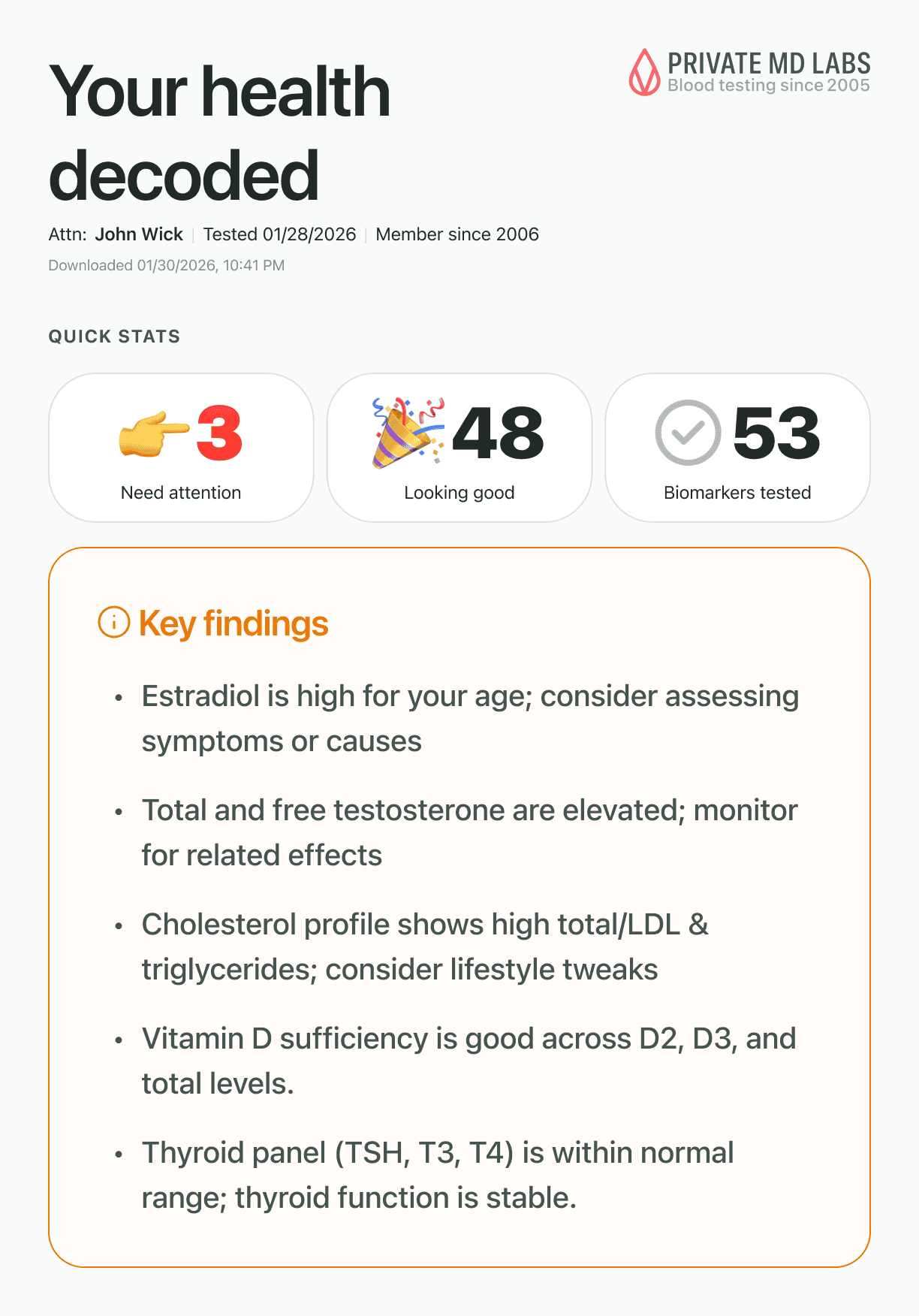
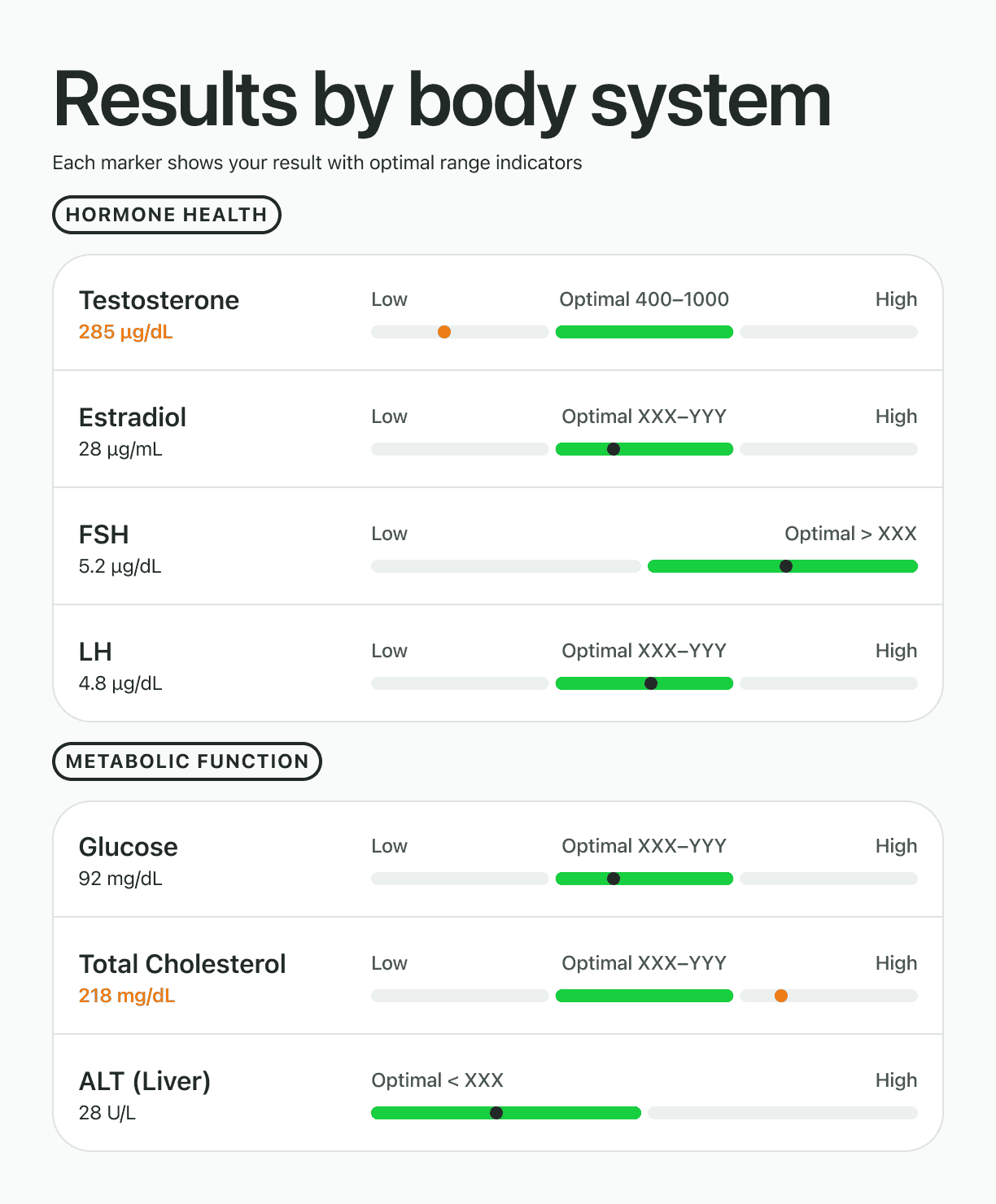
Get resultsReceive a clear, easy-to-digest health report by email & SMS within a few business days.Get answers, fast
Here’s why 1,000,000+ customers chose us for affordable hassle-free private blood testing.
You get clinical lab reports & simplified health insights.
Save time & gas, go straight to the lab. Our doctors cover the rest.
Results start landing the next day after your lab visit.*
We don’t sell or share your data. Your time & privacy matter.
US-licensed doctors have your back if things get unclear.
No hidden fees, nice discounts for regular checkups.
Save a trip to the doctor, go directly to the lab
Get lab order in minutes, results come overnight*
Results explained in simple language
Reviewed by US licensed doctors
Fast & confidential, we never sell or share your data
No insurance needed, transparent pricing
Demo results
HTLV I/II AntibodyNegative
Demo results
NegativePositive
Negative
What this means
Your test came back negative, meaning no HTLV-I or HTLV-II antibodies were detected in your blood. This is the expected and healthy result, indicating you have not been infected with human T-lymphotropic virus.
Recommended actions
Continue practicing safe sex with barrier protection
Never share needles or drug equipment if you use injection medications
Consider periodic retesting if you remain at higher risk for exposure
Maintain open communication with sexual partners about sexual health
* Regular blood test results (e.g., CBC) typically start arriving the next business day after sample collection. More advanced tests may take longer due to complexity.
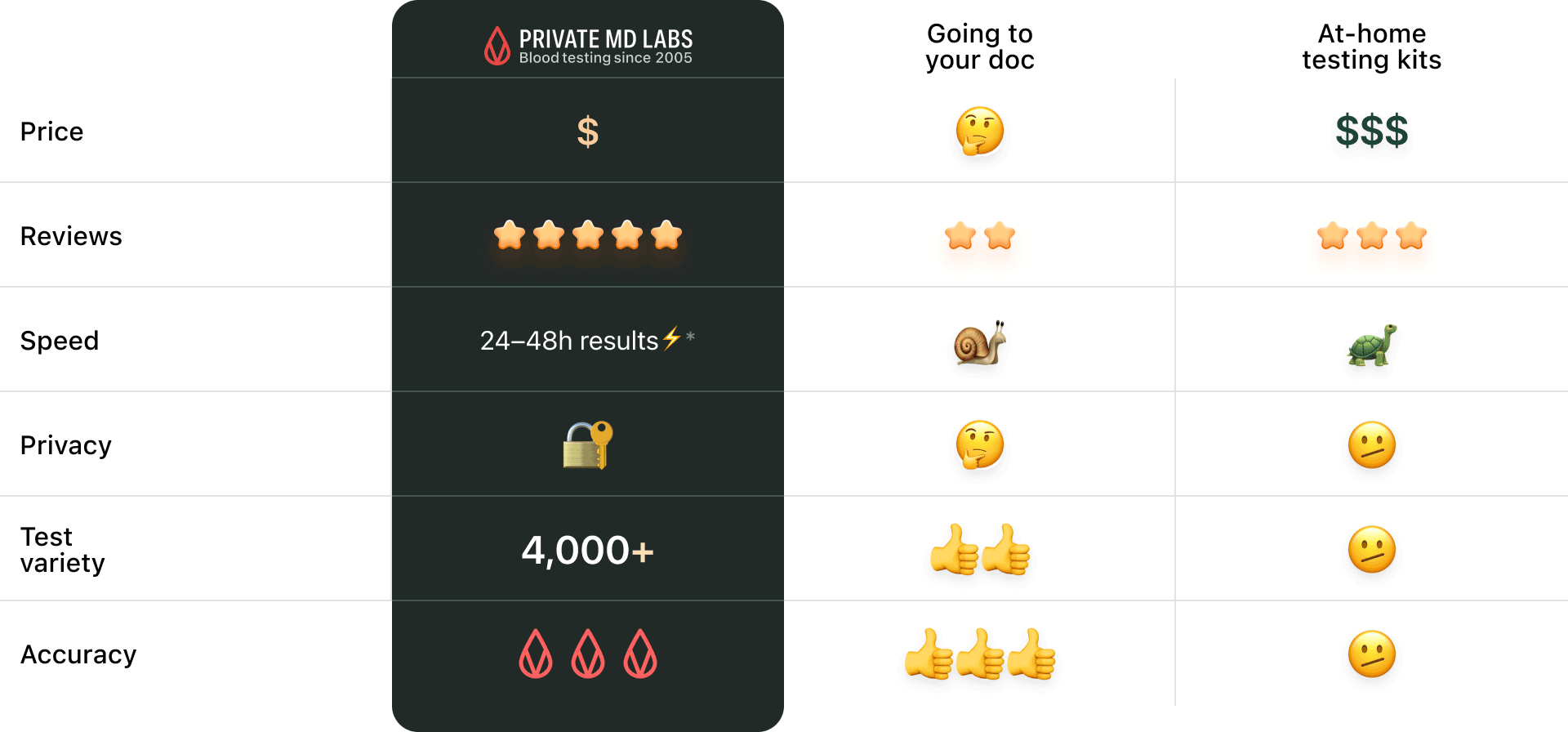
Us vs. Them
Not overhyped or overpriced. Just comprehensive blood testing made simple and for everyone.
* Regular blood test results (e.g., CBC) typically start arriving the next business day after sample collection. More complex tests, such as hormone panels, may take up to 10–15 business days due to their complexity.
1,000,000+ blood tests later, here's what our customers say
Estradiol Ultrasensitive results may get delayed due to high lab volume.It’s a nationwide delay affecting all labs (not just us). Standard processing times apply to all other tests in this panel.
Zinc extended turnaround
Zinc results may get delayed due to high lab volume.It’s a nationwide delay affecting all labs (not just us). Standard processing times apply to all other tests in this panel.
Pregnenolone extended turnaround
Pregnenolone results may get delayed due to high lab volume.It’s a nationwide delay affecting all labs (not just us). Standard processing times apply to all other tests in this panel.

 Login
Login


 90-day money-back guarantee
 Lab order in minutes
 Save a trip to the doctor
 Low prices since 2005
 Labs within 2 miles