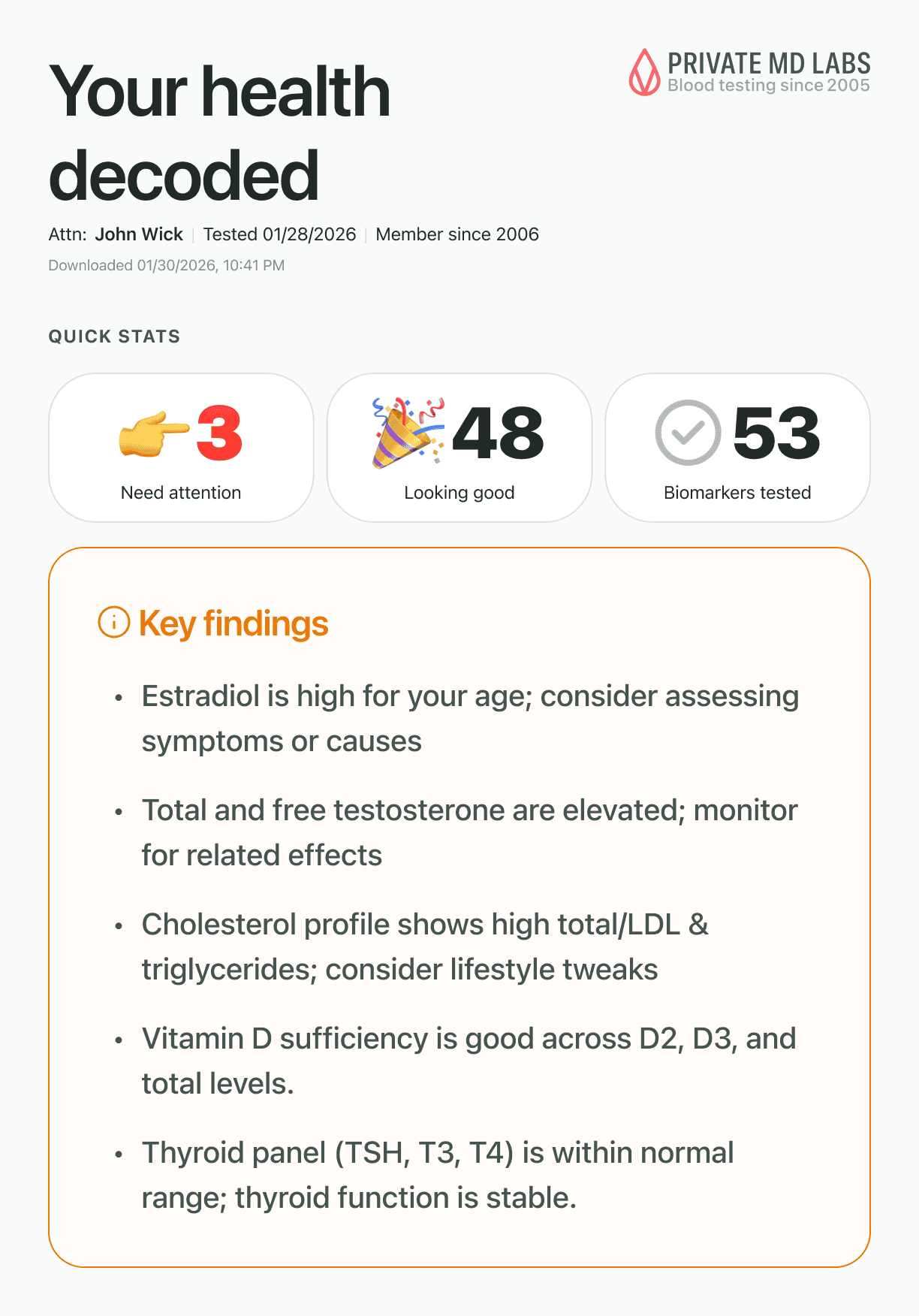
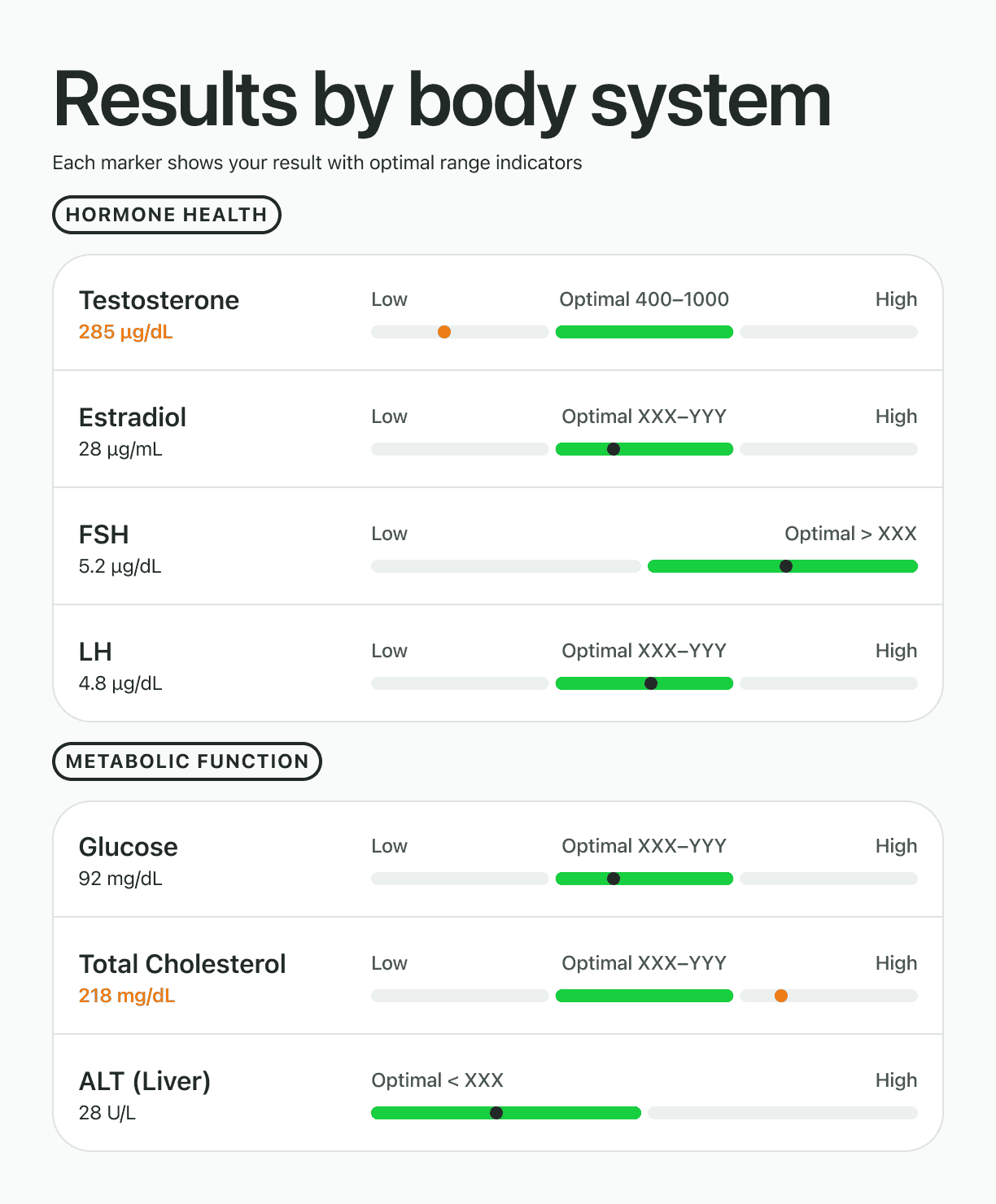
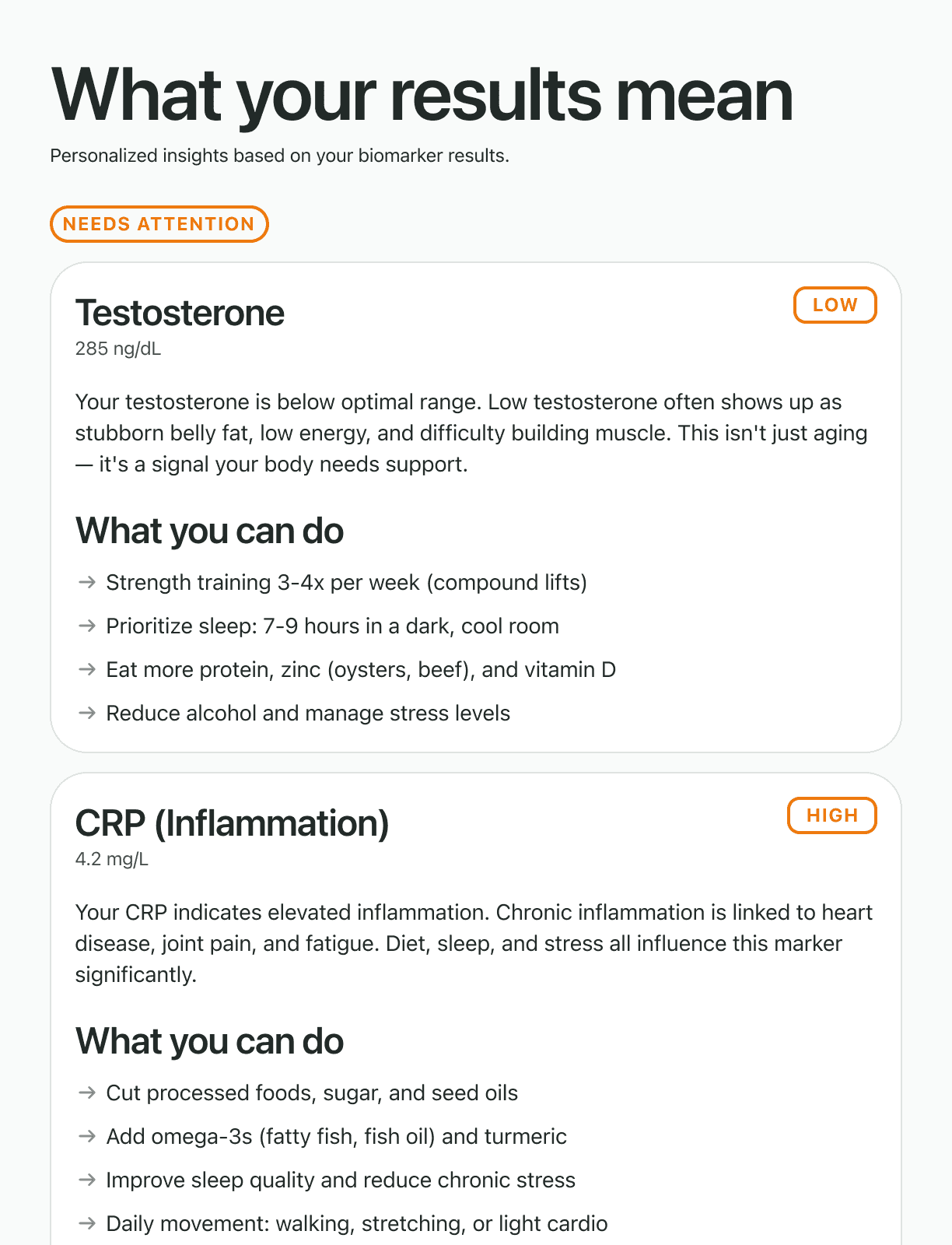
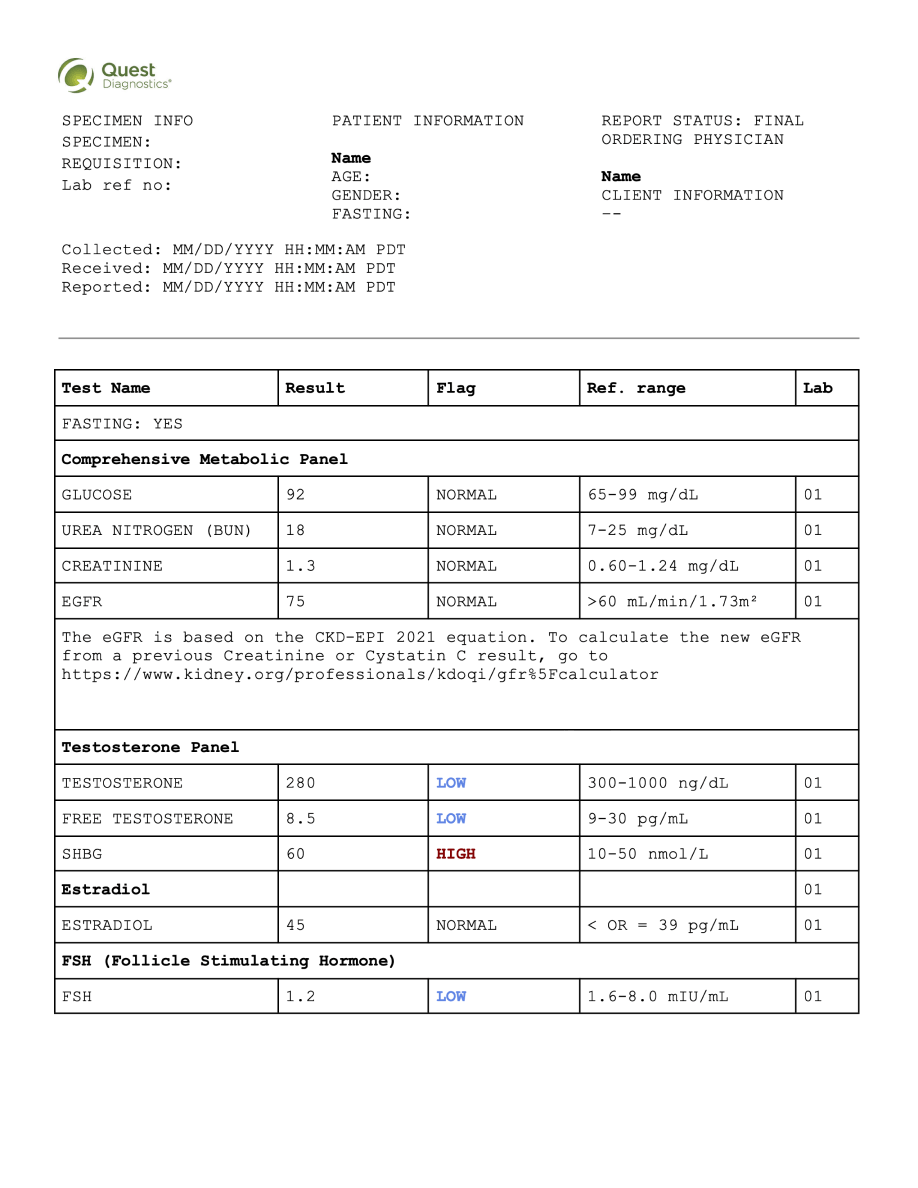
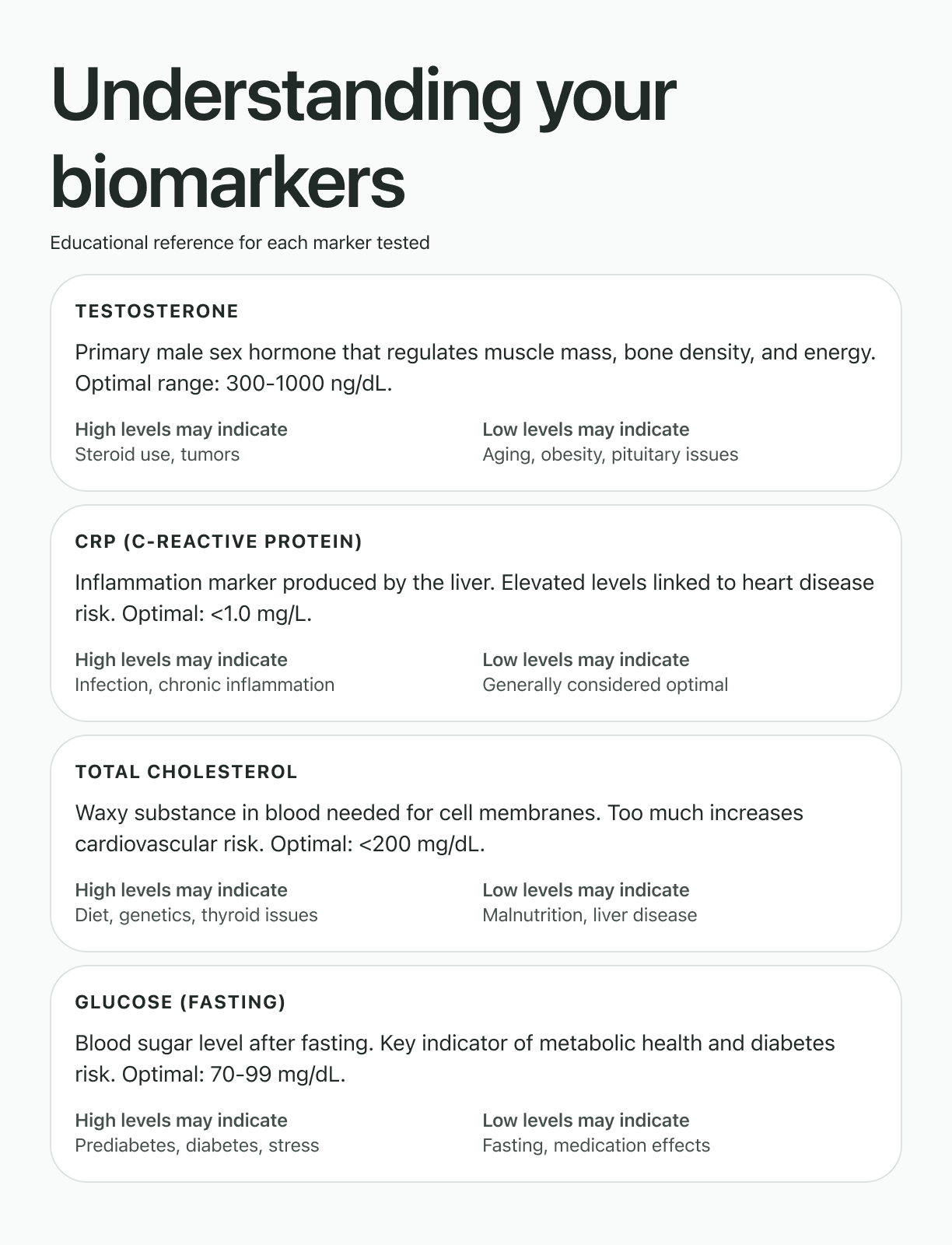
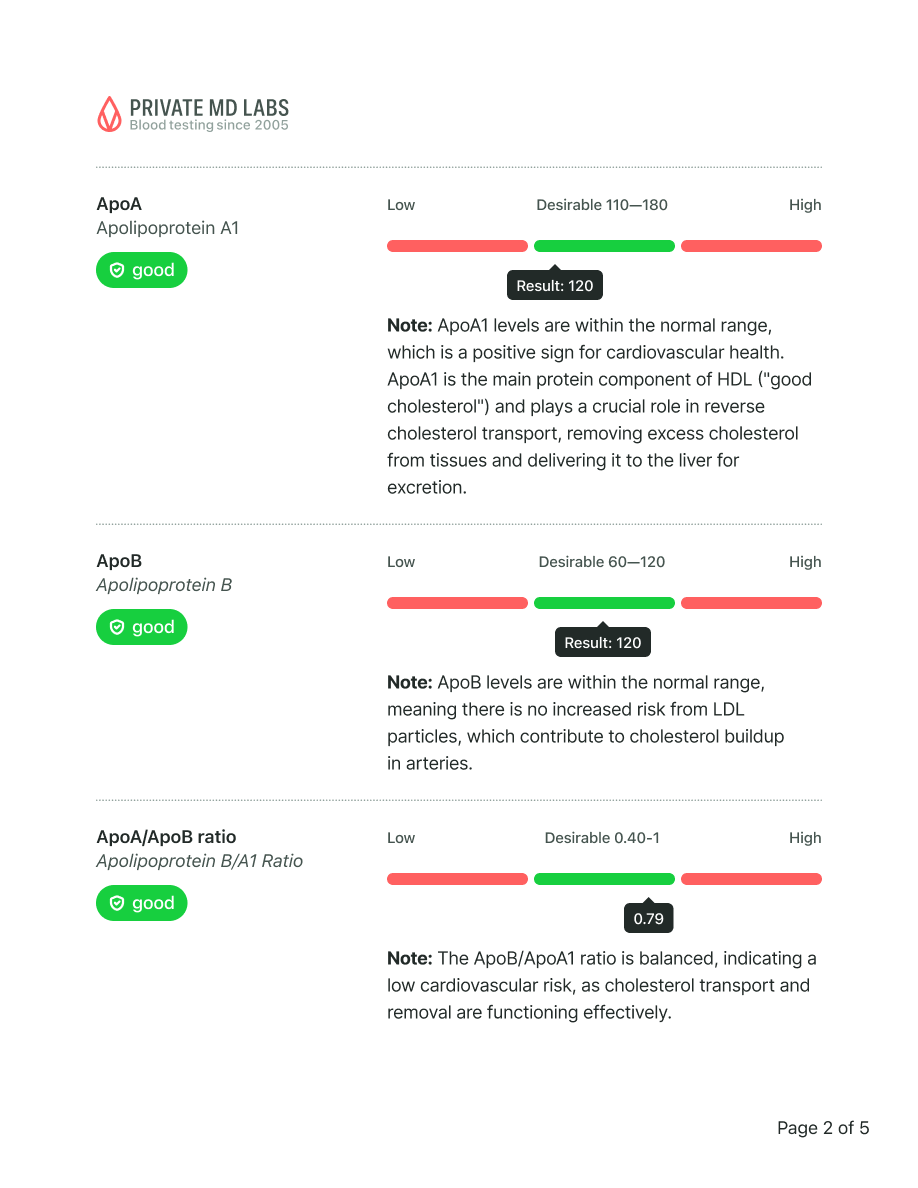
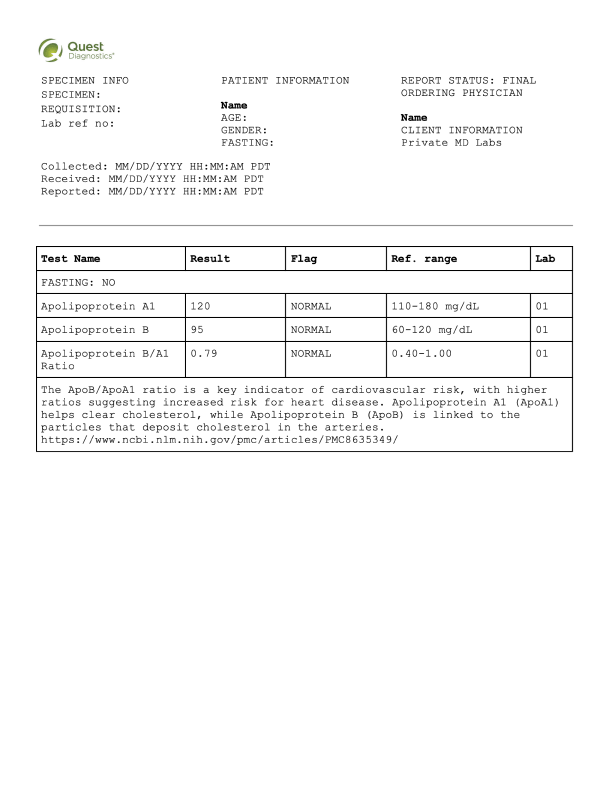
Sample results
Pulmonary mucormycosis is a rare but life-threatening fungal infection that attacks the lungs. It is caused by fungi from the Mucorales order, particularly Mucor racemosus and Rhizopus species, which invade lung tissue in immunocompromised individuals. The Mucor racemosus IgG antibody test is the most important blood test for diagnosis as it detects specific immune responses to this aggressive fungal pathogen.
Pulmonary mucormycosis is caused by fungi from the Mucorales order, primarily Mucor racemosus and Rhizopus species. These fungi are found in soil, decaying vegetation, and organic matter, and enter the body through inhaling airborne spores. The infection develops when your immune system is too weak to fight off the fungi, allowing them to invade and damage lung tissue rapidly. People with diabetes, cancer, organ transplants, or those taking immunosuppressive medications are most vulnerable to this aggressive infection.
The Mucor racemosus IgG antibody test is the most important blood test for pulmonary mucormycosis because it detects specific antibodies your immune system produces in response to Mucor racemosus infection. This test helps confirm suspected cases by identifying immune reactions to the fungus in your bloodstream. While imaging studies like chest CT scans show lung damage, the antibody test provides specific evidence of Mucor infection. Diagnosis is most accurate when blood testing is combined with clinical symptoms, imaging findings, and sometimes tissue biopsy, but the IgG test is essential for confirming which fungal species is causing your infection.
You should get tested if you have a weakened immune system and develop persistent fever, cough, chest pain, or difficulty breathing that does not improve with standard antibiotics. Testing is especially urgent for people with poorly controlled diabetes, those undergoing chemotherapy, organ transplant recipients, or anyone taking long-term steroids who suddenly develops respiratory symptoms. Early testing can be lifesaving because pulmonary mucormycosis progresses rapidly and requires immediate antifungal treatment. If you cough up blood or have severe chest pain along with fever, seek testing and medical care immediately.
What this means
Your IgG antibodies to Mucor racemosus are elevated, indicating your immune system has been exposed to and is responding to this mold. This suggests your respiratory symptoms, sinus issues, or allergic reactions may be related to mold sensitivity in your environment. Reducing exposure through environmental changes could significantly improve your symptoms.
Recommended actions
Identify and remediate moisture sources and mold growth in your home or workplace
Use HEPA air purifiers in bedrooms and main living areas to reduce airborne spores
Keep indoor humidity below 50% with dehumidifiers and ensure proper ventilation
Consider retesting in 3-6 months after making environmental improvements
Not overhyped or overpriced. Just comprehensive blood testing made simple and for everyone.
Sample results
Your 24/7 Personal Lab Guide
Quick questions: