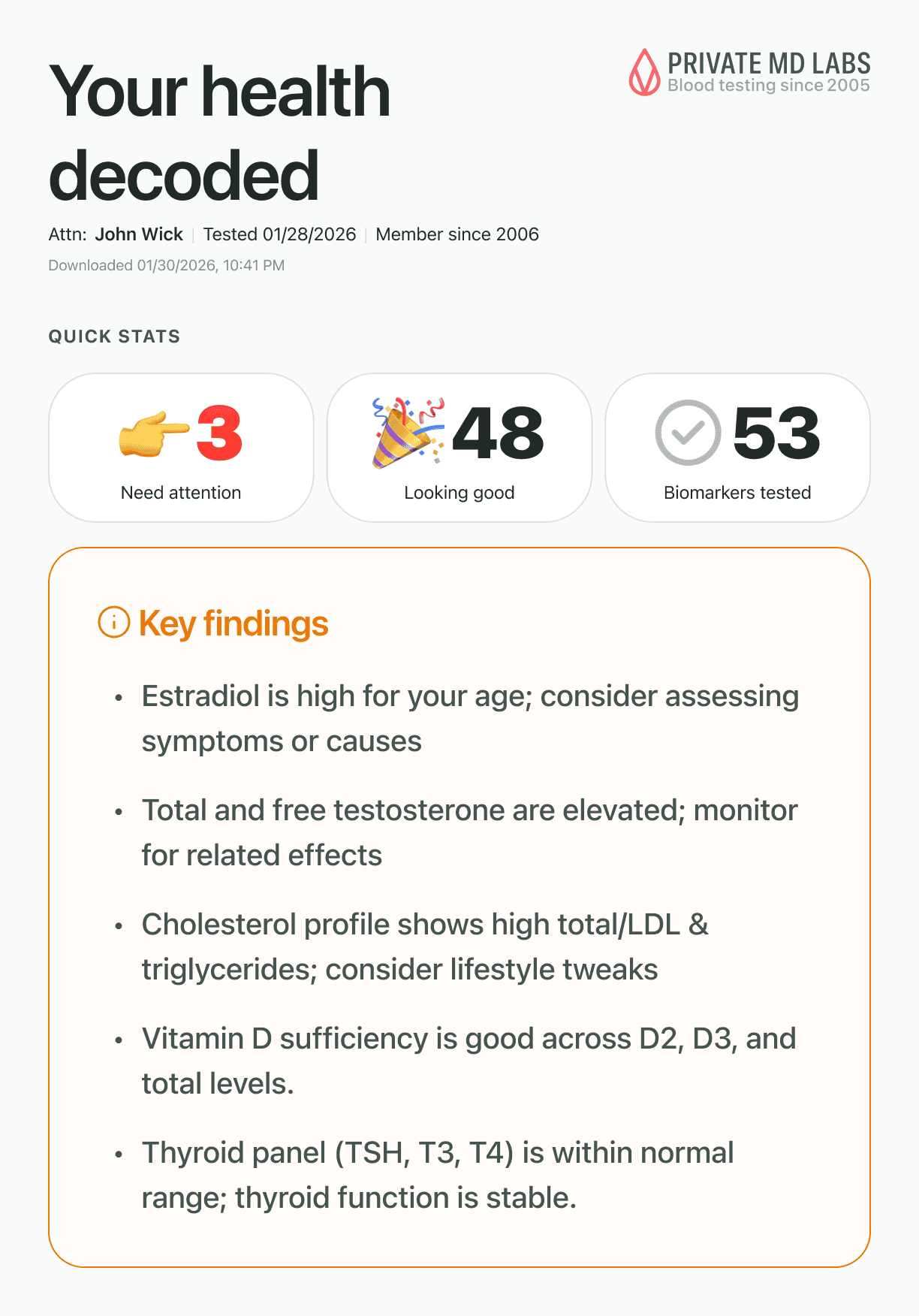
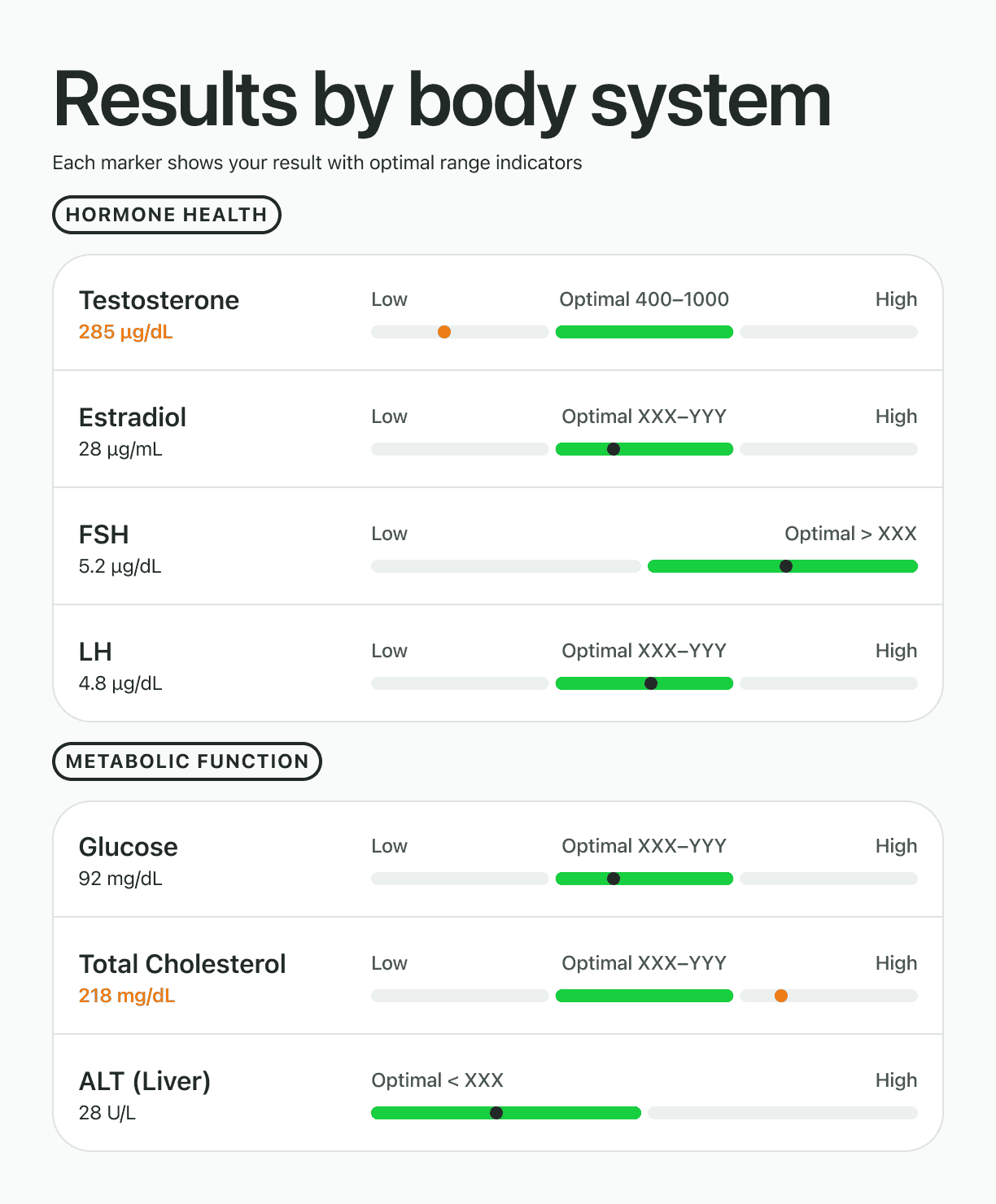
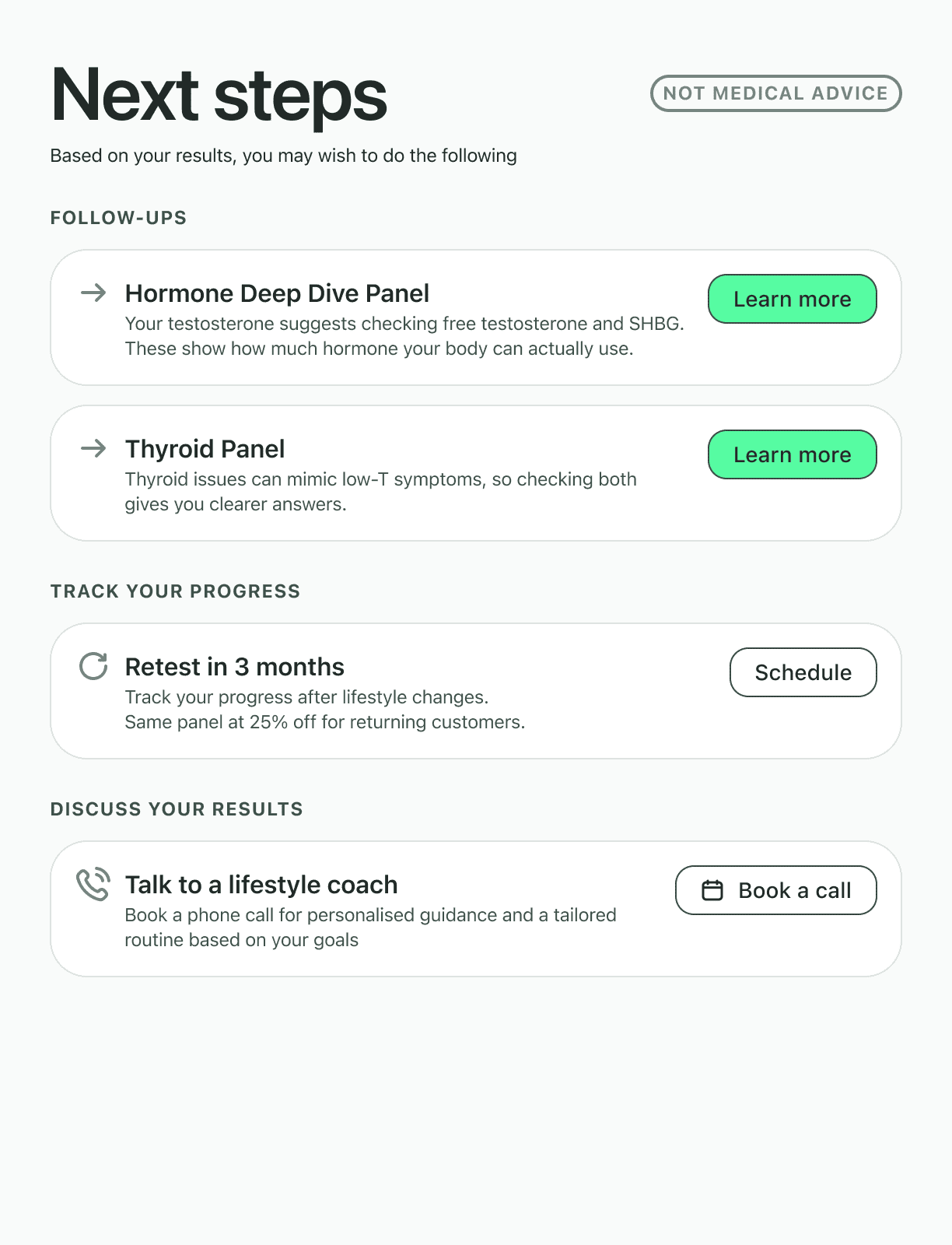
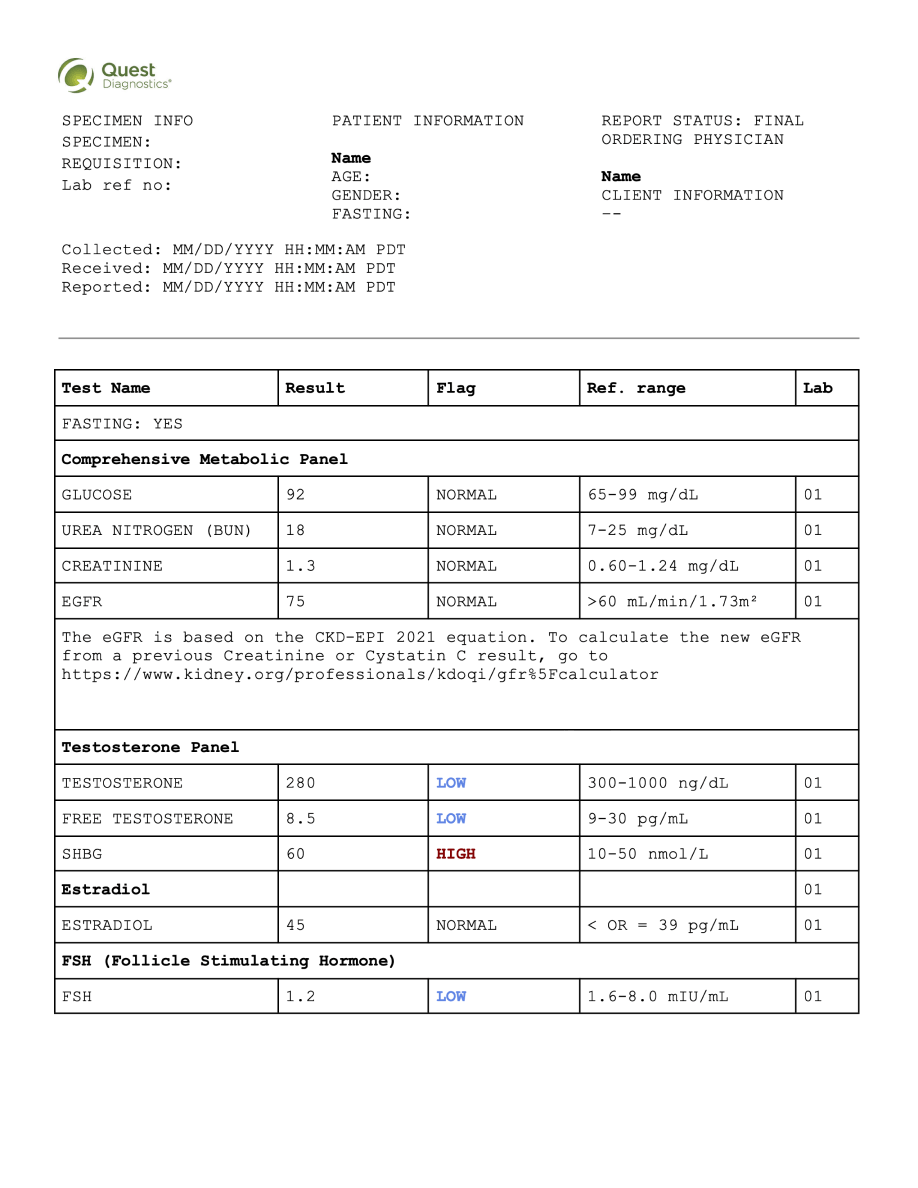
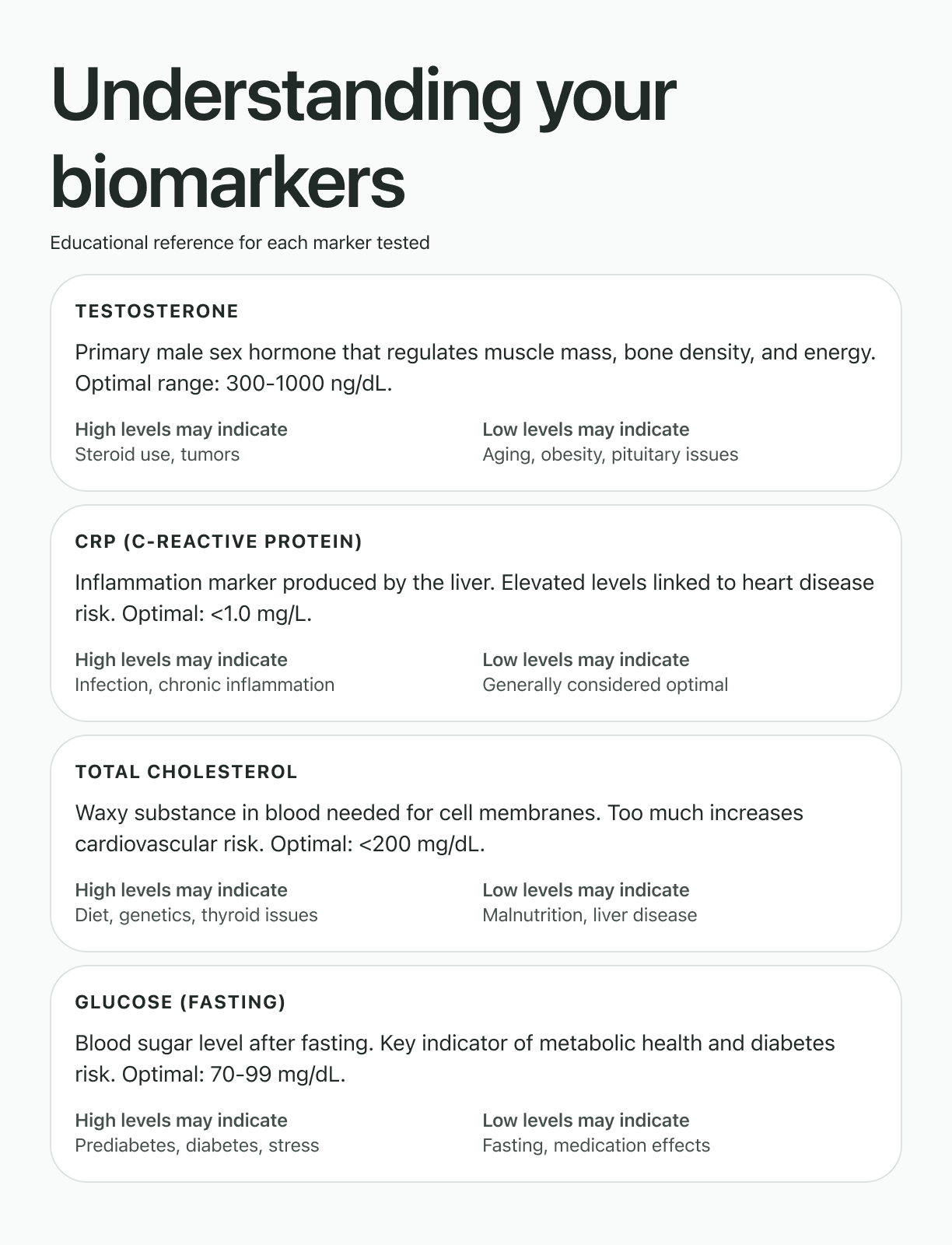
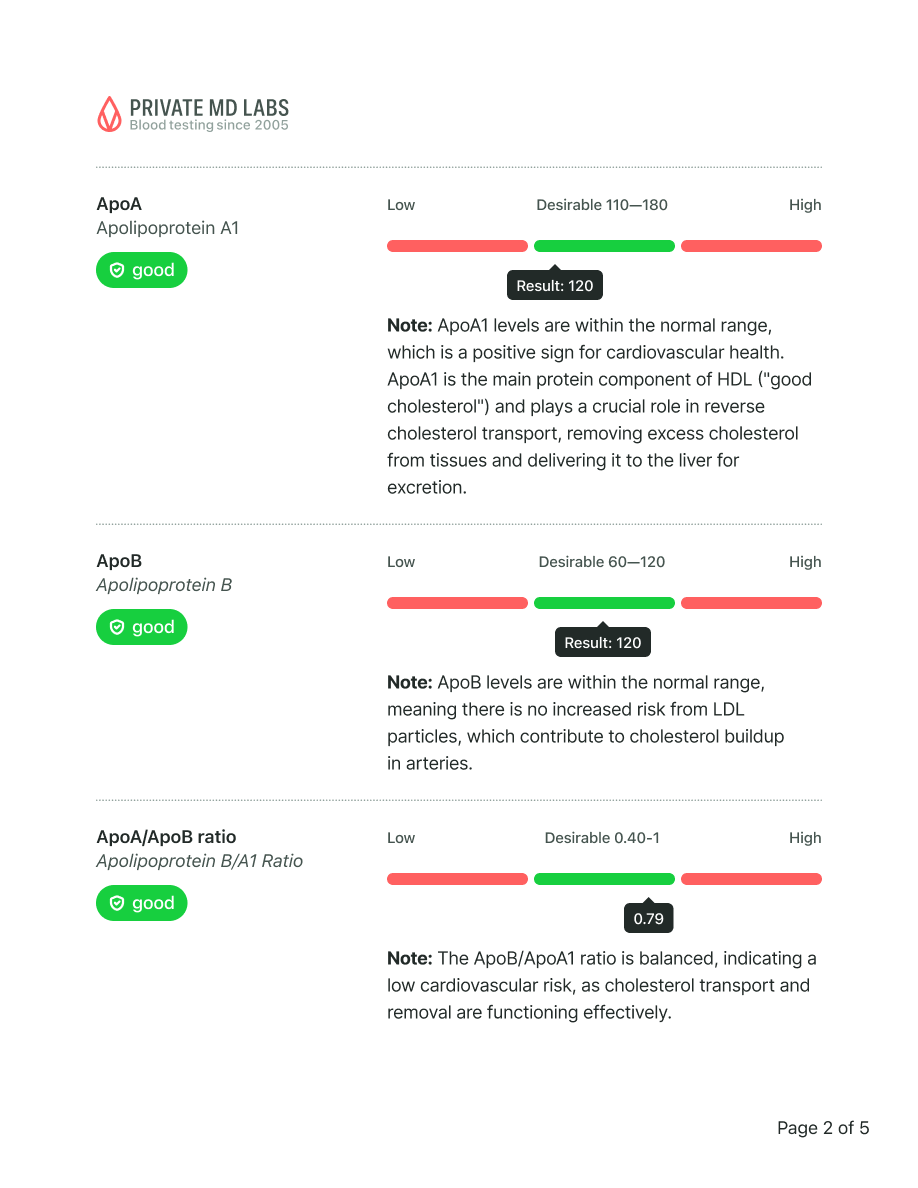
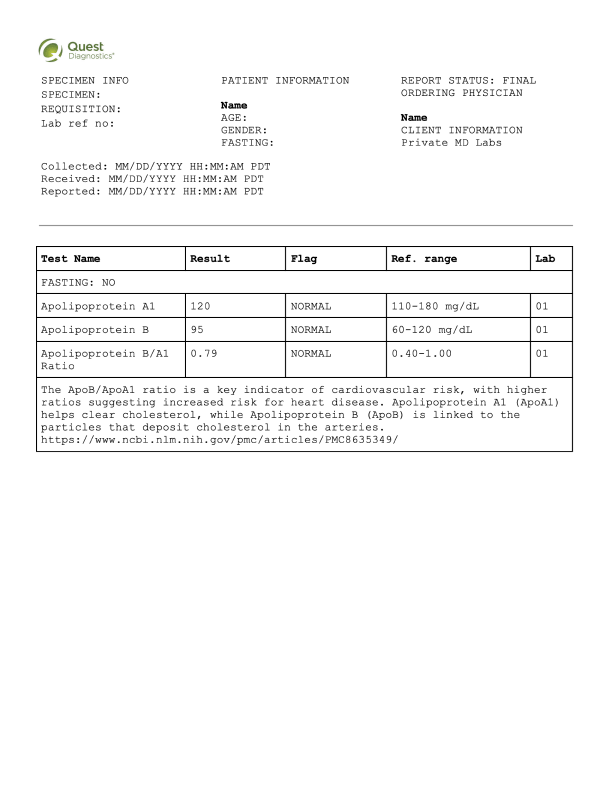
Sample results
Periodontitis is a serious gum infection that damages soft tissue and destroys the bone supporting your teeth. It is caused by bacteria accumulating in dental plaque, triggering chronic inflammation that breaks down periodontal ligaments and alveolar bone. The Interleukin-1 Beta test is the most important blood test for assessing the inflammatory response in periodontitis.
Periodontitis is caused by bacteria that accumulate in dental plaque, particularly species like Porphyromonas gingivalis, Tannerella forsythia, and Treponema denticola. When plaque hardens into tartar, these bacteria trigger a chronic immune response that damages the gums and supporting bone structures. Poor oral hygiene, smoking, diabetes, and genetic factors increase your susceptibility to this bacterial infection and the inflammatory damage it causes.
The Interleukin-1 Beta test is the most important blood test for periodontitis because it measures the inflammatory cytokine that drives tissue destruction in gum disease. Elevated IL-1 Beta levels indicate active inflammation and help assess how aggressively your immune system is responding to periodontal bacteria. While periodontitis is primarily diagnosed through dental examination and periodontal probing, this blood test provides valuable insight into the severity of the inflammatory response and can help guide treatment decisions and monitor your progress.
You should get tested if you notice bleeding gums when brushing or flossing, persistent bad breath, receding gums that make your teeth look longer, loose teeth, or painful chewing. Get tested immediately if you have red, swollen, or tender gums that do not improve with better oral hygiene. People with diabetes, smokers, pregnant women, and those with a family history of gum disease should consider regular inflammatory marker testing to catch periodontal problems early.
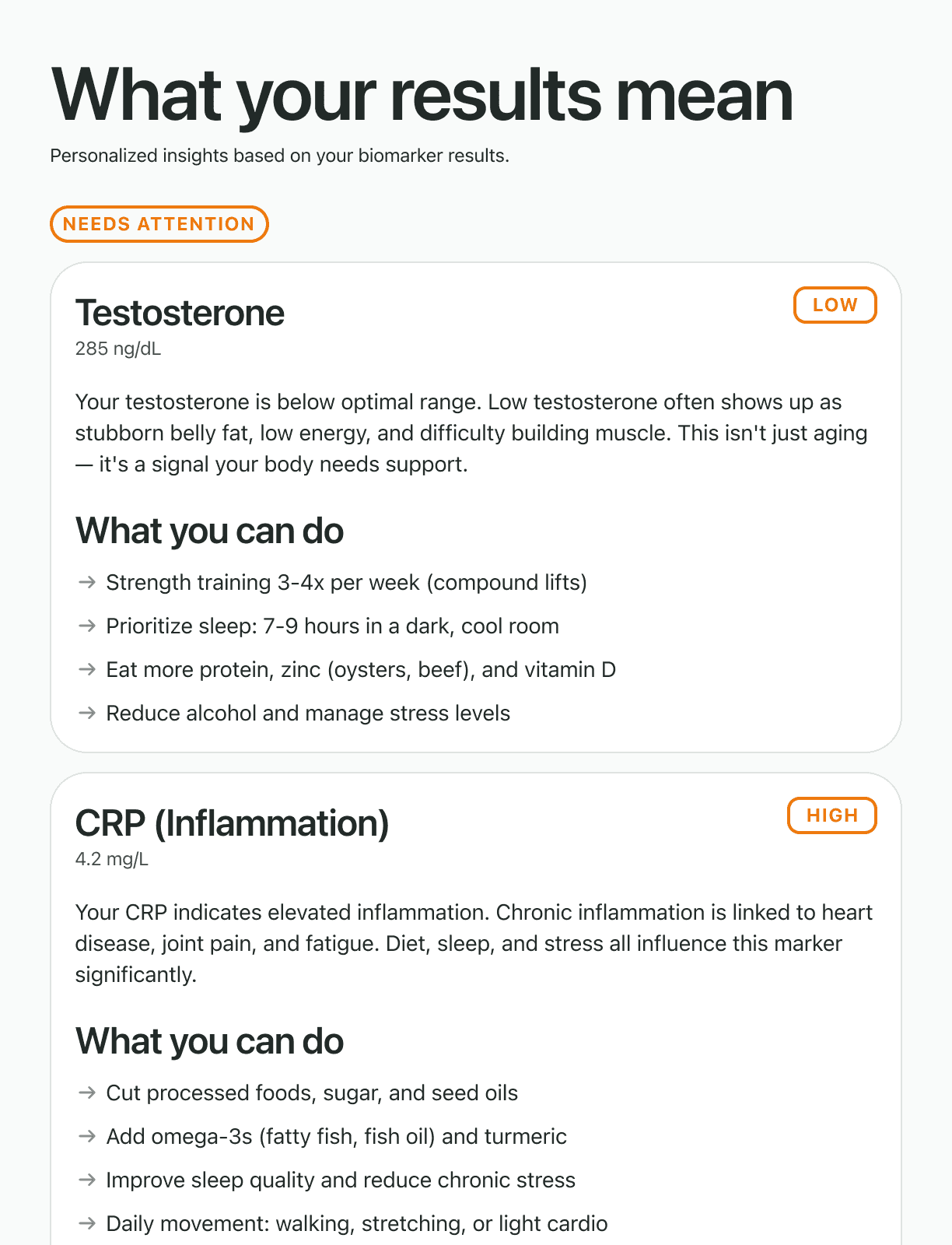
What this means
Your IL-1 Beta levels are elevated above the optimal range, indicating increased inflammatory activity in your body. This elevation may be contributing to symptoms like persistent fatigue, joint discomfort, or general feelings of being unwell, and suggests your immune system is more active than ideal.
Recommended actions
Adopt an anti-inflammatory diet rich in omega-3 fatty fish, berries, leafy greens, and healthy fats
Prioritize 7-9 hours of quality sleep and stress management through meditation or gentle yoga
Avoid processed foods, refined sugars, and excessive alcohol consumption
Retest in 3-4 months after implementing lifestyle changes to monitor progress
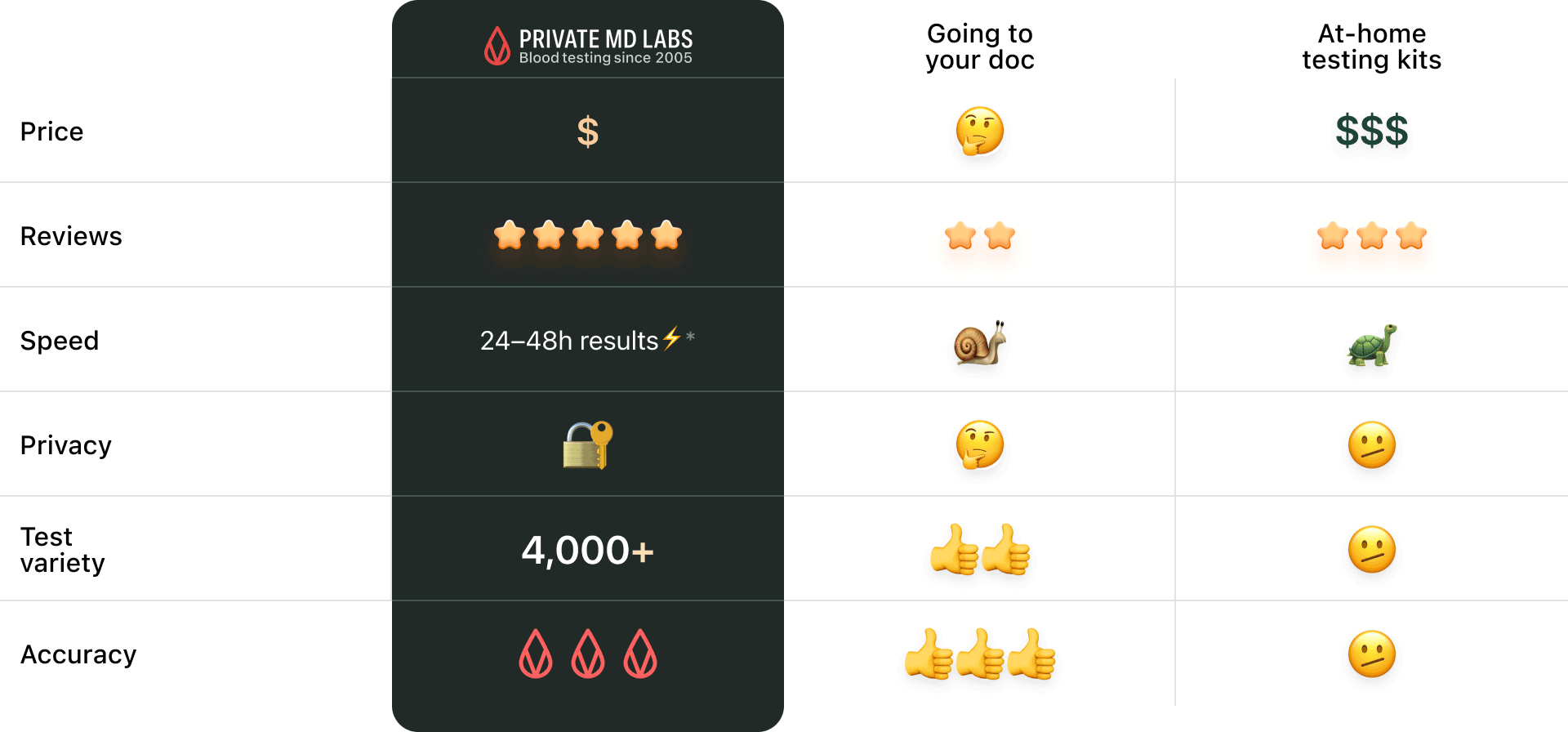
Not overhyped or overpriced. Just comprehensive blood testing made simple and for everyone.
Sample results
Your 24/7 Personal Lab Guide
Quick questions: