Neurological diseases are conditions that affect the brain, spinal cord, and peripheral nervous system, ranging from stroke and meningitis to degenerative disorders like Alzheimer's and Parkinson's disease. These conditions are caused by various factors including infections, autoimmune responses, genetic mutations, vascular damage, or traumatic injuries that disrupt normal nerve function. The Lactic Acid Dehydrogenase (LDH) blood test is the most important test for detecting cellular damage in neurological conditions because it measures enzyme levels released when nerve cells are injured or die.
90-day money-back guaranteeLab order in minutesSave a trip to the doctorLow prices since 2005Labs within 2 miles
What causes neurological diseases?
Neurological diseases are caused by diverse factors that damage or disrupt the nervous system, including bacterial or viral infections like meningitis, autoimmune attacks where the body targets its own nerve tissue, genetic mutations that affect nerve development, vascular problems like stroke that cut off blood supply to the brain, traumatic injuries from accidents, and degenerative processes where nerve cells gradually die. Environmental toxins, nutritional deficiencies, and metabolic disorders can also trigger neurological damage. The specific cause determines the type of neurological disease and its progression, making accurate diagnosis essential for effective treatment.
What is the best test for neurological diseases?
The Lactic Acid Dehydrogenase (LDH) blood test is the most important blood test for neurological diseases because it detects cellular damage by measuring enzyme levels released when nerve cells are injured or destroyed. Elevated LDH levels indicate tissue damage occurring in conditions like stroke, meningitis, encephalitis, or traumatic brain injury. While neurological diseases are primarily diagnosed through clinical examination, brain imaging (MRI or CT scans), and specialized tests like EEG or lumbar puncture, the LDH test provides valuable information about the extent of cellular damage and helps monitor recovery progress over time. It serves as a biomarker for tissue destruction that complements other diagnostic tools.
When should I get tested for neurological diseases?
You should get tested if you experience sudden severe headaches, unexplained weakness or numbness in your limbs, difficulty speaking or understanding speech, vision problems, persistent dizziness or loss of balance, seizures, or changes in memory and cognitive function. Testing is also important if you have experienced a head injury, notice progressive muscle weakness, develop tremors or involuntary movements, or have family history of neurological conditions. Early detection through blood tests like LDH, combined with neurological examination and imaging, helps identify the extent of nerve damage and guides treatment decisions before permanent damage occurs.
What are the symptoms of neurological diseases?
Symptoms of neurological diseases vary widely depending on which part of the nervous system is affected, but common signs include persistent headaches, muscle weakness or paralysis, numbness or tingling sensations, tremors or involuntary movements, difficulty with coordination and balance, vision problems, speech difficulties, memory loss or confusion, seizures, and changes in mood or behavior. Some people experience cognitive decline, difficulty concentrating, personality changes, or problems with bladder and bowel control. Symptoms may appear suddenly as in stroke or develop gradually as in degenerative diseases like Parkinson's or multiple sclerosis.
Who is at risk for neurological diseases?
Risk factors for neurological diseases include advancing age, family history of neurological conditions indicating genetic predisposition, history of head trauma or brain injuries, cardiovascular disease that affects blood flow to the brain, diabetes, high blood pressure, smoking, excessive alcohol consumption, exposure to environmental toxins or heavy metals, certain infections like Lyme disease or HIV, autoimmune disorders, and vitamin deficiencies particularly B12. People with metabolic disorders, those taking certain medications long-term, and individuals with previous strokes or transient ischemic attacks face higher risk. Occupational hazards involving repetitive head impacts or neurotoxin exposure also increase vulnerability to neurological damage.
What happens if neurological diseases are left untreated?
Untreated neurological diseases can lead to progressive and irreversible nerve damage, resulting in permanent disability, loss of motor function, and severe cognitive decline. Brain tissue that dies from conditions like stroke cannot regenerate, leading to lasting paralysis, speech problems, or memory loss. Infections like meningitis can cause brain swelling, seizures, hearing loss, and death if not treated promptly. Degenerative diseases progress more rapidly without intervention, accelerating loss of independence and quality of life. Untreated neurological conditions may also cause secondary complications including falls and injuries, difficulty swallowing leading to malnutrition, depression and anxiety, chronic pain, and increased risk of life-threatening complications like respiratory failure or cardiac issues.
Can neurological diseases be diagnosed with a blood test?
Most neurological diseases cannot be diagnosed by blood tests alone, but blood work plays an essential supporting role in neurological care. The LDH blood test detects cellular damage by measuring enzyme levels released from injured nerve cells, helping assess the extent of tissue damage in conditions like stroke or meningitis. Blood tests can identify infections, inflammation, vitamin deficiencies, metabolic disorders, and autoimmune markers that contribute to neurological symptoms. However, definitive diagnosis typically requires neurological examination, brain imaging like MRI or CT scans, cerebrospinal fluid analysis, electroencephalography (EEG), or nerve conduction studies. Blood tests complement these diagnostic tools by providing information about underlying systemic factors and monitoring treatment response.
How are neurological diseases treated?
Treatment for neurological diseases depends on the specific condition and may include medications like anticonvulsants for seizures, immunosuppressants for autoimmune disorders, antibiotics or antivirals for infections, blood thinners for stroke prevention, or dopamine replacement for Parkinson's disease. Physical therapy helps maintain mobility and strength, while occupational therapy assists with daily activities. Speech therapy addresses communication difficulties, and cognitive rehabilitation supports memory and thinking skills. Some conditions require surgical interventions like removing blood clots, repairing damaged blood vessels, or implanting devices like deep brain stimulators. Lifestyle modifications including diet changes, exercise, stress management, and avoiding triggers also play important roles in managing symptoms and slowing disease progression.
How can I prevent neurological diseases?
Preventing neurological diseases involves managing cardiovascular risk factors by controlling blood pressure, cholesterol, and blood sugar levels, maintaining a healthy weight through balanced diet and regular exercise, avoiding smoking and excessive alcohol consumption, protecting your head from injury by wearing helmets and seatbelts, staying mentally active through reading and puzzles, maintaining social connections, getting adequate sleep, managing stress through relaxation techniques, and addressing vitamin deficiencies especially B vitamins. Regular medical checkups help identify risk factors early, while prompt treatment of infections prevents complications. Limiting exposure to environmental toxins, staying current with vaccinations, and following medication regimens for chronic conditions also reduce neurological disease risk.
What can I do at home for neurological diseases?
At home support for neurological diseases includes following prescribed medication schedules carefully, engaging in gentle exercises approved by your healthcare provider to maintain mobility and strength, practicing balance and coordination exercises to prevent falls, using memory aids like calendars and reminder apps for cognitive support, maintaining a consistent daily routine to reduce confusion, ensuring your home is safe with adequate lighting and grab bars, eating a brain-healthy diet rich in omega-3 fatty acids, antioxidants, and whole grains, staying socially engaged with family and friends, practicing stress-reduction techniques like meditation or deep breathing, getting quality sleep on a regular schedule, and keeping a symptom journal to track changes and communicate effectively with your healthcare team.
FAQ
How’s this work?
Getting your blood test with us is easy, private & backed by the power of science.
Long story short:
In the test options, use the filters or search box to narrow your choices and find the test you want.
If you need a hand navigating through options, text our super friendly support team at 754-799-7833, and we'll provide tailored suggestions to help you find the ideal test.
Once your order is placed, we’ll create your doctor’s lab order remotely, without any need for you to make a trip to a doctor in person or to talk to the doctor. Expect to receive your doctor’s lab order right in your inbox. It will also be in your patient portal if you need to find it later. We’ll also include instructions regarding fasting and other requirements for your test. Your patient portal will be auto-created hassle-free during checkout.
If this is your first time ordering, you'll be prompted to create a password for instant login access to your patient portal. It's a quick way to conveniently access your orders and results whenever you want.
When you’re ready, visit one of our 4,000 locations. Just bring your ID – no printing or faxing of your lab order is needed, as your order and details will already be in the lab system.
Note that most lab locations don’t accept walk-ins, so it’s best to book an appointment in advance. Don’t worry – we’ll provide detailed instructions along the way.
You’ll get your results via email & SMS and dive into understanding your body better. Yup, that easy!
If you have any questions, please text us at 754-799-7833 or email [email protected] and we'll gladly help you.
How do I know which test to get?
In the test options, find the test you want.
If you’re not sure which test to get, we can lend a hand in finding the right option.
Just text or call us at 754-799-7833, email us at [email protected], and we'll gladly help you. We've got your back and reply quickly.
Is it possible to make changes to my lab order if I made a mistake with the name, date of birth, or any other details?
Absolutely! We totally understand that errors can happen. No worries, we're here to help you.
Just reach out to us via text at 754-799-7833 or shoot us an email at
[email protected]. Remember to include your order number and let us know the correct information you’d like to update.
Our awesome team will jump right in and make sure everything is sorted out and accurate for you.
There are no changes necessary if your address is wrong on the requisition though. We don’t mail anything out.
Our lab requires an address to be listed to generate an order.
Do you accept health insurance?
Only HSA & FSA is accepted.
Our services are strictly self-pay and cannot be submitted to your health insurance provider except for Health Savings Accounts or Flexible Savings Accounts.
This policy applies to all insurance companies, including federal health insurance programs like Medicare.
You can read more about our cancellation policy here.
How can I find a lab location near me?
During the ordering process, you’ll be able to select a specific lab near you, with no strings attached!
You can switch it up later easily and visit any of our authorized locations as long as it’s the same lab company you selected your test for (Quest Diagnostics or Labcorp).
Before you proceed with your order, feel free to browse through all our lab locations here. This will give you the peace of mind of knowing that there's a lab nearby your home, office or your favorite gym.
Here’s how easy it is to get blood work done on your terms
Order your testSave a trip to the doctor. Your results will come with clear, friendly explanations.Takes 2 minutes
Book an appointmentVisit any of our 4,000 nearby lab locations to have your samples collected.Book or walk-in
Get resultsReceive a clear, easy-to-digest health report by email & SMS within a few business days.Get answers, fast
Here’s why 1,000,000+ customers chose us for affordable hassle-free private blood testing.
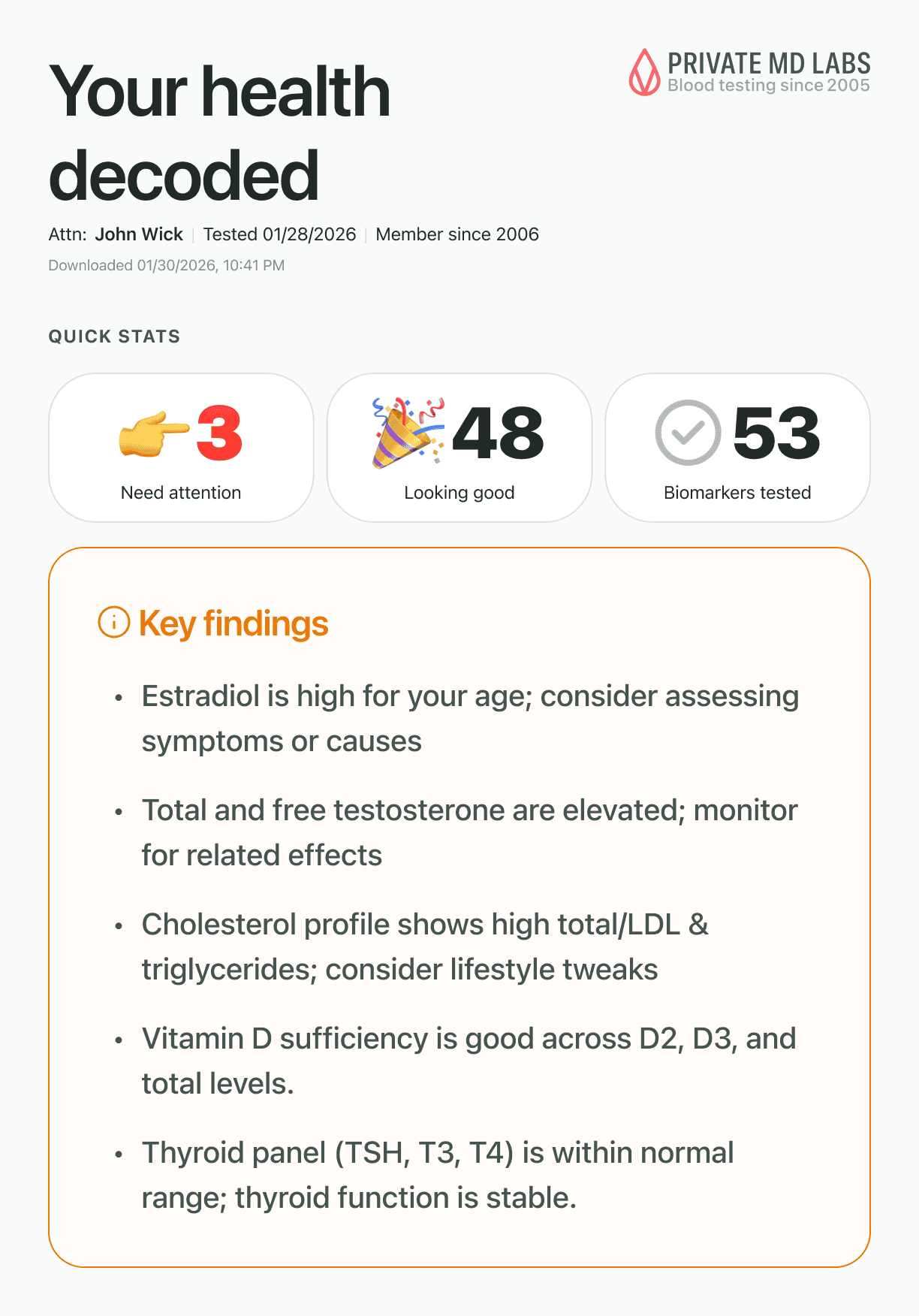
You get clinical lab reports & simplified health insights.
Save time & gas, go straight to the lab. Our doctors cover the rest.
Results start landing the next day after your lab visit.*
We don’t sell or share your data. Your time & privacy matter.
US-licensed doctors have your back if things get unclear.
No hidden fees, nice discounts for regular checkups.
Save a trip to the doctor, go directly to the lab
Get lab order in minutes, results come overnight*
Results explained in simple language
Reviewed by US licensed doctors
Fast & confidential, we never sell or share your data
No insurance needed, transparent pricing
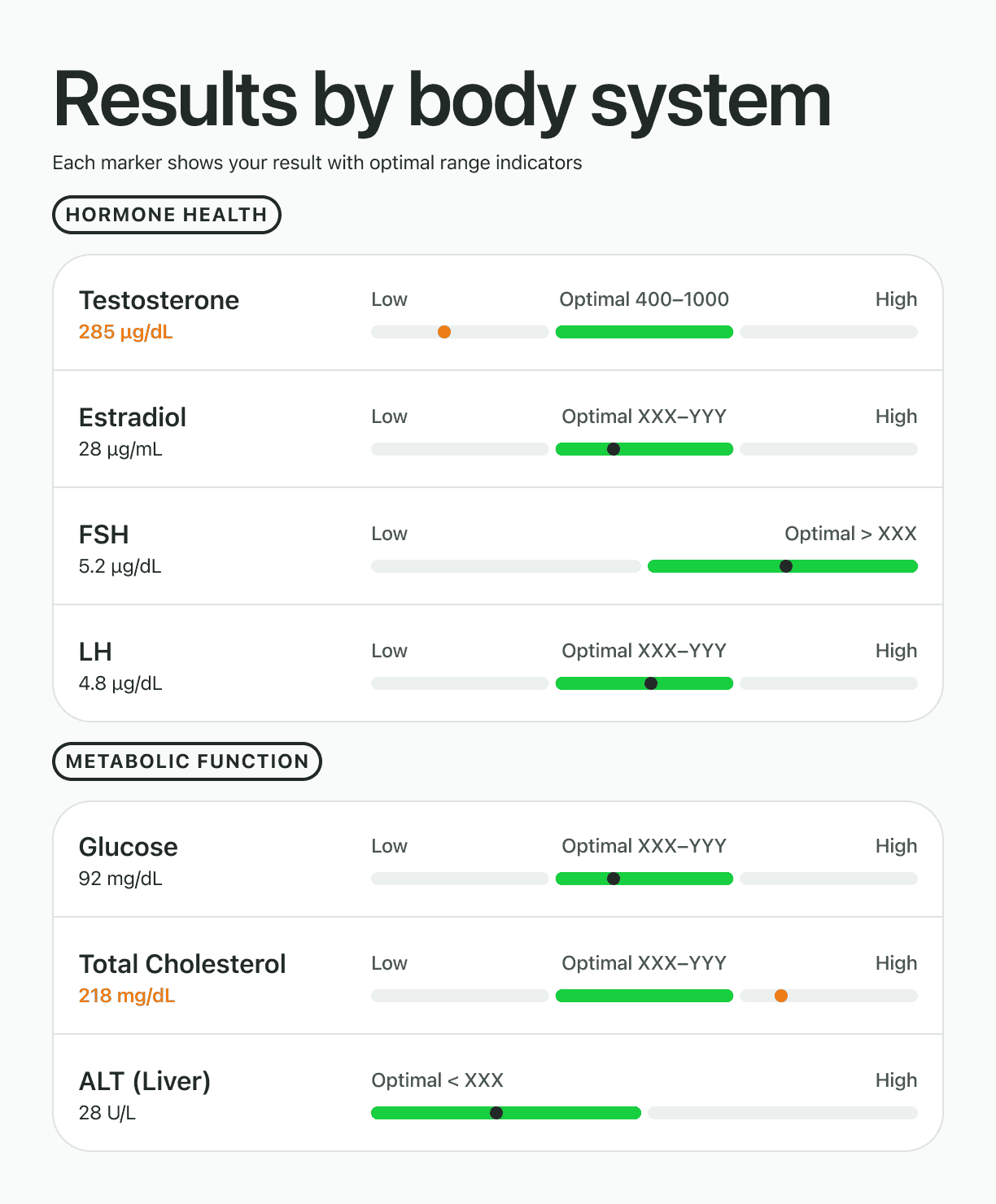
Demo results
Lactate Dehydrogenase (LD/LDH)265 U/L
Demo results
LowOptimal 140 - 240High
265 U/L
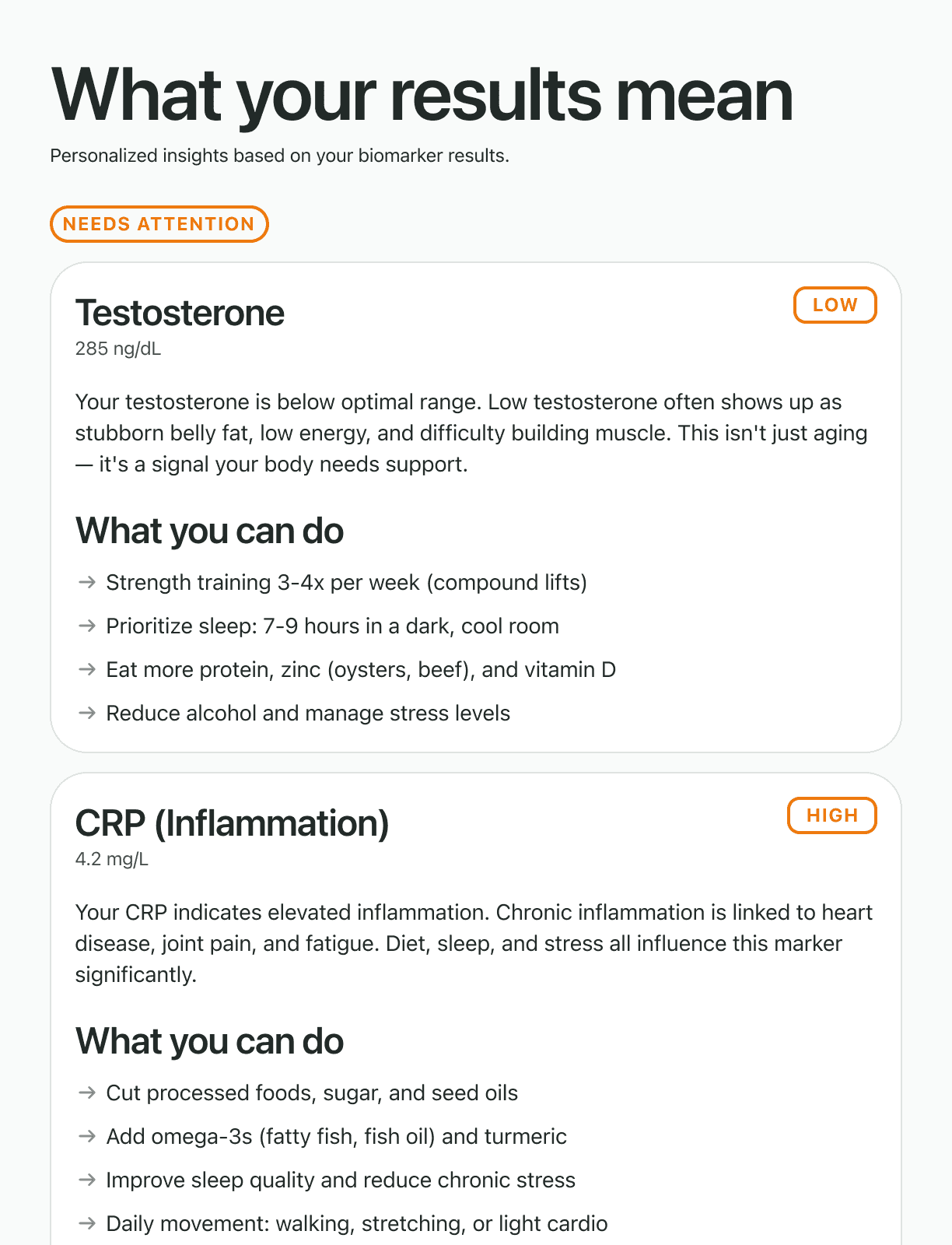
What this means
Your LD levels are slightly elevated above the optimal range, which may indicate mild tissue stress or damage. This could be related to recent intense exercise, minor muscle injury, or early signs of organ stress. While this elevation is modest and may not be concerning, it's worth monitoring and discussing with your healthcare provider if you have symptoms.
Recommended actions
Allow adequate recovery time between intense workouts and avoid overtraining
Stay well-hydrated and ensure proper nutrition to support tissue repair
Monitor for symptoms like persistent fatigue, muscle weakness, or chest discomfort
Consider retesting in 4-6 weeks to see if levels normalize or require further investigation
* Regular blood test results (e.g., CBC) typically start arriving the next business day after sample collection. More advanced tests may take longer due to complexity.
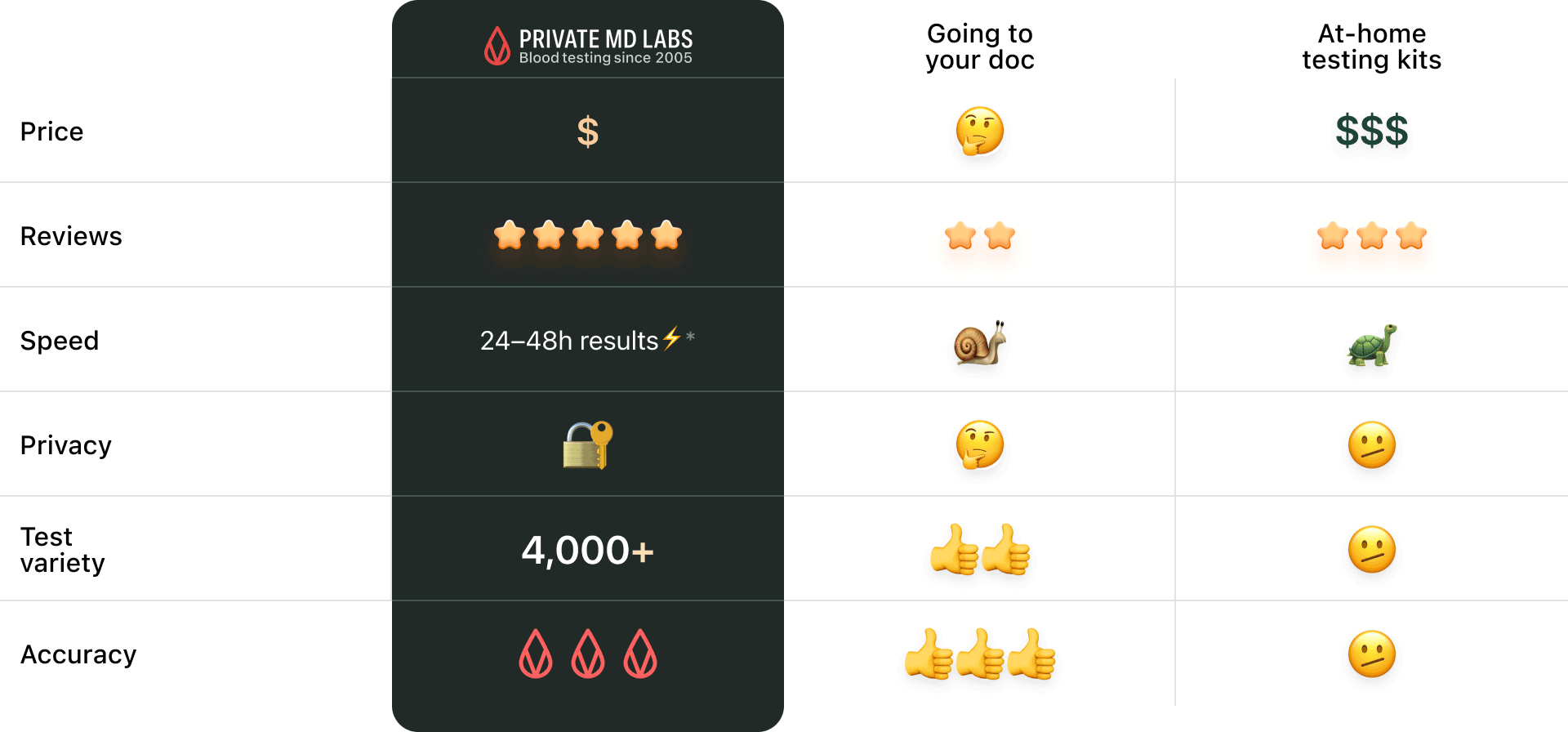
Us vs. Them
Not overhyped or overpriced. Just comprehensive blood testing made simple and for everyone.
* Regular blood test results (e.g., CBC) typically start arriving the next business day after sample collection. More complex tests, such as hormone panels, may take up to 10–15 business days due to their complexity.
1,000,000+ blood tests later, here's what our customers say
Estradiol Ultrasensitive results may get delayed due to high lab volume.It’s a nationwide delay affecting all labs (not just us). Standard processing times apply to all other tests in this panel.
Zinc extended turnaround
Zinc results may get delayed due to high lab volume.It’s a nationwide delay affecting all labs (not just us). Standard processing times apply to all other tests in this panel.
Pregnenolone extended turnaround
Pregnenolone results may get delayed due to high lab volume.It’s a nationwide delay affecting all labs (not just us). Standard processing times apply to all other tests in this panel.

 Login
Login


 90-day money-back guarantee
 Lab order in minutes
 Save a trip to the doctor
 Low prices since 2005
 Labs within 2 miles