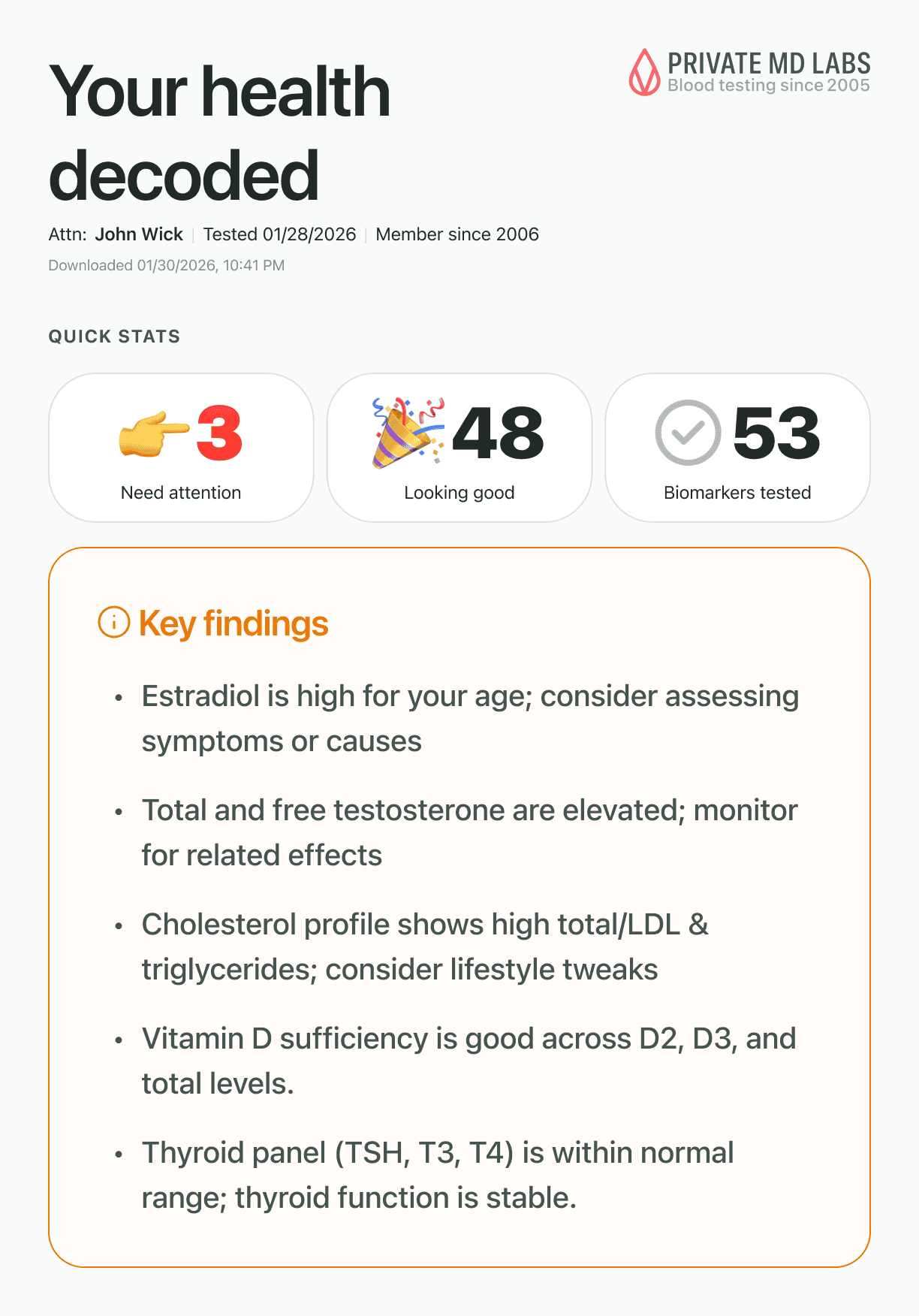
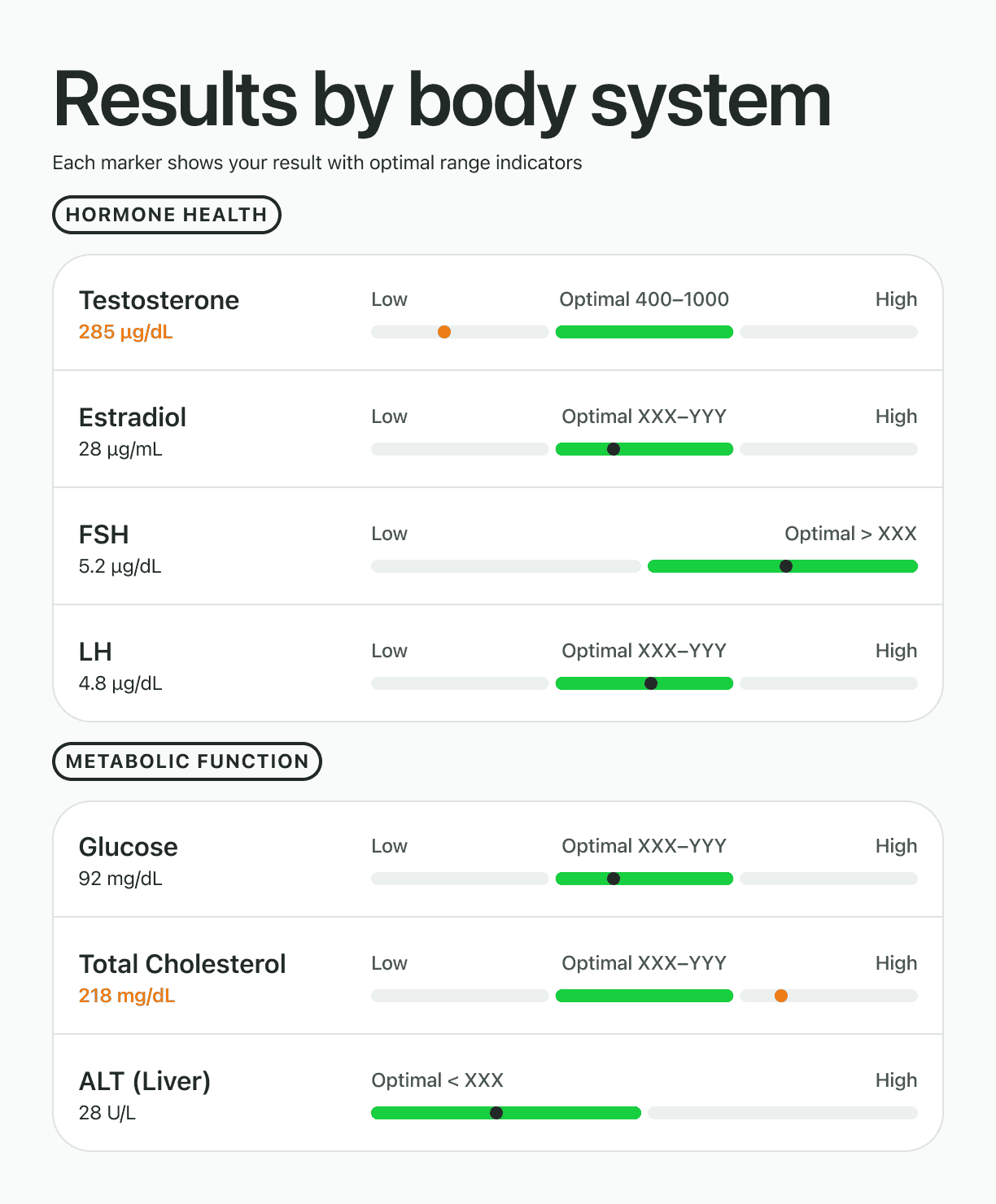
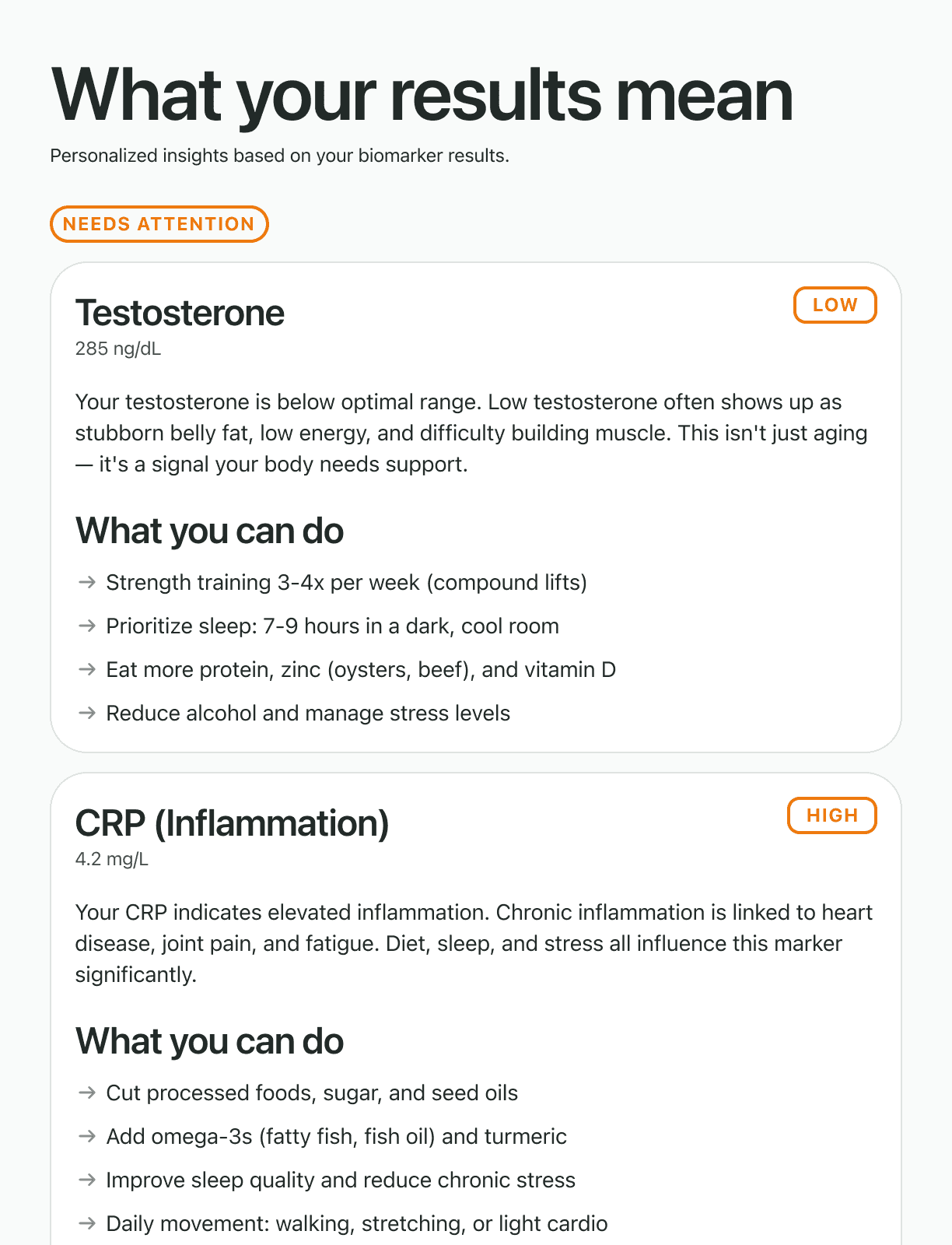
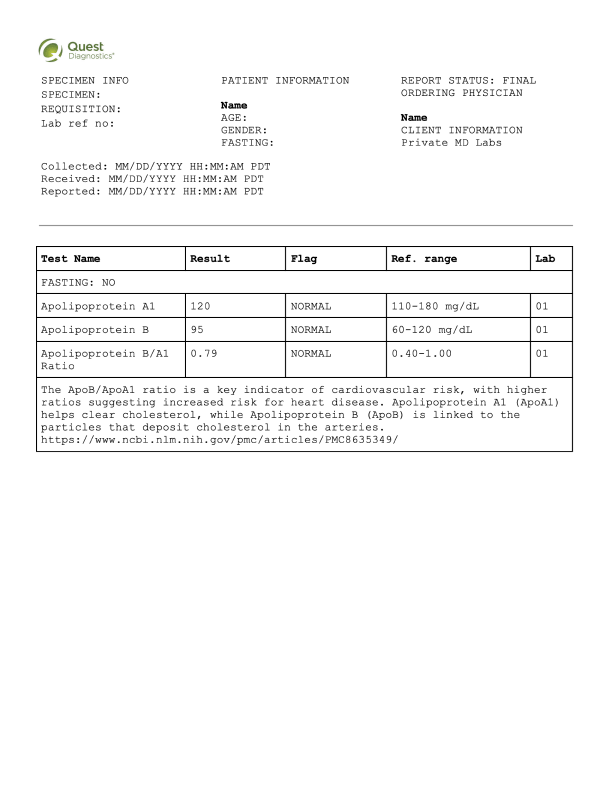
Sample results
Mitochondrial disorders are genetic conditions that impair the mitochondria's ability to produce cellular energy, affecting multiple organ systems including muscles, brain, and heart. These disorders are caused by mutations in mitochondrial DNA or nuclear DNA that controls mitochondrial function, leading to cellular energy depletion. The Coenzyme Q10 blood test is the most important test for assessing mitochondrial function because it measures this essential compound required for cellular energy production.
Mitochondrial disorders are caused by genetic mutations in either mitochondrial DNA or nuclear DNA that controls mitochondrial function. These mutations can be inherited from your mother (mitochondrial DNA is passed down maternally) or occur spontaneously as new mutations. The mutations disrupt the mitochondria's ability to produce ATP, the energy currency of cells, leading to organ dysfunction in tissues with high energy demands like the brain, heart, muscles, and eyes.
The Coenzyme Q10 blood test is the most important blood test for mitochondrial disorders because it measures levels of this essential compound required for cellular energy production within mitochondria. Low CoQ10 levels indicate impaired mitochondrial function and can help guide supplementation therapy. While definitive diagnosis requires specialized genetic testing and sometimes muscle biopsies, the CoQ10 test provides valuable information about mitochondrial function and helps monitor treatment effectiveness. Testing CoQ10 levels is particularly useful because supplementation with this compound has shown benefits in managing symptoms for some patients with mitochondrial disorders.
You should get tested if you experience unexplained muscle weakness, exercise intolerance, or fatigue that doesn't improve with rest. Testing is also important if you have neurological symptoms like seizures, developmental delays, or vision problems combined with muscle issues. Consider testing if multiple family members have similar unexplained symptoms, or if you have organ dysfunction affecting the heart, liver, or kidneys without a clear cause. Early testing helps guide treatment decisions and supplementation strategies that may improve quality of life.
What this means
Your CoQ10 levels are slightly below the optimal range. While not critically low, this may contribute to occasional fatigue, reduced stamina, or decreased cellular energy production, especially if you're taking statin medications. Optimizing your CoQ10 levels can support better energy and cardiovascular health.
Recommended actions
Include CoQ10-rich foods like fatty fish, organ meats, and whole grains in your diet
Discuss CoQ10 supplementation with your doctor, especially if taking statins
Engage in regular moderate exercise to improve mitochondrial function
Retest in 8-12 weeks after making dietary changes or starting supplementation
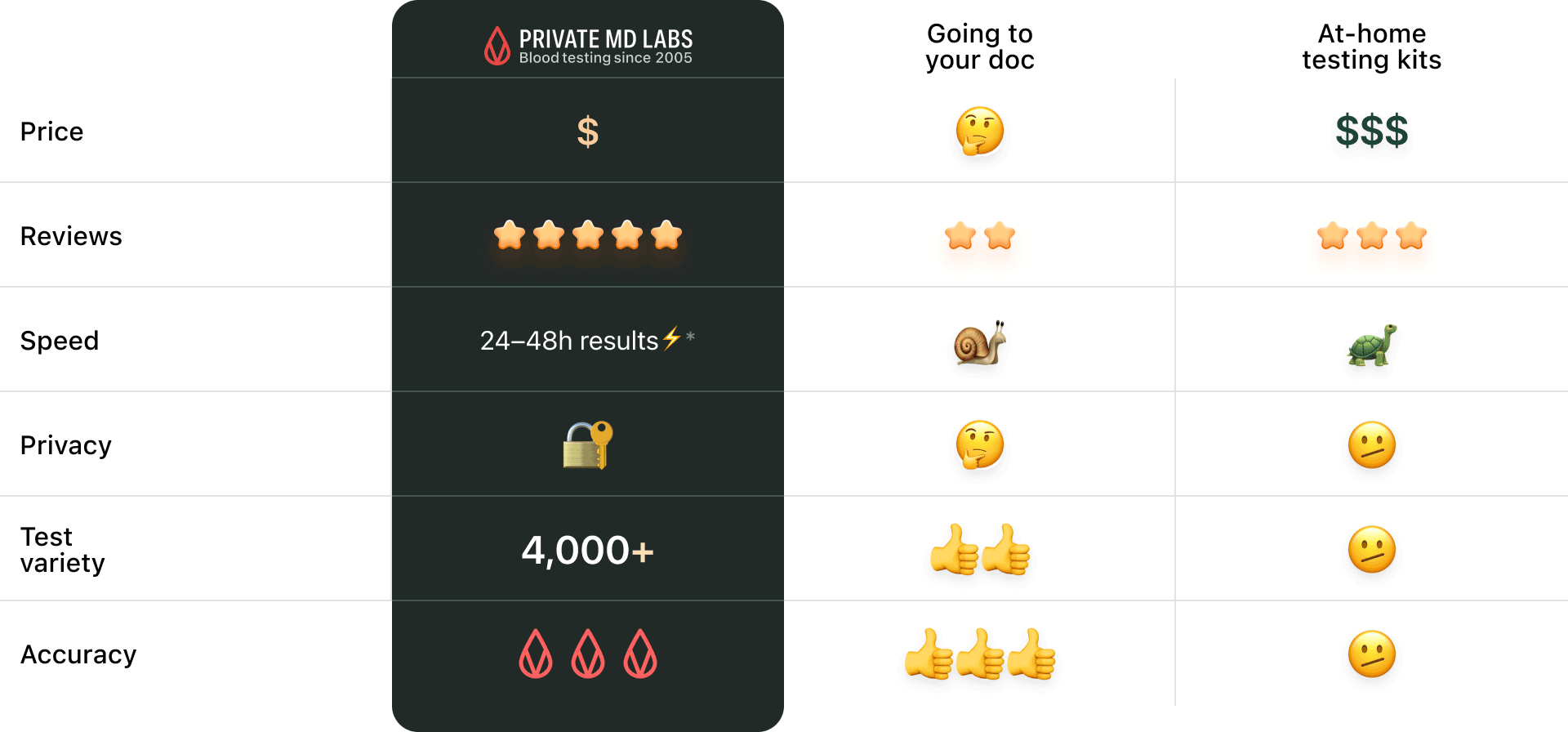
Not overhyped or overpriced. Just comprehensive blood testing made simple and for everyone.
Sample results
Your 24/7 Personal Lab Guide
Quick questions: