Meningitis is a serious inflammation of the protective membranes (meninges) surrounding the brain and spinal cord. It is caused by bacterial infections like Neisseria meningitidis and Streptococcus pneumoniae, viral infections including herpes simplex virus and enteroviruses, or fungal pathogens. The Blood Culture test is the most important blood test for meningitis because it identifies the specific bacteria or fungi in the bloodstream causing the infection.
90-day money-back guaranteeLab order in minutesSave a trip to the doctorLow prices since 2005Labs within 2 miles
What causes meningitis?
Meningitis is caused by bacterial infections such as Neisseria meningitidis, Streptococcus pneumoniae, and Haemophilus influenzae, viral infections including herpes simplex virus (HSV-1 and HSV-2), enteroviruses, and mumps virus, or fungal pathogens like Cryptococcus. Bacterial meningitis is the most serious type and spreads through respiratory droplets or close contact with infected individuals. Viral meningitis is more common and usually less severe, while fungal meningitis typically affects people with weakened immune systems.
What is the best test for meningitis?
The Blood Culture test is the most important blood test for meningitis because it identifies specific bacterial or fungal organisms in the bloodstream causing the infection, enabling targeted treatment with the right antibiotics or antifungal medications. For viral meningitis cases, the Herpes Simplex Virus 1 and 2 (IgG) Type Specific Antibodies test is essential because it detects antibodies to HSV-1 and HSV-2, which are common viral causes of meningitis. The Mumps Virus Antibody (IgG) test is also valuable when mumps is suspected as a complicating factor. These blood tests work alongside cerebrospinal fluid analysis to provide a complete picture of the infection type and guide appropriate treatment.
When should I get tested for meningitis?
You should get tested if you experience sudden high fever combined with severe headache and stiff neck, especially if these symptoms appear together and worsen rapidly. Get tested immediately if you notice confusion, extreme sensitivity to light, persistent vomiting, or a purple rash that does not fade when pressed. People who have been in close contact with someone diagnosed with meningitis, live in crowded settings like college dormitories, or have weakened immune systems should get tested at the first sign of symptoms. Meningitis is a medical emergency, and early testing can be lifesaving.
What are the symptoms of meningitis?
Meningitis symptoms include sudden high fever, severe headache that feels different from normal headaches, and a stiff neck that makes it painful to touch your chin to your chest. You might experience nausea and vomiting, confusion or difficulty concentrating, sensitivity to bright light, drowsiness or difficulty waking up, and lack of appetite. In bacterial meningitis, a distinctive purple or red rash may appear that does not fade when you press a glass against it. Infants may show symptoms like irritability, poor feeding, a bulging soft spot on the head, and a high-pitched cry.
Who is at risk for meningitis?
Infants, young children, and teenagers are at higher risk for meningitis, particularly those living in group settings like college dormitories or military barracks where infections spread easily. People with weakened immune systems due to HIV, diabetes, cancer treatment, or immunosuppressive medications face increased risk. Those who have not received meningitis vaccinations, have had their spleen removed, or travel to regions where meningitis is common are more vulnerable. People with recent head injuries, skull fractures, or ear and sinus infections also have elevated risk of developing meningitis.
What happens if meningitis is left untreated?
Untreated meningitis can lead to permanent brain damage, hearing loss, memory problems, and learning disabilities that affect your quality of life forever. Bacterial meningitis can cause sepsis, a life-threatening blood infection that leads to organ failure, shock, and death within hours or days. You may develop seizures, vision problems, kidney failure, or adrenal gland failure that requires lifelong management. Even viral meningitis, though usually less severe, can cause lasting complications like chronic headaches and cognitive difficulties if not properly managed.
Can meningitis be diagnosed with a blood test?
Blood tests cannot directly diagnose meningitis itself because the infection occurs in the membranes around the brain and spinal cord, but they play a crucial supporting role in identifying the cause. A Blood Culture test detects bacterial or fungal organisms in the bloodstream that are causing the infection, helping doctors select the right antibiotic or antifungal treatment. Antibody tests for herpes simplex virus and mumps virus help identify viral causes of meningitis. The definitive diagnosis requires a lumbar puncture to analyze cerebrospinal fluid, but blood tests provide essential information about the infectious agent and guide treatment decisions.
How is meningitis treated?
Bacterial meningitis requires immediate treatment with intravenous antibiotics, often started before test results confirm the specific bacteria, and may include corticosteroids to reduce brain inflammation. Viral meningitis treatment focuses on supportive care including rest, fluids, and pain relievers for headache and fever, though antiviral medications like acyclovir are used for herpes simplex virus meningitis. Fungal meningitis requires long-term antifungal medications given intravenously, sometimes for several months. Hospitalization is necessary for most meningitis cases to monitor for complications, provide fluids, and ensure proper treatment response.
How can I prevent meningitis?
Get vaccinated against meningococcal bacteria, pneumococcus, Haemophilus influenzae type b, and mumps according to recommended schedules for your age and health status. Practice good hygiene by washing your hands frequently, especially before eating and after using the bathroom, and avoid sharing drinks, utensils, lip balm, or toothbrushes with others. Maintain a strong immune system through adequate sleep, regular exercise, and a healthy diet rich in fruits and vegetables. If you are exposed to someone with meningitis, contact your doctor immediately about preventive antibiotics, and avoid close contact with people who have meningitis symptoms.
What can I do at home for meningitis?
Meningitis requires immediate medical attention and cannot be safely treated at home, but after hospital treatment begins, you can support recovery by getting plenty of rest and staying in a quiet, dark room to reduce light sensitivity and headache pain. Stay well-hydrated by drinking water, broth, and electrolyte beverages, and take prescribed pain relievers for headache and fever as directed by your doctor. Avoid strenuous activities and return to normal activities gradually as symptoms improve. Monitor for worsening symptoms like increased confusion, severe headache, or new rash, and seek emergency care immediately if these occur.
FAQ
How’s this work?
Getting your blood test with us is easy, private & backed by the power of science.
Long story short:
In the test options, use the filters or search box to narrow your choices and find the test you want.
If you need a hand navigating through options, text our super friendly support team at 754-799-7833, and we'll provide tailored suggestions to help you find the ideal test.
Once your order is placed, we’ll create your doctor’s lab order remotely, without any need for you to make a trip to a doctor in person or to talk to the doctor. Expect to receive your doctor’s lab order right in your inbox. It will also be in your patient portal if you need to find it later. We’ll also include instructions regarding fasting and other requirements for your test. Your patient portal will be auto-created hassle-free during checkout.
If this is your first time ordering, you'll be prompted to create a password for instant login access to your patient portal. It's a quick way to conveniently access your orders and results whenever you want.
When you’re ready, visit one of our 4,000 locations. Just bring your ID – no printing or faxing of your lab order is needed, as your order and details will already be in the lab system.
Note that most lab locations don’t accept walk-ins, so it’s best to book an appointment in advance. Don’t worry – we’ll provide detailed instructions along the way.
You’ll get your results via email & SMS and dive into understanding your body better. Yup, that easy!
If you have any questions, please text us at 754-799-7833 or email [email protected] and we'll gladly help you.
How do I know which test to get?
In the test options, find the test you want.
If you’re not sure which test to get, we can lend a hand in finding the right option.
Just text or call us at 754-799-7833, email us at [email protected], and we'll gladly help you. We've got your back and reply quickly.
Is it possible to make changes to my lab order if I made a mistake with the name, date of birth, or any other details?
Absolutely! We totally understand that errors can happen. No worries, we're here to help you.
Just reach out to us via text at 754-799-7833 or shoot us an email at
[email protected]. Remember to include your order number and let us know the correct information you’d like to update.
Our awesome team will jump right in and make sure everything is sorted out and accurate for you.
There are no changes necessary if your address is wrong on the requisition though. We don’t mail anything out.
Our lab requires an address to be listed to generate an order.
Do you accept health insurance?
Only HSA & FSA is accepted.
Our services are strictly self-pay and cannot be submitted to your health insurance provider except for Health Savings Accounts or Flexible Savings Accounts.
This policy applies to all insurance companies, including federal health insurance programs like Medicare.
You can read more about our cancellation policy here.
How can I find a lab location near me?
During the ordering process, you’ll be able to select a specific lab near you, with no strings attached!
You can switch it up later easily and visit any of our authorized locations as long as it’s the same lab company you selected your test for (Quest Diagnostics or Labcorp).
Before you proceed with your order, feel free to browse through all our lab locations here. This will give you the peace of mind of knowing that there's a lab nearby your home, office or your favorite gym.
Here’s how easy it is to get blood work done on your terms
Order your testSave a trip to the doctor. Your results will come with clear, friendly explanations.Takes 2 minutes
Book an appointmentVisit any of our 4,000 nearby lab locations to have your samples collected.Book or walk-in
Get resultsReceive a clear, easy-to-digest health report by email & SMS within a few business days.Get answers, fast
Here’s why 1,000,000+ customers chose us for affordable hassle-free private blood testing.
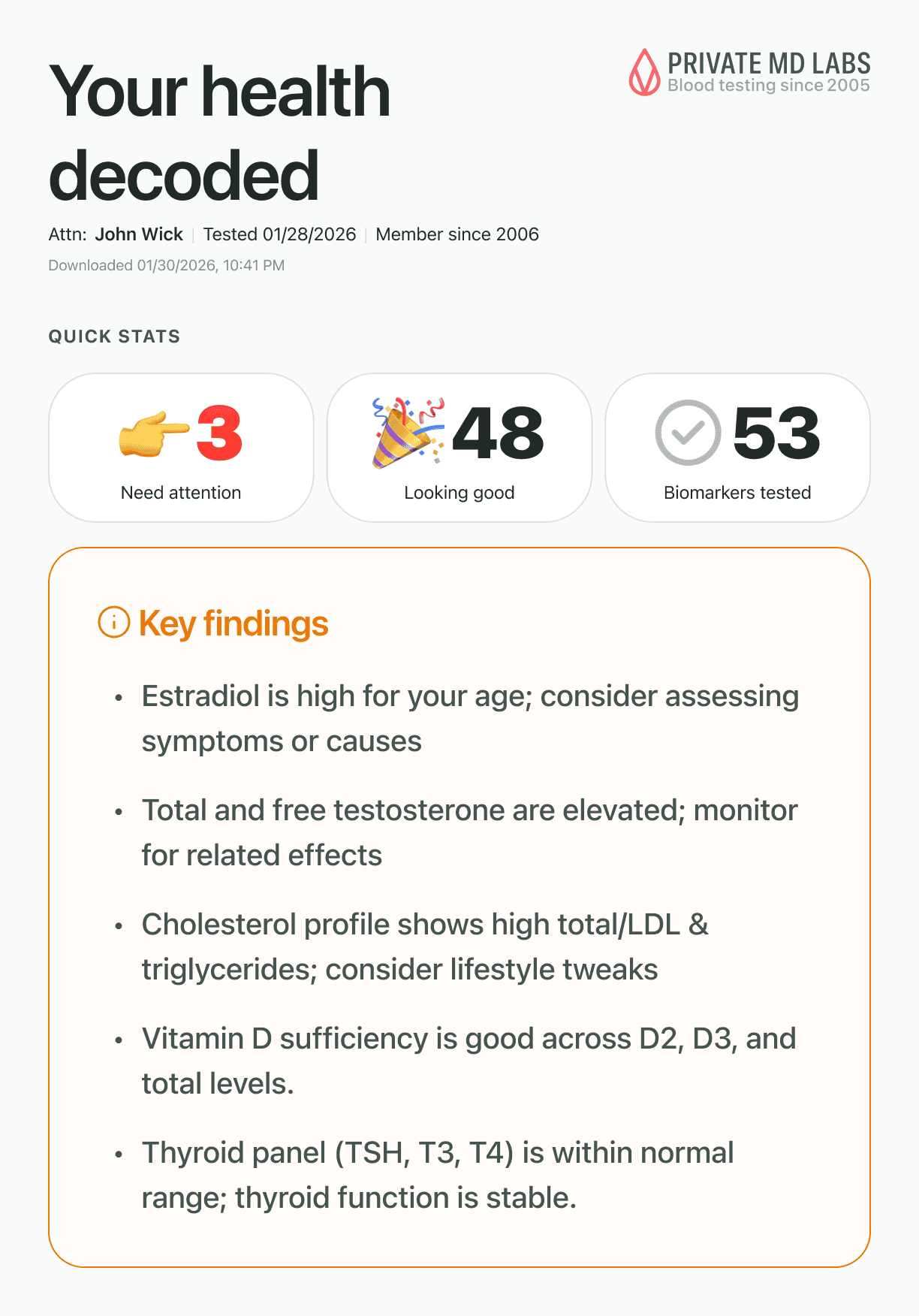
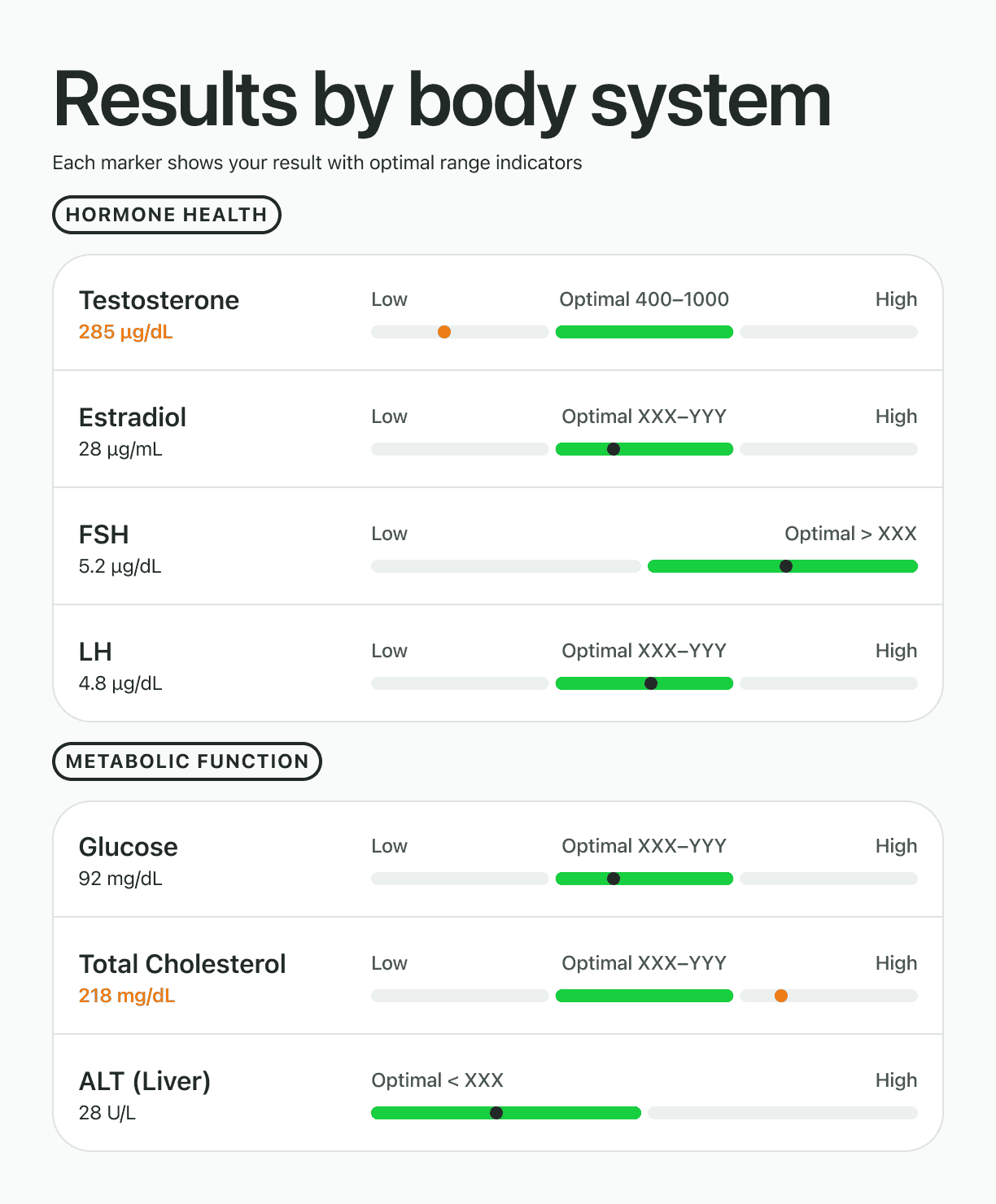
You get clinical lab reports & simplified health insights.
Save time & gas, go straight to the lab. Our doctors cover the rest.
Results start landing the next day after your lab visit.*
We don’t sell or share your data. Your time & privacy matter.
US-licensed doctors have your back if things get unclear.
No hidden fees, nice discounts for regular checkups.
Save a trip to the doctor, go directly to the lab
Get lab order in minutes, results come overnight*
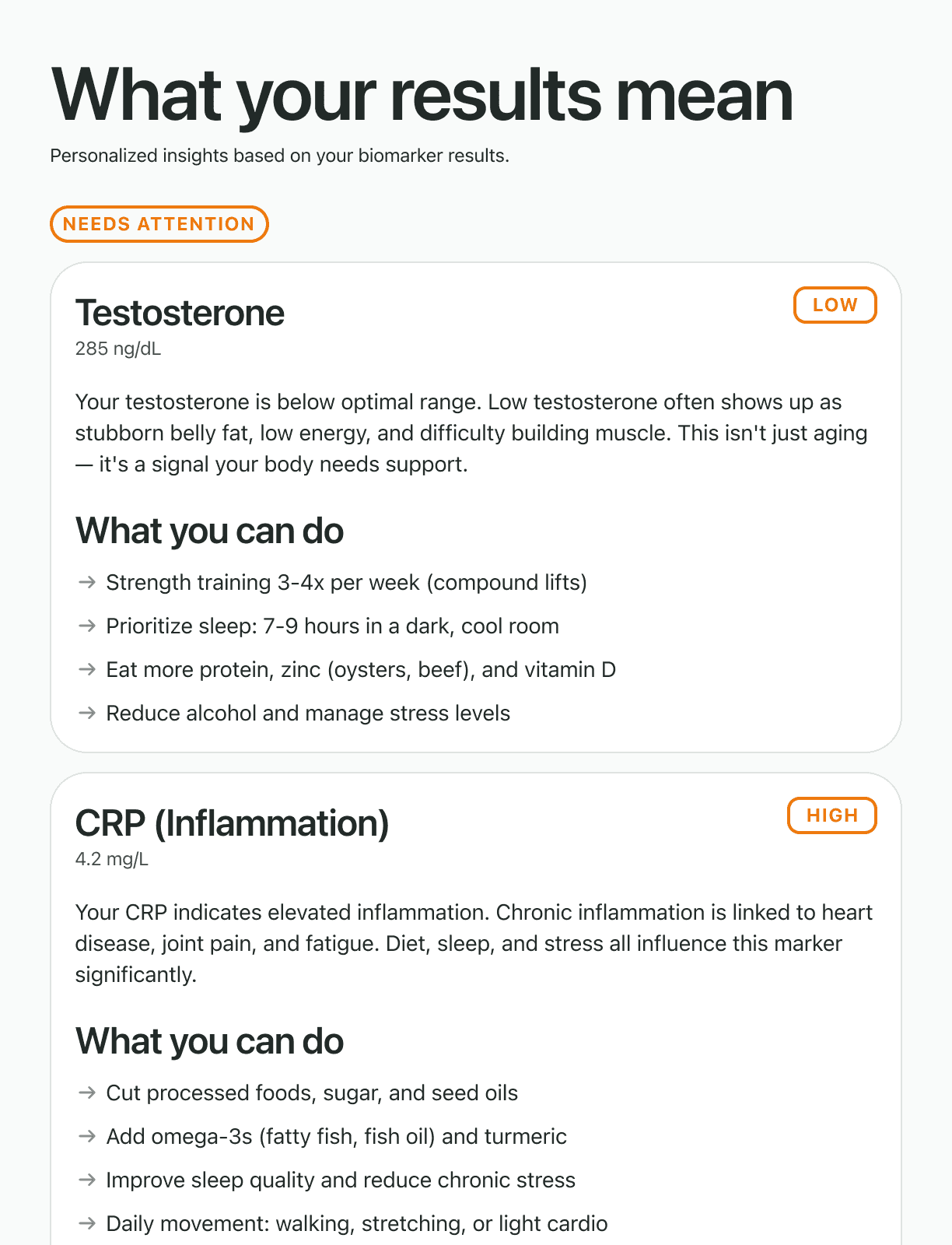
Results explained in simple language
Reviewed by US licensed doctors
Fast & confidential, we never sell or share your data
No insurance needed, transparent pricing
Demo results
Blood CultureNegative
Demo results
NegativePositive
Negative
What this means
Your blood culture came back negative, meaning no bacteria or microorganisms were detected in your bloodstream. This is the expected and healthy result, indicating no bloodstream infection at the time of testing.
Recommended actions
Continue monitoring your symptoms and follow up with your healthcare provider if fever or other concerning symptoms persist
Complete any prescribed antibiotic course if you started treatment before the test
Maintain good hygiene and infection prevention practices, especially if you have medical devices or recent procedures
Discuss with your doctor whether additional testing is needed if symptoms continue despite negative culture
* Regular blood test results (e.g., CBC) typically start arriving the next business day after sample collection. More advanced tests may take longer due to complexity.
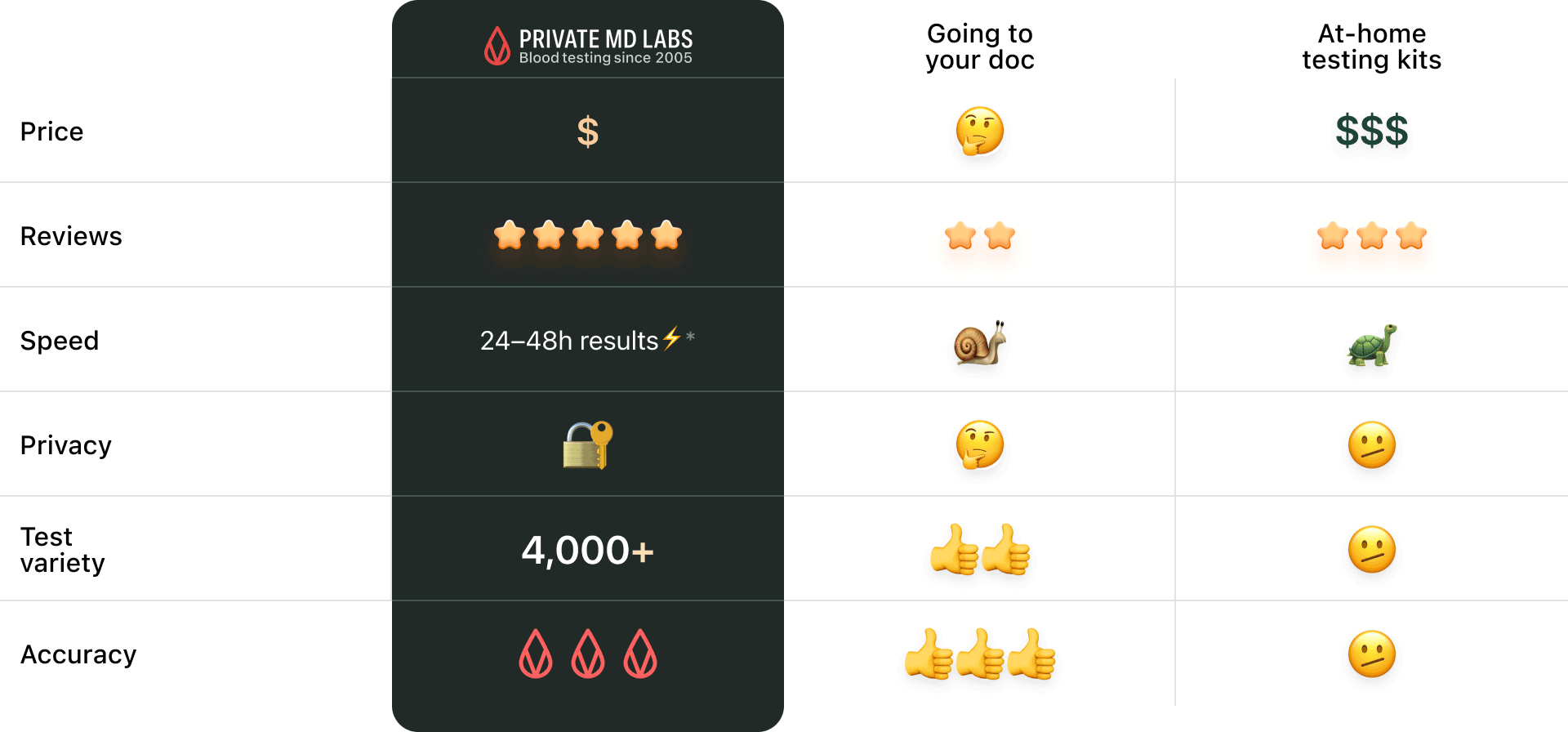
Us vs. Them
Not overhyped or overpriced. Just comprehensive blood testing made simple and for everyone.
* Regular blood test results (e.g., CBC) typically start arriving the next business day after sample collection. More complex tests, such as hormone panels, may take up to 10–15 business days due to their complexity.
1,000,000+ blood tests later, here's what our customers say
Estradiol Ultrasensitive results may get delayed due to high lab volume.It’s a nationwide delay affecting all labs (not just us). Standard processing times apply to all other tests in this panel.
Zinc extended turnaround
Zinc results may get delayed due to high lab volume.It’s a nationwide delay affecting all labs (not just us). Standard processing times apply to all other tests in this panel.
Pregnenolone extended turnaround
Pregnenolone results may get delayed due to high lab volume.It’s a nationwide delay affecting all labs (not just us). Standard processing times apply to all other tests in this panel.

 Login
Login


 90-day money-back guarantee
 Lab order in minutes
 Save a trip to the doctor
 Low prices since 2005
 Labs within 2 miles