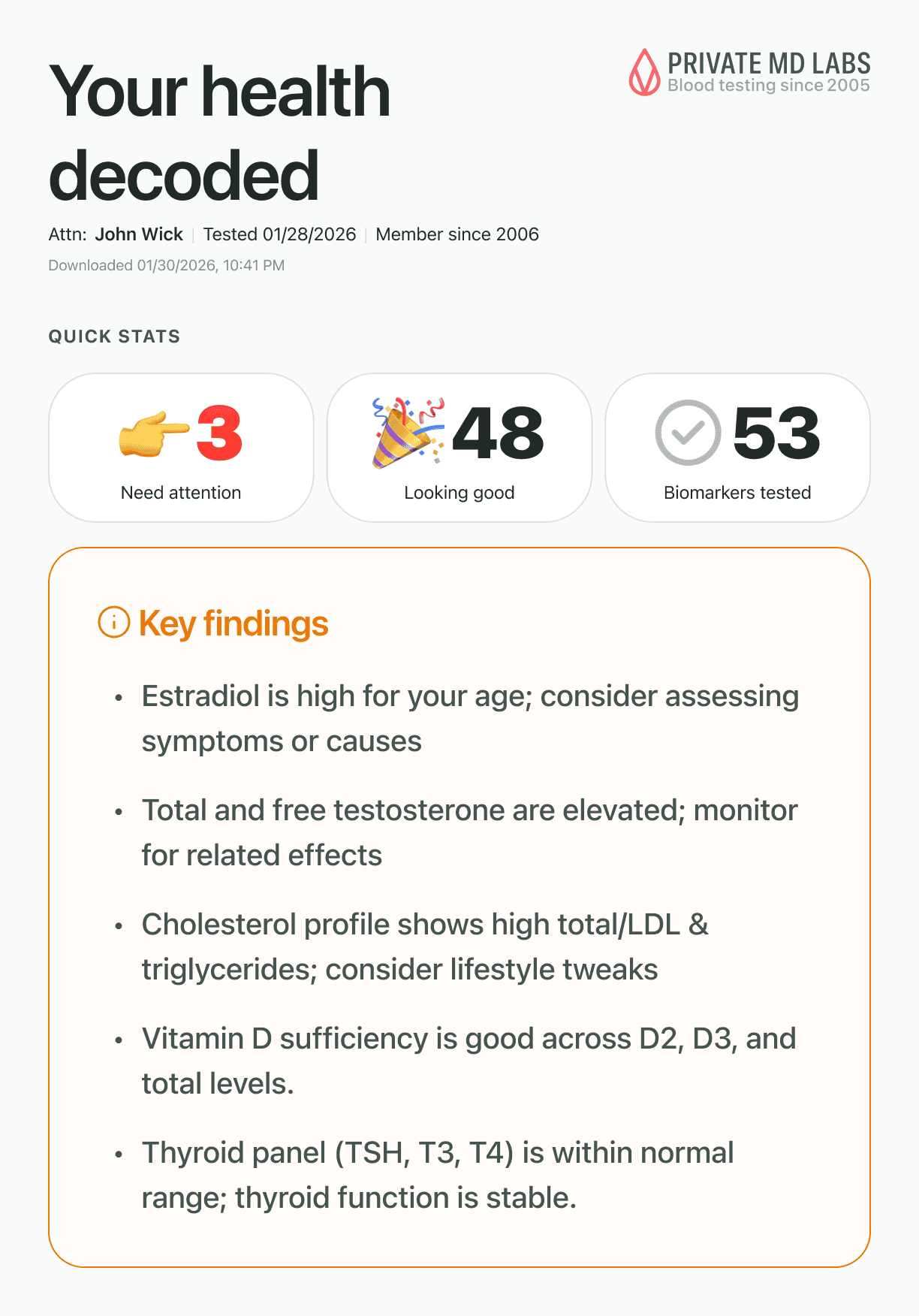
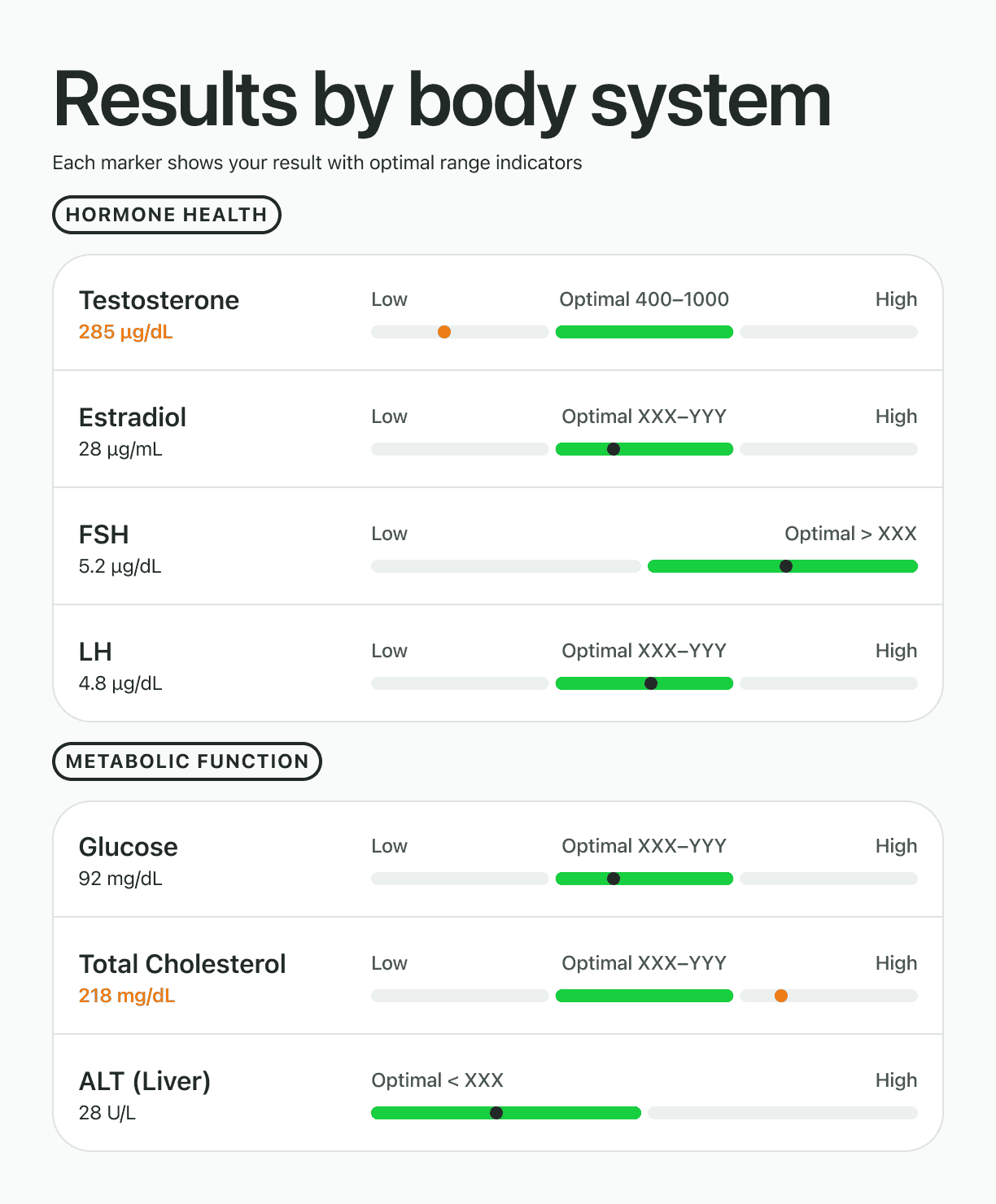
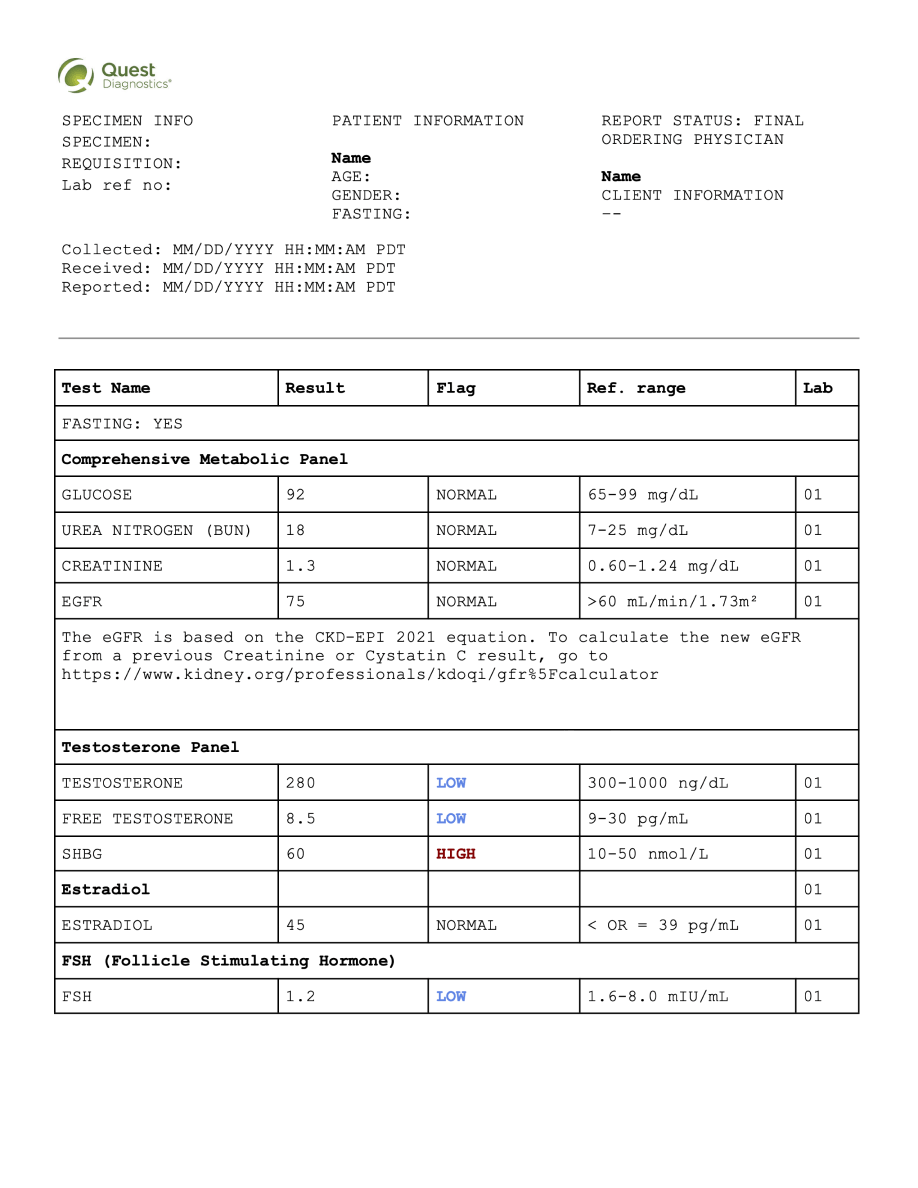
Sample results
Medullary thyroid cancer (MTC) is a rare form of thyroid cancer that originates in the parafollicular C-cells of the thyroid gland. It is caused by mutations in the RET proto-oncogene, which leads to abnormal cell growth and the secretion of calcitonin and carcinoembryonic antigen (CEA). The Carcinoembryonic Antigen (CEA) test is the most important blood test for monitoring treatment effectiveness and detecting cancer recurrence in MTC patients.
Medullary thyroid cancer is caused by mutations in the RET proto-oncogene, which leads to uncontrolled growth of parafollicular C-cells in the thyroid gland. These mutations can be inherited (familial MTC) or occur spontaneously (sporadic MTC). About 25% of cases are hereditary and associated with genetic syndromes like Multiple Endocrine Neoplasia type 2 (MEN2), while the remaining 75% occur randomly without a family history. The mutated cells produce excessive amounts of calcitonin and carcinoembryonic antigen (CEA), which serve as tumor markers for diagnosis and monitoring.
The Carcinoembryonic Antigen (CEA) test is the most important blood test for monitoring medullary thyroid cancer because it detects elevated CEA levels that indicate active disease or recurrence. CEA levels typically decrease with successful treatment and rise when cancer returns or progresses, making it essential for tracking treatment effectiveness. While calcitonin is the primary tumor marker for initial diagnosis, CEA provides complementary information and is particularly valuable for long-term monitoring. Regular CEA testing helps your healthcare team detect cancer recurrence early and make timely treatment adjustments to improve outcomes.
You should get tested if you have a family history of medullary thyroid cancer or Multiple Endocrine Neoplasia syndromes, notice a lump or nodule in your neck, experience persistent hoarseness or difficulty swallowing, or have unexplained diarrhea (a common symptom of MTC). If you have already been diagnosed with medullary thyroid cancer, regular CEA testing is essential to monitor your treatment response and detect potential recurrence. Your doctor will typically recommend testing every 3-6 months after treatment, with frequency adjusted based on your individual risk factors and treatment plan.
What this means
Your CEA level is slightly elevated above the typical reference range. While this doesn't necessarily mean cancer is present, it warrants follow-up, especially if you have a history of cancer or are a smoker. Elevated CEA can also occur with inflammatory conditions or benign diseases.
Recommended actions
Follow up with your doctor to discuss your result in context of your medical history
If you smoke, consider quitting as smoking can naturally elevate CEA levels
Monitor trends by retesting in 4-8 weeks to see if levels are stable, rising, or declining
Discuss whether additional imaging or diagnostic tests are needed based on your symptoms
Not overhyped or overpriced. Just comprehensive blood testing made simple and for everyone.
Sample results
Your 24/7 Personal Lab Guide
Quick questions: