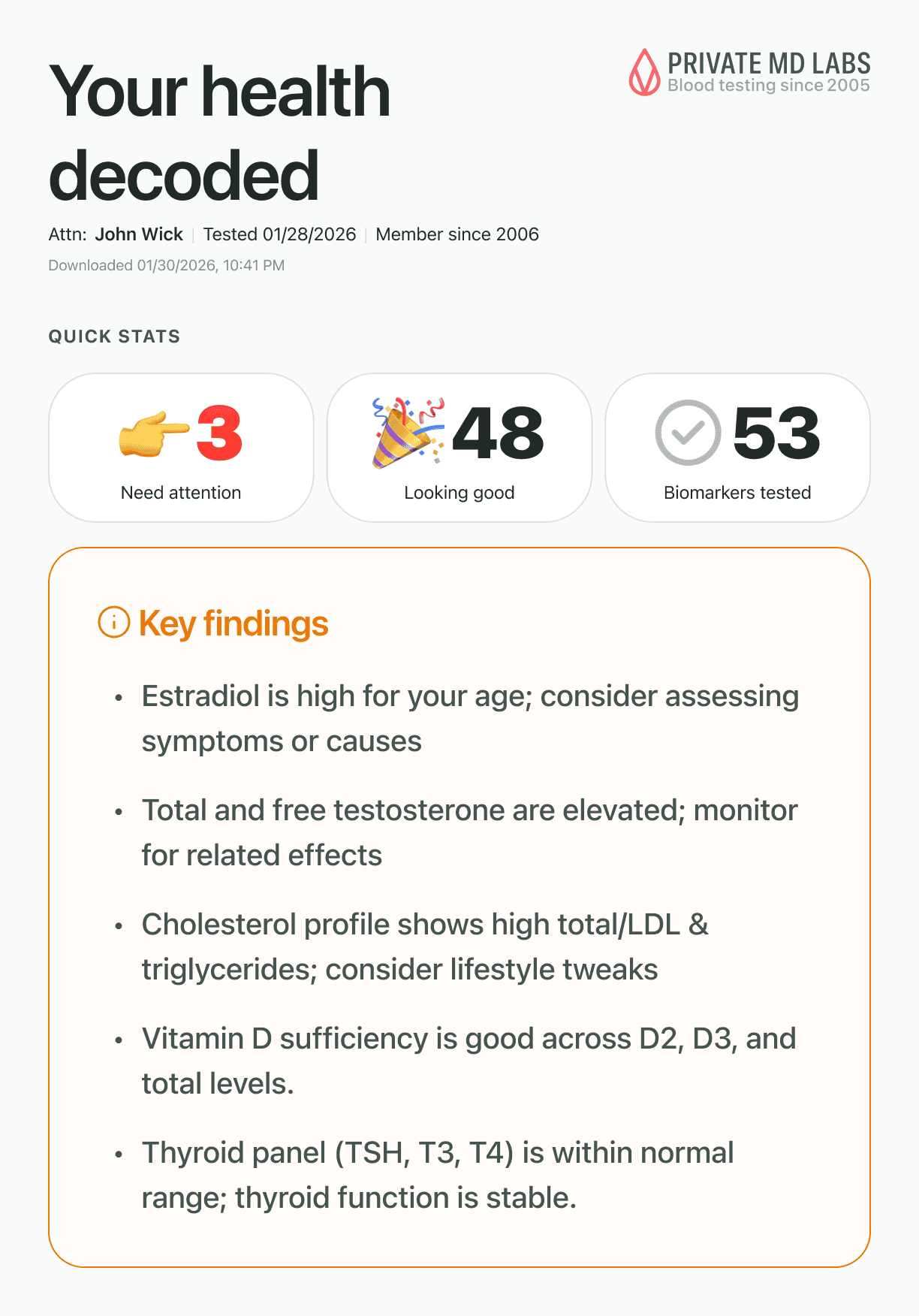
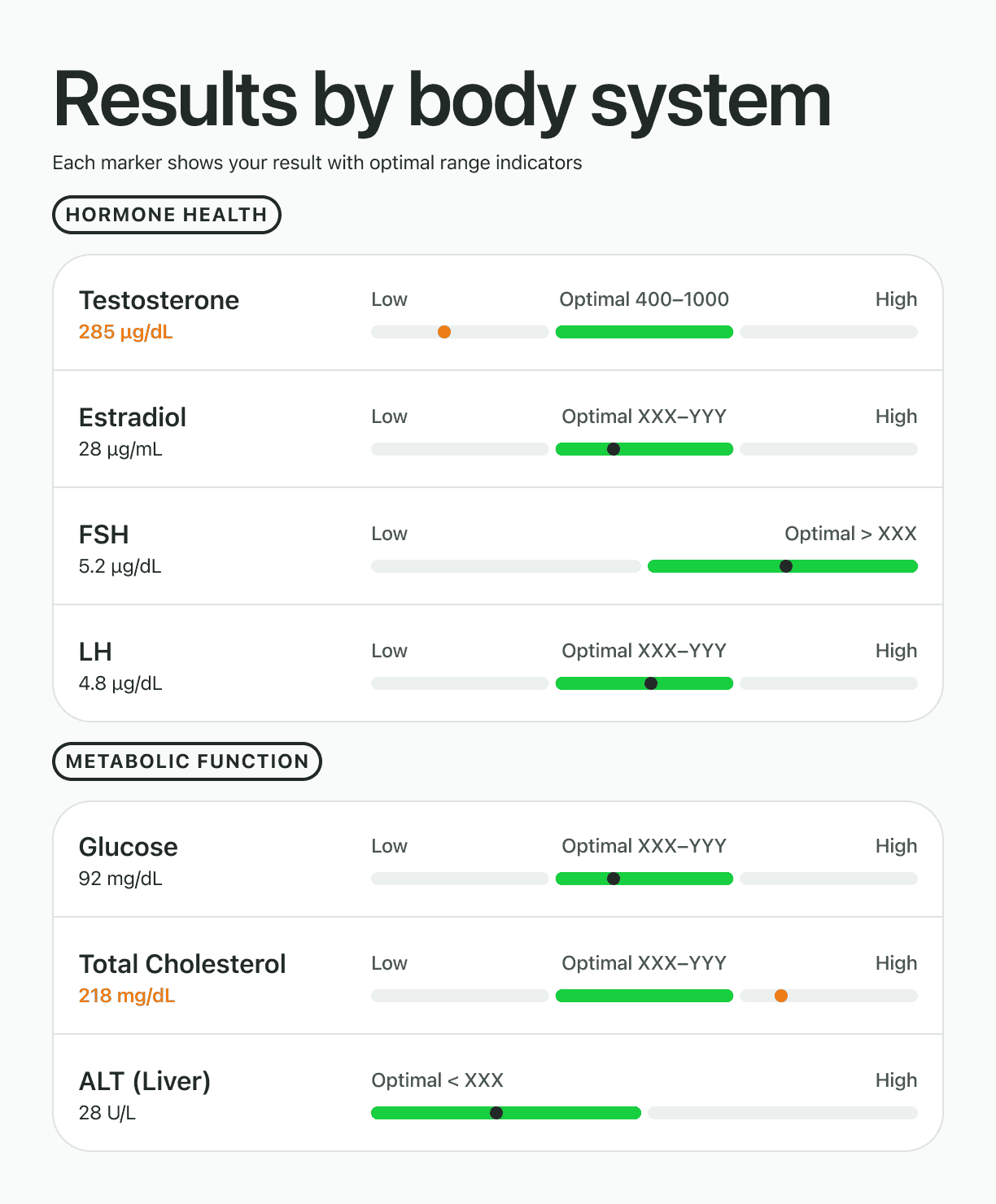
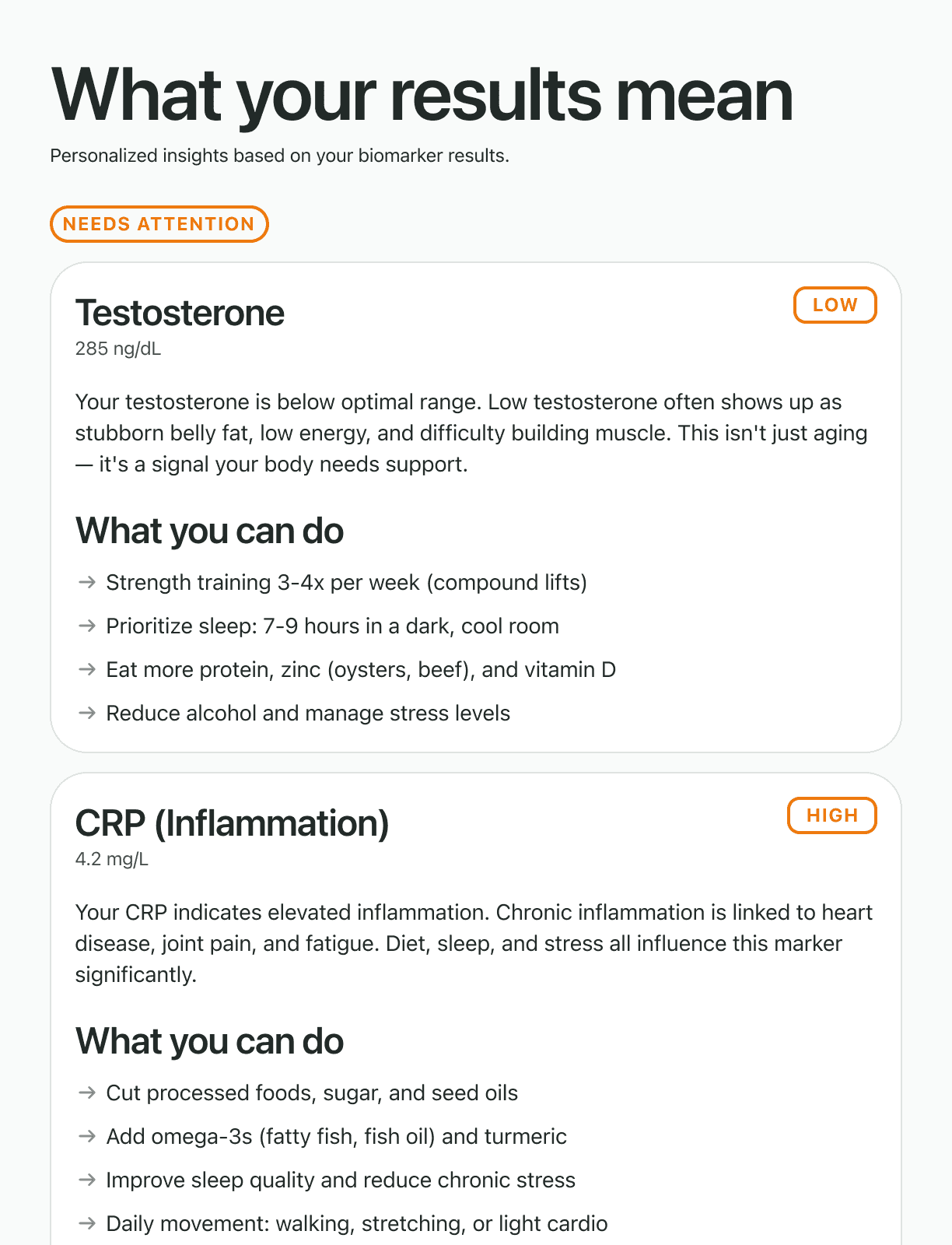
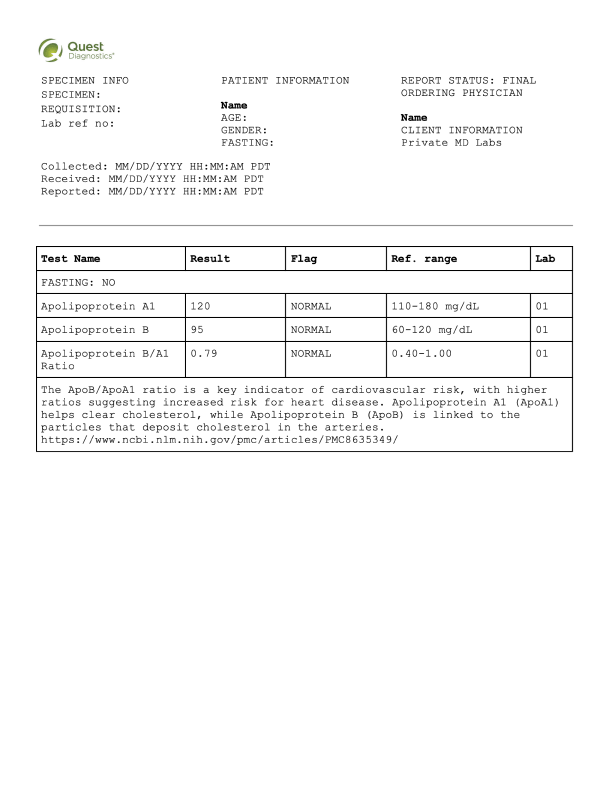
Sample results
Maple allergy is an immune system reaction to proteins found in maple tree pollen that causes seasonal allergic rhinitis symptoms. It is caused by the production of immunoglobulin E (IgE) antibodies when the immune system mistakenly identifies maple pollen proteins as harmful invaders. The Respiratory Allergy Profile Region IX is the most important test for diagnosis because it measures specific IgE antibody levels to maple pollen and other regional allergens.
Maple allergy is caused by an overactive immune response to proteins in maple tree pollen. When you breathe in maple pollen during pollination season (typically spring), your immune system mistakenly identifies these harmless proteins as dangerous invaders and produces immunoglobulin E (IgE) antibodies. These antibodies trigger the release of histamine and other inflammatory chemicals that cause allergy symptoms like sneezing, runny nose, and itchy eyes.
The Respiratory Allergy Profile Region IX is the most important test for maple allergy because it detects specific IgE antibodies to maple pollen in your blood. This comprehensive panel measures your immune system's reaction to maple pollen along with other common regional allergens in Kansas, Nebraska, North Dakota, and South Dakota. High levels of maple-specific IgE antibodies confirm a true maple pollen allergy rather than just general seasonal symptoms. Unlike skin prick tests, blood testing is safer for people with severe allergies or skin conditions and provides quantifiable antibody levels to track your allergy severity over time.
You should get tested if you experience sneezing, runny nose, itchy or watery eyes, nasal congestion, or sinus pressure specifically during spring months when maple trees are pollinating. Testing is especially important if your symptoms return every year at the same time, if over-the-counter allergy medications are not working well, or if you want to pursue immunotherapy (allergy shots) for long-term relief. You can get tested any time of year, even when you are not experiencing symptoms, because the blood test measures your underlying antibody levels.
What this means
Your IgE antibodies to common ragweed are elevated, indicating a positive sensitization. This suggests ragweed pollen is likely a trigger for your late summer and fall allergy symptoms like sneezing, runny nose, and itchy eyes. Understanding this trigger allows you to take preventive measures during ragweed season, typically August through October in your region.
Recommended actions
Monitor pollen counts and stay indoors when ragweed levels are high, especially on dry, windy days
Keep windows closed during ragweed season and use air conditioning with clean filters
Shower and change clothes after spending time outdoors to remove pollen
Consider starting antihistamines before ragweed season begins and discuss immunotherapy options with your doctor
Not overhyped or overpriced. Just comprehensive blood testing made simple and for everyone.
Sample results
Your 24/7 Personal Lab Guide
Quick questions: