Inflammatory Bowel Disease (IBD) is a group of chronic inflammatory conditions affecting the digestive tract, primarily including Crohn's disease and ulcerative colitis. It is caused by an abnormal immune system response that triggers chronic inflammation in the gastrointestinal tract, with genetic and environmental factors contributing to disease development. The Inflammatory Bowel Disease Differentiation Panel is the most important test for distinguishing between Crohn's disease and ulcerative colitis through ANCA antibody detection.
90-day money-back guaranteeLab order in minutesSave a trip to the doctorLow prices since 2005Labs within 2 miles
What causes Inflammatory Bowel Disease (IBD)?
Inflammatory Bowel Disease is caused by an abnormal immune system response that mistakenly attacks the digestive tract, triggering chronic inflammation. The exact trigger remains unclear, but research shows that genetic predisposition plays a significant role—people with family members who have IBD are at higher risk. Environmental factors such as diet, stress, smoking, and changes in gut bacteria (microbiome) can activate or worsen the condition in genetically susceptible individuals. Unlike temporary digestive issues, IBD involves a persistent immune malfunction that leads to ongoing inflammation, tissue damage, and symptoms like abdominal pain, diarrhea, and bleeding.
What is the best test for Inflammatory Bowel Disease?
The Inflammatory Bowel Disease Differentiation Panel is the most important blood test for IBD because it detects ANCA (Anti-Neutrophil Cytoplasmic Antibodies) and other immune markers that help distinguish between Crohn's disease and ulcerative colitis. These antibodies are particularly elevated in ulcerative colitis patients and provide crucial information for determining the specific type of IBD you have. While no single blood test can definitively diagnose IBD on its own, this panel works alongside other diagnostic tools like colonoscopy and imaging to give your healthcare provider a complete picture. The test also measures inflammatory markers such as C-reactive protein (CRP) and erythrocyte sedimentation rate (ESR) that indicate disease activity and help monitor how well treatments are working over time.
When should I get tested for IBD?
You should get tested if you experience persistent diarrhea lasting more than two weeks, especially if it contains blood or mucus, or if you have chronic abdominal cramping and pain that doesn't improve. Other warning signs include unexplained weight loss, frequent urgent bowel movements that wake you at night, persistent fatigue, and recurring fever. If you have a family history of IBD or autoimmune conditions, testing becomes even more important when digestive symptoms appear. Early detection through blood testing allows for prompt treatment that can prevent serious complications like intestinal damage, strictures, and malnutrition.
What are the symptoms of Inflammatory Bowel Disease?
IBD symptoms include persistent diarrhea (often bloody or containing mucus), severe abdominal cramping and pain, urgent bowel movements, and rectal bleeding. You might experience unintended weight loss due to poor nutrient absorption, chronic fatigue that interferes with daily activities, and reduced appetite. Many people also develop symptoms outside the digestive tract, including joint pain, skin rashes, eye inflammation, and mouth sores. Symptoms typically occur in flare-ups with periods of remission, and severity varies widely—some people have mild symptoms while others experience debilitating episodes that significantly impact quality of life.
Who is at risk for Inflammatory Bowel Disease?
People with a family history of IBD have a significantly higher risk, especially if a parent or sibling has the condition. IBD most commonly develops between ages 15 and 35, though it can occur at any age. Caucasians and people of Ashkenazi Jewish descent have higher incidence rates, though IBD affects all ethnic groups. Smokers have an increased risk of developing Crohn's disease, while paradoxically, smoking may provide some protection against ulcerative colitis. Living in industrialized countries or urban areas correlates with higher IBD rates, suggesting environmental factors like diet, pollution, and reduced exposure to certain infections play a role. People who have used nonsteroidal anti-inflammatory drugs (NSAIDs) long-term or consumed high amounts of processed foods may also face elevated risk.
What happens if IBD is left untreated?
Untreated IBD leads to progressive intestinal damage including ulcers, strictures (narrowing of the intestine), and fistulas (abnormal connections between organs). You face an increased risk of colon cancer, especially with long-standing ulcerative colitis affecting large portions of the colon. Chronic inflammation causes severe malnutrition and vitamin deficiencies because your damaged intestines cannot properly absorb nutrients, leading to anemia, osteoporosis, and weakened immune function. Serious complications include intestinal perforation (a hole in the bowel wall), toxic megacolon (dangerous colon swelling), and massive bleeding that may require emergency surgery. Beyond physical damage, untreated IBD significantly impacts mental health, career prospects, and relationships due to unpredictable symptoms and frequent hospitalizations.
Can Inflammatory Bowel Disease be diagnosed with a blood test?
Blood tests alone cannot definitively diagnose IBD, but they provide essential supporting evidence when combined with other diagnostic methods. The Inflammatory Bowel Disease Differentiation Panel detects specific antibodies like ANCA that are frequently present in IBD patients and help distinguish between Crohn's disease and ulcerative colitis. Blood tests also measure inflammatory markers such as C-reactive protein and erythrocyte sedimentation rate that indicate active inflammation in your body. Complete blood counts can reveal anemia from chronic bleeding or malabsorption. A comprehensive IBD diagnosis typically requires colonoscopy with tissue biopsies, imaging studies like CT or MRI, and stool tests to rule out infections, but blood work provides valuable initial screening and ongoing monitoring of disease activity.
How is Inflammatory Bowel Disease treated?
IBD treatment focuses on reducing inflammation, managing symptoms, and preventing complications through a combination of medications and lifestyle modifications. Anti-inflammatory drugs like aminosalicylates and corticosteroids help control acute flare-ups, while immunosuppressants and biologic therapies target the underlying immune dysfunction for long-term management. Your doctor may prescribe antibiotics if infections develop or use antidiarrheal medications and pain relievers for symptom control. Nutritional support through specialized diets, vitamin supplements, or in severe cases, feeding tubes or intravenous nutrition helps address malabsorption issues. Surgery to remove damaged portions of the intestine becomes necessary when medications fail or complications like strictures and fistulas develop. Regular monitoring through blood tests and colonoscopies ensures your treatment plan remains effective and allows early detection of complications.
How can I prevent Inflammatory Bowel Disease?
While you cannot completely prevent IBD due to its genetic component, certain lifestyle choices may reduce your risk or delay onset. Avoiding smoking is crucial, as tobacco use significantly increases Crohn's disease risk and worsens IBD outcomes. Following an anti-inflammatory diet rich in fruits, vegetables, whole grains, and omega-3 fatty acids while limiting processed foods, red meat, and refined sugars may help protect gut health. Managing stress through regular exercise, adequate sleep, and relaxation techniques supports immune function and reduces inflammation triggers. If you have a family history of IBD, working with your doctor to monitor early symptoms and address them promptly can prevent severe disease progression. Limiting unnecessary antibiotic use helps preserve beneficial gut bacteria that protect against inflammatory conditions.
What natural remedies help with Inflammatory Bowel Disease?
Probiotics containing beneficial bacteria like Lactobacillus and Bifidobacterium strains may help restore gut balance and reduce inflammation, though their effectiveness varies by individual. Omega-3 fatty acids from fish oil supplements have anti-inflammatory properties that some IBD patients find helpful for reducing symptoms. Curcumin (turmeric extract) shows promise in research studies for its anti-inflammatory effects, particularly in maintaining remission for ulcerative colitis. Stress-reduction techniques including meditation, yoga, and deep breathing exercises can help manage flare-ups since stress triggers inflammatory responses. Many people benefit from keeping a food diary to identify personal trigger foods and following a low-residue diet during flare-ups to reduce bowel irritation. However, these natural approaches should complement, not replace, prescribed medical treatments, and you should discuss any supplements with your healthcare provider to avoid interactions with medications.
FAQ
How’s this work?
Getting your blood test with us is easy, private & backed by the power of science.
Long story short:
In the test options, use the filters or search box to narrow your choices and find the test you want.
If you need a hand navigating through options, text our super friendly support team at 754-799-7833, and we'll provide tailored suggestions to help you find the ideal test.
Once your order is placed, we’ll create your doctor’s lab order remotely, without any need for you to make a trip to a doctor in person or to talk to the doctor. Expect to receive your doctor’s lab order right in your inbox. It will also be in your patient portal if you need to find it later. We’ll also include instructions regarding fasting and other requirements for your test. Your patient portal will be auto-created hassle-free during checkout.
If this is your first time ordering, you'll be prompted to create a password for instant login access to your patient portal. It's a quick way to conveniently access your orders and results whenever you want.
When you’re ready, visit one of our 4,000 locations. Just bring your ID – no printing or faxing of your lab order is needed, as your order and details will already be in the lab system.
Note that most lab locations don’t accept walk-ins, so it’s best to book an appointment in advance. Don’t worry – we’ll provide detailed instructions along the way.
You’ll get your results via email & SMS and dive into understanding your body better. Yup, that easy!
If you have any questions, please text us at 754-799-7833 or email [email protected] and we'll gladly help you.
How do I know which test to get?
In the test options, find the test you want.
If you’re not sure which test to get, we can lend a hand in finding the right option.
Just text or call us at 754-799-7833, email us at [email protected], and we'll gladly help you. We've got your back and reply quickly.
Is it possible to make changes to my lab order if I made a mistake with the name, date of birth, or any other details?
Absolutely! We totally understand that errors can happen. No worries, we're here to help you.
Just reach out to us via text at 754-799-7833 or shoot us an email at
[email protected]. Remember to include your order number and let us know the correct information you’d like to update.
Our awesome team will jump right in and make sure everything is sorted out and accurate for you.
There are no changes necessary if your address is wrong on the requisition though. We don’t mail anything out.
Our lab requires an address to be listed to generate an order.
Do you accept health insurance?
Only HSA & FSA is accepted.
Our services are strictly self-pay and cannot be submitted to your health insurance provider except for Health Savings Accounts or Flexible Savings Accounts.
This policy applies to all insurance companies, including federal health insurance programs like Medicare.
You can read more about our cancellation policy here.
How can I find a lab location near me?
During the ordering process, you’ll be able to select a specific lab near you, with no strings attached!
You can switch it up later easily and visit any of our authorized locations as long as it’s the same lab company you selected your test for (Quest Diagnostics or Labcorp).
Before you proceed with your order, feel free to browse through all our lab locations here. This will give you the peace of mind of knowing that there's a lab nearby your home, office or your favorite gym.
Here’s how easy it is to get blood work done on your terms
Order your testSave a trip to the doctor. Your results will come with clear, friendly explanations.Takes 2 minutes
Book an appointmentVisit any of our 4,000 nearby lab locations to have your samples collected.Book or walk-in
Get resultsReceive a clear, easy-to-digest health report by email & SMS within a few business days.Get answers, fast
Here’s why 1,000,000+ customers chose us for affordable hassle-free private blood testing.
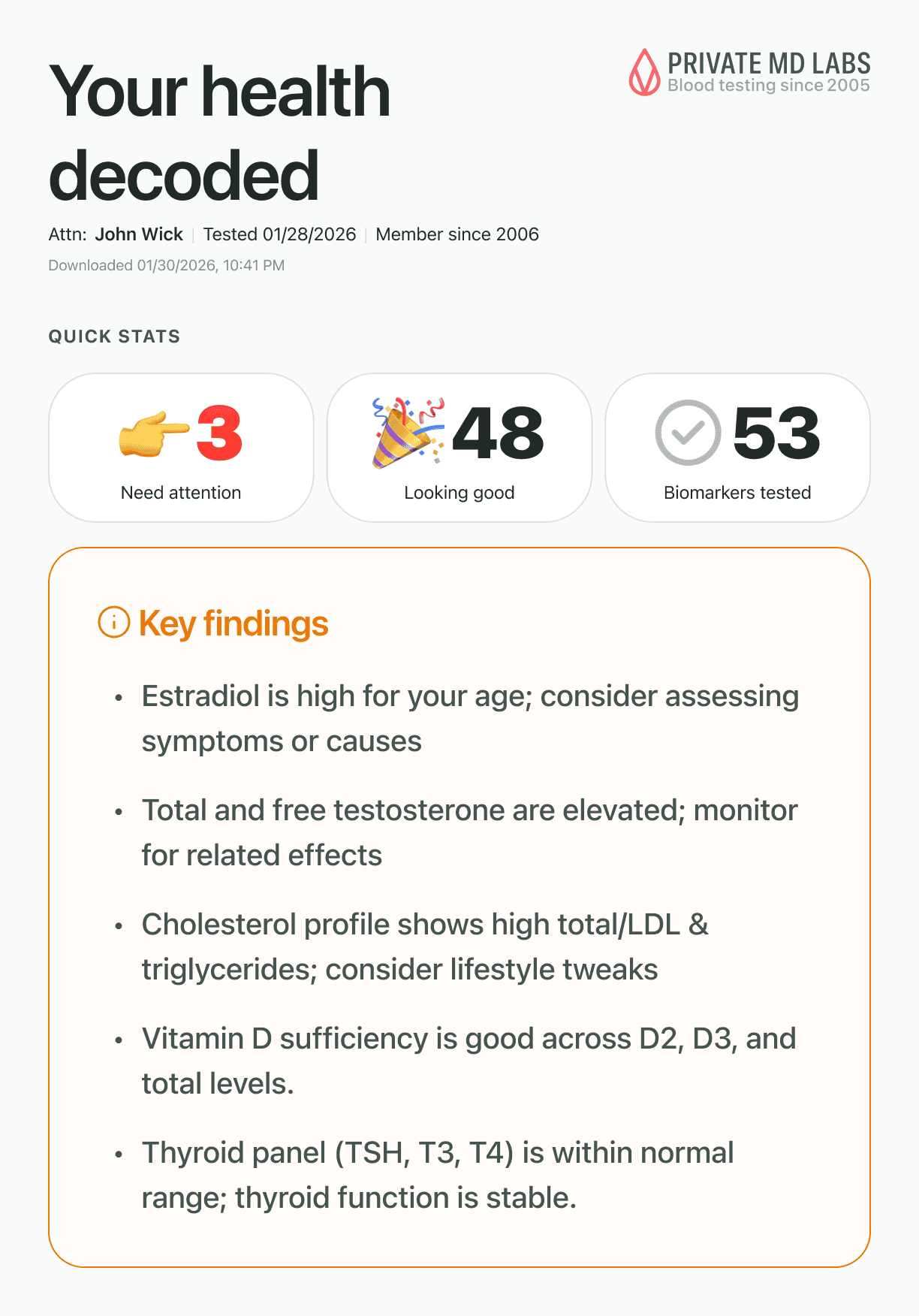
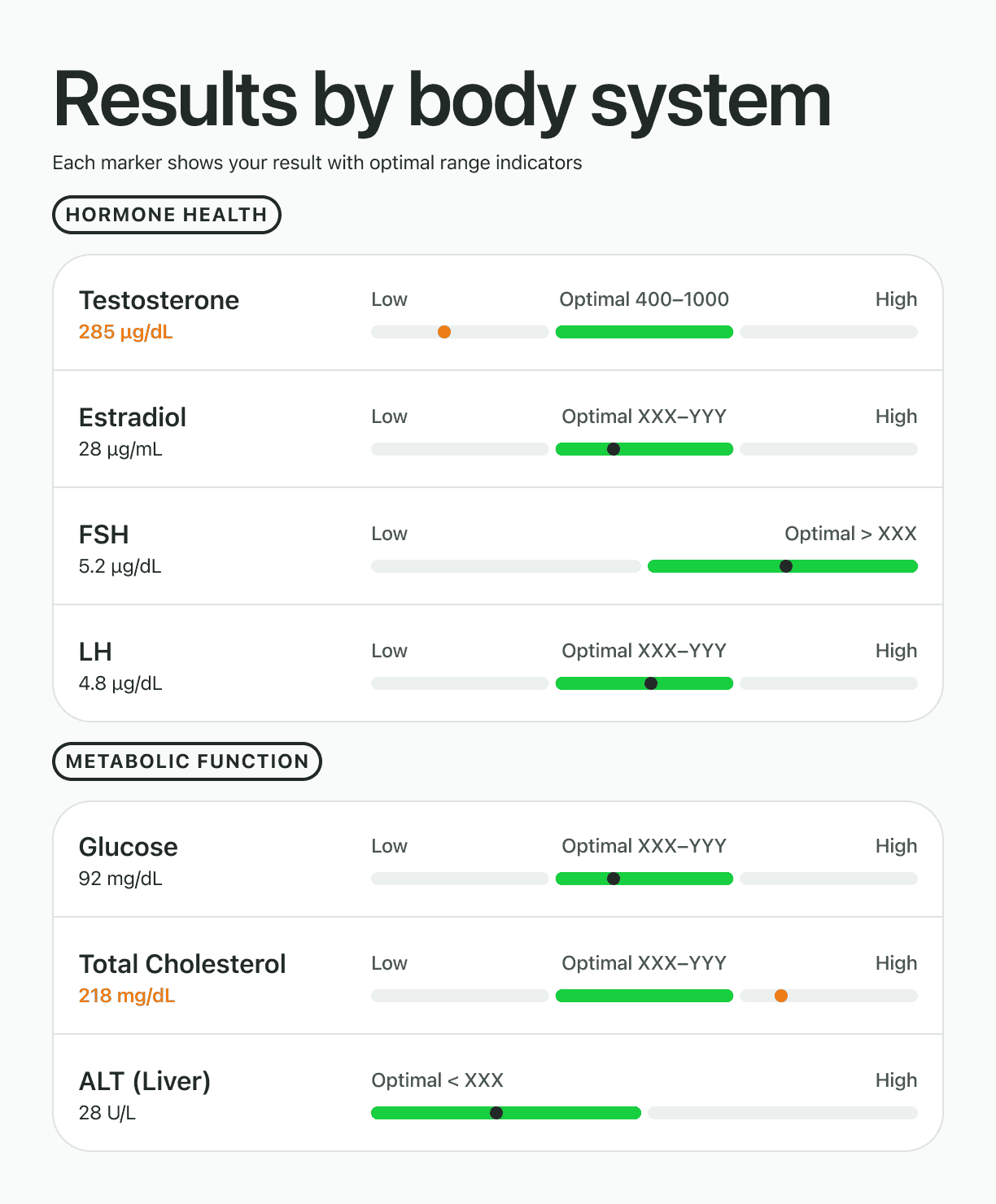
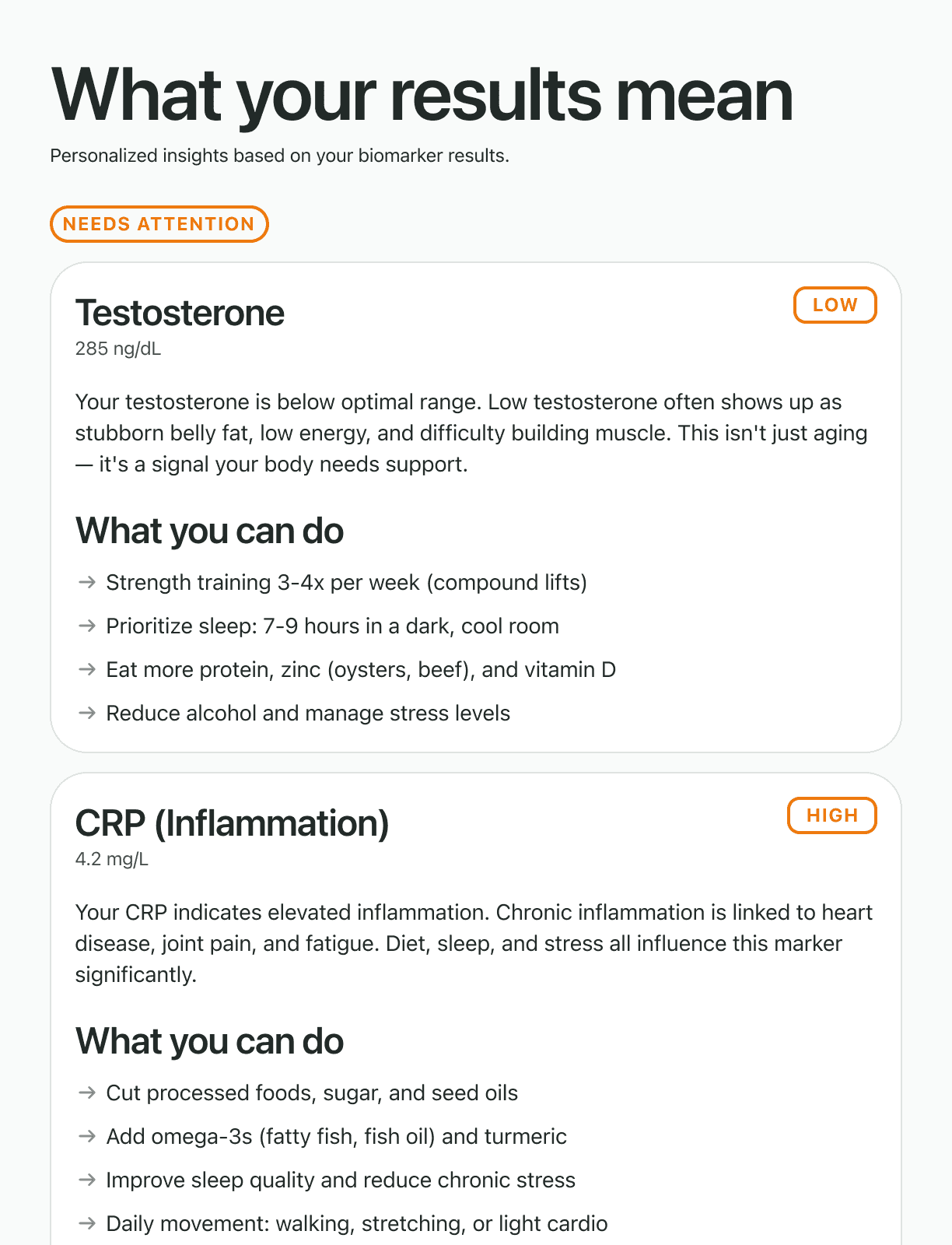
You get clinical lab reports & simplified health insights.
Save time & gas, go straight to the lab. Our doctors cover the rest.
Results start landing the next day after your lab visit.*
We don’t sell or share your data. Your time & privacy matter.
US-licensed doctors have your back if things get unclear.
No hidden fees, nice discounts for regular checkups.
Save a trip to the doctor, go directly to the lab
Get lab order in minutes, results come overnight*
Results explained in simple language
Reviewed by US licensed doctors
Fast & confidential, we never sell or share your data
No insurance needed, transparent pricing
Demo results
ANCA (Antineutrophil Cytoplasmic Antibodies)Positive
Demo results
NegativePositive
Positive
What this means
Your ANCA test came back positive, which is commonly associated with ulcerative colitis rather than Crohn's disease. This antibody pattern, especially when combined with other markers in this panel, helps your doctor determine the specific type of inflammatory bowel disease and choose the most effective treatment approach.
Recommended actions
Schedule a follow-up with a gastroenterologist to discuss diagnosis and treatment options
Keep a detailed food and symptom diary to identify potential trigger foods
Focus on stress management techniques like meditation or counseling, as stress can trigger flares
Discuss anti-inflammatory medications and dietary modifications with your doctor based on these results
* Regular blood test results (e.g., CBC) typically start arriving the next business day after sample collection. More advanced tests may take longer due to complexity.
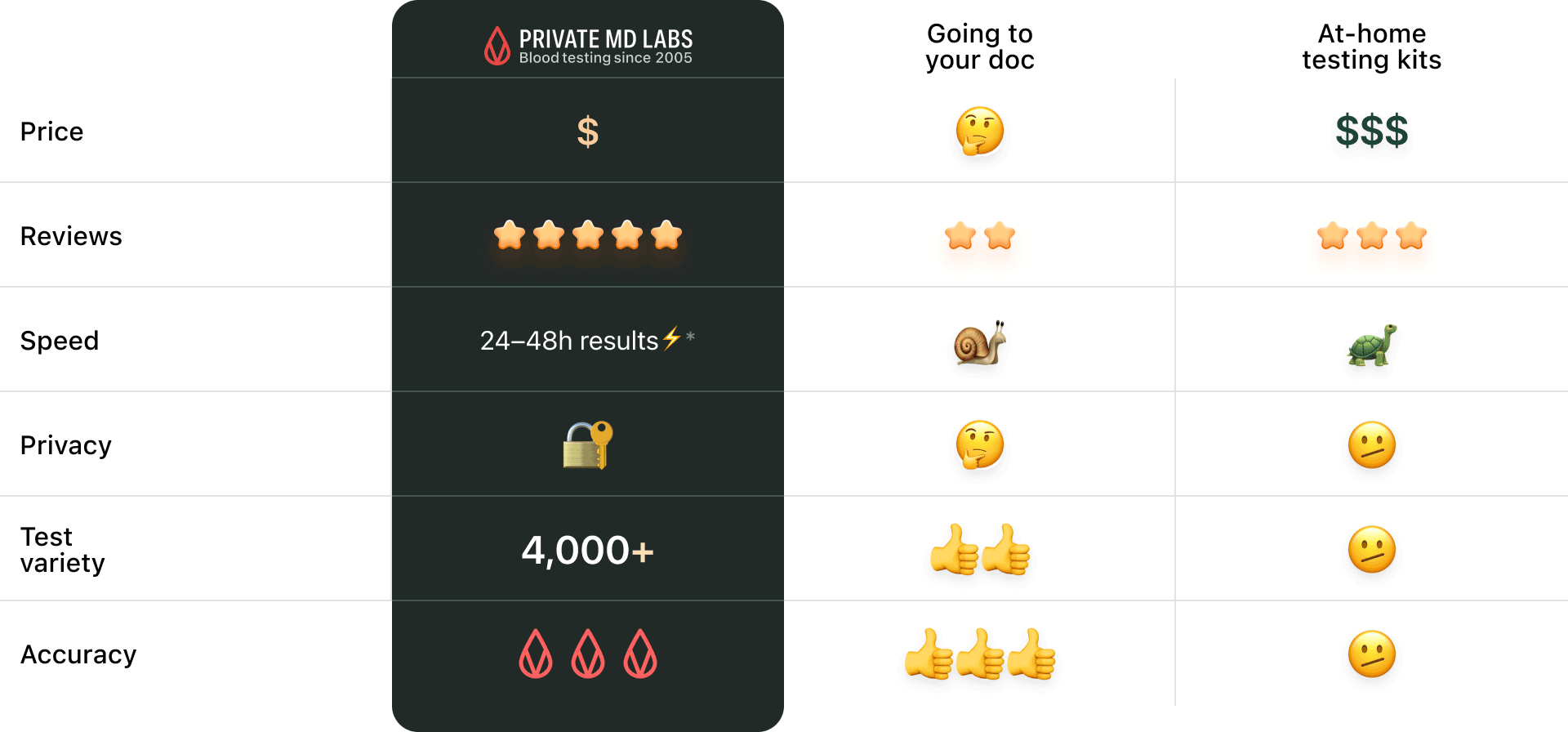
Us vs. Them
Not overhyped or overpriced. Just comprehensive blood testing made simple and for everyone.
* Regular blood test results (e.g., CBC) typically start arriving the next business day after sample collection. More complex tests, such as hormone panels, may take up to 10–15 business days due to their complexity.
1,000,000+ blood tests later, here's what our customers say
Estradiol Ultrasensitive results may get delayed due to high lab volume.It’s a nationwide delay affecting all labs (not just us). Standard processing times apply to all other tests in this panel.
Zinc extended turnaround
Zinc results may get delayed due to high lab volume.It’s a nationwide delay affecting all labs (not just us). Standard processing times apply to all other tests in this panel.
Pregnenolone extended turnaround
Pregnenolone results may get delayed due to high lab volume.It’s a nationwide delay affecting all labs (not just us). Standard processing times apply to all other tests in this panel.

 Login
Login


 90-day money-back guarantee
 Lab order in minutes
 Save a trip to the doctor
 Low prices since 2005
 Labs within 2 miles