Hypogonadism is a medical condition where the body's sex glands produce insufficient sex hormones. It is caused by testicular or ovarian failure (primary hypogonadism) or by pituitary gland dysfunction affecting luteinizing hormone (LH) and follicle-stimulating hormone (FSH) production (secondary hypogonadism). The Testosterone, Free, Bioavailable and Total test is the most important test for diagnosis because it comprehensively measures all forms of testosterone.
90-day money-back guaranteeLab order in minutesSave a trip to the doctorLow prices since 2005Labs within 2 miles
What causes hypogonadism?
Hypogonadism is caused by either direct failure of the sex glands (primary hypogonadism) or problems with the pituitary gland or hypothalamus that control hormone production (secondary hypogonadism). Primary hypogonadism results from testicular damage due to injury, infection, chemotherapy, radiation, genetic conditions like Klinefelter syndrome, or autoimmune disorders. Secondary hypogonadism occurs when the pituitary gland fails to produce adequate luteinizing hormone (LH) and follicle-stimulating hormone (FSH), which can be caused by pituitary tumors, medications (especially opioids and steroids), obesity, aging, or chronic illnesses like type 2 diabetes.
What is the best test for hypogonadism?
The Testosterone, Free, Bioavailable and Total test is the most important test for hypogonadism because it provides a complete picture of all testosterone forms in your body, using the highly accurate LC/MS/MS methodology. This comprehensive panel distinguishes between free testosterone (the active form available to tissues), bioavailable testosterone (loosely bound and readily usable), and total testosterone (the complete amount in your blood). For complete diagnosis, your healthcare provider may also order Follicle-Stimulating Hormone (FSH) and Luteinizing Hormone (LH) tests to determine whether the problem originates in the sex glands themselves or in the pituitary gland that controls them. In some cases, Estradiol testing is also recommended since testosterone converts to estradiol, and abnormal ratios can indicate hormonal imbalances.
When should I get tested for hypogonadism?
You should get tested if you experience persistent symptoms like reduced sex drive, erectile dysfunction, chronic fatigue, difficulty building muscle despite exercise, unexplained weight gain, mood changes including depression or irritability, or decreased energy levels. Men over 40 should consider testing if they notice declining physical performance, reduced morning erections, or loss of body hair. Testing is also important if you have risk factors such as obesity, type 2 diabetes, chronic opioid use, previous testicular injury or infection, cancer treatment history, or a family history of hormone disorders. Early detection allows for timely hormone replacement therapy that can significantly improve quality of life and prevent long-term complications like osteoporosis and cardiovascular problems.
What are the symptoms of hypogonadism?
Hypogonadism symptoms vary depending on when the condition develops but commonly include low sex drive, erectile dysfunction, reduced muscle mass, increased body fat (especially around the abdomen), fatigue, and mood disturbances like depression or irritability. You might notice difficulty concentrating, memory problems, decreased energy, hot flashes, and reduced body and facial hair growth. Physical signs include smaller or softer testicles, breast tissue development (gynecomastia), and reduced bone density leading to increased fracture risk. Many men describe feeling less motivated, experiencing sleep disturbances, and noticing their physical strength declining despite maintaining exercise routines. In younger males, hypogonadism can delay puberty, causing incomplete development of secondary sexual characteristics.
Who is at risk for hypogonadism?
Men over 40 face increased risk as testosterone naturally declines about 1% annually after age 30, though true hypogonadism is more severe than normal aging. Individuals with obesity, type 2 diabetes, metabolic syndrome, or chronic kidney or liver disease have significantly higher risk. Chronic opioid use, corticosteroid medications, and chemotherapy or radiation therapy for cancer dramatically increase risk. Men with testicular injury, mumps orchitis, undescended testicles, or genetic conditions like Klinefelter syndrome or Kallmann syndrome are at elevated risk. Sleep apnea, pituitary disorders or tumors, HIV/AIDS, and excessive alcohol consumption also contribute to hormone dysfunction. Family history of hormonal disorders or infertility increases your likelihood of developing this condition.
What happens if hypogonadism is left untreated?
Untreated hypogonadism leads to progressive complications that significantly impact quality of life and long-term health. Bone density decreases, substantially increasing your risk of osteoporosis and fractures, particularly in the spine and hips. Muscle mass continues declining while body fat accumulates, especially dangerous visceral fat around organs that increases cardiovascular disease risk. Chronic fatigue worsens, sexual dysfunction persists, and fertility problems develop as sperm production drops. Mental health deteriorates with increased risk of depression, anxiety, and cognitive decline. Metabolic complications include worsening insulin resistance, higher diabetes risk, and unfavorable cholesterol profiles. Cardiovascular risks escalate, and overall mortality rates increase. Early treatment with hormone replacement therapy can prevent or reverse many of these complications.
Can hypogonadism be diagnosed with a blood test?
Yes, hypogonadism is primarily diagnosed through blood tests that measure hormone levels. The most critical test measures total testosterone, ideally performed in the morning between 7-10 AM when levels peak naturally. Diagnosis typically requires two separate low testosterone readings on different days to confirm the condition. Additional blood tests measure free testosterone (the active form), luteinizing hormone (LH), follicle-stimulating hormone (FSH), estradiol, and sometimes prolactin to determine whether you have primary hypogonadism (problem in the testes) or secondary hypogonadism (problem in the pituitary or hypothalamus). Your healthcare provider interprets these results alongside your symptoms, medical history, and physical examination to make an accurate diagnosis and develop an appropriate treatment plan.
How is hypogonadism treated?
Hypogonadism is primarily treated with testosterone replacement therapy (TRT) available in multiple forms including injections (weekly or biweekly), topical gels (applied daily to shoulders or abdomen), skin patches, nasal gels, or pellets implanted under the skin every 3-6 months. Treatment choice depends on your preference, lifestyle, insurance coverage, and how your body responds. For secondary hypogonadism caused by pituitary problems, medications like clomiphene citrate or human chorionic gonadotropin (hCG) can stimulate natural testosterone production, which is especially beneficial if you want to preserve fertility. Addressing underlying causes is crucial—losing weight, managing diabetes, stopping problematic medications, treating sleep apnea, or removing pituitary tumors can sometimes restore normal hormone levels. Regular monitoring through blood tests ensures treatment effectiveness and safety.
How can I prevent hypogonadism?
While you cannot prevent all causes of hypogonadism, especially genetic conditions, maintaining a healthy weight significantly reduces risk since obesity suppresses testosterone production. Regular exercise, particularly resistance training and high-intensity interval training, naturally boosts testosterone levels. Avoid chronic opioid use and minimize corticosteroid medications when possible, using them only as medically necessary. Manage chronic conditions like diabetes, high blood pressure, and sleep apnea effectively through medical treatment and lifestyle modifications. Limit alcohol consumption, avoid anabolic steroid abuse, and protect your testicles from injury during sports. Eat a balanced diet rich in zinc, vitamin D, and healthy fats, all crucial for hormone production. Manage stress through adequate sleep (7-9 hours nightly), meditation, or counseling, as chronic stress elevates cortisol, which suppresses testosterone.
What natural remedies help with hypogonadism?
While natural approaches cannot replace medical treatment for diagnosed hypogonadism, certain lifestyle modifications support healthy testosterone levels. Resistance training and compound exercises like squats and deadlifts naturally stimulate testosterone production. Ensure adequate vitamin D through sunlight exposure or supplementation, as deficiency correlates with low testosterone. Optimize zinc intake through foods like oysters, beef, pumpkin seeds, and legumes. Include healthy fats from avocados, nuts, olive oil, and fatty fish, which provide building blocks for hormone production. Reduce sugar and processed carbohydrate intake to improve insulin sensitivity. Get 7-9 hours of quality sleep nightly, as testosterone is primarily produced during deep sleep. Minimize stress through meditation, yoga, or counseling since chronic stress elevates cortisol, which suppresses testosterone. Some men find modest benefits from herbs like ashwagandha or fenugreek, though scientific evidence is limited and these should not replace medical treatment.
FAQ
How’s this work?
Getting your blood test with us is easy, private & backed by the power of science.
Long story short:
In the test options, use the filters or search box to narrow your choices and find the test you want.
If you need a hand navigating through options, text our super friendly support team at 754-799-7833, and we'll provide tailored suggestions to help you find the ideal test.
Once your order is placed, we’ll create your doctor’s lab order remotely, without any need for you to make a trip to a doctor in person or to talk to the doctor. Expect to receive your doctor’s lab order right in your inbox. It will also be in your patient portal if you need to find it later. We’ll also include instructions regarding fasting and other requirements for your test. Your patient portal will be auto-created hassle-free during checkout.
If this is your first time ordering, you'll be prompted to create a password for instant login access to your patient portal. It's a quick way to conveniently access your orders and results whenever you want.
When you’re ready, visit one of our 4,000 locations. Just bring your ID – no printing or faxing of your lab order is needed, as your order and details will already be in the lab system.
Note that most lab locations don’t accept walk-ins, so it’s best to book an appointment in advance. Don’t worry – we’ll provide detailed instructions along the way.
You’ll get your results via email & SMS and dive into understanding your body better. Yup, that easy!
If you have any questions, please text us at 754-799-7833 or email [email protected] and we'll gladly help you.
How do I know which test to get?
In the test options, find the test you want.
If you’re not sure which test to get, we can lend a hand in finding the right option.
Just text or call us at 754-799-7833, email us at [email protected], and we'll gladly help you. We've got your back and reply quickly.
Is it possible to make changes to my lab order if I made a mistake with the name, date of birth, or any other details?
Absolutely! We totally understand that errors can happen. No worries, we're here to help you.
Just reach out to us via text at 754-799-7833 or shoot us an email at
[email protected]. Remember to include your order number and let us know the correct information you’d like to update.
Our awesome team will jump right in and make sure everything is sorted out and accurate for you.
There are no changes necessary if your address is wrong on the requisition though. We don’t mail anything out.
Our lab requires an address to be listed to generate an order.
Do you accept health insurance?
Only HSA & FSA is accepted.
Our services are strictly self-pay and cannot be submitted to your health insurance provider except for Health Savings Accounts or Flexible Savings Accounts.
This policy applies to all insurance companies, including federal health insurance programs like Medicare.
You can read more about our cancellation policy here.
How can I find a lab location near me?
During the ordering process, you’ll be able to select a specific lab near you, with no strings attached!
You can switch it up later easily and visit any of our authorized locations as long as it’s the same lab company you selected your test for (Quest Diagnostics or Labcorp).
Before you proceed with your order, feel free to browse through all our lab locations here. This will give you the peace of mind of knowing that there's a lab nearby your home, office or your favorite gym.
Here’s how easy it is to get blood work done on your terms
Order your testSave a trip to the doctor. Your results will come with clear, friendly explanations.Takes 2 minutes
Book an appointmentVisit any of our 4,000 nearby lab locations to have your samples collected.Book or walk-in
Get resultsReceive a clear, easy-to-digest health report by email & SMS within a few business days.Get answers, fast
Here’s why 1,000,000+ customers chose us for affordable hassle-free private blood testing.
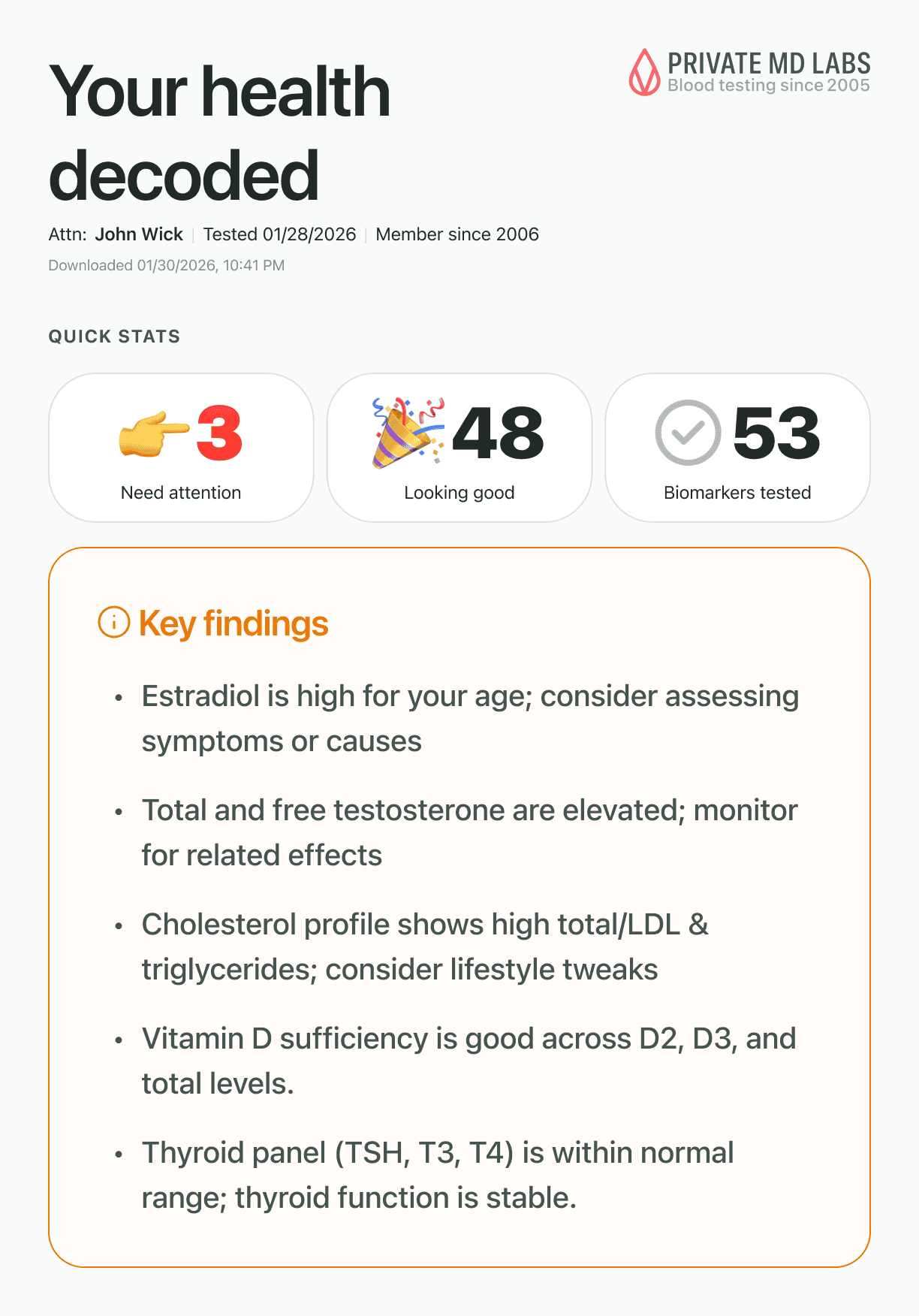
You get clinical lab reports & simplified health insights.
Save time & gas, go straight to the lab. Our doctors cover the rest.
Results start landing the next day after your lab visit.*
We don’t sell or share your data. Your time & privacy matter.
US-licensed doctors have your back if things get unclear.
No hidden fees, nice discounts for regular checkups.
Save a trip to the doctor, go directly to the lab
Get lab order in minutes, results come overnight*
Results explained in simple language
Reviewed by US licensed doctors
Fast & confidential, we never sell or share your data
No insurance needed, transparent pricing
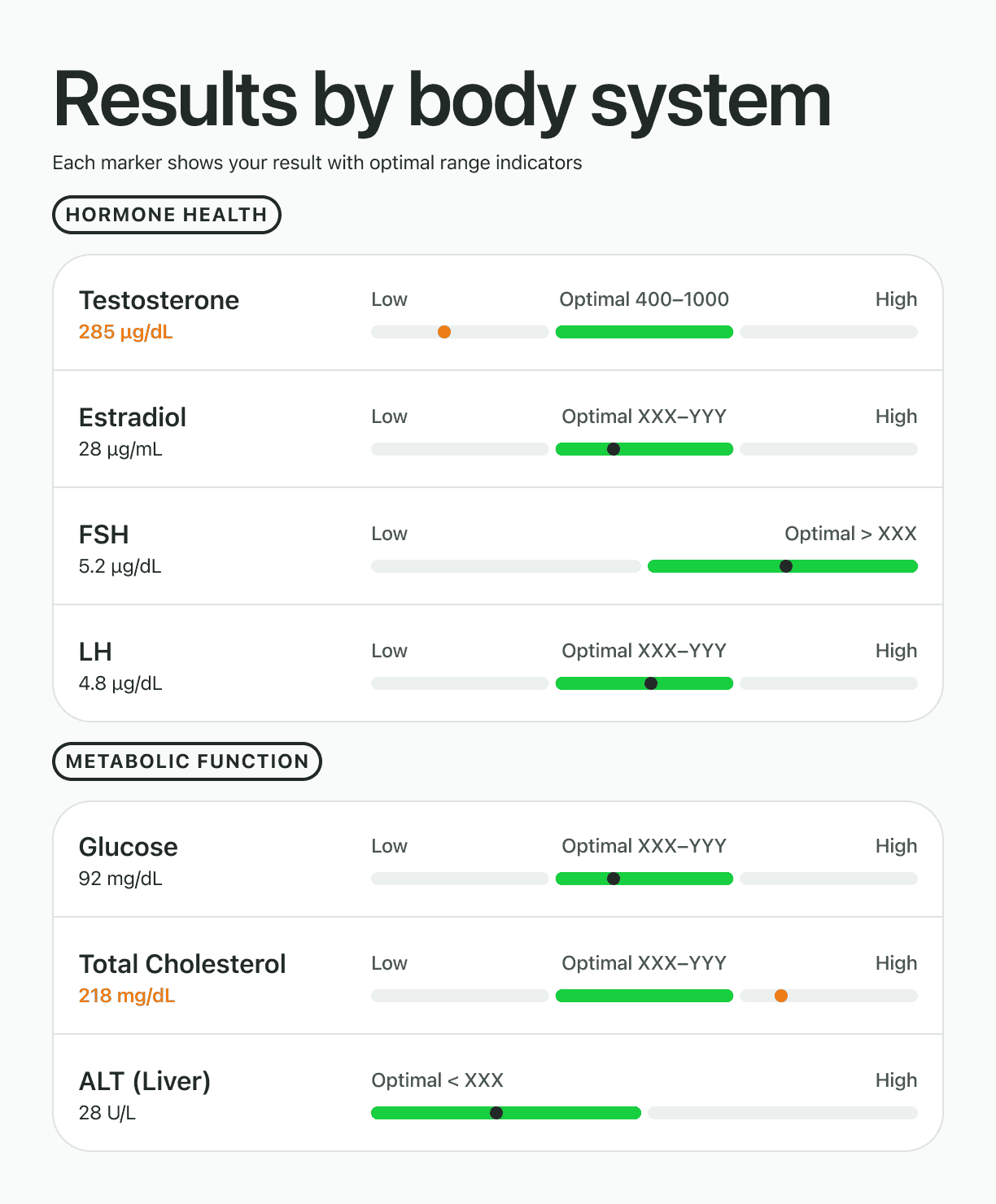
Demo results
Testosterone, Total375 ng/dL
Demo results
LowOptimal 400 - 1000High
375 ng/dL
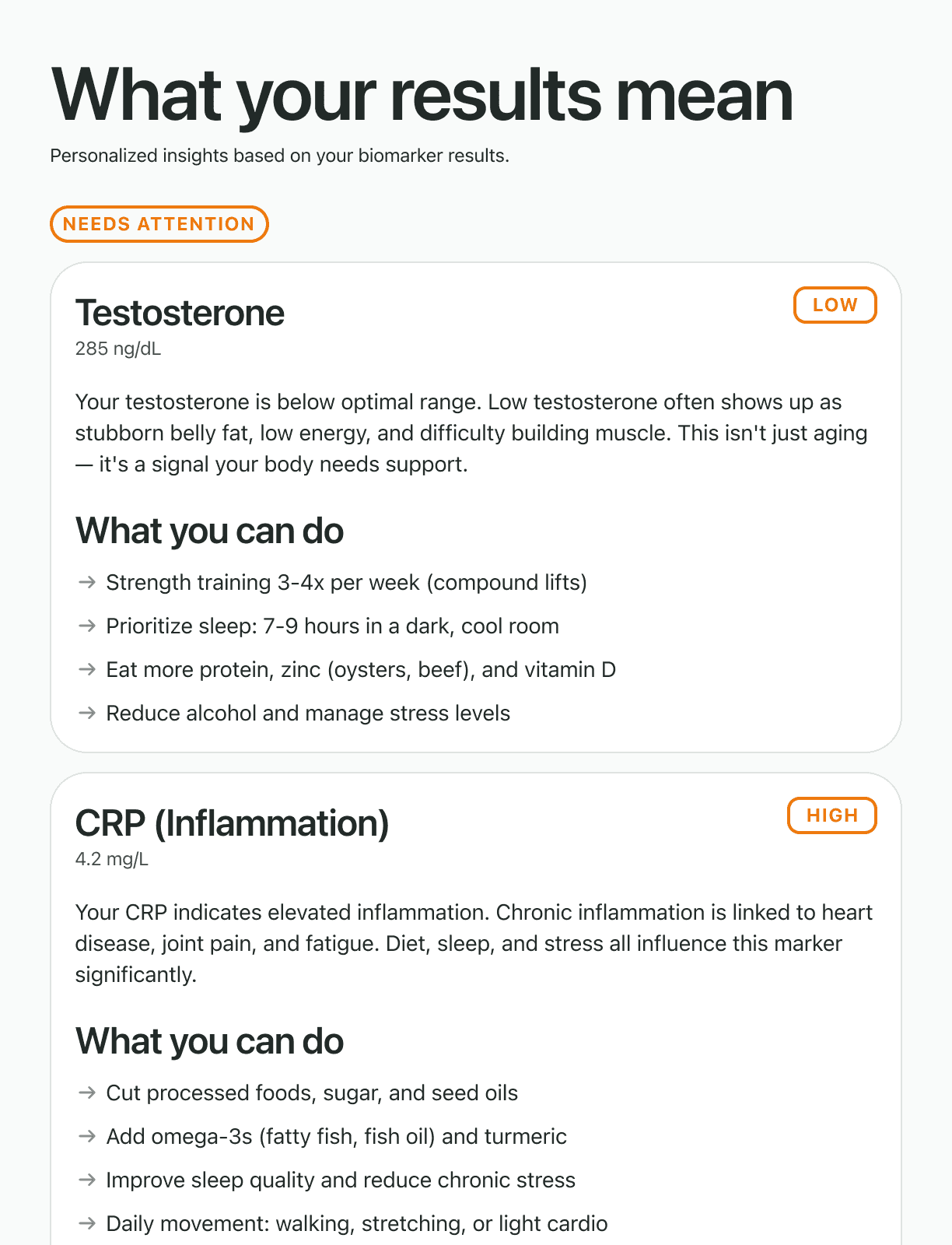
What this means
Your testosterone level is slightly below the optimal range. While not severely low, this may contribute to occasional fatigue, reduced motivation, difficulty building muscle, or lower sex drive. Many men in this range benefit from lifestyle modifications to naturally boost their levels.
Recommended actions
Increase resistance training and compound exercises like squats and deadlifts
Prioritize 7-8 hours of quality sleep per night and manage stress levels
Include zinc and magnesium-rich foods like shellfish, beef, pumpkin seeds, and spinach
Consider retesting in 3-6 months after implementing lifestyle changes
* Regular blood test results (e.g., CBC) typically start arriving the next business day after sample collection. More advanced tests may take longer due to complexity.
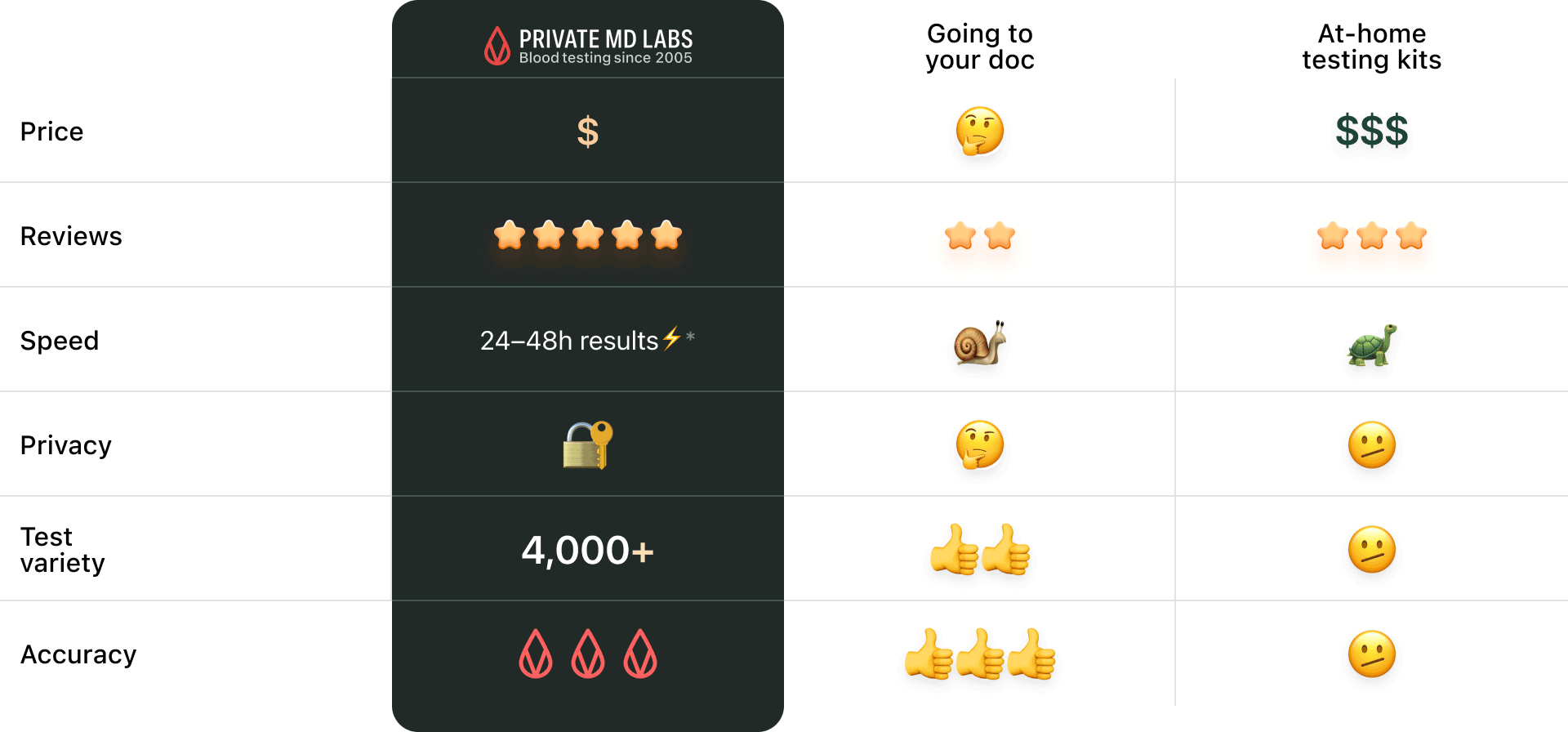
Us vs. Them
Not overhyped or overpriced. Just comprehensive blood testing made simple and for everyone.
* Regular blood test results (e.g., CBC) typically start arriving the next business day after sample collection. More complex tests, such as hormone panels, may take up to 10–15 business days due to their complexity.
1,000,000+ blood tests later, here's what our customers say
Estradiol Ultrasensitive results may get delayed due to high lab volume.It’s a nationwide delay affecting all labs (not just us). Standard processing times apply to all other tests in this panel.
Zinc extended turnaround
Zinc results may get delayed due to high lab volume.It’s a nationwide delay affecting all labs (not just us). Standard processing times apply to all other tests in this panel.
Pregnenolone extended turnaround
Pregnenolone results may get delayed due to high lab volume.It’s a nationwide delay affecting all labs (not just us). Standard processing times apply to all other tests in this panel.

 Login
Login


 90-day money-back guarantee
 Lab order in minutes
 Save a trip to the doctor
 Low prices since 2005
 Labs within 2 miles