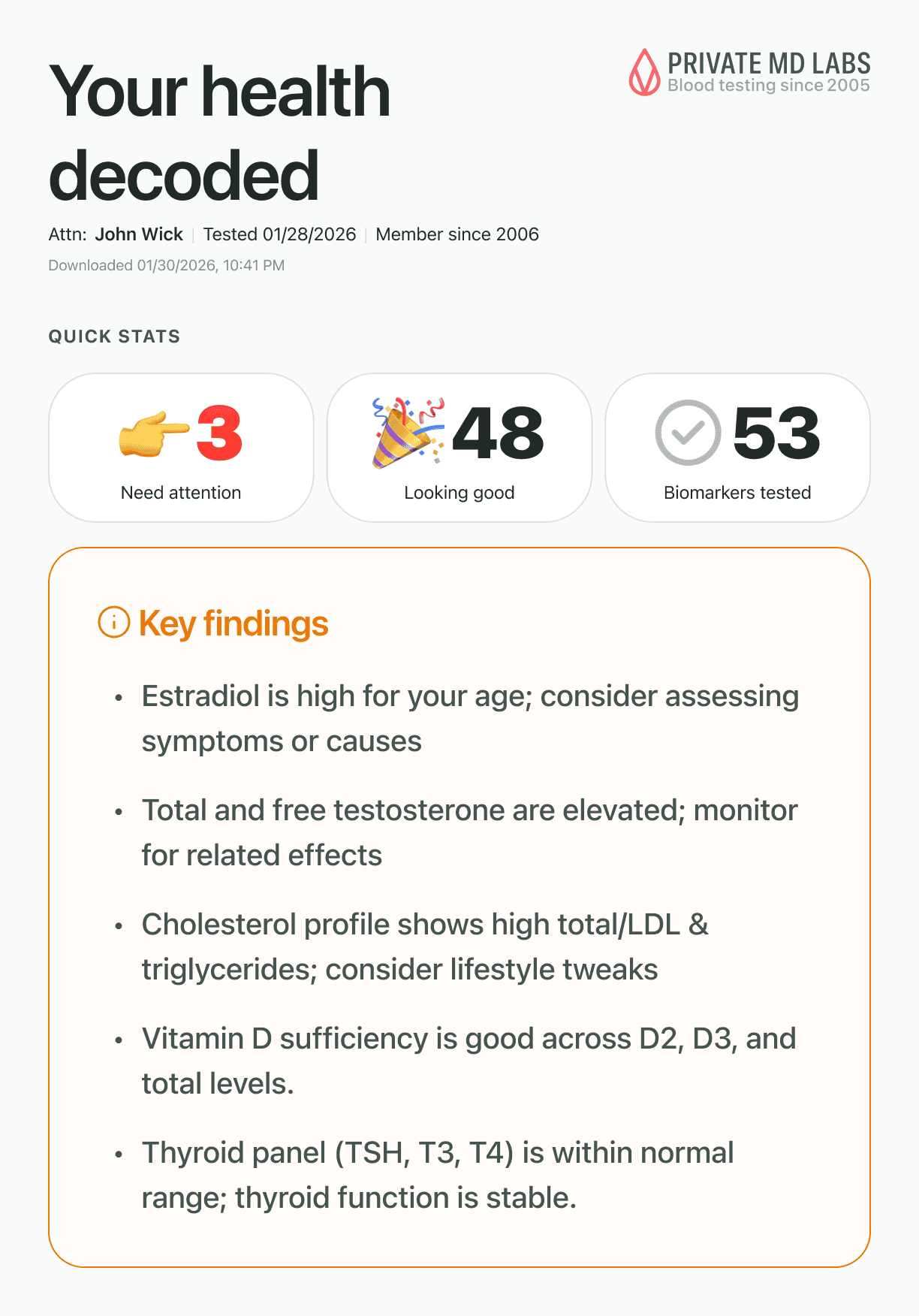
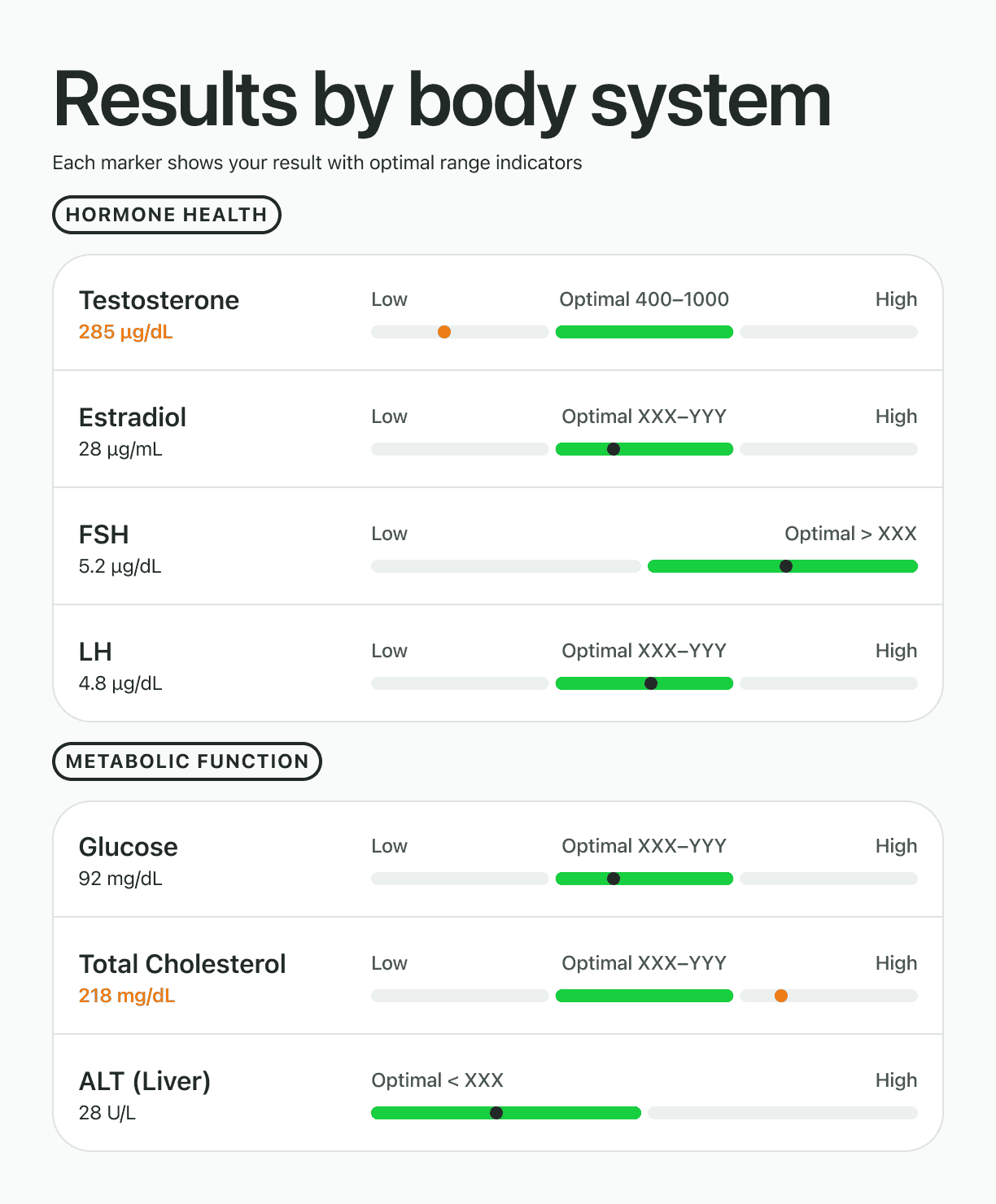
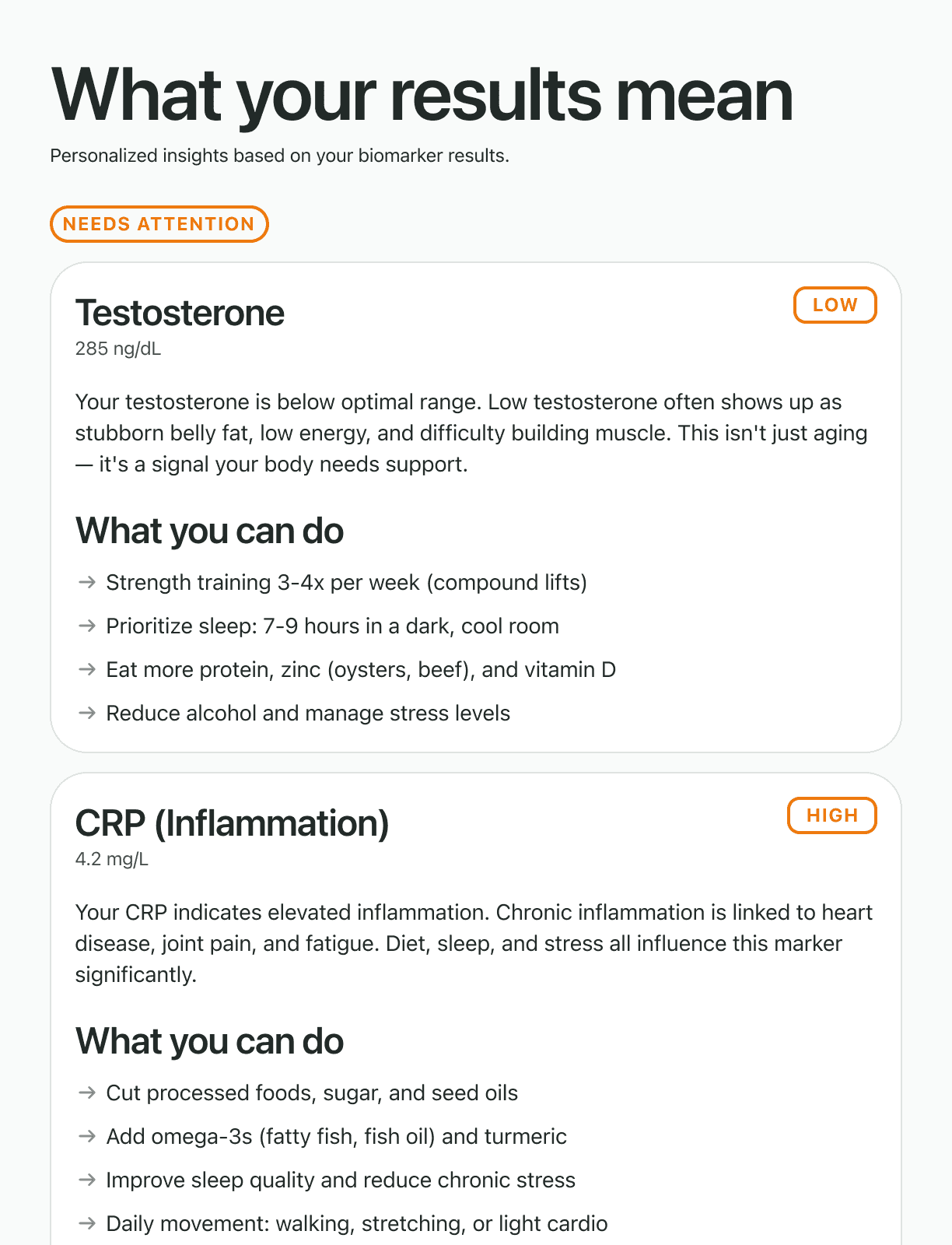
Sample results
HTLV-II-associated neurological diseases are neurological complications caused by infection with Human T-Cell Lymphotropic Virus Type II, a retrovirus that infects immune cells. The condition is caused by the HTLV-II retrovirus, which can gradually damage the nervous system over time. The Human T-Cell Lymphotropic Virus I, II (HTLV-I/HTLV-II) Antibodies Test with Confirmation is the most important test for diagnosis because it detects specific antibodies that confirm active infection with the virus.
HTLV-II-associated neurological diseases are caused by infection with Human T-Cell Lymphotropic Virus Type II (HTLV-II), a retrovirus that targets and infects immune cells in the body. The virus is primarily transmitted through blood contact, sexual intercourse, breastfeeding, or sharing needles. Once HTLV-II infects the body, it can persist for life and gradually affect the nervous system over time, though not everyone infected will develop neurological complications.
The Human T-Cell Lymphotropic Virus I, II (HTLV-I/HTLV-II) Antibodies Test with Confirmation is the most important test for HTLV-II-associated neurological diseases because it specifically detects antibodies produced by your immune system in response to HTLV-II infection. This comprehensive test uses a preliminary screening followed by confirmatory testing to ensure accurate results and properly differentiate between HTLV-I and HTLV-II infections. The presence of HTLV-II antibodies in your blood confirms active infection with the virus, which is essential for understanding your risk of developing neurological complications and establishing appropriate medical monitoring.
You should get tested if you have received blood transfusions before 1988, have injected drugs or shared needles, have had unprotected sex with multiple partners, or were born to a mother with HTLV infection. Testing is also important if you experience unexplained neurological symptoms like muscle weakness, difficulty walking, bladder problems, or numbness in the limbs. Early detection through blood testing allows for proper medical monitoring and management even before significant neurological symptoms develop.
What this means
Your test came back negative, meaning no HTLV-I or HTLV-II antibodies were detected in your blood. This is the expected and healthy result, indicating you have not been infected with human T-lymphotropic virus.
Recommended actions
Continue practicing safe sex with barrier protection
Never share needles or drug equipment if you use injection medications
Consider periodic retesting if you remain at higher risk for exposure
Maintain open communication with sexual partners about sexual health
Not overhyped or overpriced. Just comprehensive blood testing made simple and for everyone.
Sample results
Your 24/7 Personal Lab Guide
Quick questions: