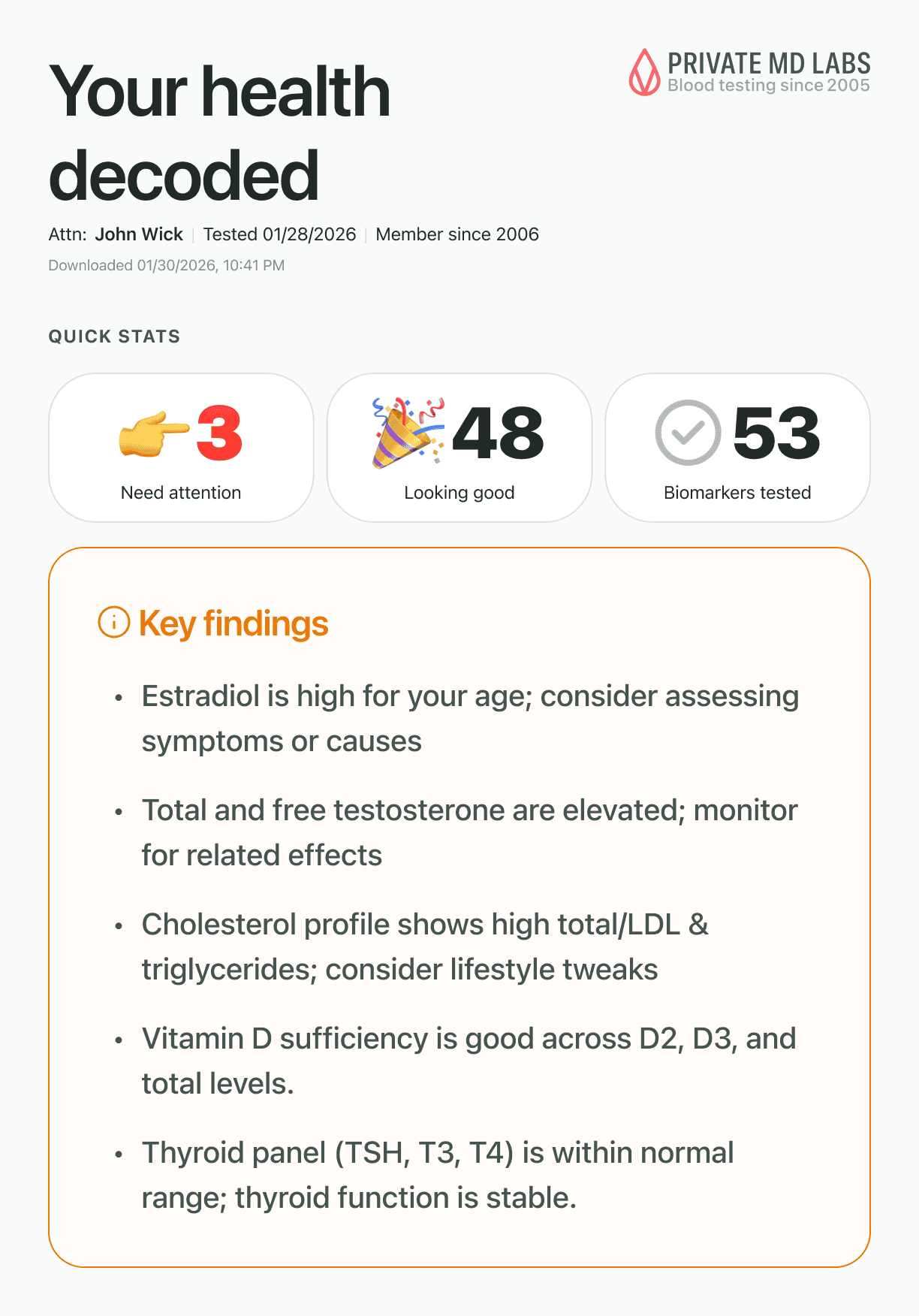
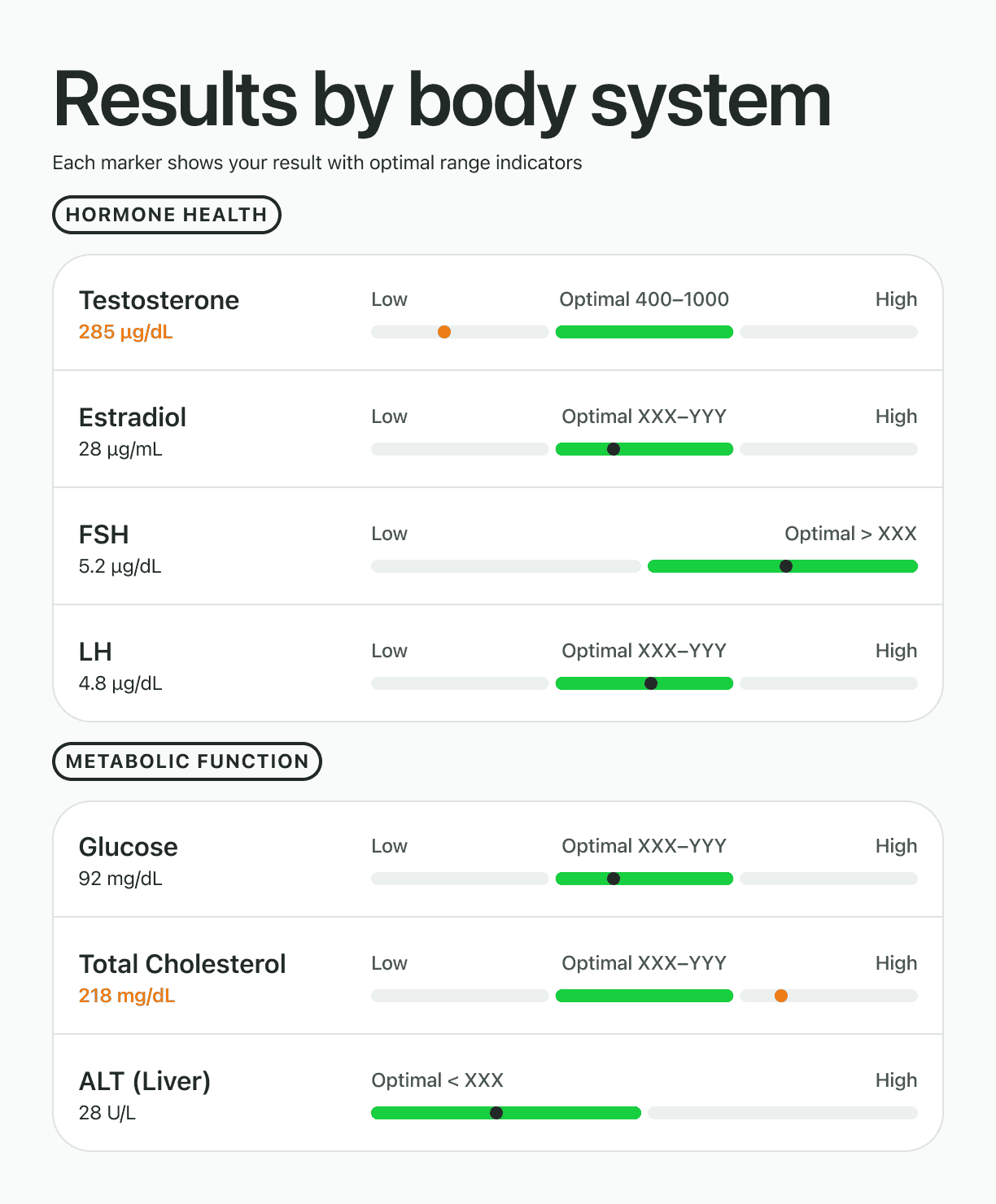
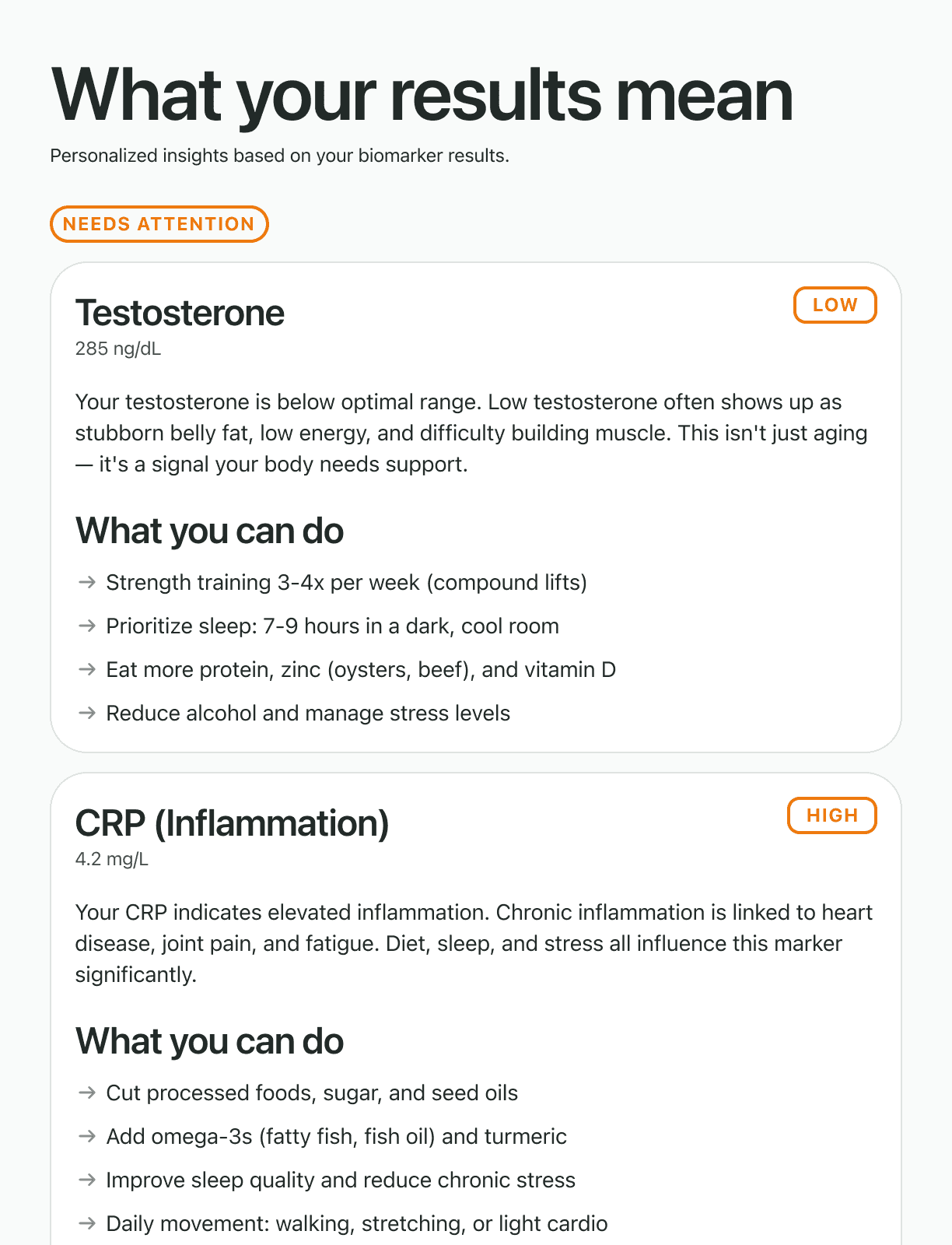
Sample results
Hepatitis A is a viral infection that causes liver inflammation, leading to symptoms like jaundice, fatigue, and abdominal pain. It is caused by the Hepatitis A virus (HAV), which spreads through contaminated food, water, or close contact with infected individuals. The Hepatitis A IgM Antibody test is the most important test for diagnosis because it detects antibodies produced during active infection.
Hepatitis A is caused by the Hepatitis A virus (HAV), which is transmitted through the fecal-oral route. The virus spreads when you consume contaminated food or water, or have close contact with an infected person. Common sources include raw or undercooked shellfish from contaminated waters, food handled by infected individuals who don't practice proper hand hygiene, and poor sanitation conditions in areas with inadequate sewage systems.
The Hepatitis A IgM Antibody test is the most important test for diagnosing Hepatitis A because it specifically detects IgM antibodies that your immune system produces during an active infection. These antibodies appear in your blood as early as 2 weeks after exposure and remain elevated throughout the acute phase of illness. A positive IgM result confirms you have a current or recent Hepatitis A infection, allowing your healthcare provider to recommend appropriate treatment and take necessary precautions to prevent spreading the virus to others.
You should get tested if you develop symptoms like yellowing of the skin or eyes (jaundice), dark urine, pale stools, severe fatigue, nausea, vomiting, or abdominal pain, especially if you've eaten at restaurants with food safety violations, traveled to areas with poor sanitation, or been in close contact with someone diagnosed with Hepatitis A. Testing is especially important within 2 weeks of potential exposure, as early detection helps prevent transmission and allows for timely medical intervention.
What this means
Your test came back negative, meaning no Hepatitis A IgM antibodies were detected in your blood. This indicates you do not currently have an active Hepatitis A infection, which is the expected and healthy result.
Recommended actions
Practice good hand hygiene, especially after using the bathroom and before handling food
Consider getting the Hepatitis A vaccine for long-term protection if not already vaccinated
Be cautious with food and water safety when traveling to areas where Hepatitis A is common
If symptoms persist or you suspect exposure, consult your doctor about retesting
Not overhyped or overpriced. Just comprehensive blood testing made simple and for everyone.
Sample results
Your 24/7 Personal Lab Guide
Quick questions: