Cutaneous mucormycosis is a rare but serious fungal infection affecting the skin and underlying tissues, typically occurring after trauma, burns, or surgery. It is caused by fungi from the Mucorales order, particularly Mucor racemosus and related species that invade damaged skin in immunocompromised individuals. The Mucor racemosus IgG antibody test is the most important blood test for diagnosis because it detects specific immune response to this fungal pathogen.
90-day money-back guaranteeLab order in minutesSave a trip to the doctorLow prices since 2005Labs within 2 miles
What causes cutaneous mucormycosis?
Cutaneous mucormycosis is caused by fungi from the Mucorales order, primarily Mucor racemosus, Rhizopus species, and Rhizomucor species. These fungi naturally exist in soil, decaying organic matter, and the environment, but they invade skin tissue when there is a break in the protective skin barrier through trauma, burns, surgical wounds, or injection sites. People with weakened immune systems, uncontrolled diabetes, or those taking immunosuppressive medications are particularly vulnerable because their bodies cannot fight off these opportunistic fungal pathogens effectively.
What is the best test for cutaneous mucormycosis?
The Mucor racemosus IgG antibody test is the most important blood test for cutaneous mucormycosis because it detects specific antibodies your immune system produces in response to Mucor racemosus infection. This test provides evidence that your body has encountered this particular fungus, which helps confirm the diagnosis when you have suspicious skin lesions after trauma or burns. While tissue biopsy and fungal culture remain the gold standard for definitive diagnosis, the IgG antibody test is valuable for supporting the diagnosis and is especially useful when combined with your clinical symptoms and the appearance of your skin lesions.
When should I get tested for cutaneous mucormycosis?
You should get tested if you develop rapidly spreading black or dark-colored skin lesions after experiencing a burn, traumatic injury, surgery, or injection, especially if you have diabetes or a weakened immune system. Get tested immediately if you notice painful skin areas that quickly become swollen, discolored, and develop necrotic tissue that looks black or deeply bruised. Testing is particularly urgent if you have underlying conditions like uncontrolled diabetes, cancer, organ transplant, or are taking steroids or immunosuppressive drugs, as cutaneous mucormycosis can progress rapidly and spread to deeper tissues within days.
What are the symptoms of cutaneous mucormycosis?
Cutaneous mucormycosis symptoms typically begin at the site of skin injury with redness, swelling, and pain that worsens rapidly. The affected area quickly develops a characteristic black or dark purple discoloration as tissue dies due to blood vessel invasion by the fungus. You might notice blisters, ulcers, or hardened areas of skin that feel warm to touch and are extremely tender. The infection can spread quickly beyond the initial site, creating expanding areas of blackened, necrotic tissue that may require emergency medical intervention to prevent life-threatening complications.
Who is at risk for cutaneous mucormycosis?
People with uncontrolled diabetes, particularly those with diabetic ketoacidosis, face the highest risk for cutaneous mucormycosis. Individuals with weakened immune systems from cancer, HIV/AIDS, organ transplants, or long-term corticosteroid use are extremely vulnerable. Burn victims, trauma patients, people who inject drugs, and those who have undergone surgery are also at increased risk because the fungus enters through breaks in the skin. Healthcare workers and patients using contaminated medical equipment or bandages have developed cutaneous mucormycosis from environmental exposure to these fungi.
What happens if cutaneous mucormycosis is left untreated?
Untreated cutaneous mucormycosis spreads rapidly through skin, fat, muscle, and eventually into bones and internal organs, causing extensive tissue death. The fungus invades blood vessels, cutting off circulation and creating larger areas of black, gangrenous tissue that can lead to severe disfigurement and loss of limbs. The infection can disseminate throughout your bloodstream to vital organs like the lungs, brain, and heart, causing life-threatening systemic mucormycosis with mortality rates exceeding 50 percent. Delayed treatment significantly worsens outcomes, making early diagnosis and aggressive antifungal therapy combined with surgical removal of dead tissue absolutely critical for survival.
Can cutaneous mucormycosis be diagnosed with a blood test?
Cutaneous mucormycosis can be supported by blood tests like the Mucor racemosus IgG antibody test, which detects immune response to the fungus, but blood tests alone cannot definitively diagnose this condition. The gold standard for diagnosis requires tissue biopsy showing characteristic fungal structures and fungal culture to identify the specific Mucorales species involved. Blood tests are valuable complementary tools that help confirm suspected cases when combined with clinical presentation, imaging studies, and the appearance of rapidly spreading necrotic skin lesions, especially in patients with known risk factors like immunosuppression or diabetes.
How is cutaneous mucormycosis treated?
Cutaneous mucormycosis requires aggressive treatment with intravenous antifungal medications, primarily amphotericin B or newer agents like isavuconazole or posaconazole. Surgical debridement to remove all dead and infected tissue is essential and often needs to be performed multiple times to ensure complete removal of fungal elements. Your treatment team will also work to reverse underlying conditions like controlling blood sugar in diabetics, reducing immunosuppressive medications when possible, and optimizing your overall health status. Treatment typically lasts several weeks to months depending on infection severity, and some patients may require reconstructive surgery after the infection is cleared to repair extensive tissue damage.
How can I prevent cutaneous mucormycosis?
Prevent cutaneous mucormycosis by carefully managing underlying conditions, especially keeping diabetes well-controlled and maintaining good blood sugar levels. Protect your skin from injuries, and if you do get cuts, burns, or wounds, clean them immediately and properly with soap and water, then cover with clean bandages. If you have a weakened immune system, avoid areas with heavy dust, soil, or decaying organic matter, and wear protective clothing, gloves, and footwear when outdoor exposure is necessary. Work closely with your healthcare provider to monitor immunosuppressive medications and maintain the lowest effective doses, while being vigilant about any skin changes that develop after injuries or medical procedures.
What can I do at home for cutaneous mucormycosis?
Cutaneous mucormycosis requires immediate professional medical treatment and is not appropriate for home remedies, as this is a medical emergency that can be fatal without aggressive antifungal therapy and surgery. Once you are under medical care, you can support your recovery at home by strictly following your antifungal medication schedule, keeping wound dressings clean and dry as directed by your healthcare team, and maintaining excellent blood sugar control if you have diabetes. Eat a nutritious diet rich in protein to support tissue healing, stay well-hydrated, get adequate rest, and immediately report any signs of infection spreading such as increasing pain, fever, or expanding areas of discolored skin to your doctor.
FAQ
How’s this work?
Getting your blood test with us is easy, private & backed by the power of science.
Long story short:
In the test options, use the filters or search box to narrow your choices and find the test you want.
If you need a hand navigating through options, text our super friendly support team at 754-799-7833, and we'll provide tailored suggestions to help you find the ideal test.
Once your order is placed, we’ll create your doctor’s lab order remotely, without any need for you to make a trip to a doctor in person or to talk to the doctor. Expect to receive your doctor’s lab order right in your inbox. It will also be in your patient portal if you need to find it later. We’ll also include instructions regarding fasting and other requirements for your test. Your patient portal will be auto-created hassle-free during checkout.
If this is your first time ordering, you'll be prompted to create a password for instant login access to your patient portal. It's a quick way to conveniently access your orders and results whenever you want.
When you’re ready, visit one of our 4,000 locations. Just bring your ID – no printing or faxing of your lab order is needed, as your order and details will already be in the lab system.
Note that most lab locations don’t accept walk-ins, so it’s best to book an appointment in advance. Don’t worry – we’ll provide detailed instructions along the way.
You’ll get your results via email & SMS and dive into understanding your body better. Yup, that easy!
If you have any questions, please text us at 754-799-7833 or email [email protected] and we'll gladly help you.
How do I know which test to get?
In the test options, find the test you want.
If you’re not sure which test to get, we can lend a hand in finding the right option.
Just text or call us at 754-799-7833, email us at [email protected], and we'll gladly help you. We've got your back and reply quickly.
Is it possible to make changes to my lab order if I made a mistake with the name, date of birth, or any other details?
Absolutely! We totally understand that errors can happen. No worries, we're here to help you.
Just reach out to us via text at 754-799-7833 or shoot us an email at
[email protected]. Remember to include your order number and let us know the correct information you’d like to update.
Our awesome team will jump right in and make sure everything is sorted out and accurate for you.
There are no changes necessary if your address is wrong on the requisition though. We don’t mail anything out.
Our lab requires an address to be listed to generate an order.
Do you accept health insurance?
Only HSA & FSA is accepted.
Our services are strictly self-pay and cannot be submitted to your health insurance provider except for Health Savings Accounts or Flexible Savings Accounts.
This policy applies to all insurance companies, including federal health insurance programs like Medicare.
You can read more about our cancellation policy here.
How can I find a lab location near me?
During the ordering process, you’ll be able to select a specific lab near you, with no strings attached!
You can switch it up later easily and visit any of our authorized locations as long as it’s the same lab company you selected your test for (Quest Diagnostics or Labcorp).
Before you proceed with your order, feel free to browse through all our lab locations here. This will give you the peace of mind of knowing that there's a lab nearby your home, office or your favorite gym.
Here’s how easy it is to get blood work done on your terms
Order your testSave a trip to the doctor. Your results will come with clear, friendly explanations.Takes 2 minutes
Book an appointmentVisit any of our 4,000 nearby lab locations to have your samples collected.Book or walk-in
Get resultsReceive a clear, easy-to-digest health report by email & SMS within a few business days.Get answers, fast
Here’s why 1,000,000+ customers chose us for affordable hassle-free private blood testing.
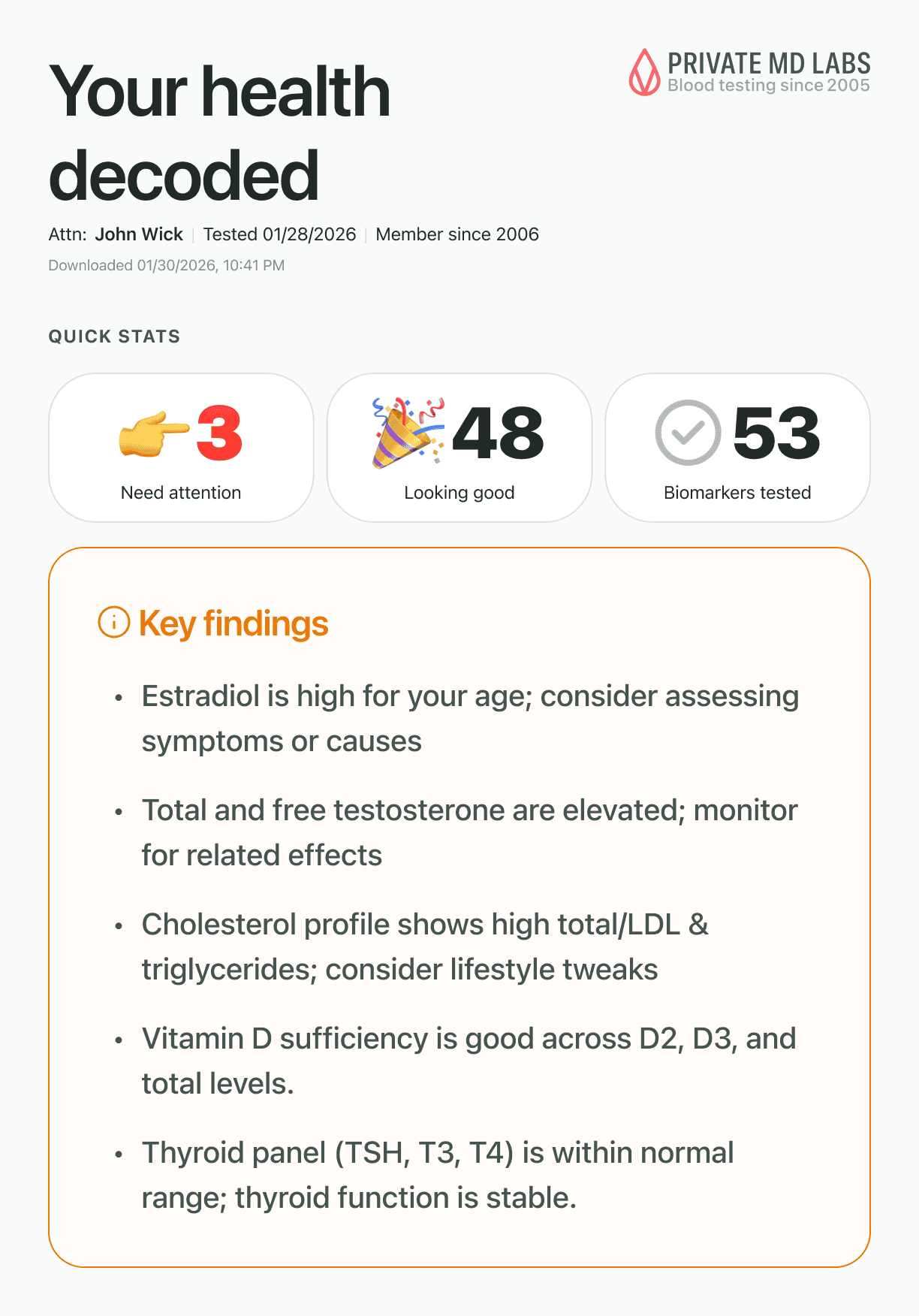
You get clinical lab reports & simplified health insights.
Save time & gas, go straight to the lab. Our doctors cover the rest.
Results start landing the next day after your lab visit.*
We don’t sell or share your data. Your time & privacy matter.
US-licensed doctors have your back if things get unclear.
No hidden fees, nice discounts for regular checkups.
Save a trip to the doctor, go directly to the lab
Get lab order in minutes, results come overnight*
Results explained in simple language
Reviewed by US licensed doctors
Fast & confidential, we never sell or share your data
No insurance needed, transparent pricing
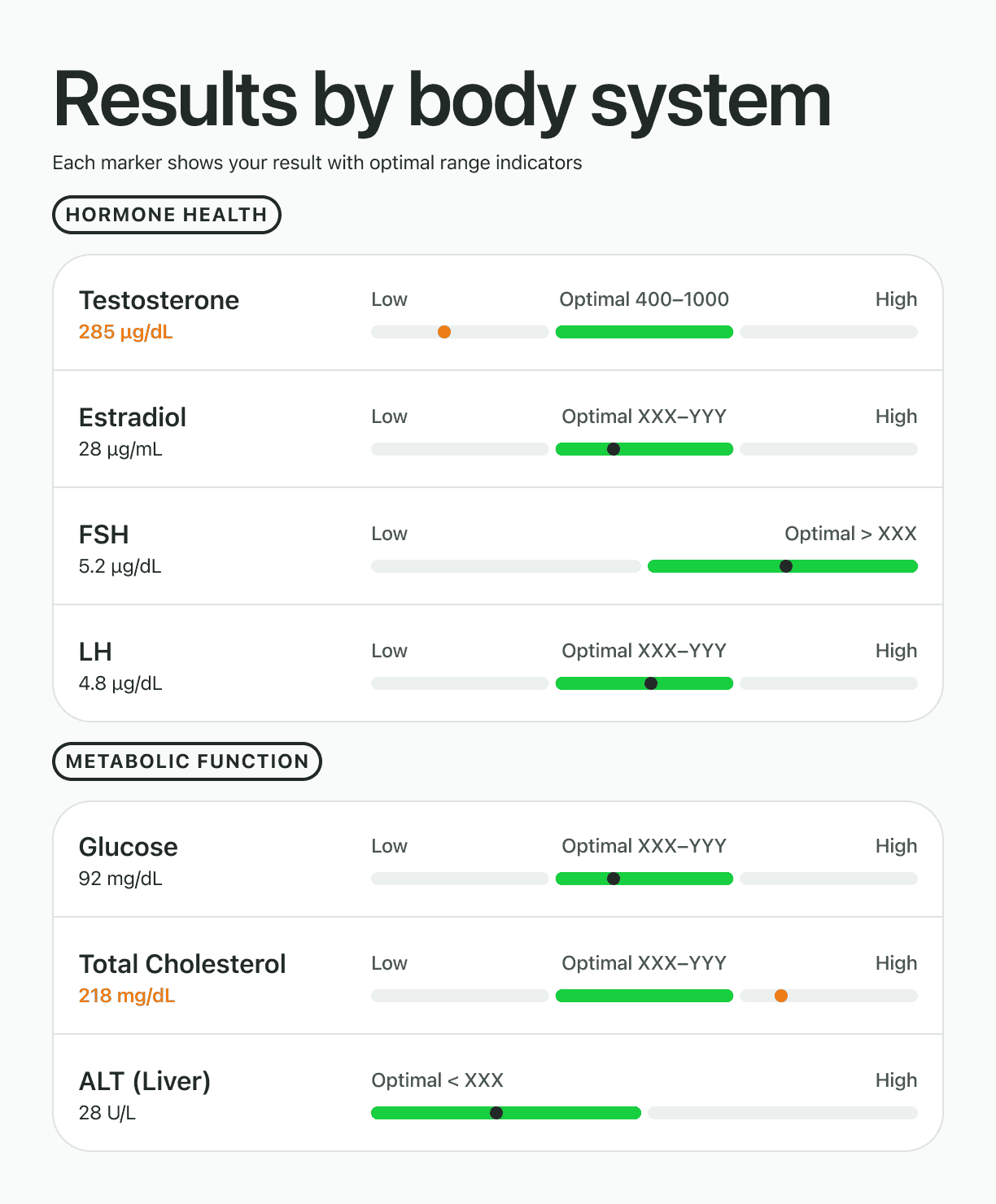
Demo results
Mucor racemosus IgG2.8 U/mL
Demo results
Normal < 0.9Elevated ≥ 0.9
2.8 U/mL
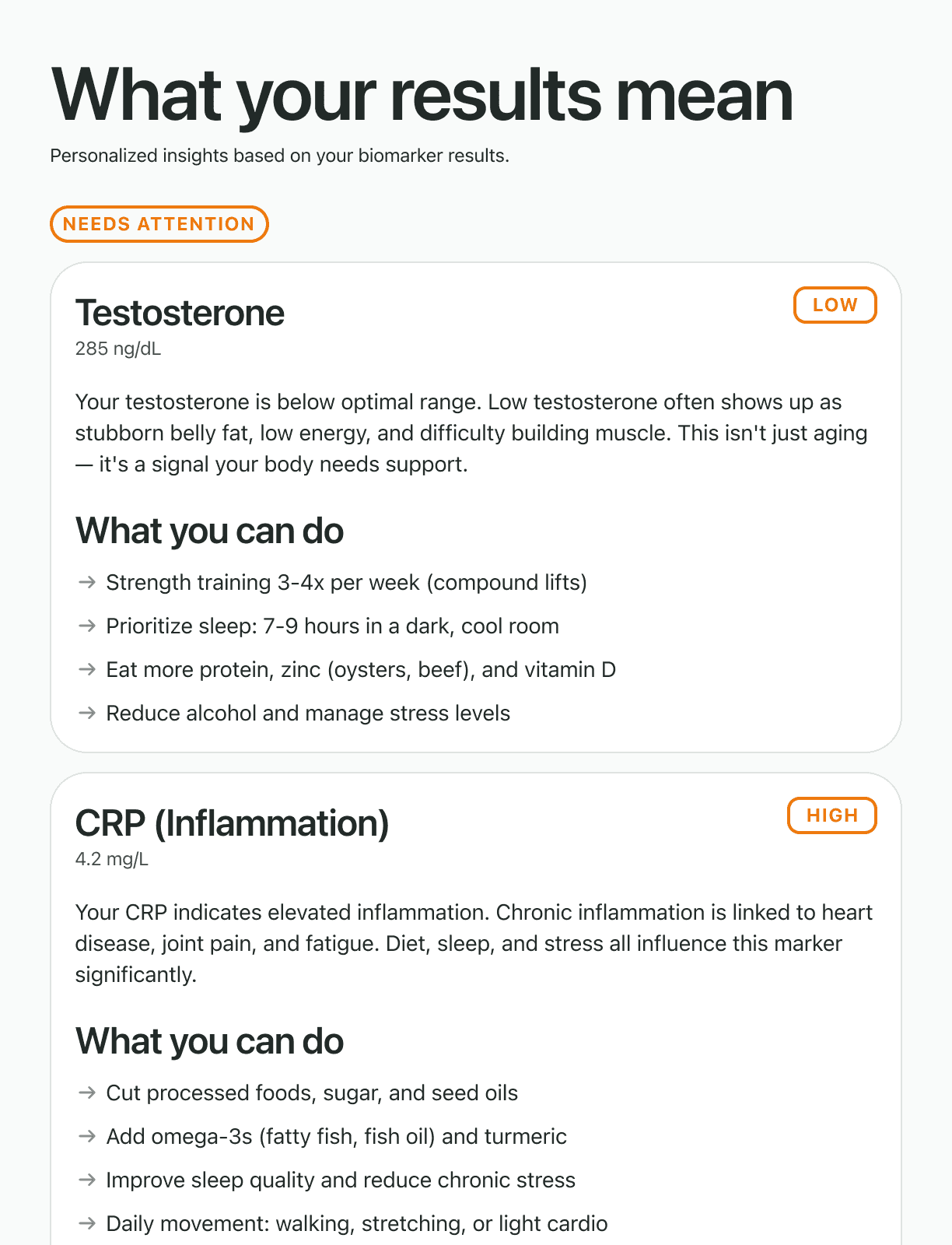
What this means
Your IgG antibodies to Mucor racemosus are elevated, indicating your immune system has been exposed to and is responding to this mold. This suggests your respiratory symptoms, sinus issues, or allergic reactions may be related to mold sensitivity in your environment. Reducing exposure through environmental changes could significantly improve your symptoms.
Recommended actions
Identify and remediate moisture sources and mold growth in your home or workplace
Use HEPA air purifiers in bedrooms and main living areas to reduce airborne spores
Keep indoor humidity below 50% with dehumidifiers and ensure proper ventilation
Consider retesting in 3-6 months after making environmental improvements
* Regular blood test results (e.g., CBC) typically start arriving the next business day after sample collection. More advanced tests may take longer due to complexity.
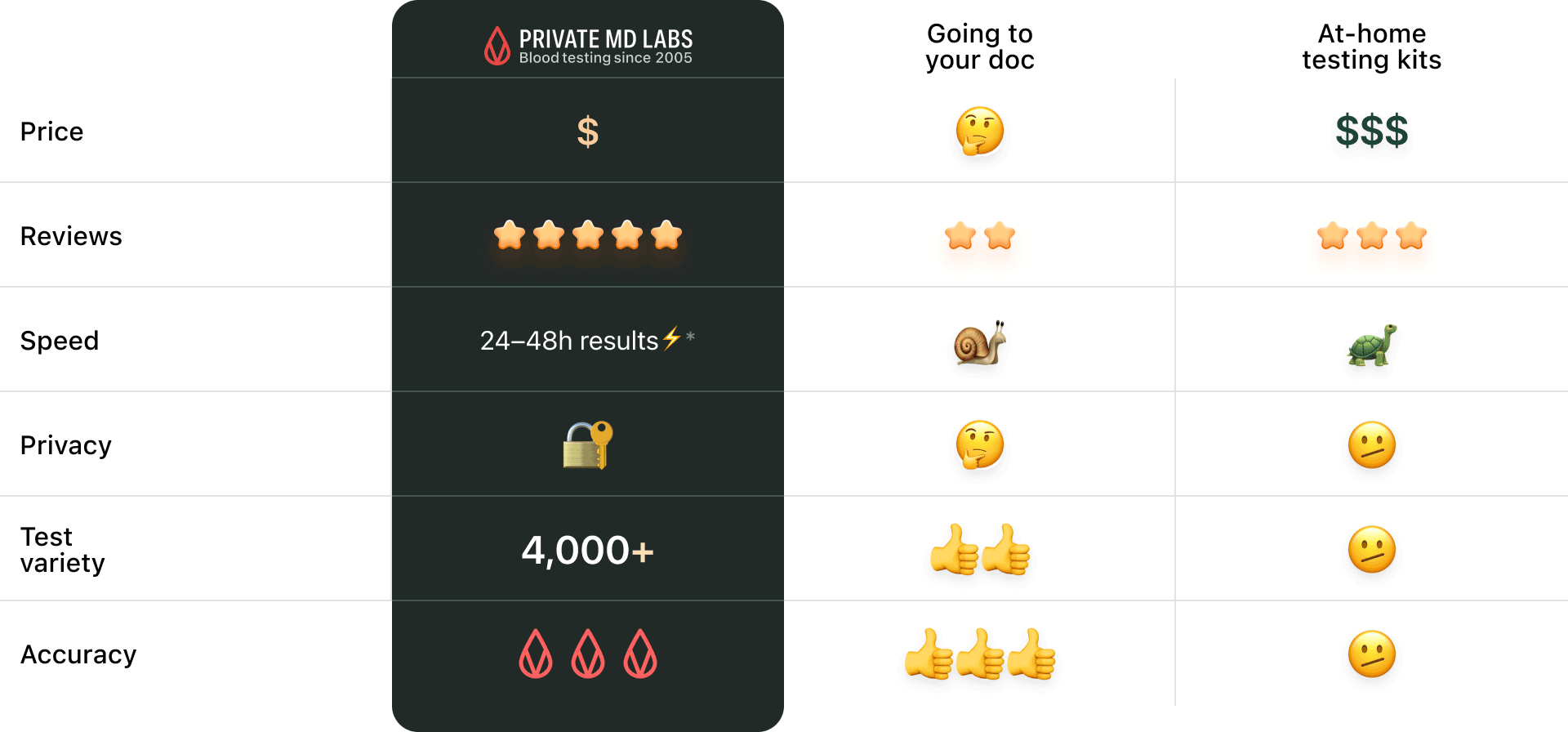
Us vs. Them
Not overhyped or overpriced. Just comprehensive blood testing made simple and for everyone.
* Regular blood test results (e.g., CBC) typically start arriving the next business day after sample collection. More complex tests, such as hormone panels, may take up to 10–15 business days due to their complexity.
1,000,000+ blood tests later, here's what our customers say
Estradiol Ultrasensitive results may get delayed due to high lab volume.It’s a nationwide delay affecting all labs (not just us). Standard processing times apply to all other tests in this panel.
Zinc extended turnaround
Zinc results may get delayed due to high lab volume.It’s a nationwide delay affecting all labs (not just us). Standard processing times apply to all other tests in this panel.
Pregnenolone extended turnaround
Pregnenolone results may get delayed due to high lab volume.It’s a nationwide delay affecting all labs (not just us). Standard processing times apply to all other tests in this panel.

 Login
Login


 90-day money-back guarantee
 Lab order in minutes
 Save a trip to the doctor
 Low prices since 2005
 Labs within 2 miles