Cow's Milk Protein Intolerance (CMPI) is a condition where the immune system reacts abnormally to proteins found in cow's milk, causing digestive symptoms and discomfort. It is caused by an immune response to milk proteins, particularly casein and whey, which triggers the production of IgG antibodies. The Whey (f236) IgG test is the most important test for assessing immune reactions to milk proteins and supporting the diagnosis of CMPI.
90-day money-back guaranteeLab order in minutesSave a trip to the doctorLow prices since 2005Labs within 2 miles
What causes Cow's Milk Protein Intolerance?
Cow's Milk Protein Intolerance is caused by an abnormal immune response to the proteins found in cow's milk, specifically casein and whey. When these proteins enter the digestive system, the immune system mistakenly identifies them as harmful substances and produces IgG antibodies against them. This immune reaction triggers inflammation in the digestive tract, leading to symptoms like bloating, diarrhea, stomach cramps, and skin reactions. Unlike lactose intolerance, which involves difficulty digesting milk sugar, CMPI is an immune-mediated response to the protein components of milk.
What is the best test for Cow's Milk Protein Intolerance?
The Whey (f236) IgG test is the most important blood test for Cow's Milk Protein Intolerance because it measures the level of IgG antibodies your immune system produces in response to whey protein, one of the two main proteins in cow's milk. Elevated IgG antibodies indicate that your body is mounting an immune response to whey, which strongly suggests intolerance. While CMPI is primarily diagnosed through clinical evaluation and elimination diets, the Whey IgG test provides objective evidence of immune system activity and helps healthcare providers confirm whether milk proteins are triggering your symptoms. This test is particularly valuable when combined with your symptom history and dietary patterns to guide treatment decisions and dietary modifications.
When should I get tested for Cow's Milk Protein Intolerance?
You should get tested if you experience digestive symptoms like bloating, diarrhea, stomach cramps, or gas within hours of consuming milk or dairy products. Testing is also recommended if you notice skin reactions such as eczema or hives, respiratory symptoms, or persistent fatigue that seems connected to dairy consumption. Consider testing if you've tried eliminating dairy from your diet and noticed symptom improvement, as testing can confirm the connection. Parents should consider testing for infants or children who show signs of colic, reflux, bloody stools, or failure to thrive, as CMPI is common in young children.
What are the symptoms of Cow's Milk Protein Intolerance?
Symptoms of Cow's Milk Protein Intolerance include digestive issues like bloating, gas, diarrhea, constipation, stomach cramps, and nausea that typically occur within hours of consuming dairy products. You might also experience skin reactions such as eczema, hives, or rashes, as well as respiratory symptoms like nasal congestion or wheezing. Some people report fatigue, headaches, or joint pain. In infants and young children, CMPI can cause excessive crying, colic, vomiting, blood in stools, poor weight gain, and feeding difficulties. The severity of symptoms varies widely, with some people experiencing mild discomfort and others having significant reactions that impact daily life.
Who is at risk for Cow's Milk Protein Intolerance?
Infants and young children are at highest risk for CMPI, particularly those under age 3, though many outgrow the condition by school age. You're at increased risk if you have a family history of food allergies, eczema, asthma, or other allergic conditions. People with other food intolerances or sensitivities are more likely to develop CMPI. Premature infants and those with digestive disorders are also at elevated risk. While CMPI can develop at any age, adults who develop symptoms often have underlying immune system changes or increased intestinal permeability that trigger the intolerance.
What happens if Cow's Milk Protein Intolerance is left untreated?
Untreated Cow's Milk Protein Intolerance can lead to chronic digestive inflammation, which may cause nutrient malabsorption and deficiencies in calcium, vitamin D, and other essential nutrients. In children, ongoing CMPI can result in poor growth, delayed development, and failure to thrive due to inadequate nutrition and chronic discomfort. Continuous exposure to milk proteins can worsen digestive symptoms over time and potentially contribute to conditions like irritable bowel syndrome or inflammatory bowel disease. The persistent immune response can also increase systemic inflammation, which may affect other body systems. Chronic symptoms significantly impact quality of life, causing ongoing discomfort, fatigue, and nutritional concerns.
Can Cow's Milk Protein Intolerance be diagnosed with a blood test?
Cow's Milk Protein Intolerance can be partially assessed with blood tests, but diagnosis typically requires a combination of testing, clinical evaluation, and dietary elimination trials. The Whey IgG blood test measures immune antibodies to milk proteins and provides valuable supporting evidence of intolerance. However, elevated antibodies alone don't confirm CMPI, they must be interpreted alongside your symptoms and response to dietary changes. The gold standard for diagnosis remains an elimination diet where you remove all dairy products for 2-4 weeks to see if symptoms improve, followed by a reintroduction challenge. Blood tests are most useful for confirming immune involvement and guiding treatment decisions.
How is Cow's Milk Protein Intolerance treated?
The primary treatment for Cow's Milk Protein Intolerance is complete elimination of cow's milk and all dairy products from your diet, including milk, cheese, yogurt, butter, and foods containing milk proteins like casein and whey. You'll need to carefully read food labels as milk proteins are hidden in many processed foods, baked goods, and medications. For infants, treatment involves switching to extensively hydrolyzed or amino acid-based formulas, and breastfeeding mothers must eliminate dairy from their own diets. Most people see symptom improvement within 2-4 weeks of elimination. Your healthcare provider may recommend calcium and vitamin D supplements to replace nutrients typically obtained from dairy, and a dietitian can help ensure nutritional adequacy while avoiding milk proteins.
How can I prevent Cow's Milk Protein Intolerance?
There's no guaranteed way to prevent Cow's Milk Protein Intolerance, but certain strategies may reduce risk. For infants, exclusive breastfeeding for the first 4-6 months may help protect against developing CMPI, as breast milk is less allergenic than cow's milk formula. If breastfeeding isn't possible, hypoallergenic formulas may be recommended for high-risk infants. Introducing dairy products gradually and at appropriate ages according to pediatric guidelines allows the immune system to develop tolerance. Maintaining overall gut health through a diverse diet rich in fiber, fermented foods, and probiotics may support immune system balance. If you have a strong family history of allergies, discuss early intervention strategies with your healthcare provider.
What can I do at home for Cow's Milk Protein Intolerance?
At home, strictly avoid all cow's milk and dairy products by reading ingredient labels carefully for hidden milk proteins like casein, whey, lactose, and milk solids. Replace dairy with plant-based alternatives such as almond milk, oat milk, coconut milk, or soy milk fortified with calcium and vitamin D. Keep a food diary to track symptoms and identify hidden sources of milk proteins in your diet. Focus on naturally dairy-free whole foods like fruits, vegetables, lean meats, fish, eggs, legumes, and whole grains to ensure adequate nutrition. Consider digestive support through probiotics and anti-inflammatory foods to help heal the gut. Always have safe snacks and meals prepared when eating out or traveling to avoid accidental exposure to dairy products.
FAQ
How’s this work?
Getting your blood test with us is easy, private & backed by the power of science.
Long story short:
In the test options, use the filters or search box to narrow your choices and find the test you want.
If you need a hand navigating through options, text our super friendly support team at 754-799-7833, and we'll provide tailored suggestions to help you find the ideal test.
Once your order is placed, we’ll create your doctor’s lab order remotely, without any need for you to make a trip to a doctor in person or to talk to the doctor. Expect to receive your doctor’s lab order right in your inbox. It will also be in your patient portal if you need to find it later. We’ll also include instructions regarding fasting and other requirements for your test. Your patient portal will be auto-created hassle-free during checkout.
If this is your first time ordering, you'll be prompted to create a password for instant login access to your patient portal. It's a quick way to conveniently access your orders and results whenever you want.
When you’re ready, visit one of our 4,000 locations. Just bring your ID – no printing or faxing of your lab order is needed, as your order and details will already be in the lab system.
Note that most lab locations don’t accept walk-ins, so it’s best to book an appointment in advance. Don’t worry – we’ll provide detailed instructions along the way.
You’ll get your results via email & SMS and dive into understanding your body better. Yup, that easy!
If you have any questions, please text us at 754-799-7833 or email [email protected] and we'll gladly help you.
How do I know which test to get?
In the test options, find the test you want.
If you’re not sure which test to get, we can lend a hand in finding the right option.
Just text or call us at 754-799-7833, email us at [email protected], and we'll gladly help you. We've got your back and reply quickly.
Is it possible to make changes to my lab order if I made a mistake with the name, date of birth, or any other details?
Absolutely! We totally understand that errors can happen. No worries, we're here to help you.
Just reach out to us via text at 754-799-7833 or shoot us an email at
[email protected]. Remember to include your order number and let us know the correct information you’d like to update.
Our awesome team will jump right in and make sure everything is sorted out and accurate for you.
There are no changes necessary if your address is wrong on the requisition though. We don’t mail anything out.
Our lab requires an address to be listed to generate an order.
Do you accept health insurance?
Only HSA & FSA is accepted.
Our services are strictly self-pay and cannot be submitted to your health insurance provider except for Health Savings Accounts or Flexible Savings Accounts.
This policy applies to all insurance companies, including federal health insurance programs like Medicare.
You can read more about our cancellation policy here.
How can I find a lab location near me?
During the ordering process, you’ll be able to select a specific lab near you, with no strings attached!
You can switch it up later easily and visit any of our authorized locations as long as it’s the same lab company you selected your test for (Quest Diagnostics or Labcorp).
Before you proceed with your order, feel free to browse through all our lab locations here. This will give you the peace of mind of knowing that there's a lab nearby your home, office or your favorite gym.
Here’s how easy it is to get blood work done on your terms
Order your testSave a trip to the doctor. Your results will come with clear, friendly explanations.Takes 2 minutes
Book an appointmentVisit any of our 4,000 nearby lab locations to have your samples collected.Book or walk-in
Get resultsReceive a clear, easy-to-digest health report by email & SMS within a few business days.Get answers, fast
Here’s why 1,000,000+ customers chose us for affordable hassle-free private blood testing.
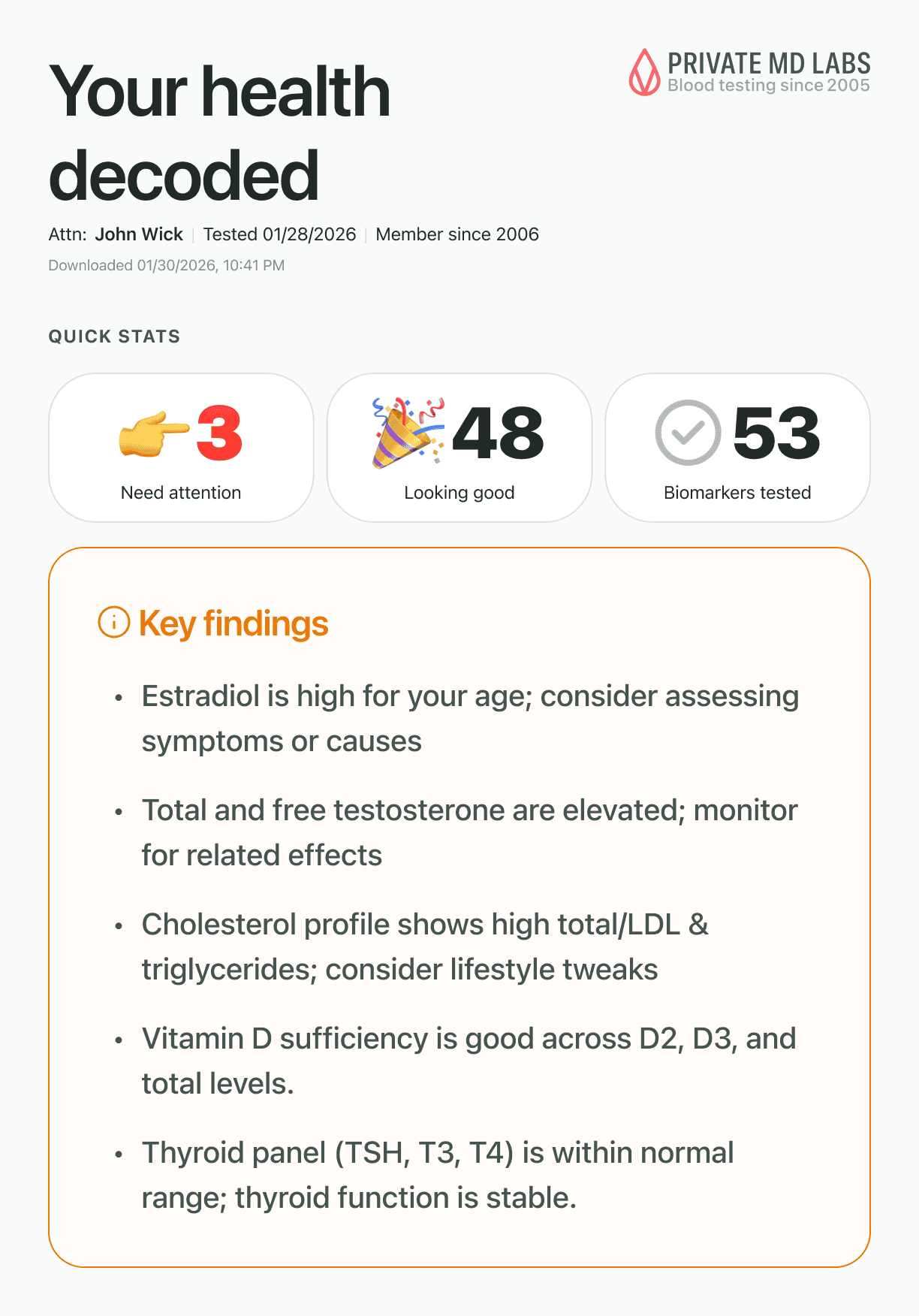
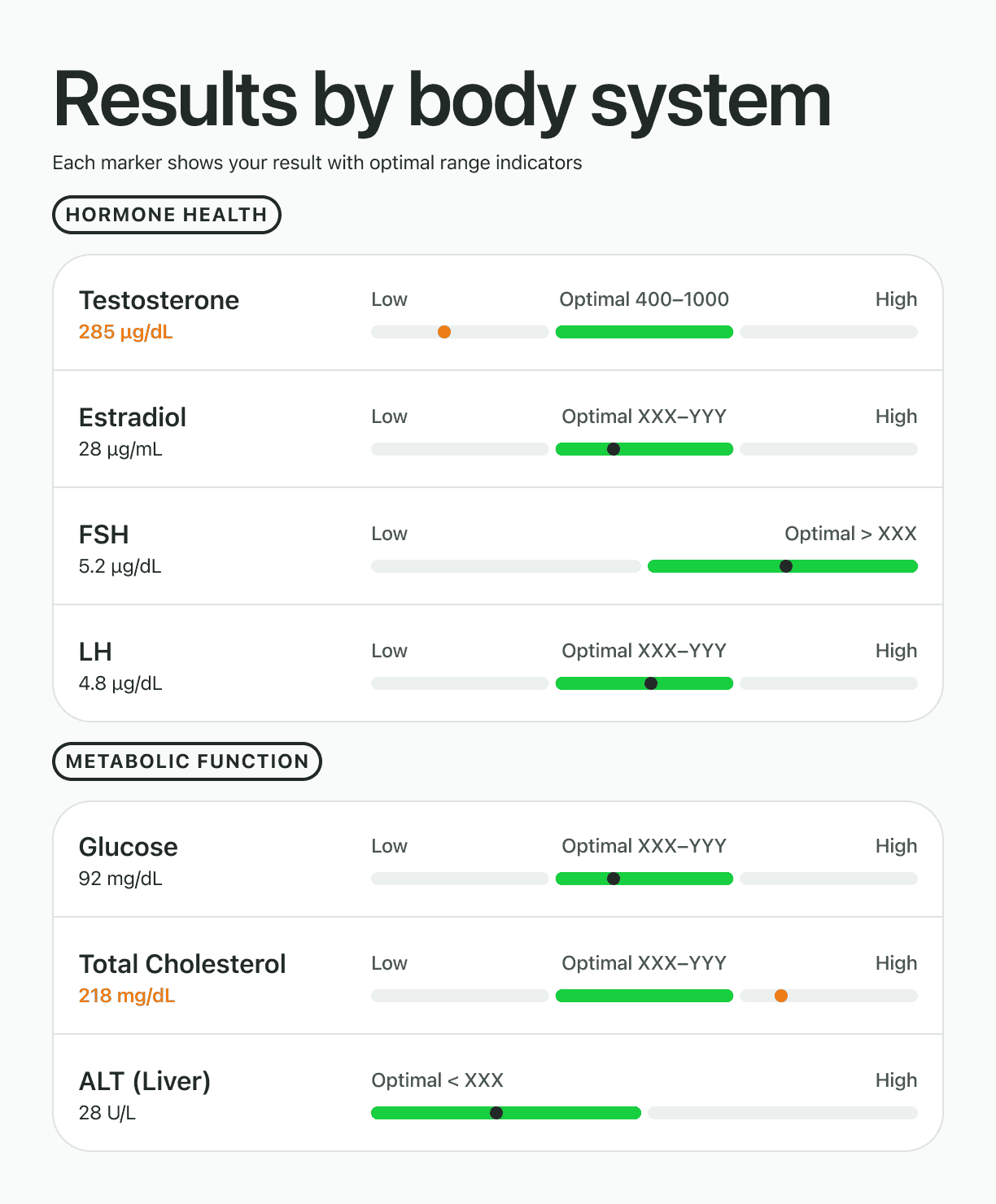
You get clinical lab reports & simplified health insights.
Save time & gas, go straight to the lab. Our doctors cover the rest.
Results start landing the next day after your lab visit.*
We don’t sell or share your data. Your time & privacy matter.
US-licensed doctors have your back if things get unclear.
No hidden fees, nice discounts for regular checkups.
Save a trip to the doctor, go directly to the lab
Get lab order in minutes, results come overnight*
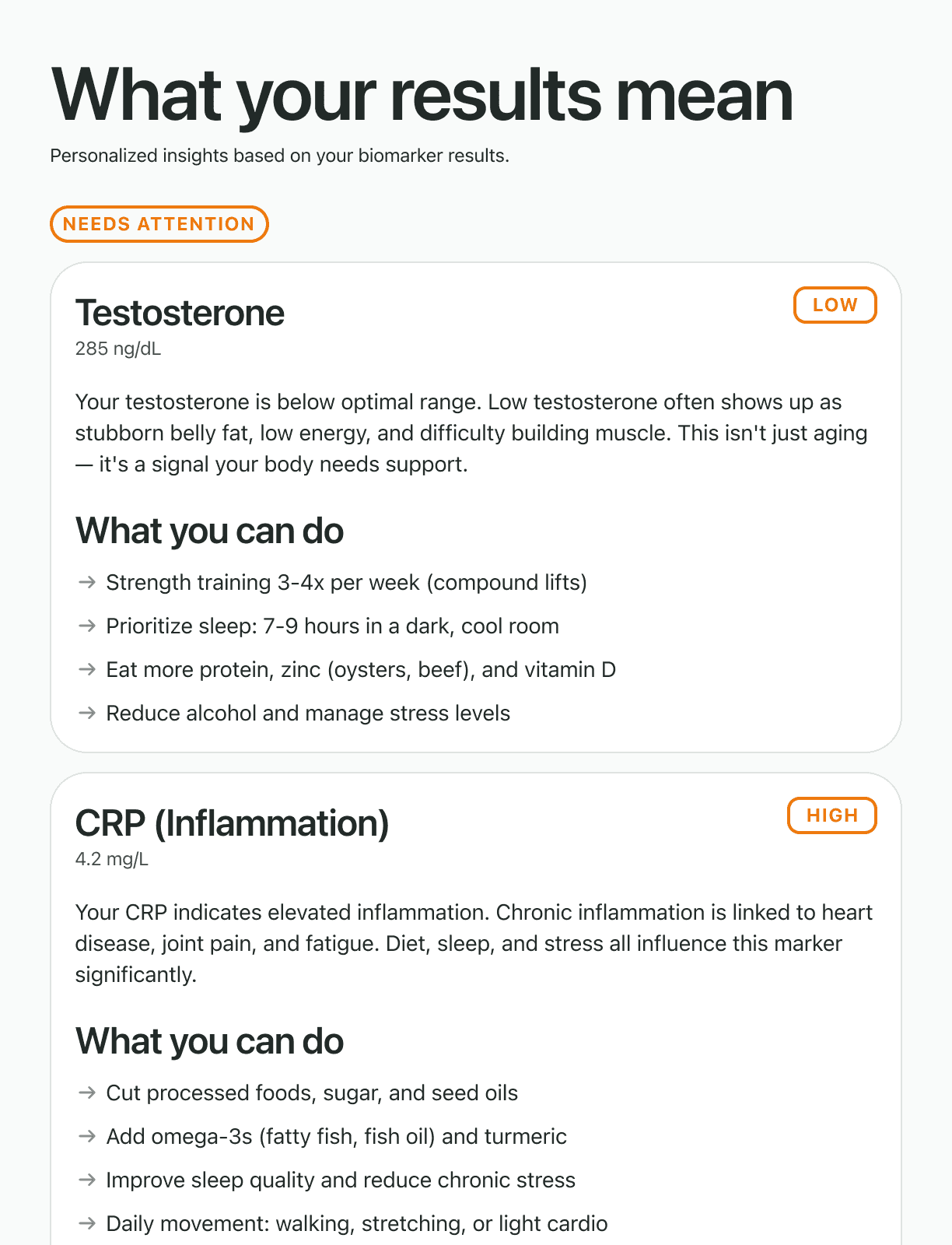
Results explained in simple language
Reviewed by US licensed doctors
Fast & confidential, we never sell or share your data
No insurance needed, transparent pricing
Demo results
Whey (f236) IgG18.5 U/mL
Demo results
Normal < 12Elevated ≥ 12
18.5 U/mL
What this means
Your whey IgG antibody levels are elevated, indicating your immune system is reacting to whey protein found in dairy products. This immune response may be contributing to digestive issues, inflammation, fatigue, or other chronic symptoms you've been experiencing. Elevated levels suggest your body would benefit from reducing or eliminating whey-containing foods.
Recommended actions
Eliminate whey and dairy products for 4-6 weeks and monitor symptom improvements
Read labels carefully as whey is hidden in many processed foods and protein powders
Try alternative proteins like plant-based options, eggs, or whey-free protein sources
Retest in 4-6 months after dietary changes to track antibody reduction
* Regular blood test results (e.g., CBC) typically start arriving the next business day after sample collection. More advanced tests may take longer due to complexity.
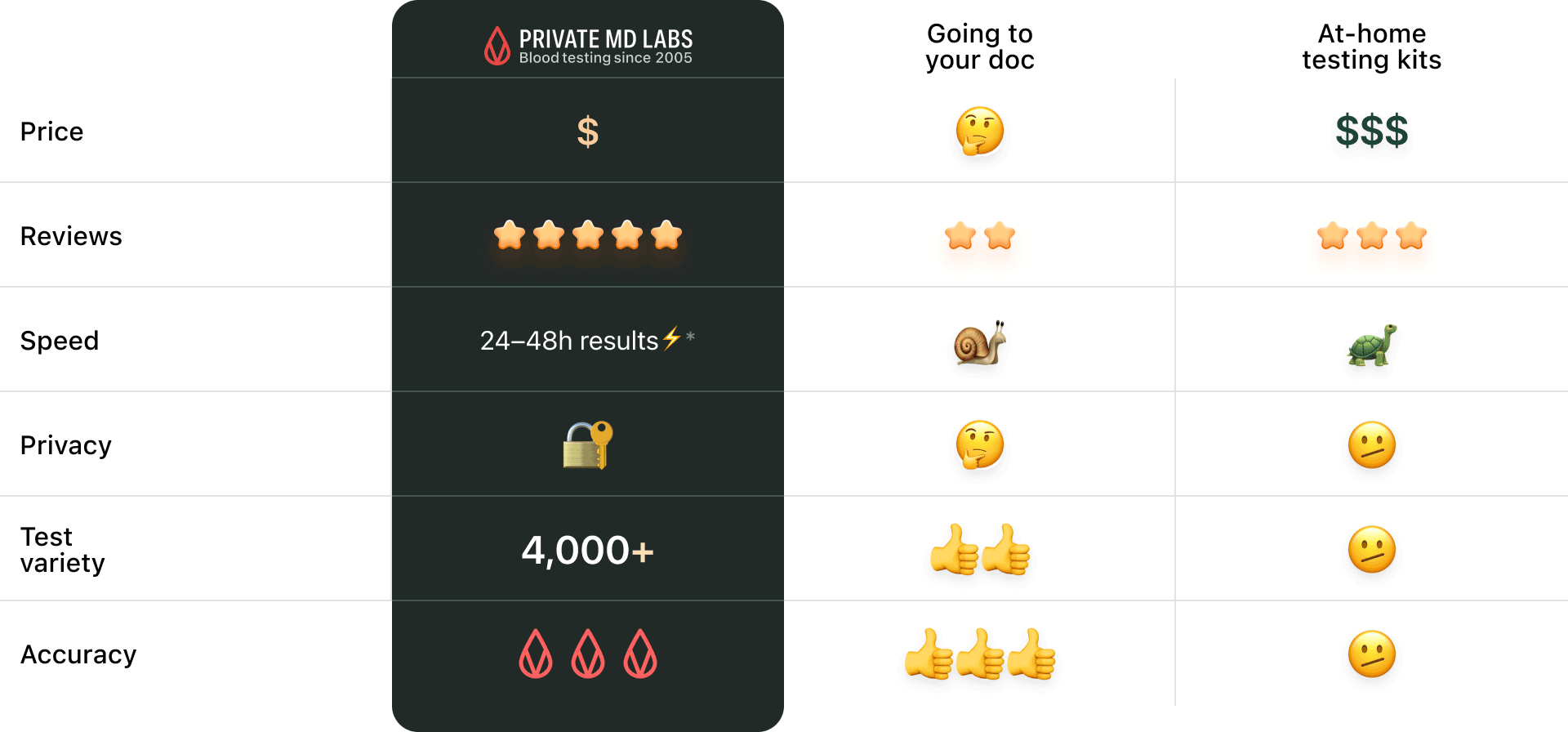
Us vs. Them
Not overhyped or overpriced. Just comprehensive blood testing made simple and for everyone.
* Regular blood test results (e.g., CBC) typically start arriving the next business day after sample collection. More complex tests, such as hormone panels, may take up to 10–15 business days due to their complexity.
1,000,000+ blood tests later, here's what our customers say
Estradiol Ultrasensitive results may get delayed due to high lab volume.It’s a nationwide delay affecting all labs (not just us). Standard processing times apply to all other tests in this panel.
Zinc extended turnaround
Zinc results may get delayed due to high lab volume.It’s a nationwide delay affecting all labs (not just us). Standard processing times apply to all other tests in this panel.
Pregnenolone extended turnaround
Pregnenolone results may get delayed due to high lab volume.It’s a nationwide delay affecting all labs (not just us). Standard processing times apply to all other tests in this panel.

 Login
Login


 90-day money-back guarantee
 Lab order in minutes
 Save a trip to the doctor
 Low prices since 2005
 Labs within 2 miles