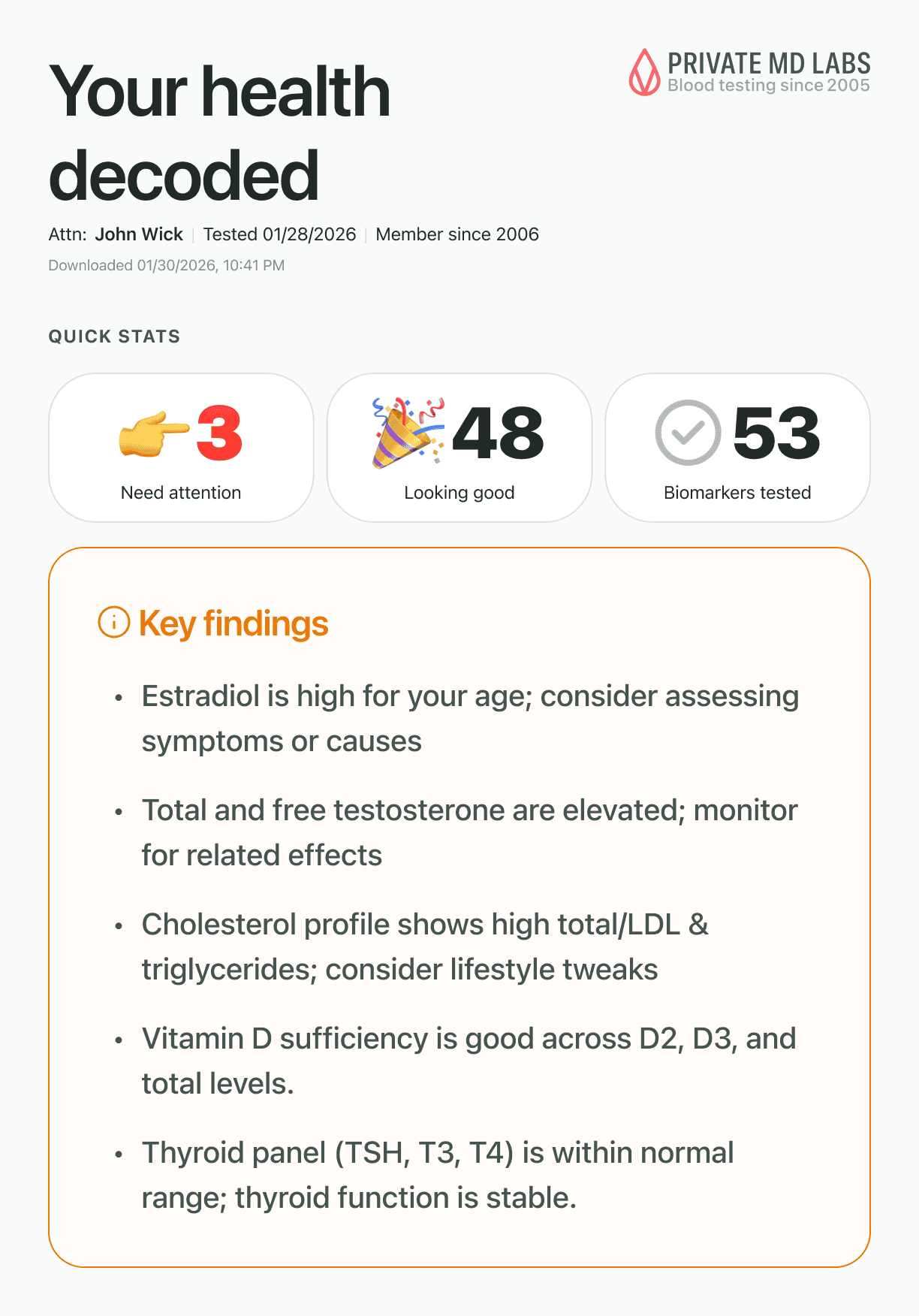
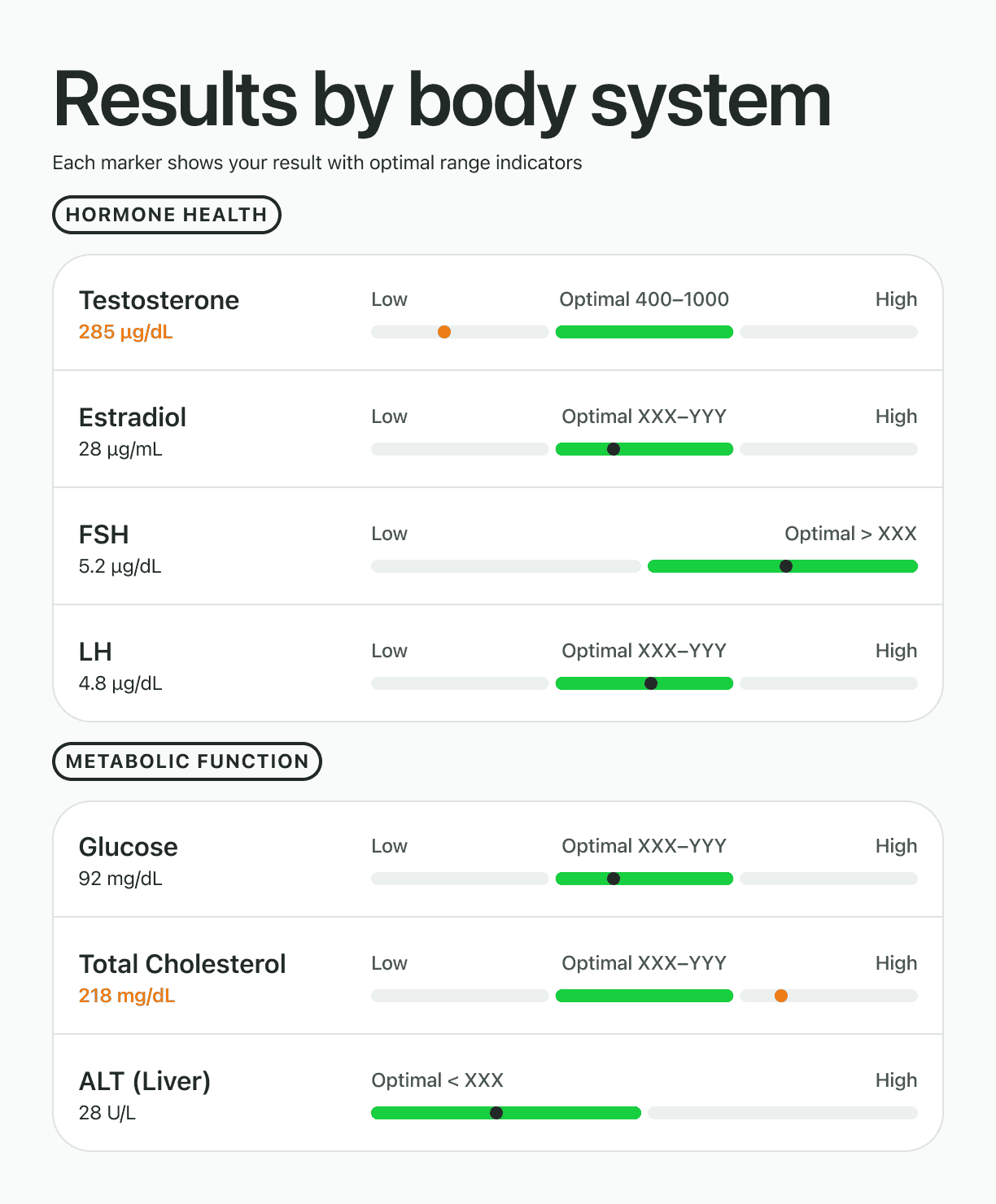
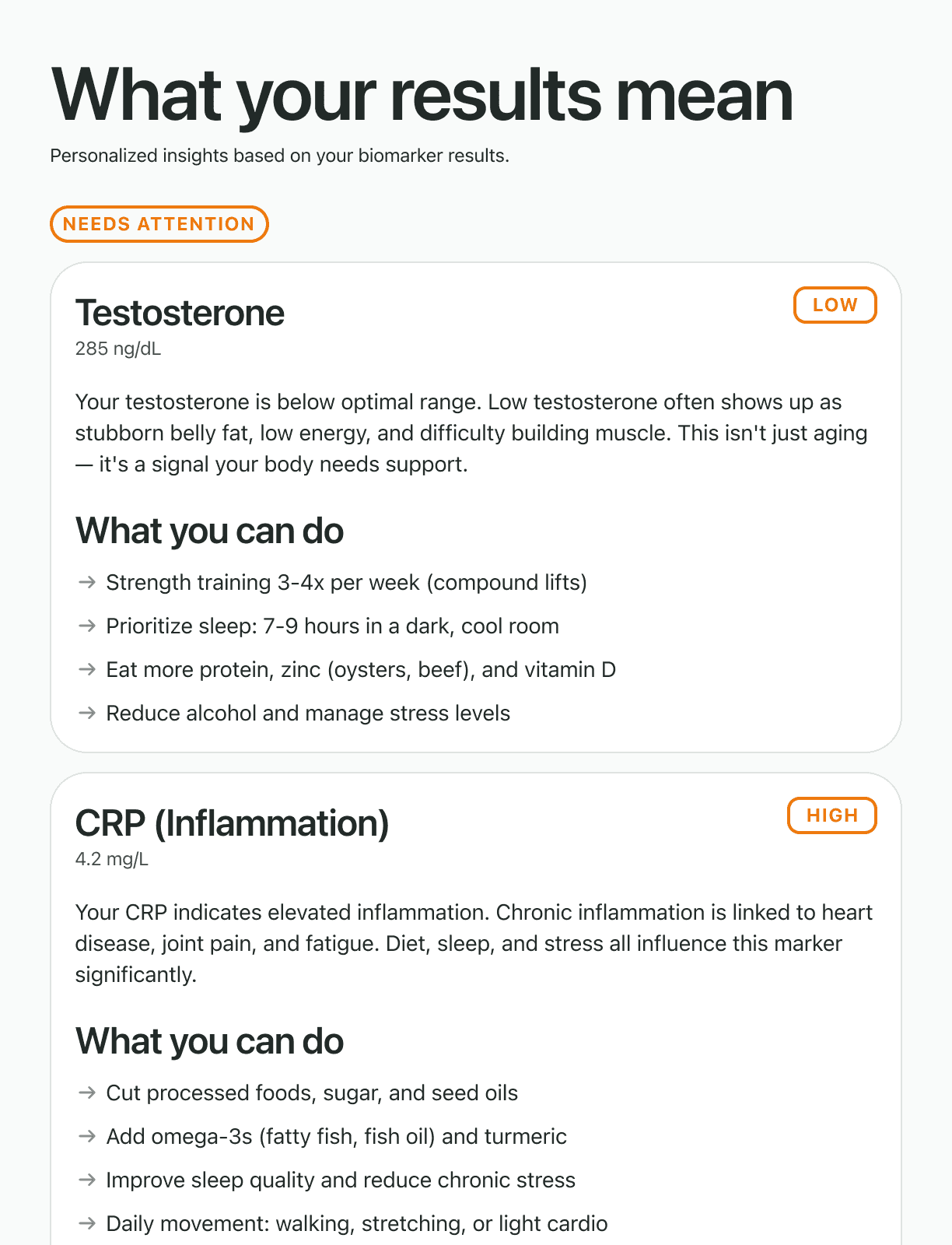
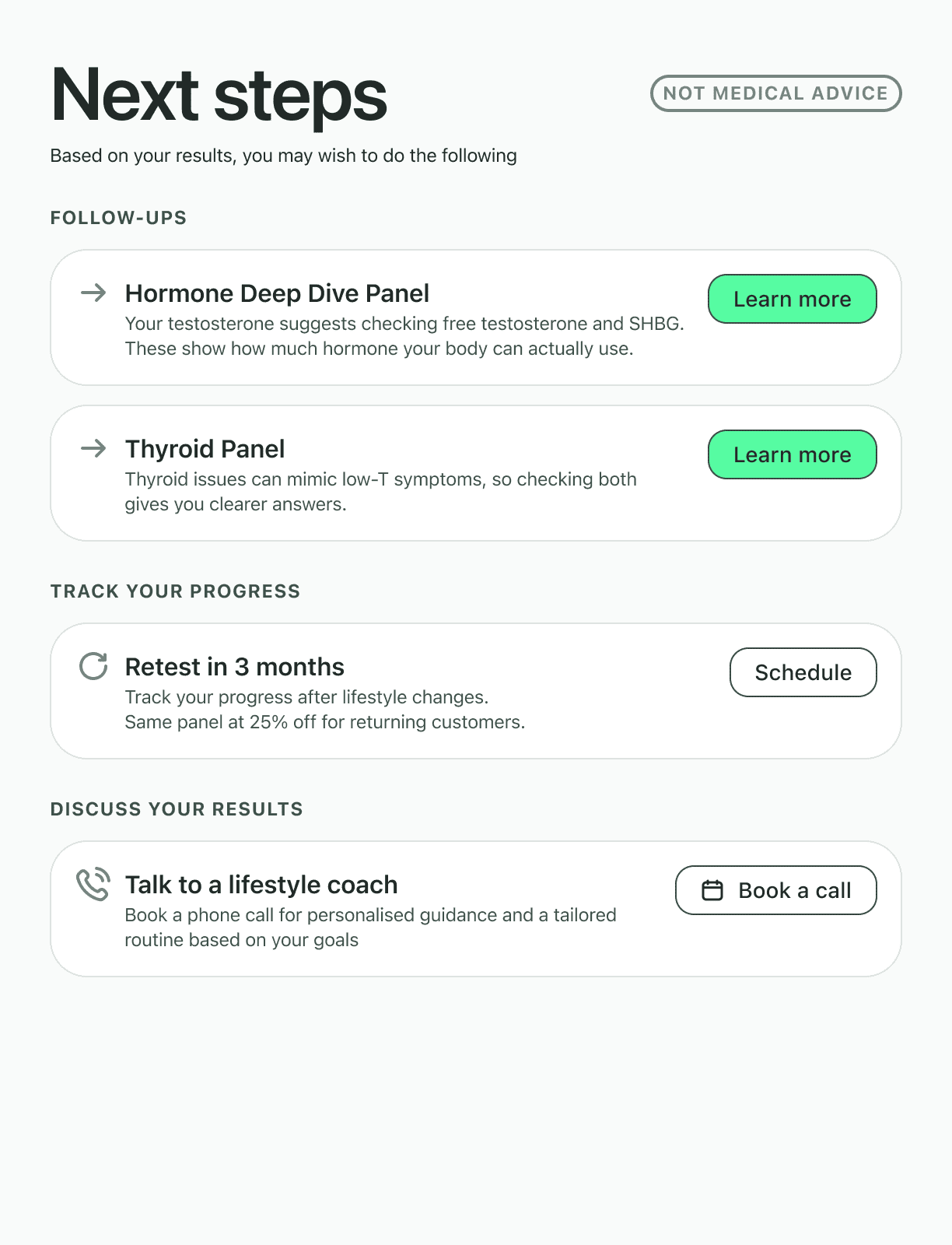
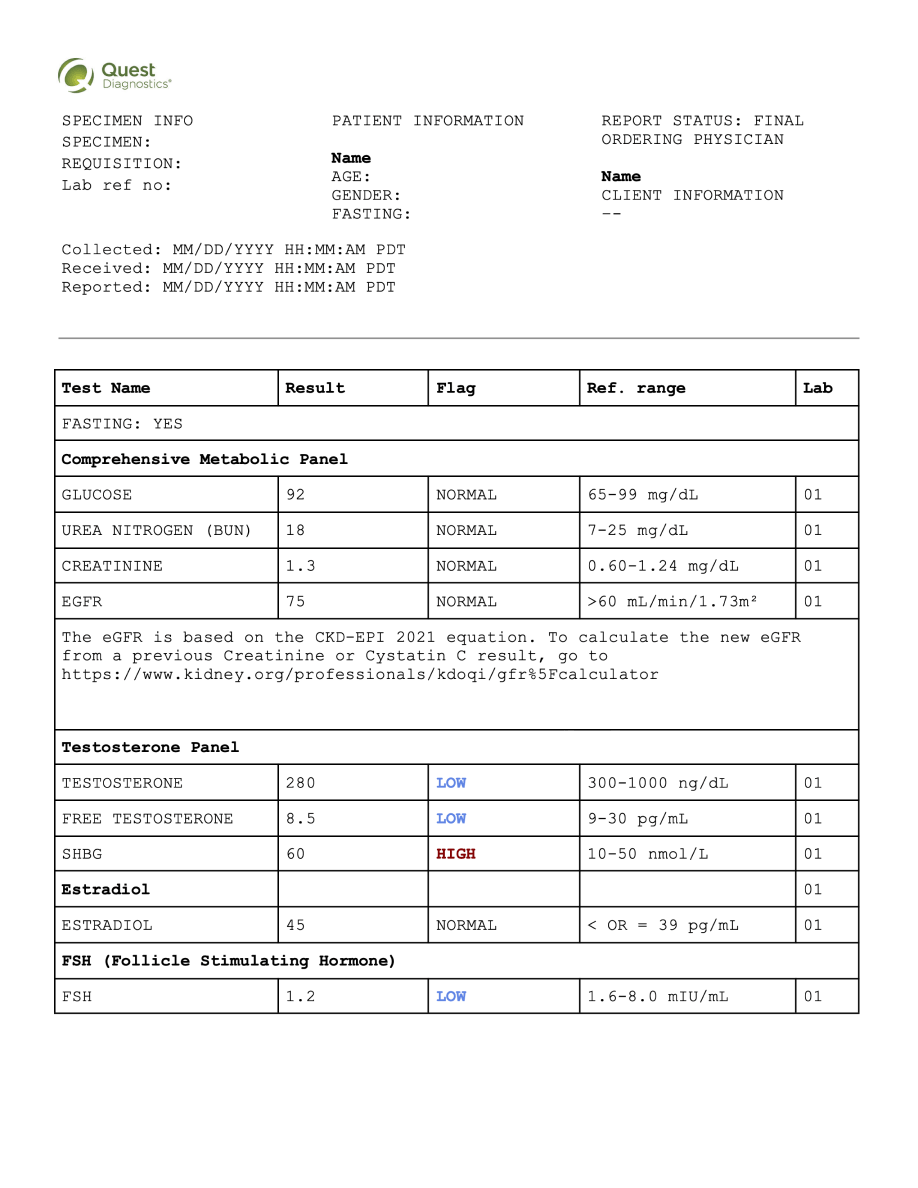
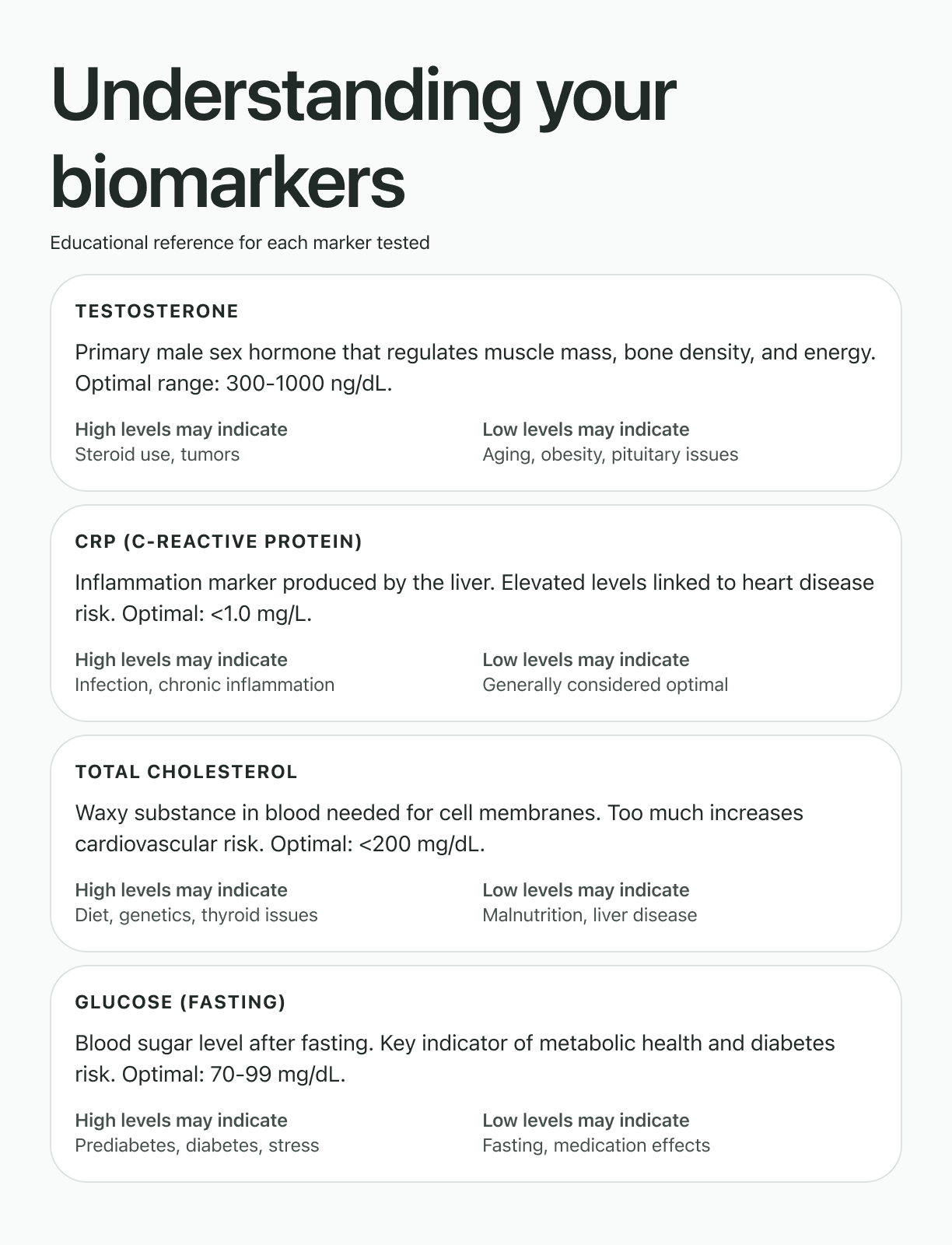
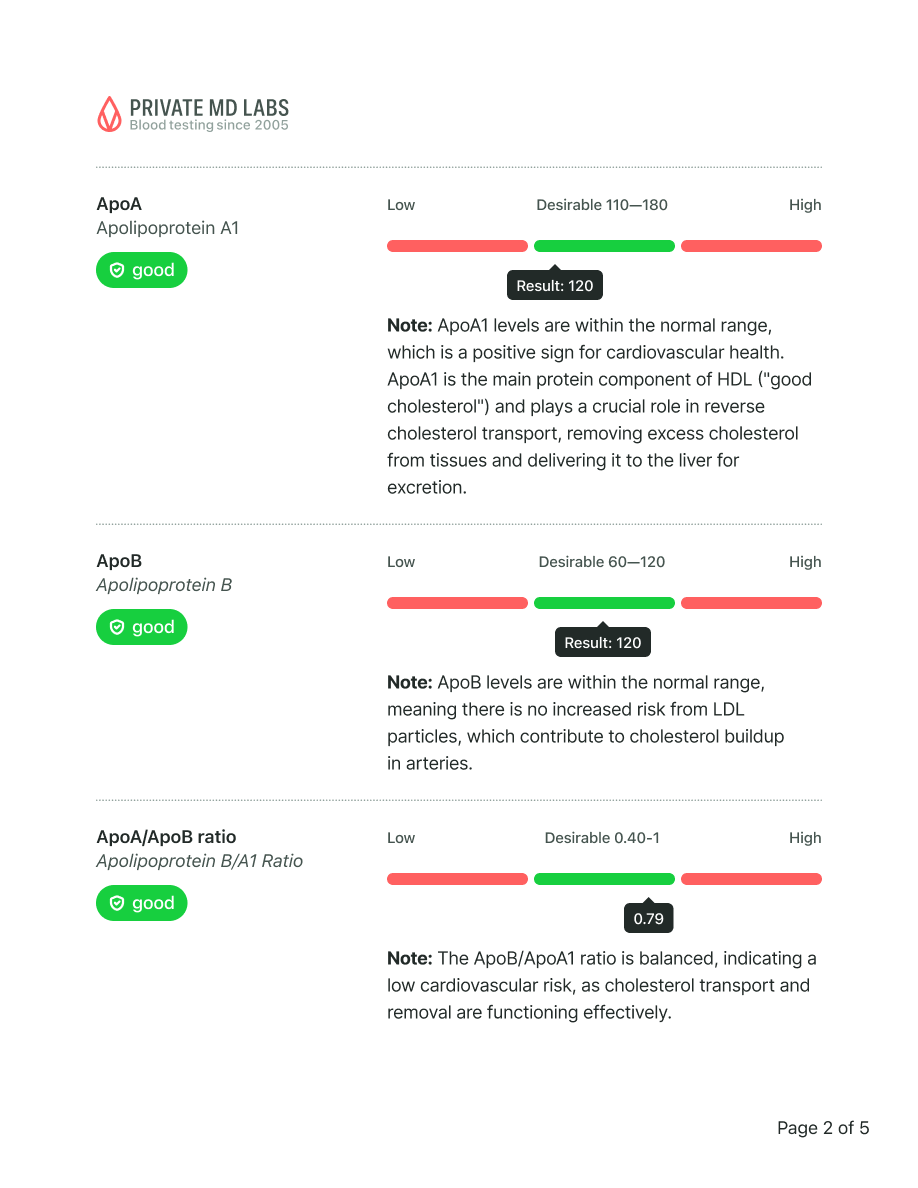
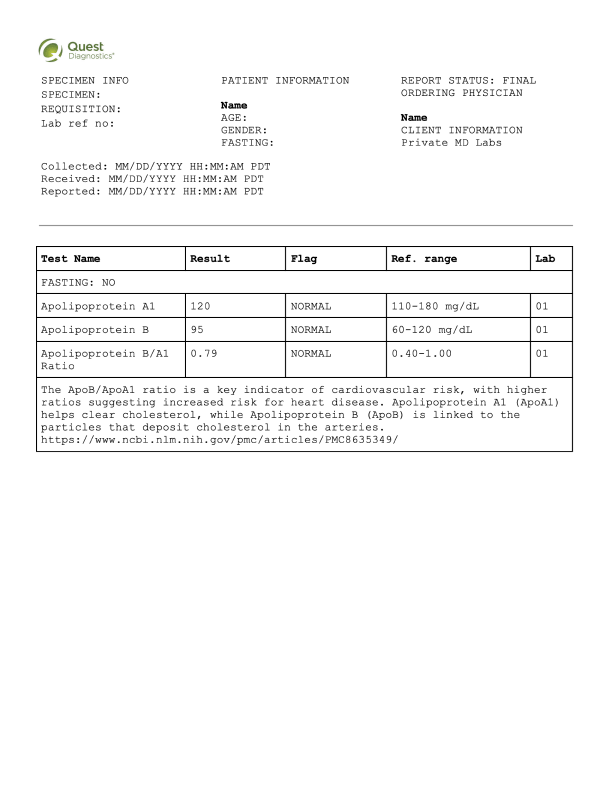
Sample results
Cervicitis is inflammation of the cervix, the lower portion of the uterus that opens into the vagina. It is primarily caused by sexually transmitted infections including Chlamydia trachomatis, Neisseria gonorrhoeae, and Trichomonas vaginalis. The Trichomonas vaginalis RNA, Qualitative, TMA test is the most important test for detecting this common parasitic cause of cervicitis.
Cervicitis is caused by sexually transmitted infections in most cases. The primary infectious agents include Chlamydia trachomatis, Neisseria gonorrhoeae (the bacteria that causes gonorrhea), and Trichomonas vaginalis (a parasitic organism). Non-infectious causes can include allergic reactions to spermicides, douches, or latex condoms, though these are less common. In some cases, cervicitis may result from an overgrowth of normal vaginal bacteria or from physical irritation.
The Trichomonas vaginalis RNA, Qualitative, TMA test is the most important test for cervicitis because it detects one of the most common parasitic causes of cervical inflammation with high sensitivity. This molecular test identifies active Trichomonas vaginalis infection by detecting the organism's RNA, which helps determine if antiparasitic treatment is needed. Additional tests for Chlamydia trachomatis and Neisseria gonorrhoeae are also recommended since these bacterial infections are frequent causes of cervicitis. A comprehensive STI panel may be ordered to identify all potential infectious causes and guide appropriate treatment.
You should get tested if you experience abnormal vaginal discharge (especially if it's yellow, green, or foul-smelling), bleeding between periods or after intercourse, pelvic pain or discomfort, or pain during urination. Testing is also important if you notice any unusual symptoms after unprotected sex or if a sexual partner has been diagnosed with a sexually transmitted infection. Early detection and treatment prevent complications like pelvic inflammatory disease and help stop the spread of infection to partners.
What this means
Your test came back negative, meaning no Trichomonas vaginalis RNA was detected in your sample. This is the expected and healthy result, indicating you do not currently have a trichomoniasis infection.
Recommended actions
Continue practicing safe sex with barrier protection like condoms
Consider regular STD screening every 6-12 months if sexually active
Maintain open communication with sexual partners about testing
Retest if you develop symptoms or have concerns about exposure
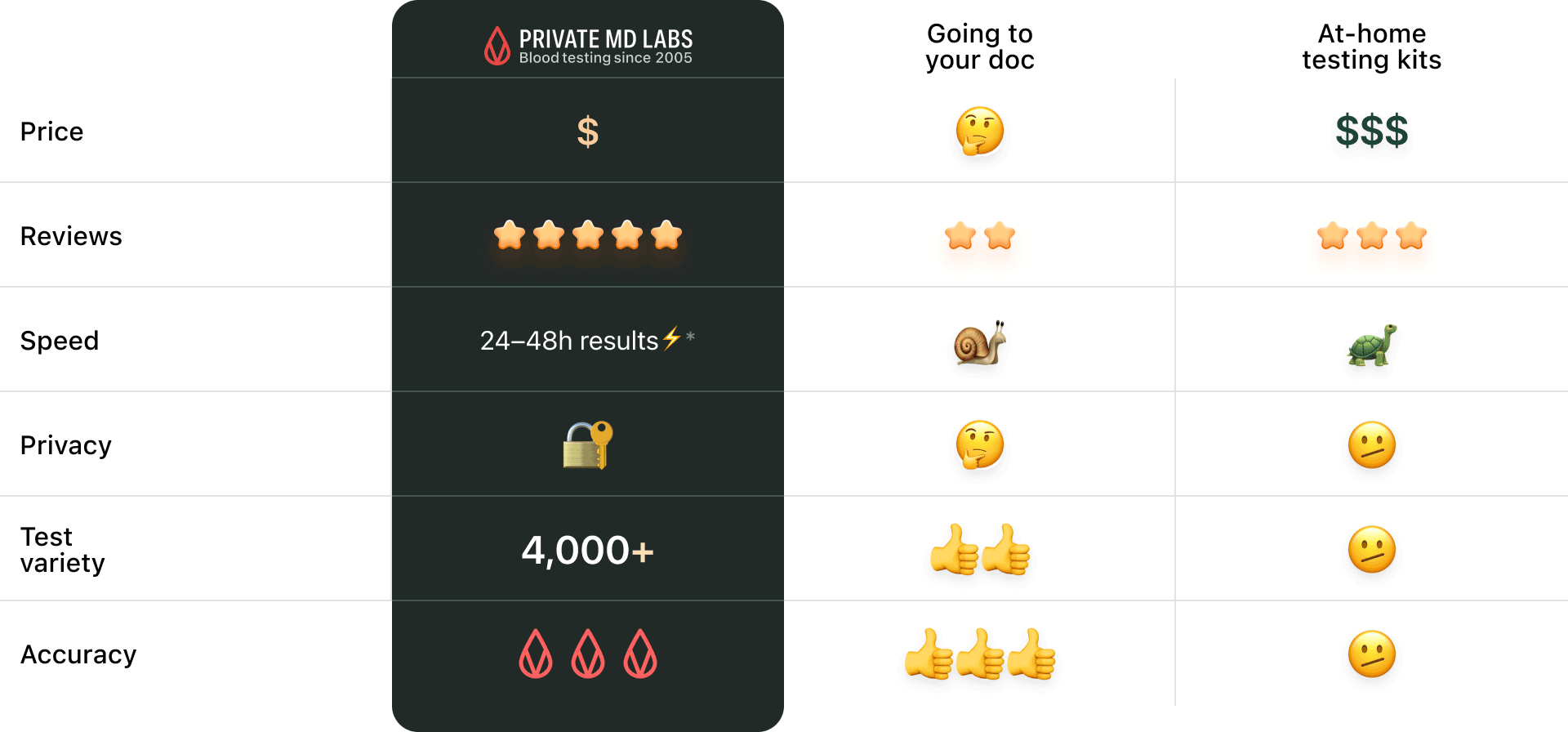
Not overhyped or overpriced. Just comprehensive blood testing made simple and for everyone.
Sample results
Your 24/7 Personal Lab Guide
Quick questions: