Cadmium toxicity occurs when harmful levels of cadmium, a toxic heavy metal, accumulate in the body through prolonged exposure. It is caused by inhaling cigarette smoke, consuming contaminated food or water, or occupational exposure in industrial settings like battery manufacturing, metal plating, or welding. The Heavy Metals Panel Random Urine test is the most important test for diagnosing cadmium toxicity because it measures current cadmium levels and body burden.
90-day money-back guaranteeLab order in minutesSave a trip to the doctorLow prices since 2005Labs within 2 miles
What causes cadmium toxicity?
Cadmium toxicity is caused by prolonged exposure to cadmium, a toxic heavy metal found in cigarette smoke, contaminated foods, and industrial environments. Smokers and people who work in battery manufacturing, metal plating, welding, or pigment production face the highest risk of accumulating harmful cadmium levels. Even secondhand smoke exposure and eating contaminated shellfish, liver, or leafy vegetables grown in polluted soil can contribute to cadmium buildup over time.
What is the best test for cadmium toxicity?
The Heavy Metals Panel Random Urine test is the most important test for cadmium toxicity because it measures the amount of cadmium your body is actively excreting, which reflects your current toxic burden. This comprehensive panel detects elevated cadmium concentrations along with other harmful heavy metals like lead, mercury, and arsenic in a single urine sample. Urine testing is particularly valuable because it shows both recent exposure and long-term body accumulation, helping doctors assess your risk for serious complications like kidney damage, lung disease, cancer, and bone disorders like osteoporosis.
When should I get tested for cadmium toxicity?
You should get tested if you are a current or former smoker, work in industries involving metal processing or battery manufacturing, or live near industrial areas with cadmium contamination. Testing is also important if you experience unexplained kidney problems, bone pain or fractures, breathing difficulties, or have been diagnosed with emphysema or osteoporosis without clear cause. Early detection through testing allows you to identify dangerous cadmium levels before permanent organ damage occurs.
What are the symptoms of cadmium toxicity?
Symptoms of cadmium toxicity develop gradually and include persistent cough, shortness of breath, chest pain, and fatigue from lung damage. You might notice bone pain, frequent fractures, or loss of height due to osteoporosis and skeletal weakening. Kidney damage causes protein in urine, frequent urination, and swelling in legs and feet. Long-term exposure increases risk of lung and prostate cancer, and some people experience yellowing of teeth, loss of smell, and anemia.
Who is at risk for cadmium toxicity?
Smokers face the highest risk because tobacco plants absorb cadmium from soil and each cigarette releases toxic cadmium into lungs. Workers in battery manufacturing, electroplating, soldering, pigment production, and metal recycling have significant occupational exposure. People living near industrial facilities, smelters, or waste sites, and those who regularly consume shellfish, organ meats, or vegetables from contaminated soil are also at elevated risk. Children and pregnant women are particularly vulnerable to cadmium's harmful effects.
What happens if cadmium toxicity is left untreated?
Untreated cadmium toxicity leads to severe and irreversible kidney damage, including chronic kidney disease and kidney failure requiring dialysis. Your bones become extremely fragile, causing painful osteoporosis, frequent fractures, and permanent skeletal deformities. Lung tissue deteriorates into emphysema with severe breathing difficulties and reduced oxygen levels. The risk of developing lung cancer and prostate cancer increases significantly with prolonged exposure. These complications develop over years but become permanent once organ damage occurs.
Can cadmium toxicity be diagnosed with a blood test?
Cadmium toxicity is better diagnosed with urine testing rather than blood tests because urine reflects long-term body burden and ongoing excretion of cadmium. Blood tests only show very recent exposure from the past few days or weeks, while cadmium accumulates in organs over years. The Heavy Metals Panel Random Urine test provides a more accurate assessment of your total cadmium load and helps doctors evaluate the risk of organ damage. Urine testing is the preferred method for detecting chronic cadmium exposure.
How is cadmium toxicity treated?
Treatment focuses on immediately stopping all cadmium exposure by quitting smoking, changing jobs if occupational exposure exists, and avoiding contaminated food sources. Chelation therapy with medications like EDTA may be used in severe acute poisoning cases, though it is less effective for chronic toxicity. Your doctor will monitor kidney function, bone density, and lung capacity regularly to detect complications early. Supportive care includes treating osteoporosis with calcium and vitamin D, managing kidney disease, and monitoring for cancer development.
How can I prevent cadmium toxicity?
Prevent cadmium toxicity by never smoking and avoiding secondhand smoke exposure, which is the single most important prevention strategy. If you work with cadmium-containing materials, always wear proper respiratory protection and follow workplace safety protocols. Choose foods from uncontaminated sources, limit shellfish and organ meat consumption, and wash vegetables thoroughly. Maintain adequate iron, calcium, and zinc intake through diet because these minerals reduce cadmium absorption in your body.
What natural remedies help with cadmium toxicity?
Natural approaches focus on supporting your body's detoxification systems rather than removing cadmium directly. Eating foods rich in calcium, iron, and zinc like dairy products, lean meats, nuts, and whole grains helps block cadmium absorption in your intestines. Antioxidant-rich foods including berries, leafy greens, and vitamin C sources may help protect cells from cadmium damage. Staying well-hydrated supports kidney function and cadmium excretion. However, these strategies complement but never replace medical treatment and complete avoidance of cadmium sources.
FAQ
How’s this work?
Getting your blood test with us is easy, private & backed by the power of science.
Long story short:
In the test options, use the filters or search box to narrow your choices and find the test you want.
If you need a hand navigating through options, text our super friendly support team at 754-799-7833, and we'll provide tailored suggestions to help you find the ideal test.
Once your order is placed, we’ll create your doctor’s lab order remotely, without any need for you to make a trip to a doctor in person or to talk to the doctor. Expect to receive your doctor’s lab order right in your inbox. It will also be in your patient portal if you need to find it later. We’ll also include instructions regarding fasting and other requirements for your test. Your patient portal will be auto-created hassle-free during checkout.
If this is your first time ordering, you'll be prompted to create a password for instant login access to your patient portal. It's a quick way to conveniently access your orders and results whenever you want.
When you’re ready, visit one of our 4,000 locations. Just bring your ID – no printing or faxing of your lab order is needed, as your order and details will already be in the lab system.
Note that most lab locations don’t accept walk-ins, so it’s best to book an appointment in advance. Don’t worry – we’ll provide detailed instructions along the way.
You’ll get your results via email & SMS and dive into understanding your body better. Yup, that easy!
If you have any questions, please text us at 754-799-7833 or email [email protected] and we'll gladly help you.
How do I know which test to get?
In the test options, find the test you want.
If you’re not sure which test to get, we can lend a hand in finding the right option.
Just text or call us at 754-799-7833, email us at [email protected], and we'll gladly help you. We've got your back and reply quickly.
Is it possible to make changes to my lab order if I made a mistake with the name, date of birth, or any other details?
Absolutely! We totally understand that errors can happen. No worries, we're here to help you.
Just reach out to us via text at 754-799-7833 or shoot us an email at
[email protected]. Remember to include your order number and let us know the correct information you’d like to update.
Our awesome team will jump right in and make sure everything is sorted out and accurate for you.
There are no changes necessary if your address is wrong on the requisition though. We don’t mail anything out.
Our lab requires an address to be listed to generate an order.
Do you accept health insurance?
Only HSA & FSA is accepted.
Our services are strictly self-pay and cannot be submitted to your health insurance provider except for Health Savings Accounts or Flexible Savings Accounts.
This policy applies to all insurance companies, including federal health insurance programs like Medicare.
You can read more about our cancellation policy here.
How can I find a lab location near me?
During the ordering process, you’ll be able to select a specific lab near you, with no strings attached!
You can switch it up later easily and visit any of our authorized locations as long as it’s the same lab company you selected your test for (Quest Diagnostics or Labcorp).
Before you proceed with your order, feel free to browse through all our lab locations here. This will give you the peace of mind of knowing that there's a lab nearby your home, office or your favorite gym.
Here’s how easy it is to get blood work done on your terms
Order your testSave a trip to the doctor. Your results will come with clear, friendly explanations.Takes 2 minutes
Book an appointmentVisit any of our 4,000 nearby lab locations to have your samples collected.Book or walk-in
Get resultsReceive a clear, easy-to-digest health report by email & SMS within a few business days.Get answers, fast
Here’s why 1,000,000+ customers chose us for affordable hassle-free private blood testing.
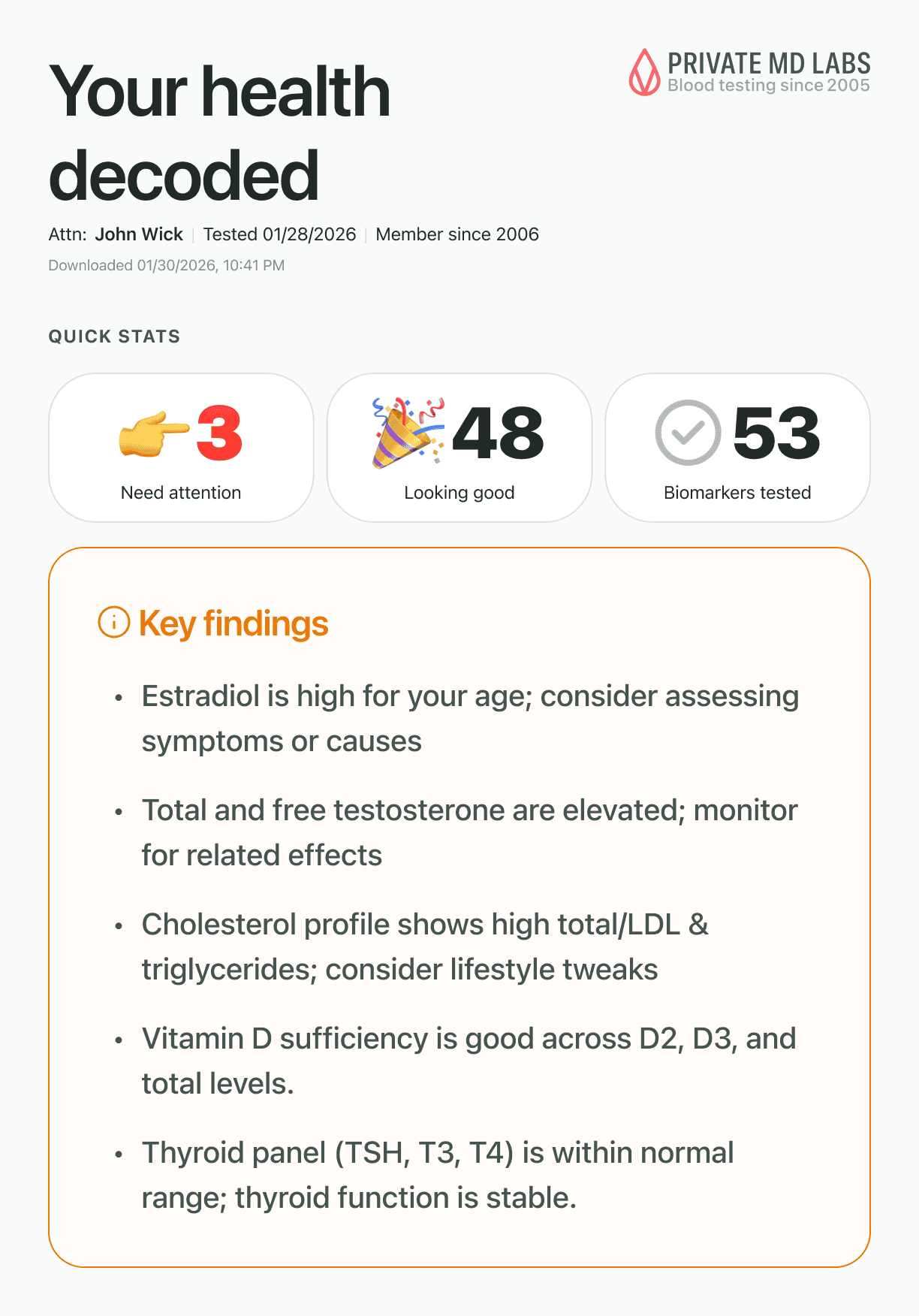
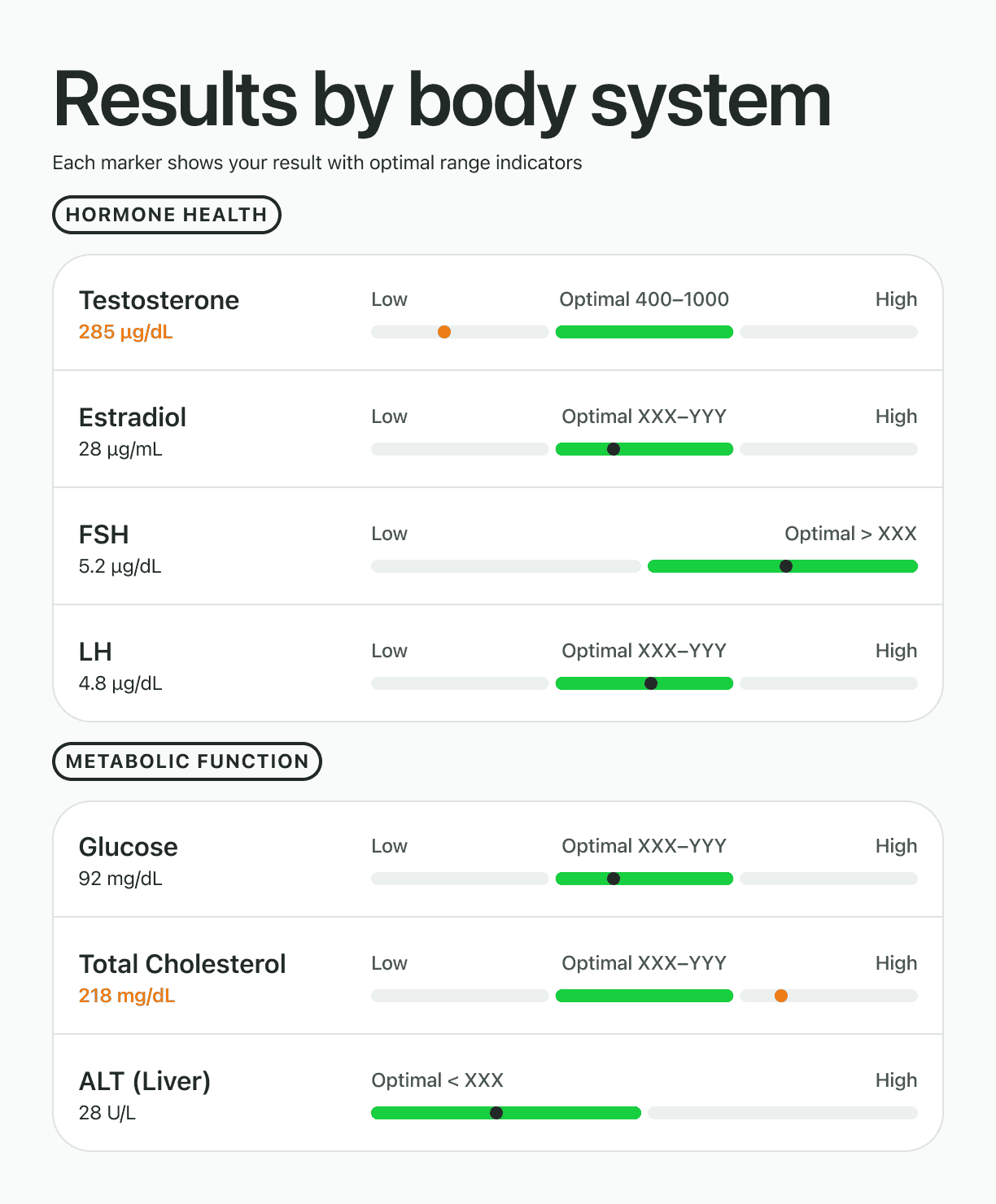
You get clinical lab reports & simplified health insights.
Save time & gas, go straight to the lab. Our doctors cover the rest.
Results start landing the next day after your lab visit.*
We don’t sell or share your data. Your time & privacy matter.
US-licensed doctors have your back if things get unclear.
No hidden fees, nice discounts for regular checkups.
Save a trip to the doctor, go directly to the lab
Get lab order in minutes, results come overnight*
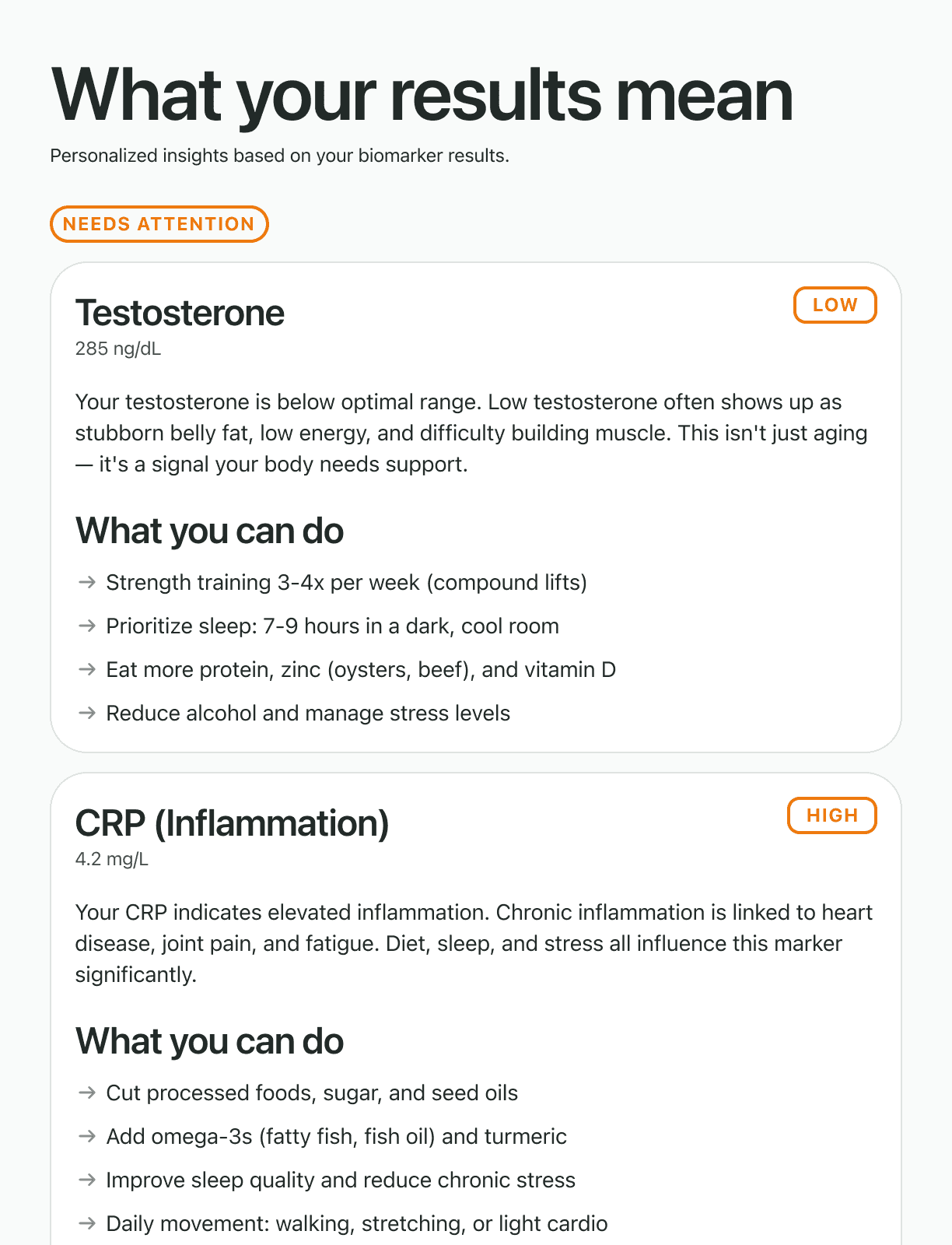
Results explained in simple language
Reviewed by US licensed doctors
Fast & confidential, we never sell or share your data
No insurance needed, transparent pricing
Demo results
Mercury12.5 mcg/L
Demo results
Optimal < 10High ≥ 10
12.5 mcg/L
What this means
Your mercury levels are elevated above the recommended range, which may indicate recent exposure from fish consumption, dental amalgams, or environmental sources. While not at dangerous levels, chronic elevation can contribute to neurological symptoms, fatigue, and cognitive issues over time.
Recommended actions
Avoid high-mercury fish like tuna, swordfish, and king mackerel; choose low-mercury options like salmon and sardines
Increase intake of selenium-rich foods like Brazil nuts and eggs which help protect against mercury toxicity
Stay well-hydrated and eat plenty of fiber to support natural elimination
Retest in 2-3 months after reducing exposure sources to monitor improvement
* Regular blood test results (e.g., CBC) typically start arriving the next business day after sample collection. More advanced tests may take longer due to complexity.
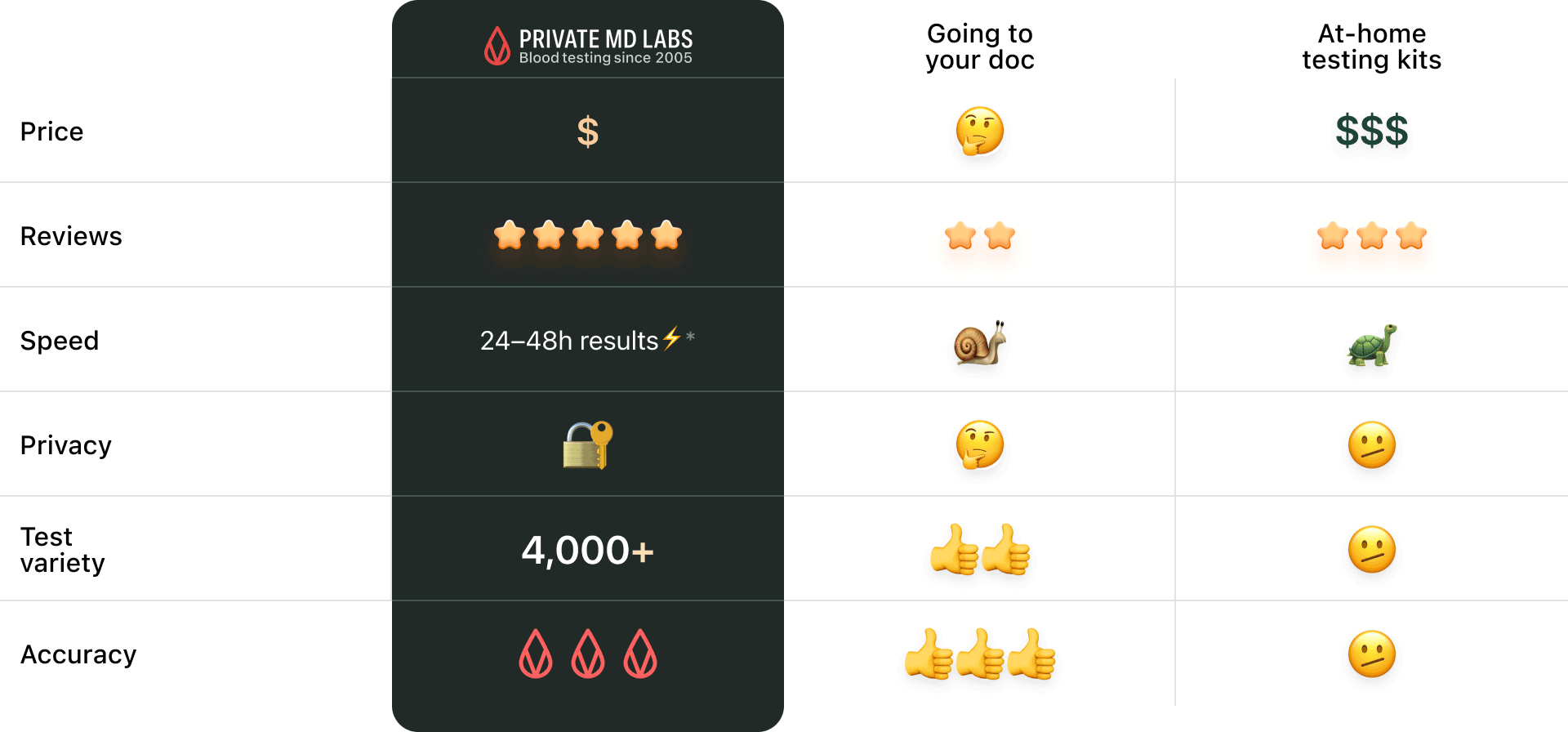
Us vs. Them
Not overhyped or overpriced. Just comprehensive blood testing made simple and for everyone.
* Regular blood test results (e.g., CBC) typically start arriving the next business day after sample collection. More complex tests, such as hormone panels, may take up to 10–15 business days due to their complexity.
1,000,000+ blood tests later, here's what our customers say
Estradiol Ultrasensitive results may get delayed due to high lab volume.It’s a nationwide delay affecting all labs (not just us). Standard processing times apply to all other tests in this panel.
Zinc extended turnaround
Zinc results may get delayed due to high lab volume.It’s a nationwide delay affecting all labs (not just us). Standard processing times apply to all other tests in this panel.
Pregnenolone extended turnaround
Pregnenolone results may get delayed due to high lab volume.It’s a nationwide delay affecting all labs (not just us). Standard processing times apply to all other tests in this panel.

 Login
Login


 90-day money-back guarantee
 Lab order in minutes
 Save a trip to the doctor
 Low prices since 2005
 Labs within 2 miles