Anorexia nervosa is a serious eating disorder characterized by extreme food restriction, intense fear of weight gain, and distorted body image. It is caused by severe caloric restriction that leads to malnutrition, electrolyte imbalances, hormonal disruptions including low leptin levels, and deficiencies in essential nutrients like zinc. The Zinc blood test is the most important test for anorexia nervosa because zinc deficiency can worsen appetite loss and immune function, making it essential to monitor during treatment and recovery.
90-day money-back guaranteeLab order in minutesSave a trip to the doctorLow prices since 2005Labs within 2 miles
What causes anorexia nervosa?
Anorexia nervosa is caused by a complex combination of psychological, biological, and environmental factors. Psychological contributors include perfectionism, anxiety, obsessive-compulsive tendencies, and distorted body image, while biological factors involve genetic predisposition and brain chemistry imbalances affecting appetite regulation and mood. Environmental triggers can include societal pressure for thinness, traumatic life events, cultural emphasis on appearance, and certain sports or professions that prioritize low body weight.
What is the best test for anorexia nervosa?
The Zinc blood test is the most important test for anorexia nervosa because zinc deficiency is extremely common due to restricted food intake and directly worsens appetite loss, creating a dangerous cycle. The Leptin Serum test is also essential as it measures the hormone that regulates hunger and energy balance, with characteristically low levels in anorexia reflecting dangerously low body fat. Additional critical tests include the Prolactin test to monitor hormonal disruptions affecting menstrual cycles, the C-Telopeptide test to assess bone breakdown and prevent skeletal complications, and the Carotene test to evaluate dietary patterns and nutritional status during treatment.
When should I get tested for anorexia nervosa?
You should get tested if you or someone you care about is severely restricting food intake, has lost significant weight rapidly, experiences missed menstrual periods, feels dizzy or fatigued frequently, or shows obsessive behaviors around food and exercise. Testing is especially important if physical symptoms like hair loss, brittle nails, cold intolerance, or heart palpitations develop, as these indicate serious nutritional deficiencies and medical complications. Early testing and intervention can prevent life-threatening complications and support more effective recovery outcomes.
What are the symptoms of anorexia nervosa?
Anorexia nervosa symptoms include extreme weight loss, intense fear of gaining weight despite being underweight, distorted body image, and denial of hunger. Physical symptoms include fatigue, dizziness, fainting, brittle hair and nails, dry skin, intolerance to cold, absence of menstruation in females, constipation, and irregular heart rhythms. Behavioral signs include obsessive calorie counting, avoiding meals, excessive exercise, wearing baggy clothes to hide weight loss, and social withdrawal from eating situations.
Who is at risk for anorexia nervosa?
Anorexia nervosa most commonly affects adolescent girls and young women, though it can occur in males and people of all ages. Individuals with perfectionist tendencies, anxiety disorders, depression, obsessive-compulsive traits, or a family history of eating disorders are at higher risk. Athletes in sports emphasizing leanness such as gymnastics, ballet, wrestling, and distance running face increased risk, as do people in appearance-focused professions like modeling and acting. Those who have experienced trauma, bullying about weight, or significant life stressors are also more vulnerable to developing this eating disorder.
What happens if anorexia nervosa is left untreated?
Untreated anorexia nervosa can lead to severe and potentially fatal complications affecting every organ system in the body. Cardiovascular complications include heart failure, irregular heartbeats, and sudden cardiac death, while bone loss can become irreversible leading to osteoporosis and fractures. Hormonal disruptions cause infertility, kidney failure can develop from chronic dehydration, and severe electrolyte imbalances can cause seizures. Anorexia nervosa has the highest mortality rate of any psychiatric disorder, with death occurring from medical complications or suicide, making early intervention and comprehensive treatment absolutely critical.
Can anorexia nervosa be diagnosed with a blood test?
Anorexia nervosa cannot be diagnosed with blood tests alone, as the diagnosis is made through clinical assessment and psychological evaluation by qualified mental health professionals. However, blood tests are essential for monitoring the medical complications and nutritional deficiencies that accompany this eating disorder. Tests like zinc, leptin, prolactin, and bone breakdown markers help healthcare providers assess the severity of malnutrition, track organ function, detect dangerous electrolyte imbalances, and monitor recovery progress throughout treatment.
How is anorexia nervosa treated?
Anorexia nervosa treatment requires a comprehensive, multidisciplinary approach involving medical doctors, mental health professionals, and registered dietitians working together. Psychotherapy, particularly cognitive-behavioral therapy and family-based therapy, addresses distorted thoughts about food, weight, and body image. Nutritional rehabilitation focuses on gradual, supervised weight restoration and establishing healthy eating patterns, while medical monitoring through blood tests tracks organ function and nutritional status. In severe cases, hospitalization or residential treatment may be necessary to stabilize medical complications, and ongoing support through support groups and continued therapy helps prevent relapse.
How can I prevent anorexia nervosa?
Preventing anorexia nervosa involves fostering a healthy relationship with food and body image from an early age through positive family meals and avoiding diet talk. Encourage self-esteem based on character and abilities rather than appearance, teach critical thinking about media messages promoting unrealistic body standards, and create open communication about emotions and stress. Address any signs of anxiety, perfectionism, or depression early with professional support, and be cautious with sports or activities that emphasize weight or appearance. Building resilience through strong social connections and healthy coping strategies for stress can significantly reduce eating disorder risk.
What can I do at home to support recovery from anorexia nervosa?
Supporting recovery from anorexia nervosa at home requires creating a structured, supportive environment with regular meal times and reducing focus on weight or appearance. Family members should educate themselves about eating disorders, avoid commenting on food choices or body size, and instead offer emotional support and encouragement for healthy behaviors. Establishing stress-reduction practices like gentle yoga, meditation, journaling, and creative activities can help manage anxiety without excessive exercise. However, home support must complement professional treatment from medical doctors, therapists, and dietitians, as anorexia nervosa is a serious medical condition requiring comprehensive, supervised care for successful recovery.
FAQ
How’s this work?
Getting your blood test with us is easy, private & backed by the power of science.
Long story short:
In the test options, use the filters or search box to narrow your choices and find the test you want.
If you need a hand navigating through options, text our super friendly support team at 754-799-7833, and we'll provide tailored suggestions to help you find the ideal test.
Once your order is placed, we’ll create your doctor’s lab order remotely, without any need for you to make a trip to a doctor in person or to talk to the doctor. Expect to receive your doctor’s lab order right in your inbox. It will also be in your patient portal if you need to find it later. We’ll also include instructions regarding fasting and other requirements for your test. Your patient portal will be auto-created hassle-free during checkout.
If this is your first time ordering, you'll be prompted to create a password for instant login access to your patient portal. It's a quick way to conveniently access your orders and results whenever you want.
When you’re ready, visit one of our 4,000 locations. Just bring your ID – no printing or faxing of your lab order is needed, as your order and details will already be in the lab system.
Note that most lab locations don’t accept walk-ins, so it’s best to book an appointment in advance. Don’t worry – we’ll provide detailed instructions along the way.
You’ll get your results via email & SMS and dive into understanding your body better. Yup, that easy!
If you have any questions, please text us at 754-799-7833 or email [email protected] and we'll gladly help you.
How do I know which test to get?
In the test options, find the test you want.
If you’re not sure which test to get, we can lend a hand in finding the right option.
Just text or call us at 754-799-7833, email us at [email protected], and we'll gladly help you. We've got your back and reply quickly.
Is it possible to make changes to my lab order if I made a mistake with the name, date of birth, or any other details?
Absolutely! We totally understand that errors can happen. No worries, we're here to help you.
Just reach out to us via text at 754-799-7833 or shoot us an email at
[email protected]. Remember to include your order number and let us know the correct information you’d like to update.
Our awesome team will jump right in and make sure everything is sorted out and accurate for you.
There are no changes necessary if your address is wrong on the requisition though. We don’t mail anything out.
Our lab requires an address to be listed to generate an order.
Do you accept health insurance?
Only HSA & FSA is accepted.
Our services are strictly self-pay and cannot be submitted to your health insurance provider except for Health Savings Accounts or Flexible Savings Accounts.
This policy applies to all insurance companies, including federal health insurance programs like Medicare.
You can read more about our cancellation policy here.
How can I find a lab location near me?
During the ordering process, you’ll be able to select a specific lab near you, with no strings attached!
You can switch it up later easily and visit any of our authorized locations as long as it’s the same lab company you selected your test for (Quest Diagnostics or Labcorp).
Before you proceed with your order, feel free to browse through all our lab locations here. This will give you the peace of mind of knowing that there's a lab nearby your home, office or your favorite gym.
Here’s how easy it is to get blood work done on your terms
Order your testSave a trip to the doctor. Your results will come with clear, friendly explanations.Takes 2 minutes
Book an appointmentVisit any of our 4,000 nearby lab locations to have your samples collected.Book or walk-in
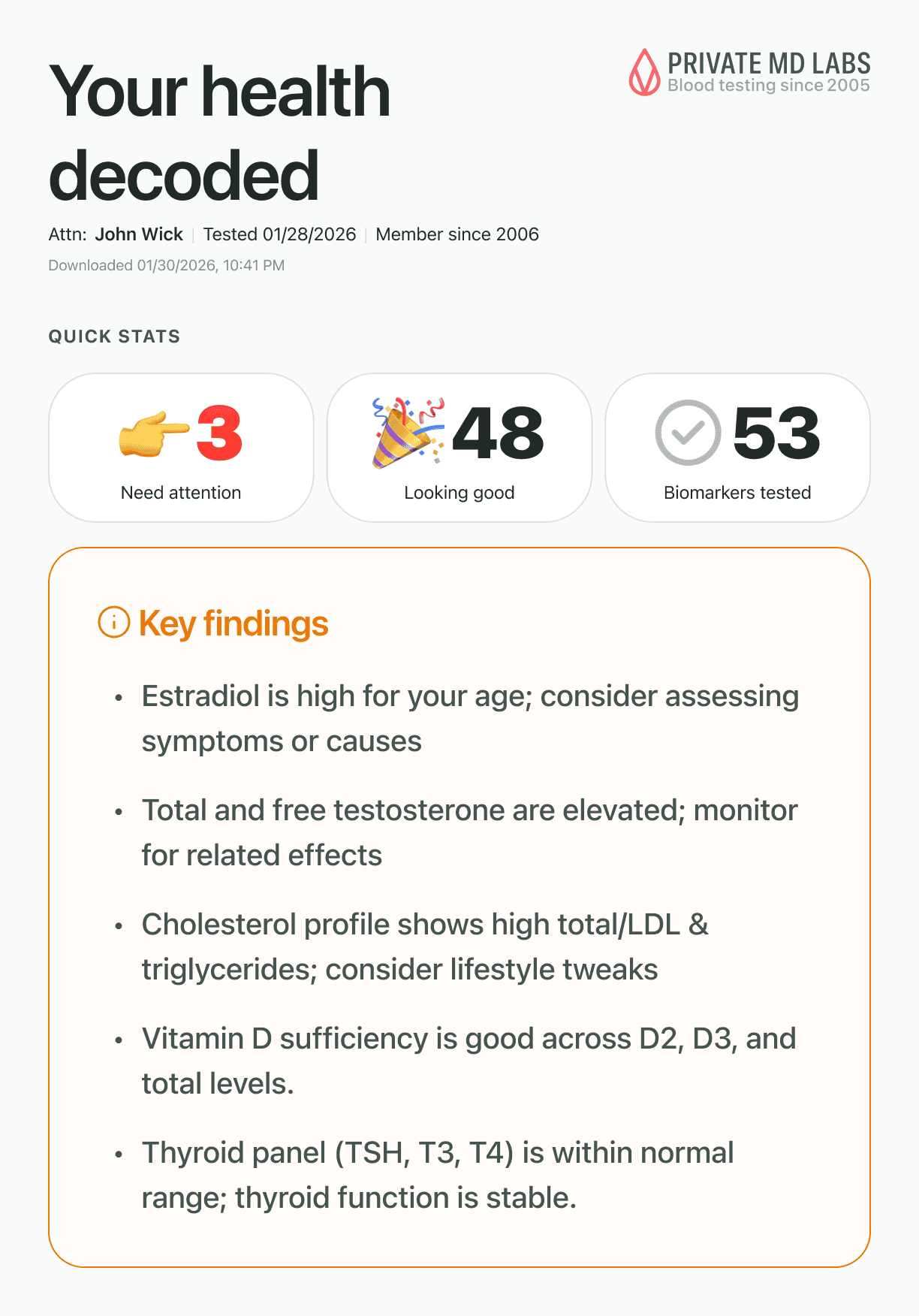
Get resultsReceive a clear, easy-to-digest health report by email & SMS within a few business days.Get answers, fast
Here’s why 1,000,000+ customers chose us for affordable hassle-free private blood testing.
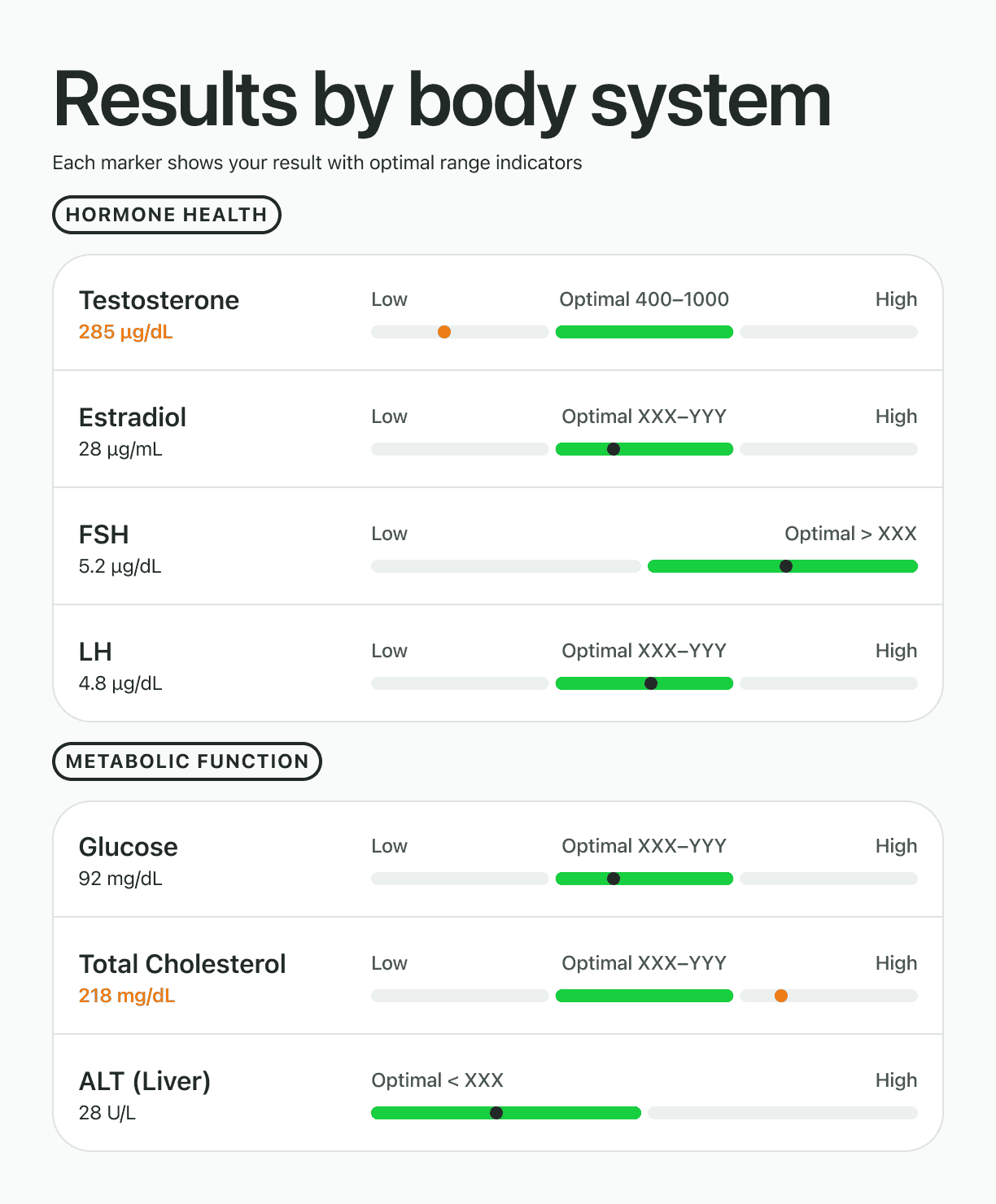
You get clinical lab reports & simplified health insights.
Save time & gas, go straight to the lab. Our doctors cover the rest.
Results start landing the next day after your lab visit.*
We don’t sell or share your data. Your time & privacy matter.
US-licensed doctors have your back if things get unclear.
No hidden fees, nice discounts for regular checkups.
Save a trip to the doctor, go directly to the lab
Get lab order in minutes, results come overnight*
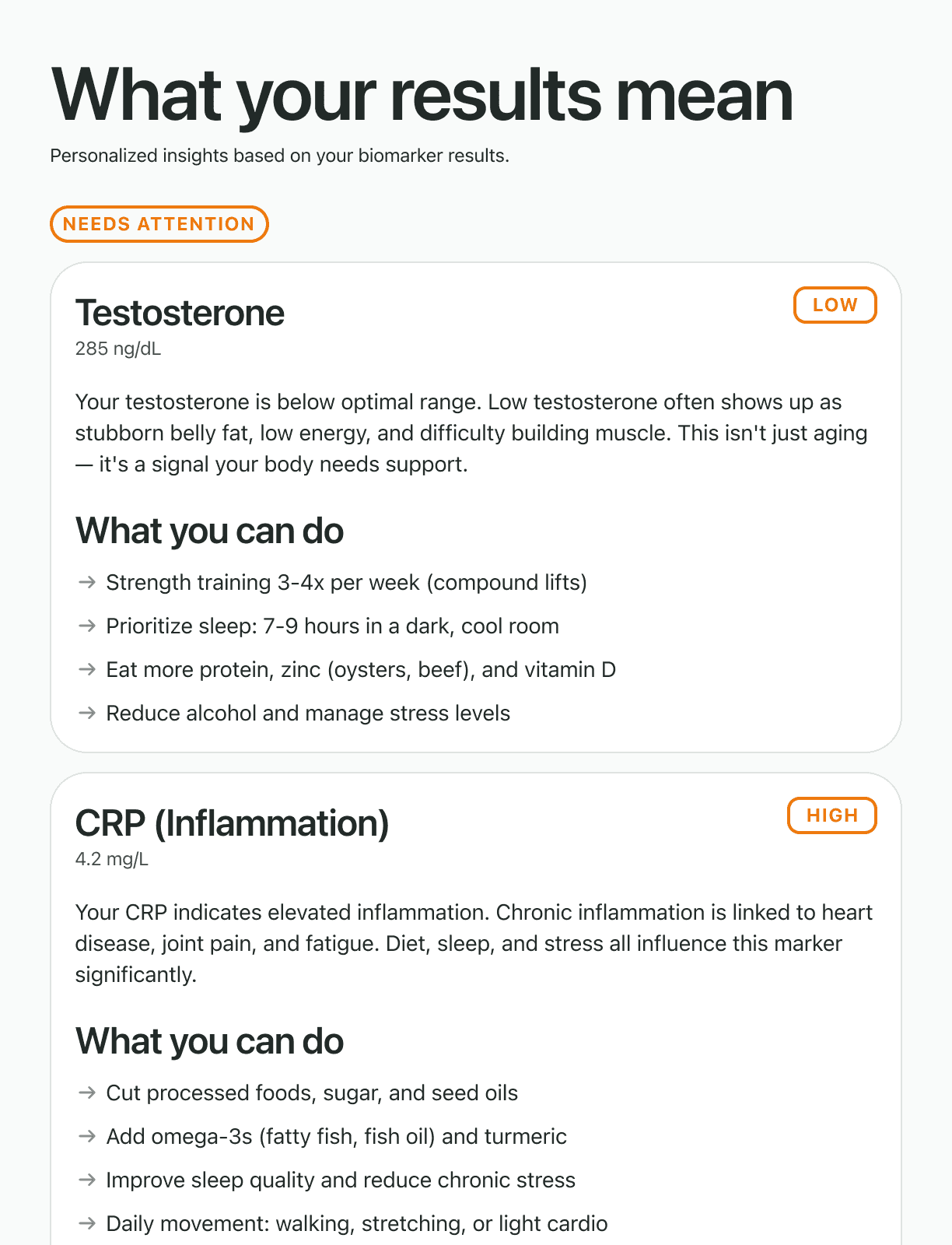
Results explained in simple language
Reviewed by US licensed doctors
Fast & confidential, we never sell or share your data
No insurance needed, transparent pricing
Demo results
Zinc62 µg/dL
Demo results
LowOptimal 70 - 120High
62 µg/dL
What this means
Your zinc level is slightly below the optimal range. While not severely deficient, this may contribute to decreased immune function, slower wound healing, occasional fatigue, or skin concerns like acne or dryness.
Recommended actions
Include more zinc-rich foods like oysters, red meat, poultry, pumpkin seeds, and beans in your diet
Consider a zinc supplement (15-30 mg daily) after consulting with your healthcare provider
Limit alcohol consumption and manage stress, as both can deplete zinc levels
Retest in 2-3 months after making dietary changes to monitor improvement
* Regular blood test results (e.g., CBC) typically start arriving the next business day after sample collection. More advanced tests may take longer due to complexity.
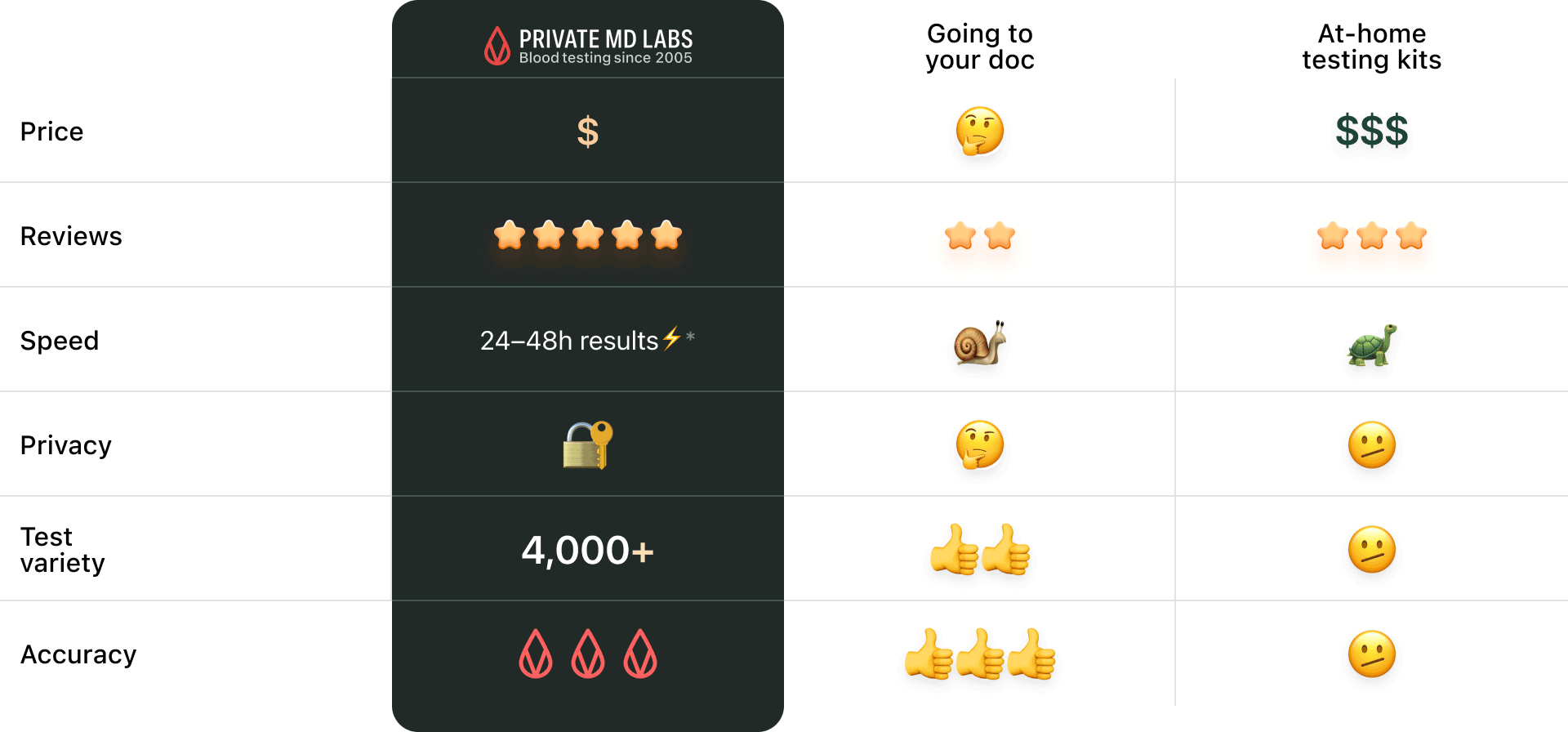
Us vs. Them
Not overhyped or overpriced. Just comprehensive blood testing made simple and for everyone.
* Regular blood test results (e.g., CBC) typically start arriving the next business day after sample collection. More complex tests, such as hormone panels, may take up to 10–15 business days due to their complexity.
1,000,000+ blood tests later, here's what our customers say
Estradiol Ultrasensitive results may get delayed due to high lab volume.It’s a nationwide delay affecting all labs (not just us). Standard processing times apply to all other tests in this panel.
Zinc extended turnaround
Zinc results may get delayed due to high lab volume.It’s a nationwide delay affecting all labs (not just us). Standard processing times apply to all other tests in this panel.
Pregnenolone extended turnaround
Pregnenolone results may get delayed due to high lab volume.It’s a nationwide delay affecting all labs (not just us). Standard processing times apply to all other tests in this panel.

 Login
Login


 90-day money-back guarantee
 Lab order in minutes
 Save a trip to the doctor
 Low prices since 2005
 Labs within 2 miles