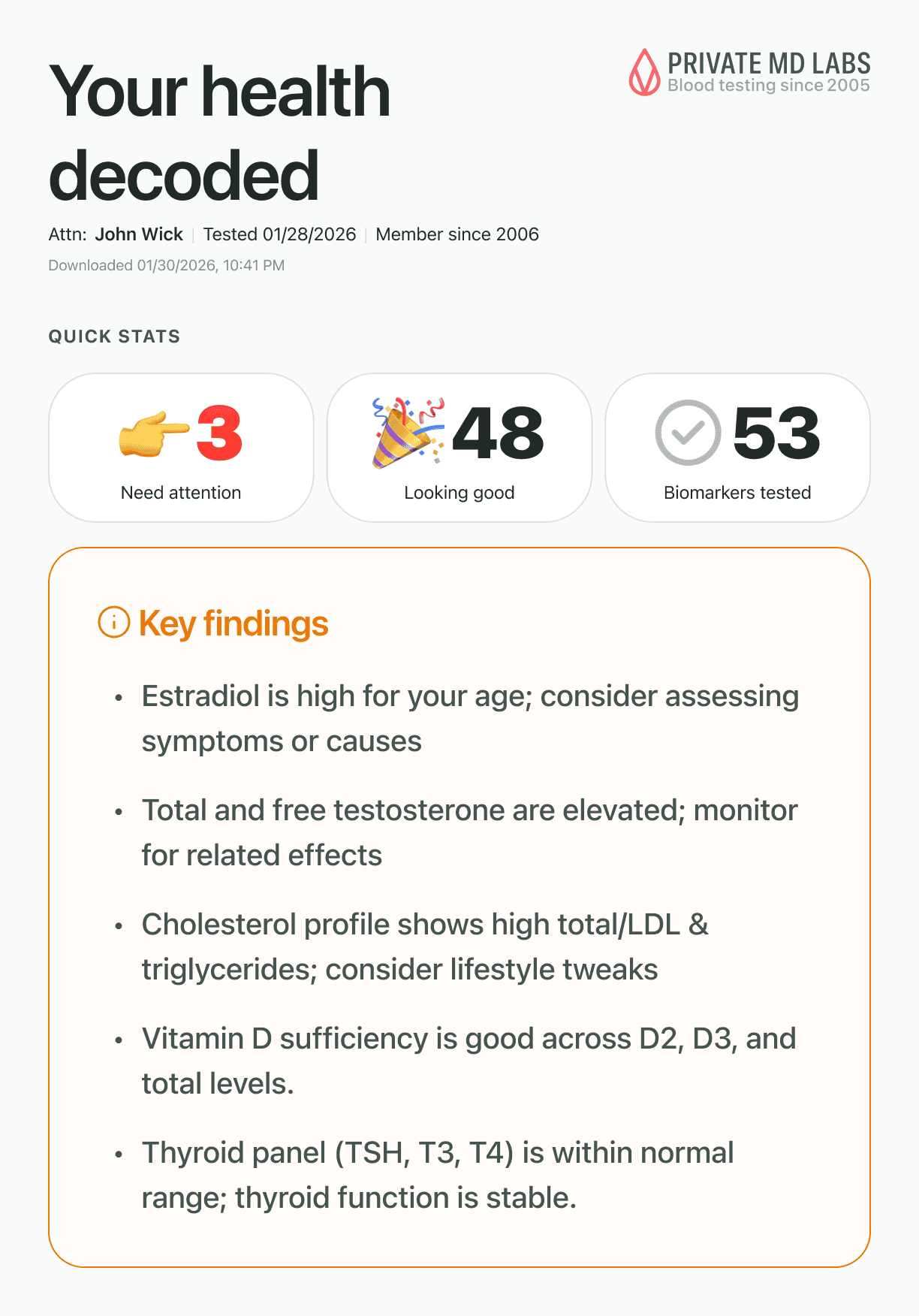
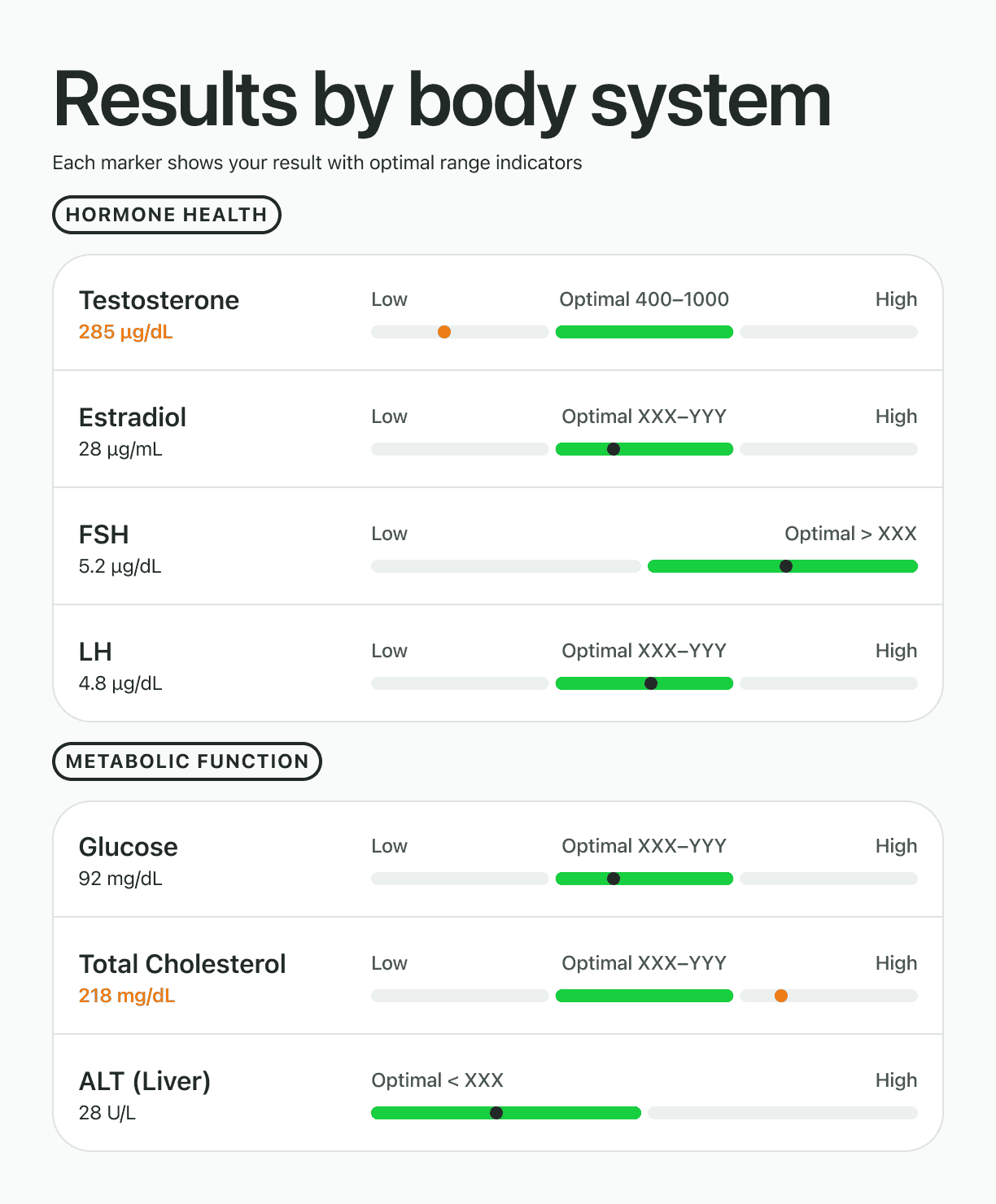
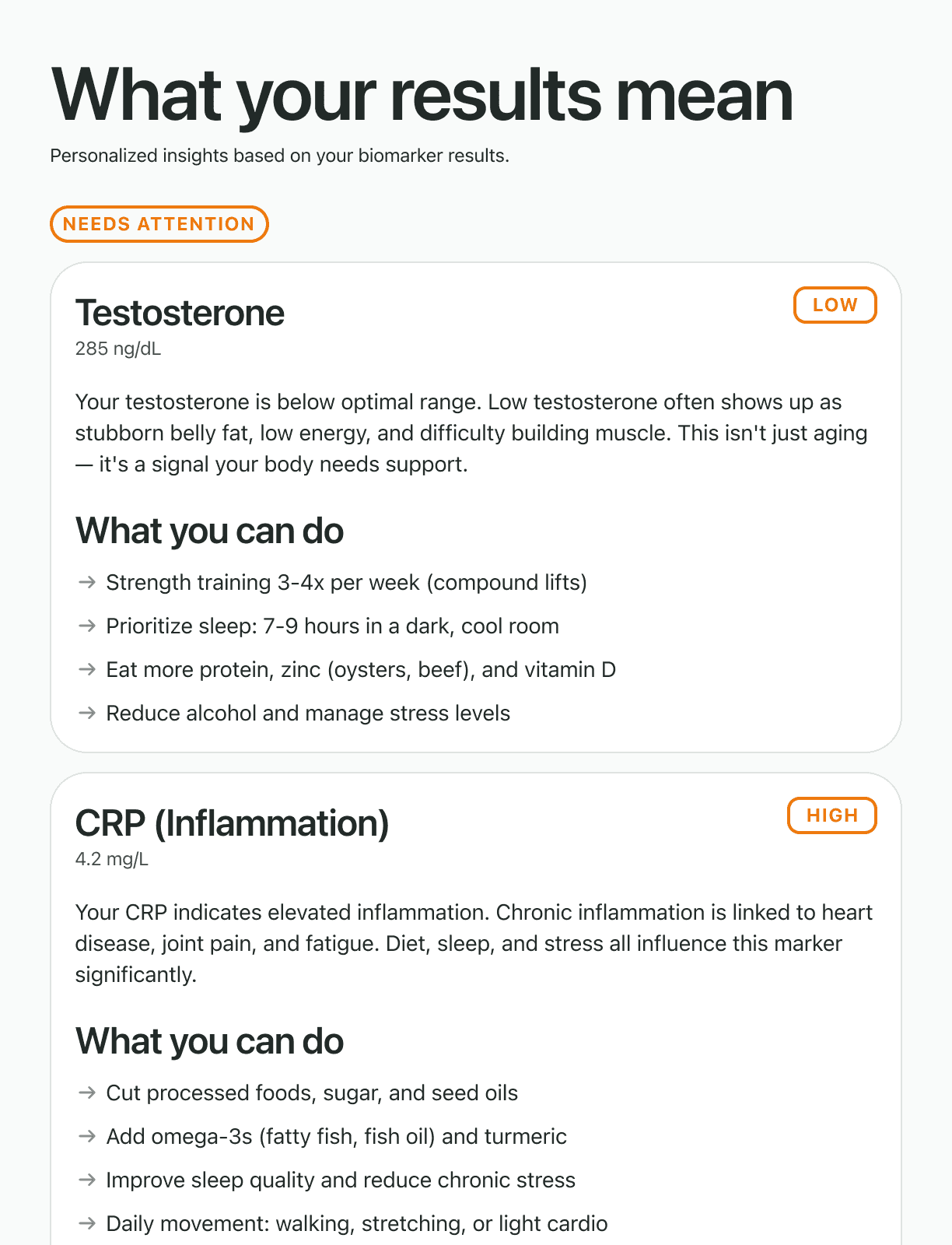
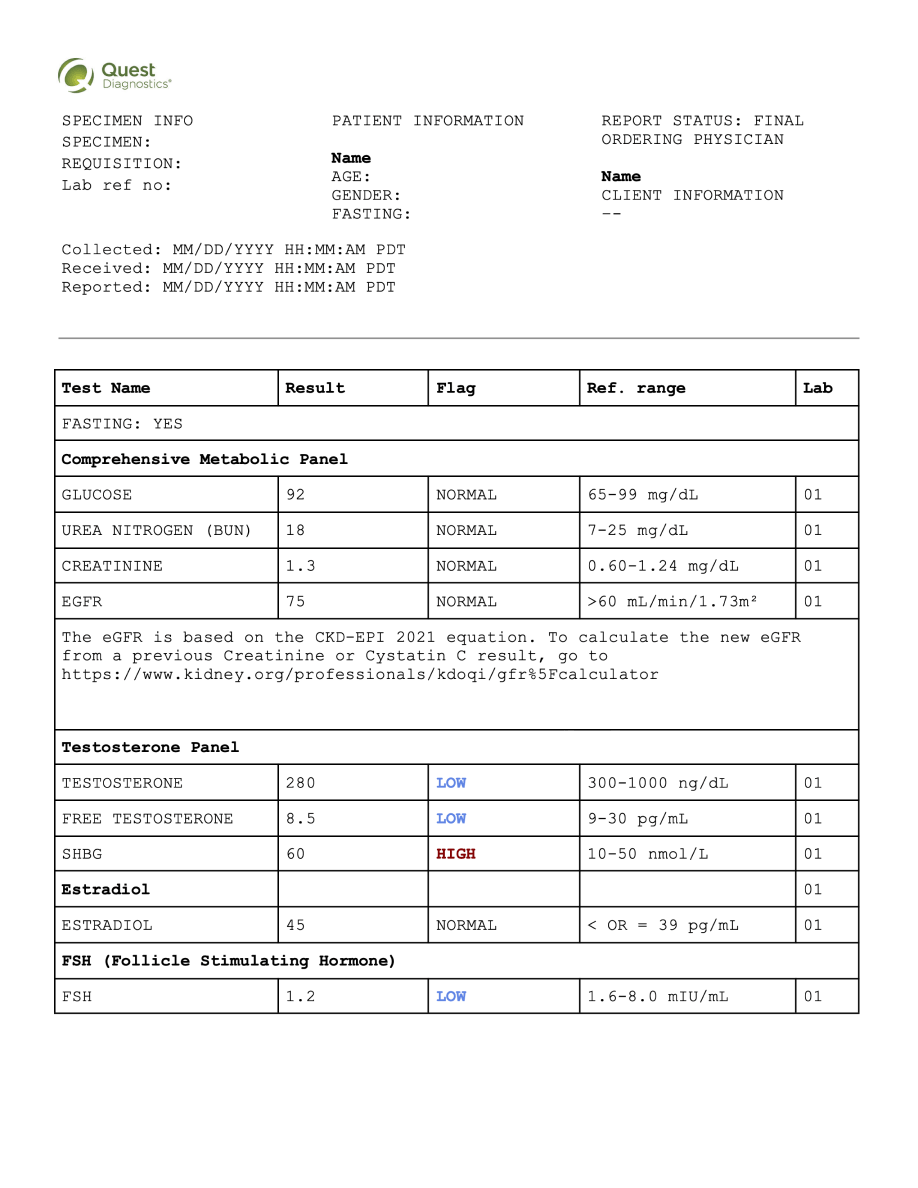
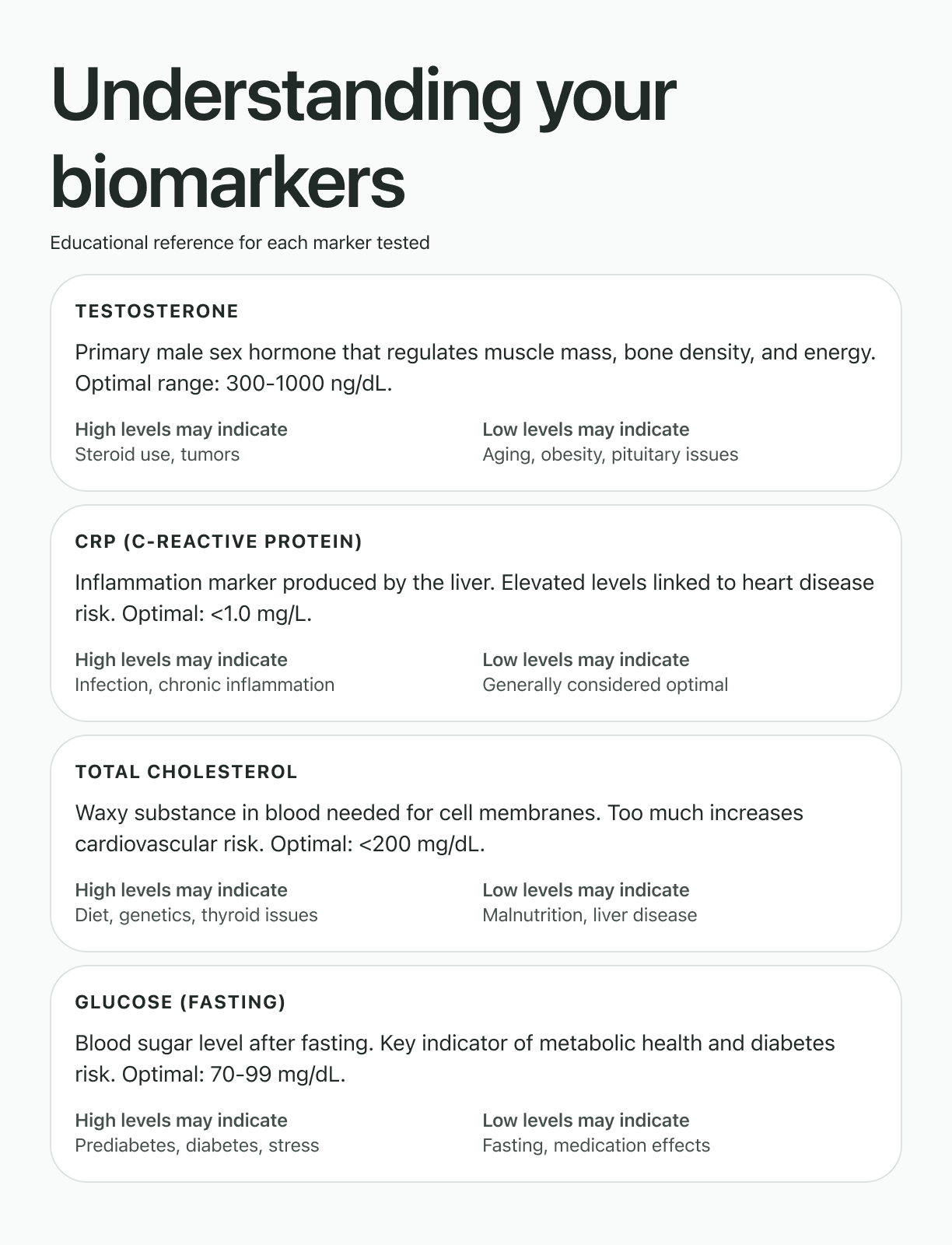
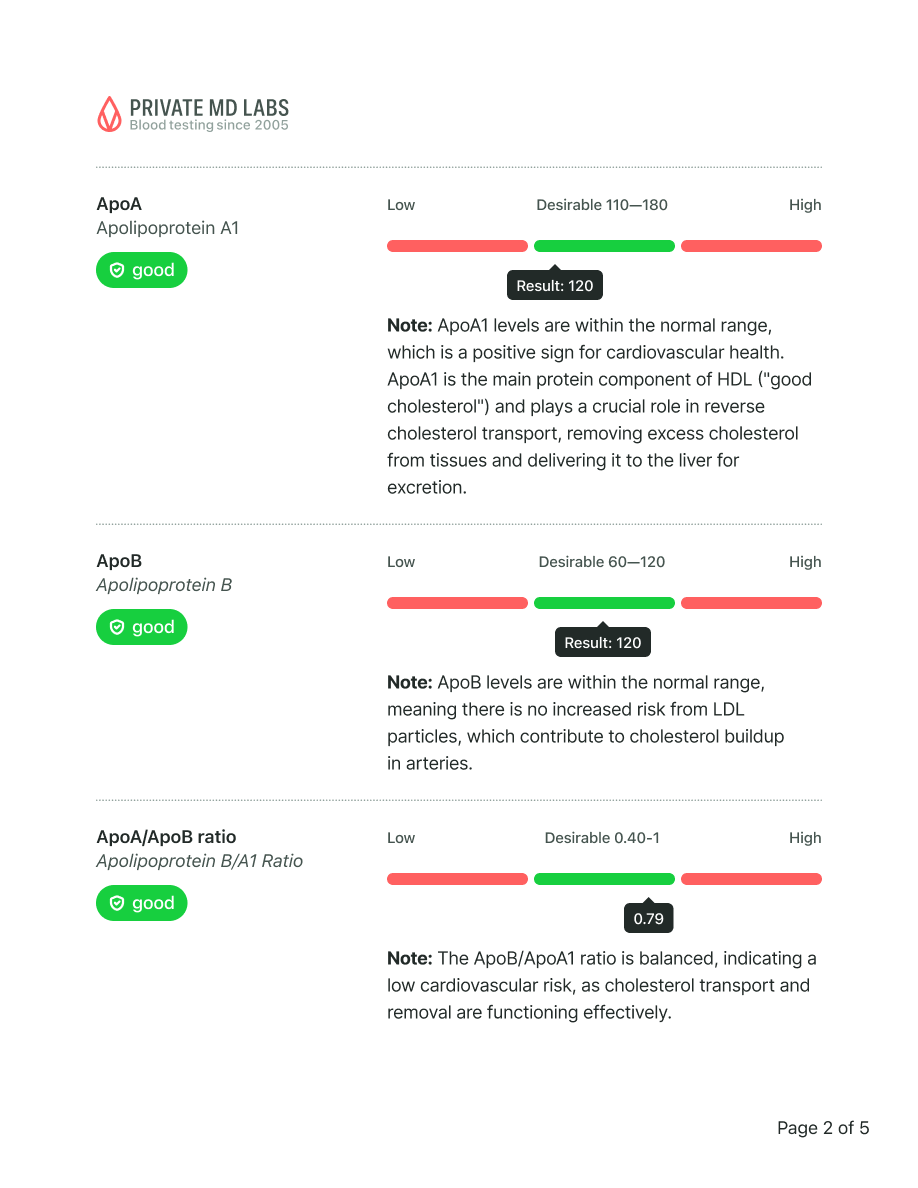
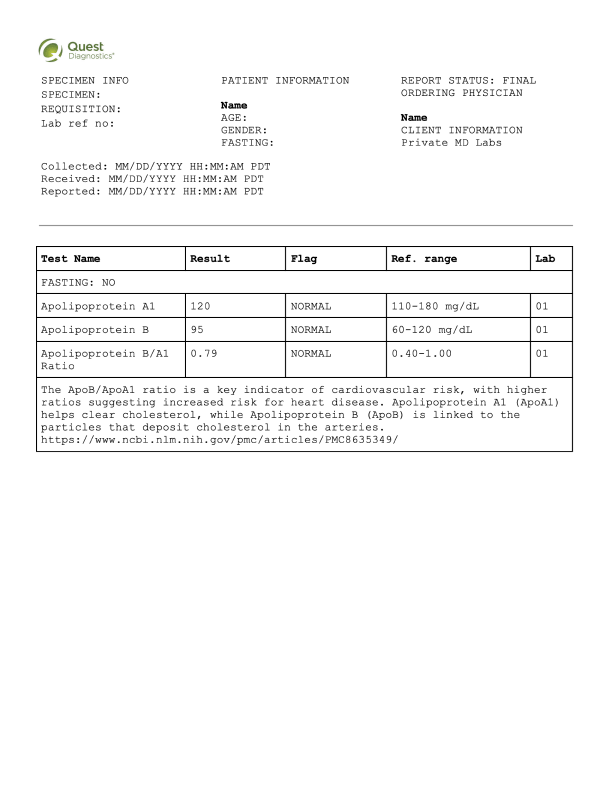
Sample results
Allergic fungal sinusitis is a chronic inflammatory condition of the sinuses caused by an allergic reaction to airborne fungi. It is caused by mold spores including Aspergillus, Alternaria, Curvularia, and other environmental fungi that trigger an excessive immune response in susceptible individuals. The Respiratory Allergy Profile for your region is the most important test for identifying specific fungal triggers causing your symptoms.
Allergic fungal sinusitis is caused by an allergic reaction to environmental mold spores including Aspergillus, Alternaria, Curvularia, Bipolaris, and other fungi commonly found in soil, decaying vegetation, and damp indoor environments. When you inhale these spores, your immune system overreacts, triggering chronic inflammation in the sinus cavities. This inflammatory response causes thick mucus buildup, nasal polyps, and tissue swelling that blocks normal sinus drainage, creating a cycle of persistent symptoms.
The Respiratory Allergy Profile for your geographic region is the most important test for allergic fungal sinusitis because it identifies the specific molds and fungi triggering your allergic response. This blood test measures IgE antibodies to common environmental molds like Aspergillus, Alternaria, and Cladosporium that are prevalent in your area. Knowing exactly which fungi you are allergic to helps your doctor create a targeted treatment plan including specific environmental avoidance strategies and antifungal therapies. While imaging studies and sinus tissue samples are needed for definitive diagnosis, allergy testing is essential for identifying your specific triggers and preventing symptom recurrence.
You should get tested if you have chronic sinus congestion lasting more than 12 weeks that does not respond to standard treatments, especially if you notice thick, discolored nasal discharge or decreased sense of smell. Testing is particularly important if you experience facial pain or pressure that worsens in damp environments or during certain seasons, or if you have a history of asthma or other allergies. Get tested promptly if you have recurrent sinus infections requiring multiple rounds of antibiotics, as this pattern often indicates an underlying fungal allergy rather than bacterial infections.
What this means
Your IgE antibody levels to cat dander are elevated, indicating you're sensitized to cat allergens. This sensitization may be causing symptoms like sneezing, runny nose, itchy eyes, or breathing difficulties when you're around cats or in environments where cats have been present.
Recommended actions
Minimize direct contact with cats and keep them out of bedrooms
Use HEPA air purifiers in main living areas to reduce airborne allergens
Wash hands after touching cats and avoid touching your face
Discuss immunotherapy options with an allergist if symptoms are severe
Not overhyped or overpriced. Just comprehensive blood testing made simple and for everyone.
Sample results
Your 24/7 Personal Lab Guide
Quick questions: