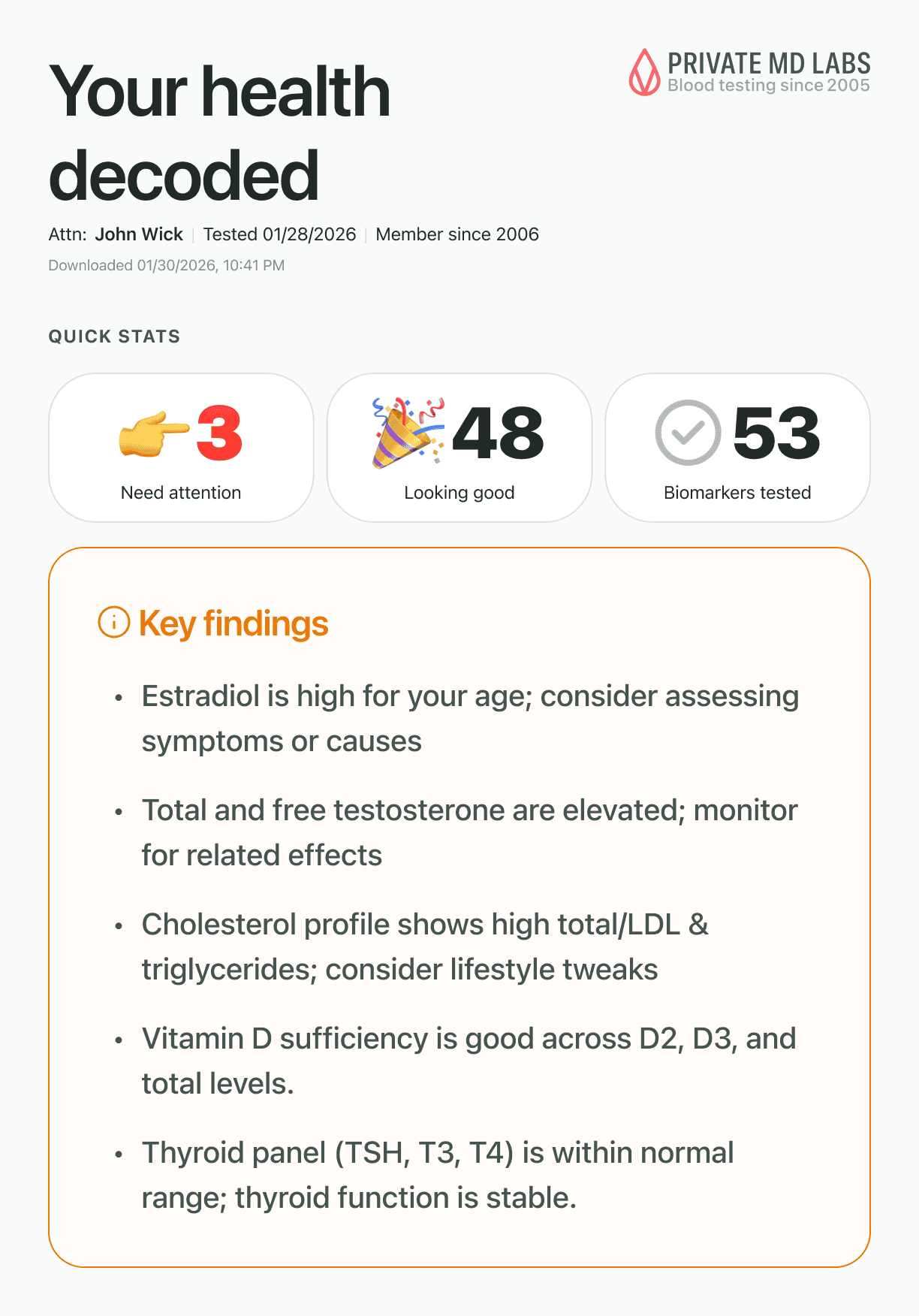
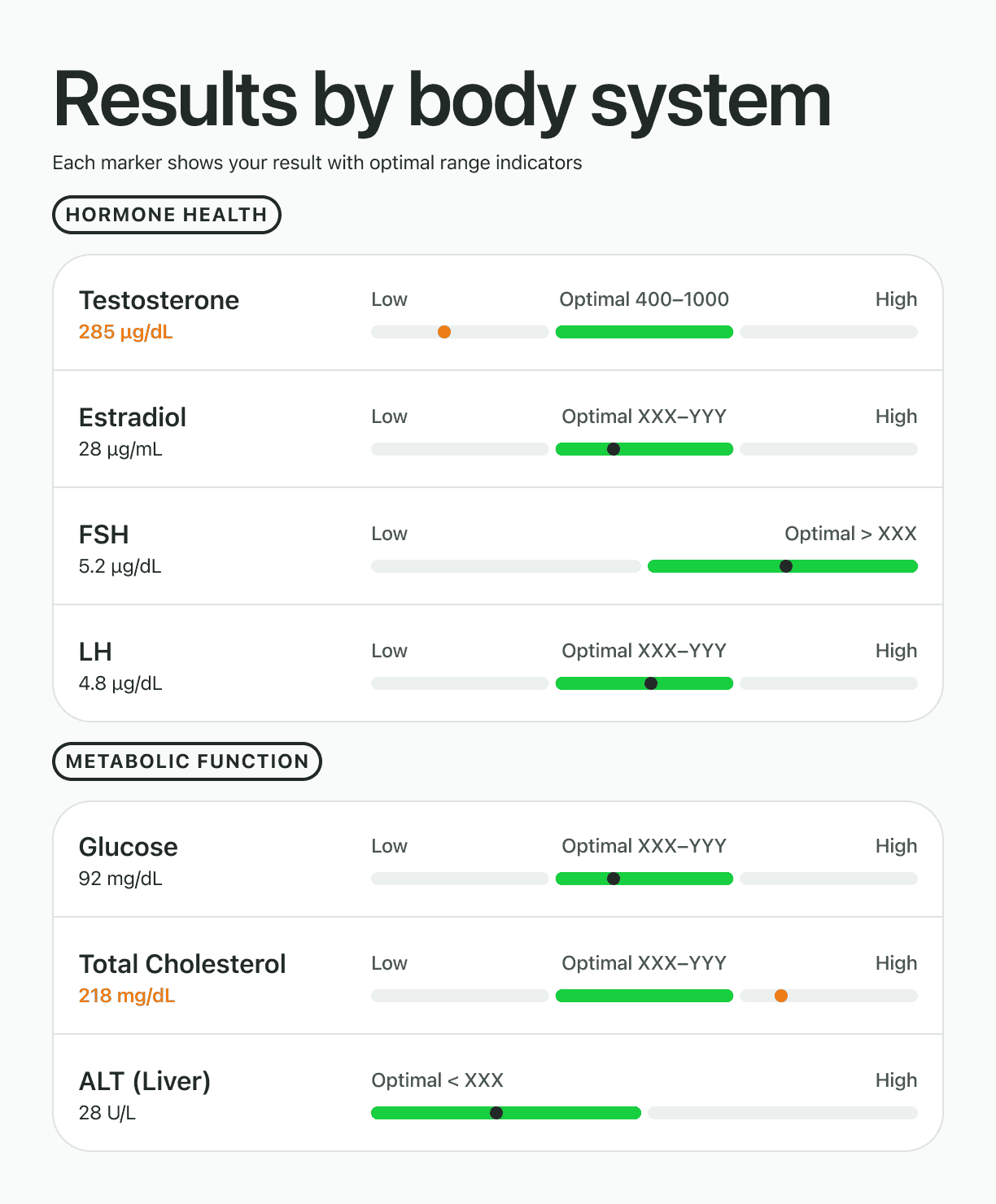
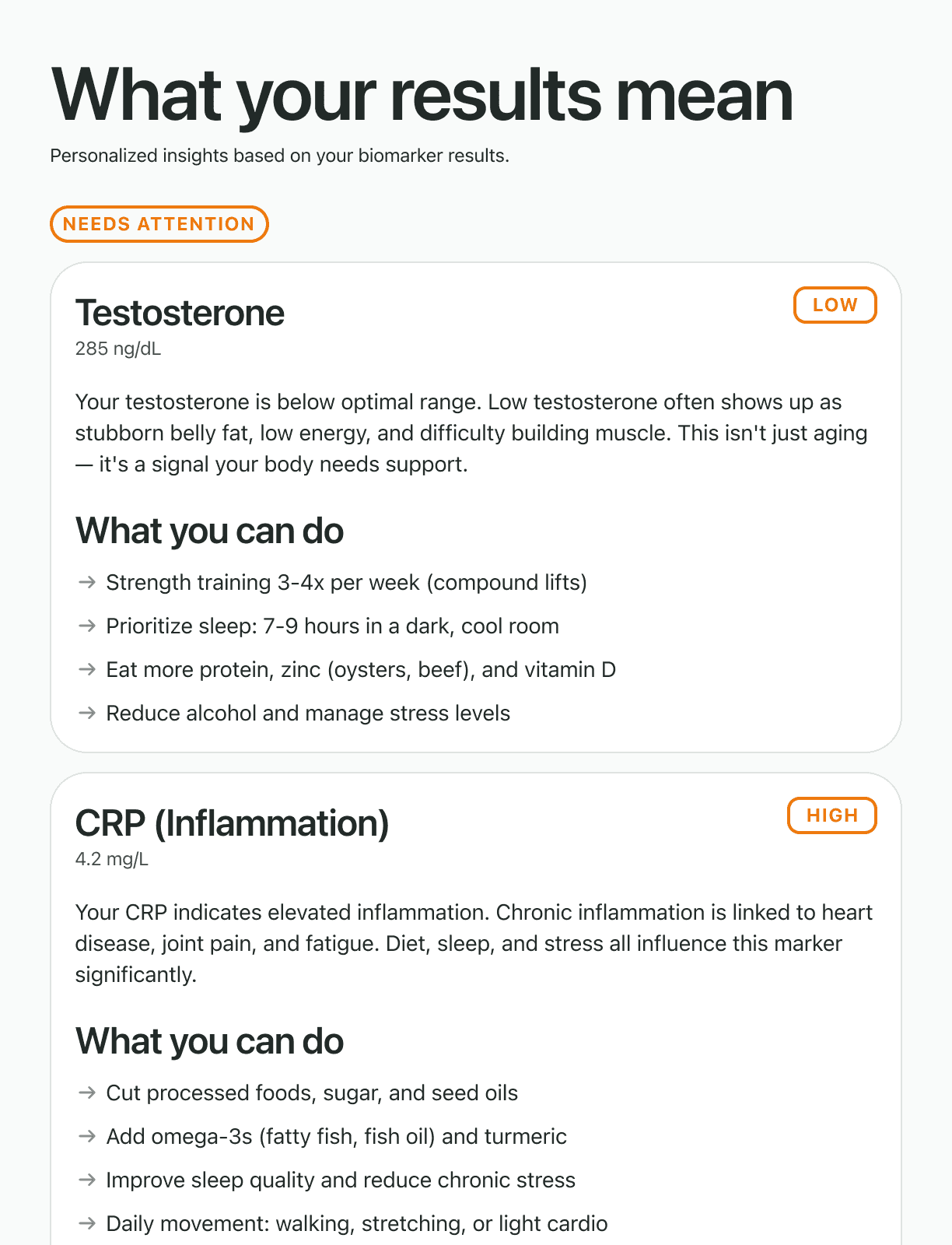
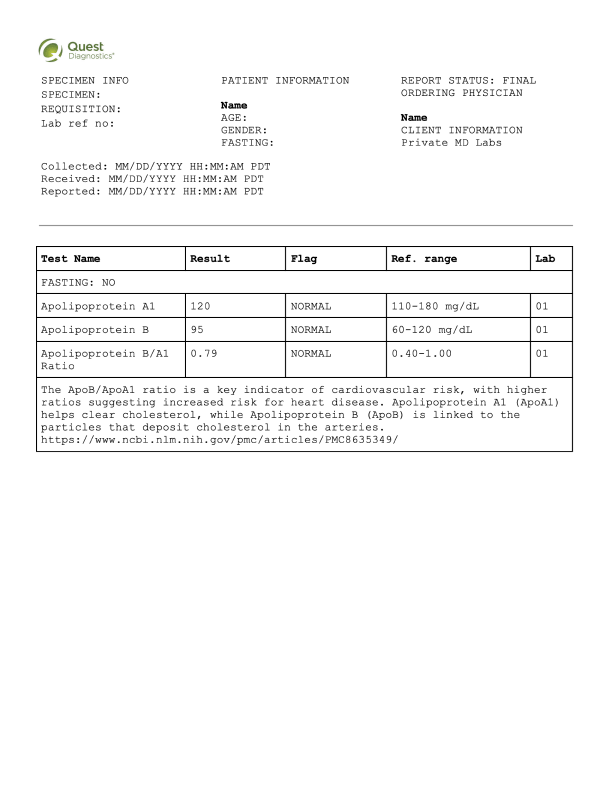
Sample results
Adrenal tumors are growths that develop in the adrenal glands located on top of the kidneys. They are caused by abnormal cell growth that can lead to overproduction of hormones including cortisol, aldosterone, and estrone. The Estrone LC/MS/MS blood test is the most important test for detecting hormone imbalances caused by adrenal tumors.
Adrenal tumors are caused by abnormal cell growth in the adrenal glands, which sit on top of your kidneys. Most adrenal tumors develop spontaneously without a clear cause, though some may be linked to genetic conditions like Multiple Endocrine Neoplasia or Li-Fraumeni syndrome. The tumors can be either functioning (hormone-producing) or non-functioning, with functioning tumors causing overproduction of hormones like cortisol, aldosterone, estrone, or adrenaline that disrupt your body's normal balance.
The Estrone LC/MS/MS test is the most important blood test for adrenal tumors because it precisely measures estrone hormone levels that adrenal tumors often overproduce. This advanced test uses liquid chromatography-tandem mass spectrometry for accurate detection of hormone imbalances. While imaging studies like CT or MRI scans are needed to visualize the actual tumor, blood hormone testing is essential for determining if the tumor is functionally active and how it affects your body. Monitoring estrone levels also helps doctors track treatment effectiveness and tumor activity over time.
You should get tested if you experience unexplained weight gain, persistent high blood pressure that is difficult to control, sudden changes in blood sugar levels, or unusual fatigue and weakness. Other warning signs include rapid heartbeat, excessive sweating, anxiety attacks, or developing purple stretch marks on your abdomen. If an adrenal mass is discovered on imaging done for another reason, hormone testing is essential to determine if the tumor is producing excess hormones that require treatment.
What this means
Your estrone levels are elevated above the optimal range for postmenopausal women. This can occur with increased body weight or peripheral hormone conversion and may contribute to symptoms like irregular bleeding, mood changes, or breast tenderness. Elevated estrone relative to other estrogens is common during the menopausal transition.
Recommended actions
Focus on maintaining a healthy weight through balanced nutrition and regular physical activity
Include cruciferous vegetables like broccoli, cauliflower, and kale to support estrogen metabolism
Reduce alcohol consumption and increase fiber intake to help balance hormone levels
Consider retesting in 3-6 months after implementing lifestyle changes
Not overhyped or overpriced. Just comprehensive blood testing made simple and for everyone.
Sample results
Your 24/7 Personal Lab Guide
Quick questions: