Acute fluoride toxicity is a medical emergency that occurs when a person ingests a large amount of fluoride in a short period of time. It is caused by excessive exposure to fluoride-containing products such as dental treatments, pesticides, or industrial chemicals. The Fluoride Serum/Plasma test is the most important test for diagnosis because it directly measures fluoride concentration in the blood to confirm poisoning.
90-day money-back guaranteeLab order in minutesSave a trip to the doctorLow prices since 2005Labs within 2 miles
What causes acute fluoride toxicity?
Acute fluoride toxicity is caused by ingesting a large amount of fluoride in a short time period, typically from accidental or intentional consumption of fluoride-containing products. Common sources include concentrated dental products like fluoride varnishes or gels, fluoride supplements taken in excessive doses, certain pesticides and rodenticides, and industrial chemicals used in manufacturing. Children are particularly vulnerable to fluoride poisoning from swallowing fluoride toothpaste or mouth rinses, while adults may experience toxicity from workplace exposure to hydrofluoric acid or other industrial fluoride compounds.
What is the best test for acute fluoride toxicity?
The Fluoride Serum/Plasma test is the most important test for acute fluoride toxicity because it directly measures the concentration of fluoride circulating in your bloodstream. This test provides definitive evidence of fluoride poisoning and helps doctors determine how severe the exposure is, which guides emergency treatment decisions. Elevated serum fluoride levels above 5-10 micrograms per deciliter confirm toxic exposure, while extremely high levels indicate life-threatening poisoning requiring immediate intervention. Unlike symptom assessment alone, this blood test distinguishes fluoride toxicity from other conditions with similar symptoms like food poisoning or gastroenteritis.
When should I get tested for acute fluoride toxicity?
You should get tested immediately if you or someone else has ingested a large amount of fluoride-containing products and experiences symptoms like severe nausea, vomiting, diarrhea, or abdominal pain. Testing is critical if a child has swallowed dental fluoride products or fluoride supplements, if there has been workplace exposure to hydrofluoric acid or industrial fluoride chemicals, or if accidental ingestion of pesticides or rodenticides containing fluoride has occurred. Seek emergency medical care first, as fluoride poisoning requires immediate treatment, and blood testing will be performed as part of the emergency evaluation to confirm the diagnosis and guide treatment.
What are the symptoms of acute fluoride toxicity?
Acute fluoride toxicity causes gastrointestinal symptoms including severe nausea, vomiting, diarrhea, and intense abdominal pain that typically appear within 30 minutes to 2 hours after ingestion. You might notice excessive salivation, a salty or soapy taste in your mouth, and muscle weakness or tremors. In severe cases, symptoms progress to confusion, seizures, irregular heartbeat, difficulty breathing, and potentially cardiac arrest. The severity of symptoms depends on the amount of fluoride ingested, with doses above 5-10 mg per kilogram of body weight causing serious toxicity and doses above 32-64 mg per kilogram being potentially fatal without immediate treatment.
Who is at risk for acute fluoride toxicity?
Young children are at highest risk because they may accidentally swallow large amounts of fluoride toothpaste, mouth rinses, or fluoride supplements that taste appealing. Workers in industries using hydrofluoric acid or fluoride compounds, such as metal manufacturing, glass etching, and semiconductor production, face occupational exposure risks. People living in areas with extremely high natural fluoride levels in water, individuals who intentionally ingest fluoride products in suicide attempts, and patients receiving high-dose fluoride treatments for dental procedures are also at increased risk. Additionally, anyone with impaired kidney function has reduced ability to eliminate fluoride from the body, making them more vulnerable to toxicity even at lower exposure levels.
What happens if acute fluoride toxicity is left untreated?
Untreated acute fluoride toxicity can rapidly progress from gastrointestinal symptoms to life-threatening complications including severe electrolyte imbalances, particularly low calcium and magnesium levels that affect heart and nerve function. The fluoride binds to calcium in your blood, causing hypocalcemia that can trigger dangerous heart rhythm abnormalities, seizures, and respiratory failure. Cardiac arrest is the most common cause of death in severe fluoride poisoning cases, typically occurring within 2-4 hours of ingestion. Even if immediate death is avoided, untreated toxicity can cause lasting damage to the kidneys, liver, and nervous system, along with permanent dental fluorosis and skeletal problems from chronic exposure.
Can acute fluoride toxicity be diagnosed with a blood test?
Yes, acute fluoride toxicity is definitively diagnosed with a blood test that measures serum or plasma fluoride levels. The Fluoride Serum/Plasma test provides objective evidence of toxic exposure, with normal levels typically below 5 micrograms per deciliter and toxic levels ranging from 5-10 micrograms per deciliter or higher depending on severity. This blood test is essential because the symptoms of fluoride poisoning can mimic many other conditions like food poisoning, gastroenteritis, or other toxic ingestions. The test results help emergency physicians confirm the diagnosis quickly and determine the appropriate treatment intensity, including whether aggressive interventions like hemodialysis are needed to remove fluoride from the bloodstream.
How is acute fluoride toxicity treated?
Acute fluoride toxicity requires immediate emergency treatment starting with supportive care to stabilize vital signs and prevent complications. Doctors administer calcium gluconate intravenously to bind the fluoride and correct the dangerous drop in blood calcium levels that causes heart and neurological problems. Gastric lavage or activated charcoal may be used if the patient presents soon after ingestion to remove remaining fluoride from the stomach. Intravenous fluids help maintain kidney function and promote fluoride elimination through urine, while severe cases may require hemodialysis to rapidly remove fluoride from the bloodstream. Patients are closely monitored for cardiac arrhythmias, electrolyte imbalances, and respiratory distress, with treatment continuing until fluoride levels drop to safe ranges and symptoms resolve.
How can I prevent acute fluoride toxicity?
Prevent acute fluoride toxicity by storing all fluoride-containing products like toothpaste, mouth rinses, and fluoride supplements in child-proof containers out of reach of children. Use only a pea-sized amount of fluoride toothpaste for children under 6 years old and supervise them while brushing to ensure they spit it out rather than swallow it. Workers handling hydrofluoric acid or fluoride chemicals should wear proper protective equipment including gloves, goggles, and respirators, and follow workplace safety protocols. Avoid using fluoride supplements without medical supervision, be aware of your local water fluoride levels, and never store fluoride products in unmarked containers where they could be mistaken for food or beverages.
What can I do at home for acute fluoride toxicity?
Do not attempt to treat acute fluoride toxicity at home as this is a medical emergency requiring immediate professional care. If fluoride poisoning is suspected, call 911 or poison control immediately at 1-800-222-1222 before taking any action. While waiting for emergency help, you can give the person milk or calcium-containing antacids if they are conscious and able to swallow, as calcium helps bind fluoride and reduce absorption. Do not induce vomiting unless specifically instructed by poison control, as this can cause additional complications. Keep the fluoride product container to show medical personnel so they know exactly what was ingested and can provide the most appropriate treatment.
FAQ
How’s this work?
Getting your blood test with us is easy, private & backed by the power of science.
Long story short:
In the test options, use the filters or search box to narrow your choices and find the test you want.
If you need a hand navigating through options, text our super friendly support team at 754-799-7833, and we'll provide tailored suggestions to help you find the ideal test.
Once your order is placed, we’ll create your doctor’s lab order remotely, without any need for you to make a trip to a doctor in person or to talk to the doctor. Expect to receive your doctor’s lab order right in your inbox. It will also be in your patient portal if you need to find it later. We’ll also include instructions regarding fasting and other requirements for your test. Your patient portal will be auto-created hassle-free during checkout.
If this is your first time ordering, you'll be prompted to create a password for instant login access to your patient portal. It's a quick way to conveniently access your orders and results whenever you want.
When you’re ready, visit one of our 4,000 locations. Just bring your ID – no printing or faxing of your lab order is needed, as your order and details will already be in the lab system.
Note that most lab locations don’t accept walk-ins, so it’s best to book an appointment in advance. Don’t worry – we’ll provide detailed instructions along the way.
You’ll get your results via email & SMS and dive into understanding your body better. Yup, that easy!
If you have any questions, please text us at 754-799-7833 or email [email protected] and we'll gladly help you.
How do I know which test to get?
In the test options, find the test you want.
If you’re not sure which test to get, we can lend a hand in finding the right option.
Just text or call us at 754-799-7833, email us at [email protected], and we'll gladly help you. We've got your back and reply quickly.
Is it possible to make changes to my lab order if I made a mistake with the name, date of birth, or any other details?
Absolutely! We totally understand that errors can happen. No worries, we're here to help you.
Just reach out to us via text at 754-799-7833 or shoot us an email at
[email protected]. Remember to include your order number and let us know the correct information you’d like to update.
Our awesome team will jump right in and make sure everything is sorted out and accurate for you.
There are no changes necessary if your address is wrong on the requisition though. We don’t mail anything out.
Our lab requires an address to be listed to generate an order.
Do you accept health insurance?
Only HSA & FSA is accepted.
Our services are strictly self-pay and cannot be submitted to your health insurance provider except for Health Savings Accounts or Flexible Savings Accounts.
This policy applies to all insurance companies, including federal health insurance programs like Medicare.
You can read more about our cancellation policy here.
How can I find a lab location near me?
During the ordering process, you’ll be able to select a specific lab near you, with no strings attached!
You can switch it up later easily and visit any of our authorized locations as long as it’s the same lab company you selected your test for (Quest Diagnostics or Labcorp).
Before you proceed with your order, feel free to browse through all our lab locations here. This will give you the peace of mind of knowing that there's a lab nearby your home, office or your favorite gym.
Here’s how easy it is to get blood work done on your terms
Order your testSave a trip to the doctor. Your results will come with clear, friendly explanations.Takes 2 minutes
Book an appointmentVisit any of our 4,000 nearby lab locations to have your samples collected.Book or walk-in
Get resultsReceive a clear, easy-to-digest health report by email & SMS within a few business days.Get answers, fast
Here’s why 1,000,000+ customers chose us for affordable hassle-free private blood testing.
You get clinical lab reports & simplified health insights.
Save time & gas, go straight to the lab. Our doctors cover the rest.
Results start landing the next day after your lab visit.*
We don’t sell or share your data. Your time & privacy matter.
US-licensed doctors have your back if things get unclear.
No hidden fees, nice discounts for regular checkups.
Save a trip to the doctor, go directly to the lab
Get lab order in minutes, results come overnight*
Results explained in simple language
Reviewed by US licensed doctors
Fast & confidential, we never sell or share your data
No insurance needed, transparent pricing
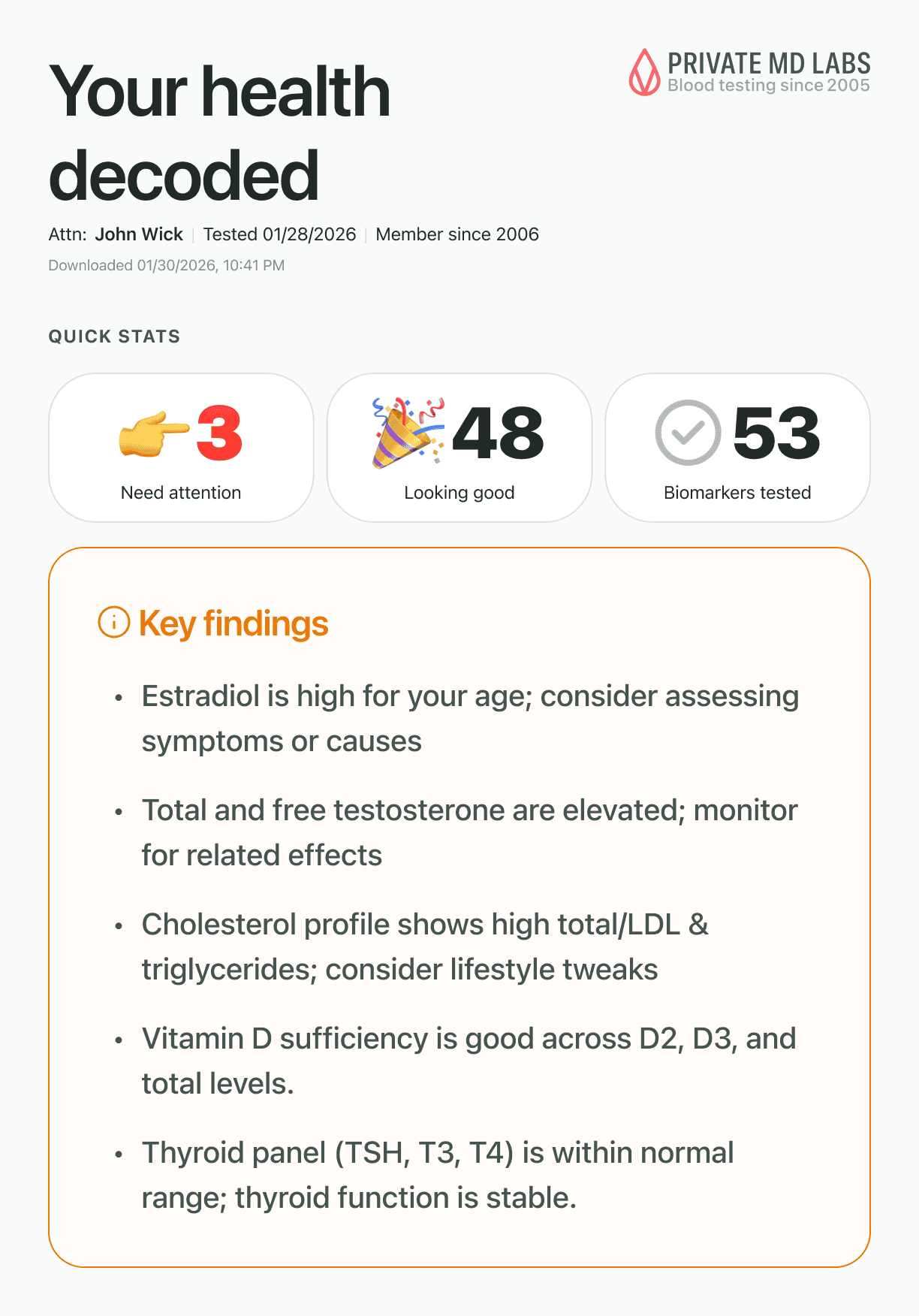
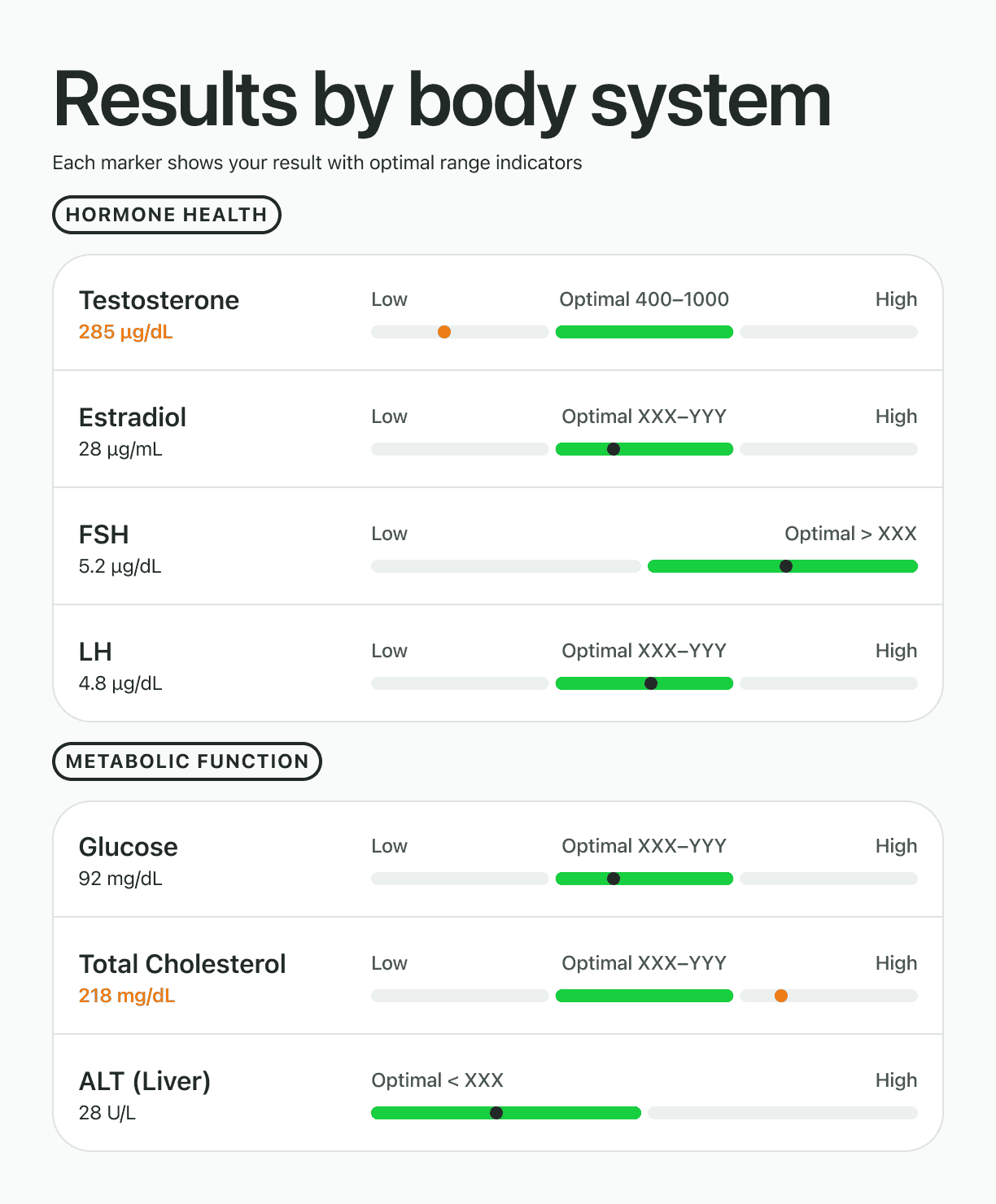
Demo results
Fluoride, Serum/Plasma0.18 mg/L
Demo results
LowOptimal 0.01 - 0.10High
0.18 mg/L
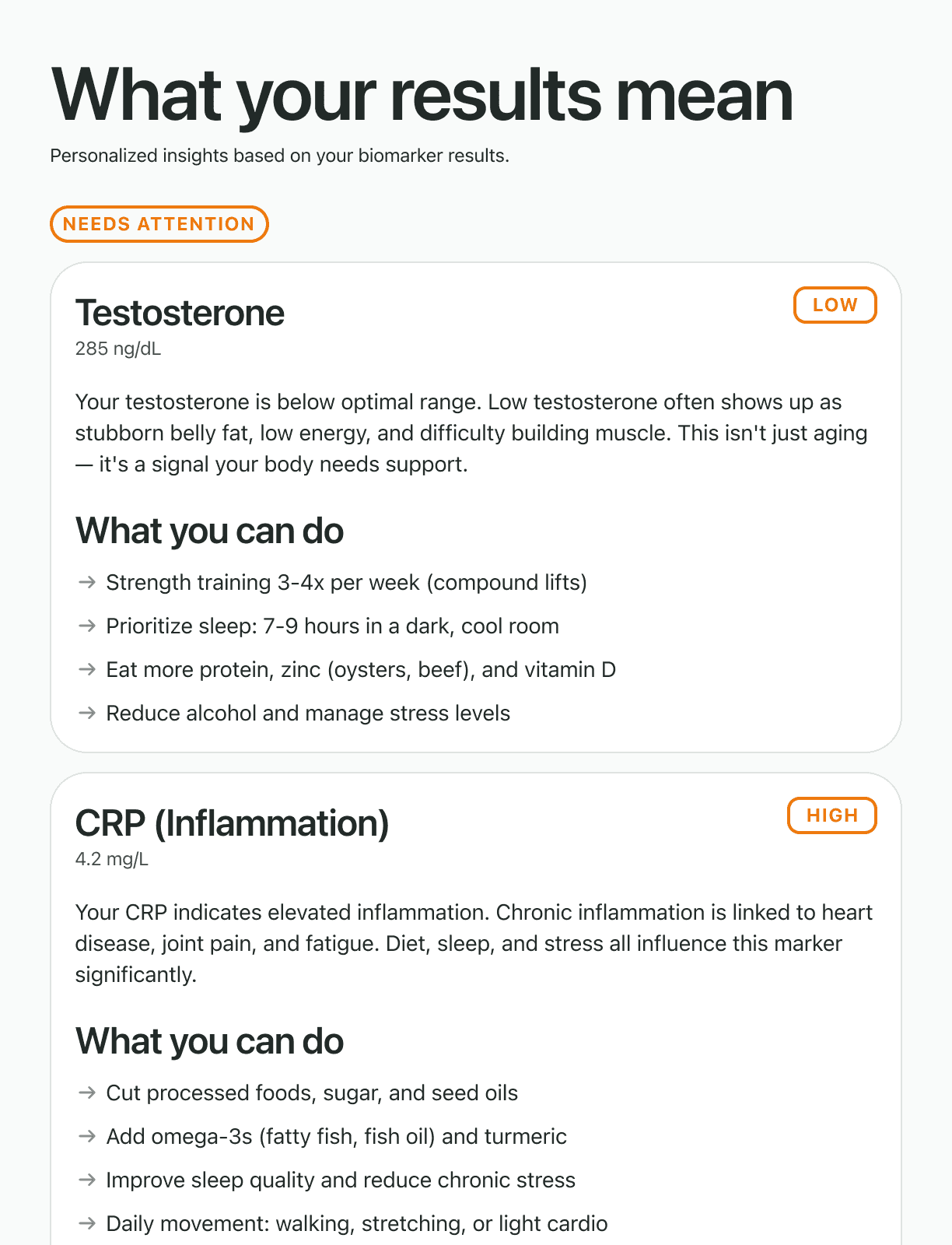
What this means
Your fluoride level is elevated above the optimal range, which may indicate overexposure from drinking water, dental products, or other environmental sources. While not immediately dangerous, sustained high levels can lead to dental fluorosis, bone problems, and other health issues over time.
Recommended actions
Test your drinking water for fluoride content and consider using a reverse osmosis filter if levels are high
Switch to fluoride-free toothpaste or reduce the amount of fluoride toothpaste you use
Limit consumption of black tea and processed foods that may contain added fluoride
Retest in 3-6 months after making changes to your fluoride exposure sources
* Regular blood test results (e.g., CBC) typically start arriving the next business day after sample collection. More advanced tests may take longer due to complexity.
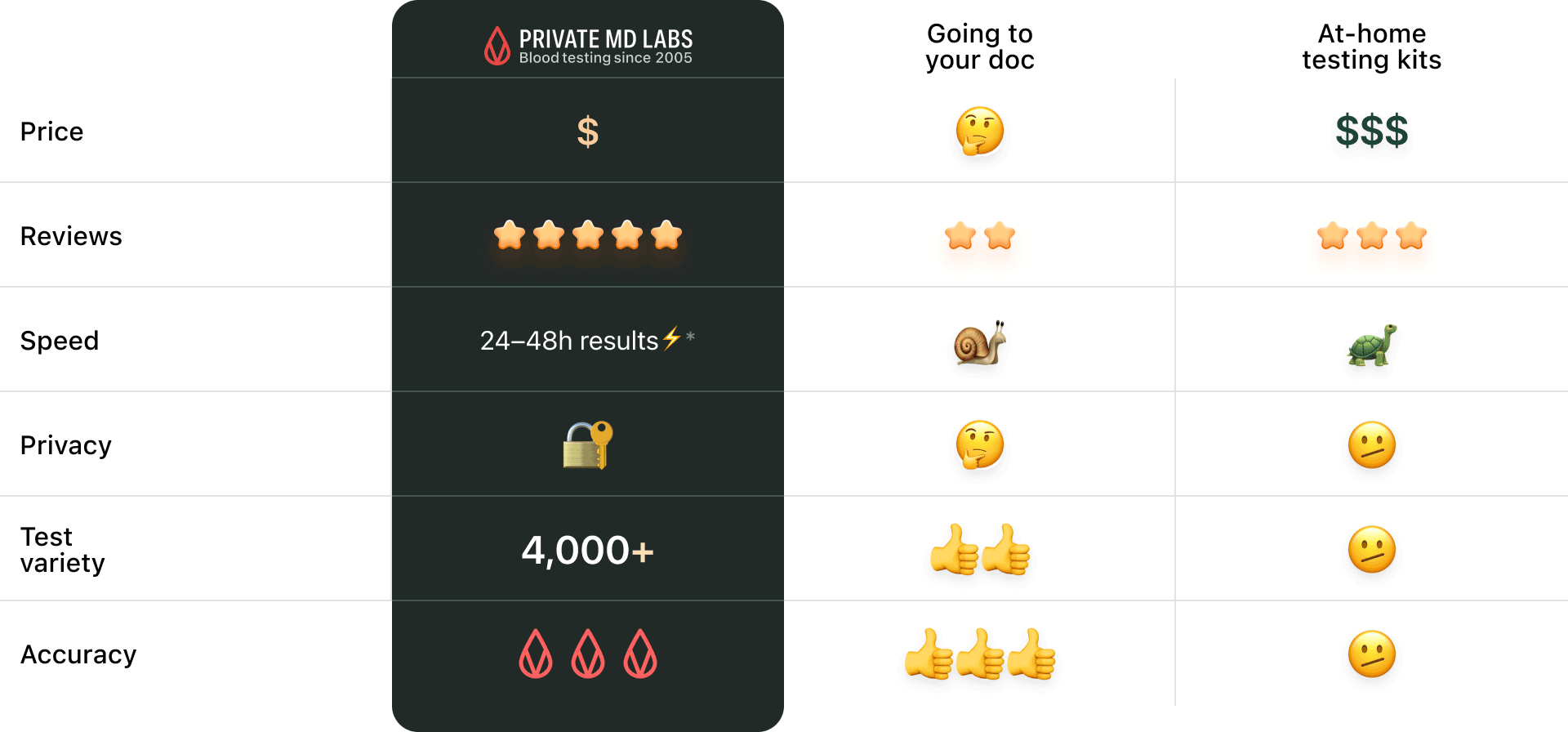
Us vs. Them
Not overhyped or overpriced. Just comprehensive blood testing made simple and for everyone.
* Regular blood test results (e.g., CBC) typically start arriving the next business day after sample collection. More complex tests, such as hormone panels, may take up to 10–15 business days due to their complexity.
1,000,000+ blood tests later, here's what our customers say
Estradiol Ultrasensitive results may get delayed due to high lab volume.It’s a nationwide delay affecting all labs (not just us). Standard processing times apply to all other tests in this panel.
Zinc extended turnaround
Zinc results may get delayed due to high lab volume.It’s a nationwide delay affecting all labs (not just us). Standard processing times apply to all other tests in this panel.
Pregnenolone extended turnaround
Pregnenolone results may get delayed due to high lab volume.It’s a nationwide delay affecting all labs (not just us). Standard processing times apply to all other tests in this panel.

 Login
Login


 90-day money-back guarantee
 Lab order in minutes
 Save a trip to the doctor
 Low prices since 2005
 Labs within 2 miles